
 Previzualizare
 Trimite
 Distribuie
 Detalii despre lucrare

 Descarcă
 Produse similare
 Radiografie
 Diapozitive automate
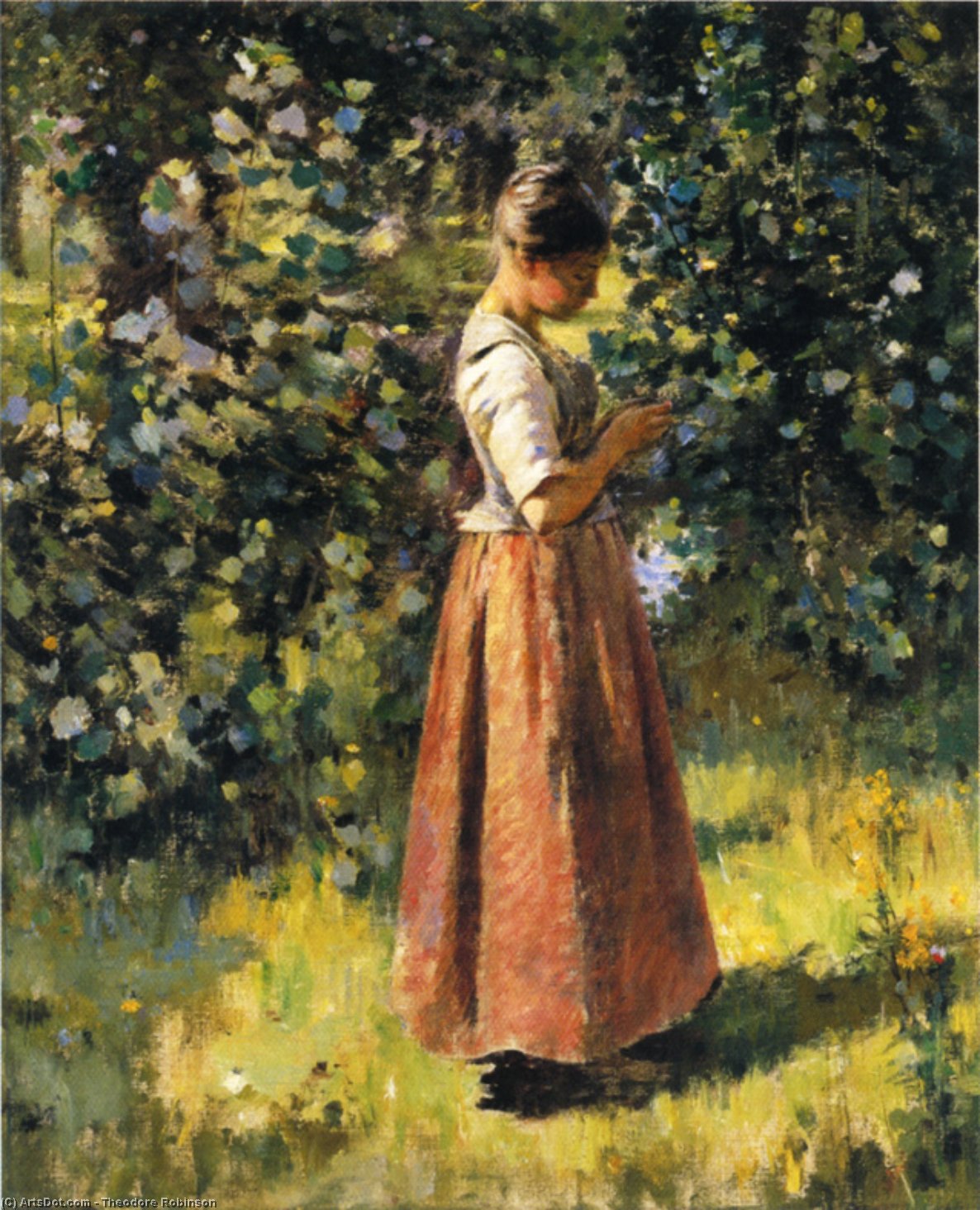
In the Grove


 Vezi mai mult
Achiziționați o imagine digitală de înaltă rezoluție, îmbunătățită, mult superioară previzualizării online.
Fiecare fișier este pregătit cu meticulozitate de specialiștii noștri interni, utilizând instrumente avansate și retușare manuală expertă. Ne asigurăm că fiecare imagine beneficiază de o claritate excepțională, o acuratețe precisă a culorilor și detalii fine.
Fișierul final este livrat prin e-mail în termen de 72 de ore, optimizat pentru utilizare imediată în medii profesionale, editoriale și de imprimare. Aceasta este aceeași calitate în care au încredere studiouri de design, edituri și galerii de top.
Imagine Digitală
Descărcați un fișier la rezoluție înaltă pentru afișare personală, imprimare și proiecte creative. ( Comandă printul Comandă pictură lucrată manual)
Inclus în fiecare comandă de imagini digitale
Livrare digitală de expertiză, garantată
Când alegeți OriginalUniqueArt.com, nu primiți doar o simplă imagine – primiți o operă de artă digitală îmbunătățită profesional, creată cu precizie și susținută de o garanție de satisfacție. Iată tot ceea ce primești odată cu comanda ta, în mod automat:

Livrare rapidă prin e-mail
Fișierul imaginii digitale la rezoluție înaltă vă va fi trimis prin e-mail în termen de 72 de ore de la finalizarea comenzii – gata pentru utilizare imediată.

Fișier digital optimizat prin IA
Opera ta de artă este optimizată profesional prin intermediul unor instrumente AI avansate și al editării manuale, asigurând un nivel maxim de detalii, claritate și acuratețe a culorilor.

Retransmitere gratuită pe viață
Ai șters sau ai pierdut din greșeală fișierul? Nu îți face griji – ți-l vom retrimite oricând, gratuit.

Fără taxe de import – Întotdeauna
Bucură-te instant de noua ta operă de artă, fără taxe vamale, taxe de import sau costuri de livrare – descărcările digitale sunt întotdeauna fără taxe.

Garanția acurateții culorilor
Asigurăm o reflectare cât mai fidelă a culorilor originale în imaginea ta digitală, prin utilizarea unor instrumente profesionale și a proceselor de gestionare a culorii.

Garanție de satisfacție de 60 de zile
Dacă nu sunteți mulțumit de imaginea digitală achiziționată, o vom revizui sau vă vom returna 100% în termen de 60 de zile – fără nicio explicație necesară.

Garanție de returnare 100% a banilor
Nu ești mulțumit? Obține o rambursare completă în termen de 60 de zile de la primirea fișierului tău digital – fără întrebări.

Reduceri pentru comenzi în volum
Cumpără 3 imagini, economisește 10% - Cumpără 5, economisește 15% - Cumpără 10+, economisește 20%. Ideal pentru proiecte creative, galerii și agenții.
Descriere obiect de colecție
In the Grove: A Meditation on Light and Loss
The painting “In the Grove” by Theodore Robinson stands as a cornerstone of American Impressionism—a testament to his ability to distill the profound beauty of nature into emotionally resonant visual form. Completed in 1888, it resides within the Baltimore Museum of Art’s collection, offering viewers an intimate glimpse into Robinson's artistic vision and capturing a moment frozen in time.
Robinson’s stylistic approach was deeply rooted in European Impressionism, yet he imbued his canvases with distinctly American sensibilities. Influenced by luminists like Frederic Church and George Caleb Bingham, he sought to depict landscapes not merely as representations of scenery but as expressions of spiritual contemplation. This is evident in “In the Grove,” where Robinson employs a broken color palette—characteristic of Monet’s Giverny series—to capture the dappled sunlight filtering through dense foliage.
- Technique: Robinson utilized oil paints on canvas, applying thin layers of pigment to build up texture and luminosity. His brushstrokes are loose and expressive, prioritizing tonal variation over precise detail, mirroring the fleeting effects of natural light.
- Composition: The painting’s central figure—a woman standing amidst towering trees—is positioned slightly off-center, creating a sense of balance and inviting the viewer's gaze to wander across the expansive vista. Robinson skillfully employs atmospheric perspective, diminishing colors and tonal values in the distant background to convey depth and heighten the feeling of serenity.
- Color Palette: Dominant hues include muted greens, browns, and ochres—colors that evoke the earthy tones of woodland environments. However, a striking crimson dress worn by the woman introduces a vibrant accent, symbolizing passion or perhaps hinting at an underlying melancholy.
Beyond its aesthetic qualities, “In the Grove” resonates with deeper symbolic meanings. The grove itself represents seclusion and contemplation—a refuge from the anxieties of urban life—while the woman embodies resilience and grace amidst adversity. Robinson’s masterful depiction of light—particularly the way it illuminates the foliage and casts shadows across the scene—suggests a yearning for transcendence, capturing the sublime beauty of nature as a source of spiritual solace.
Considered alongside similar works by Monet and Van Gogh – notably “Red Vineyard” – “In the Grove” exemplifies the Impressionist preoccupation with capturing fleeting moments of sensory experience. Its enduring appeal lies in its ability to transport viewers to a tranquil landscape, prompting reflection on themes of beauty, loss, and the interconnectedness of humanity and nature. Reproductions of this iconic painting are available at OriginalUniqueArt.com, allowing art enthusiasts to appreciate Robinson’s legacy for generations to come.
Biografie artist
A Pioneer of American Light: The Life and Art of Theodore Robinson
Theodore Robinson, a name perhaps less immediately recognizable than those of Monet or Renoir, nevertheless occupies a pivotal position in the story of American art. Born in rural Vermont in 1852, his journey was one of persistent artistic seeking, culminating in a unique synthesis of European Impressionism and distinctly American sensibilities. His life, though tragically cut short at the age of forty-four, left an enduring legacy as a key figure in bringing the shimmering light and broken color of France to a new generation of American painters. Robinson’s early years were marked by frequent relocation; his family moved to Wisconsin when he was just three years old, and he briefly studied art in Chicago before venturing east to New York City in 1874. There, he enrolled at the National Academy of Design and the Art Students League, laying a foundation in traditional techniques that would later be brilliantly transformed by his experiences abroad. These formative years were also shaped by practical necessity; Robinson often supplemented his artistic pursuits with teaching positions, a task he found draining due to chronic asthma which plagued him throughout his life.From Realism to the Allure of Giverny
Robinson’s initial artistic inclinations leaned towards realism, mirroring the prevailing tastes of the time. He favored scenes of quiet domesticity and agrarian life, depicting figures engaged in everyday activities with a meticulous attention to detail. These early works – paintings like *The Red Gown (His Favorite Model)* and *White Bridge Near Napanoch* – demonstrate a careful observation of form and a commitment to portraying the dignity of ordinary subjects. However, a turning point arrived in 1884 when he embarked on an extended stay in France. It was here, in the idyllic countryside surrounding Paris, that his artistic vision underwent a profound shift. He settled in Giverny, becoming intimately acquainted with Claude Monet and absorbing the principles of Impressionism firsthand. This wasn’t merely a stylistic adoption; it was a complete reimagining of how light, color, and atmosphere could be captured on canvas. Monet's guidance proved invaluable, encouraging Robinson to embrace a more spontaneous approach, focusing on the fleeting effects of light and shadow rather than precise representation. The influence is palpable in works like *Giverny 1*, *Giverny 2*, and *Giverny 3*, where dappled sunlight filters through trees, creating an ethereal quality that transcends mere depiction. He didn’t simply copy Monet; he filtered the Impressionist aesthetic through his own American lens, retaining a sense of structure and form that distinguished his work from its French counterparts.A Bridge Between Worlds: Sharing the Vision
Robinson's significance extends beyond his individual paintings; he served as a crucial conduit between the European avant-garde and the burgeoning American art scene. His position in Giverny placed him at the center of an American artistic colony, allowing him to share his newfound knowledge and enthusiasm with fellow painters like Julian Alden Weir and John Henry Twachtman. He became a passionate advocate for Impressionism, tirelessly demonstrating its techniques and principles to those who sought his guidance. This role as a mentor and interpreter was particularly important in a time when American art was still largely dominated by academic traditions. His influence is evident in the work of many artists who visited Giverny, helping to establish an American Impressionist style that was both indebted to French innovations and uniquely its own. He brought back not just techniques but also a philosophy – a way of seeing and responding to the world around him.Later Years and Lasting Legacy
Returning to America in 1892, Robinson sought to apply his Impressionist vision to the landscapes of his native country. He worked alongside Weir and Twachtman at Cos Cob, Connecticut, a thriving art colony, and painted scenes along the canals of New York State before eventually settling in Vermont, hoping to recreate a Giverny-like environment closer to home. However, his health continued to deteriorate, and he faced increasing financial hardship. His final years were marked by isolation and struggle, culminating in his death in 1896. Ironically, many of his paintings remained unsold during his lifetime, only gaining recognition after his passing. Today, Theodore Robinson’s work is held in major museum collections, including the Metropolitan Museum of Art, a testament to his enduring artistic merit. His meticulous diaries, preserved at the Frick Art Reference Library, offer invaluable insights into his creative process and intellectual life.A Lasting Impression
Theodore Robinson’s contribution to American art lies not only in the beauty of his paintings but also in his role as a catalyst for change. He was a bridge between cultures, a passionate advocate for innovation, and a gifted artist who helped shape the course of American Impressionism. His work embodies a delicate balance between observation and interpretation, realism and abstraction, European influence and American identity. He demonstrated that it was possible to embrace the radical innovations of Impressionism without sacrificing one’s artistic voice or cultural heritage. His paintings continue to captivate viewers with their luminous quality and evocative atmosphere, reminding us of the power of art to transform our perception of the world around us. Robinson's legacy is a testament to the enduring appeal of light, color, and the pursuit of artistic truth.- Notable Works: Giverny 1, Giverny 2, Giverny 3, La débâcle (1892)
- Influences: Claude Monet, John La Farge, Carolus-Duran, Jean-Léon Gérôme
- Artistic Movement: American Impressionism

Teodor Robinson
1852 - 1896 , Statele Unite ale Americii
Detalii rapide
- Artistic Movement Or Style: Impressionism
- Artists Or Movements Influenced By This Artist: ['American Impressionism']
- Artists Who Influenced This Artist: ['Monet']
- Date Of Birth: 1852
- Date Of Death: 1896
- Full Name: Theodore Robinson
- Nationality: American
- Notable Artworks:
- Giverny 1
- Giverny 2
- Giverny 3
- Place Of Birth: Irasburg, USA

