
 Previzualizare
 Trimite
 Distribuie
 Detalii despre lucrare

 Descarcă
 Produse similare
 Radiografie
 Diapozitive automate
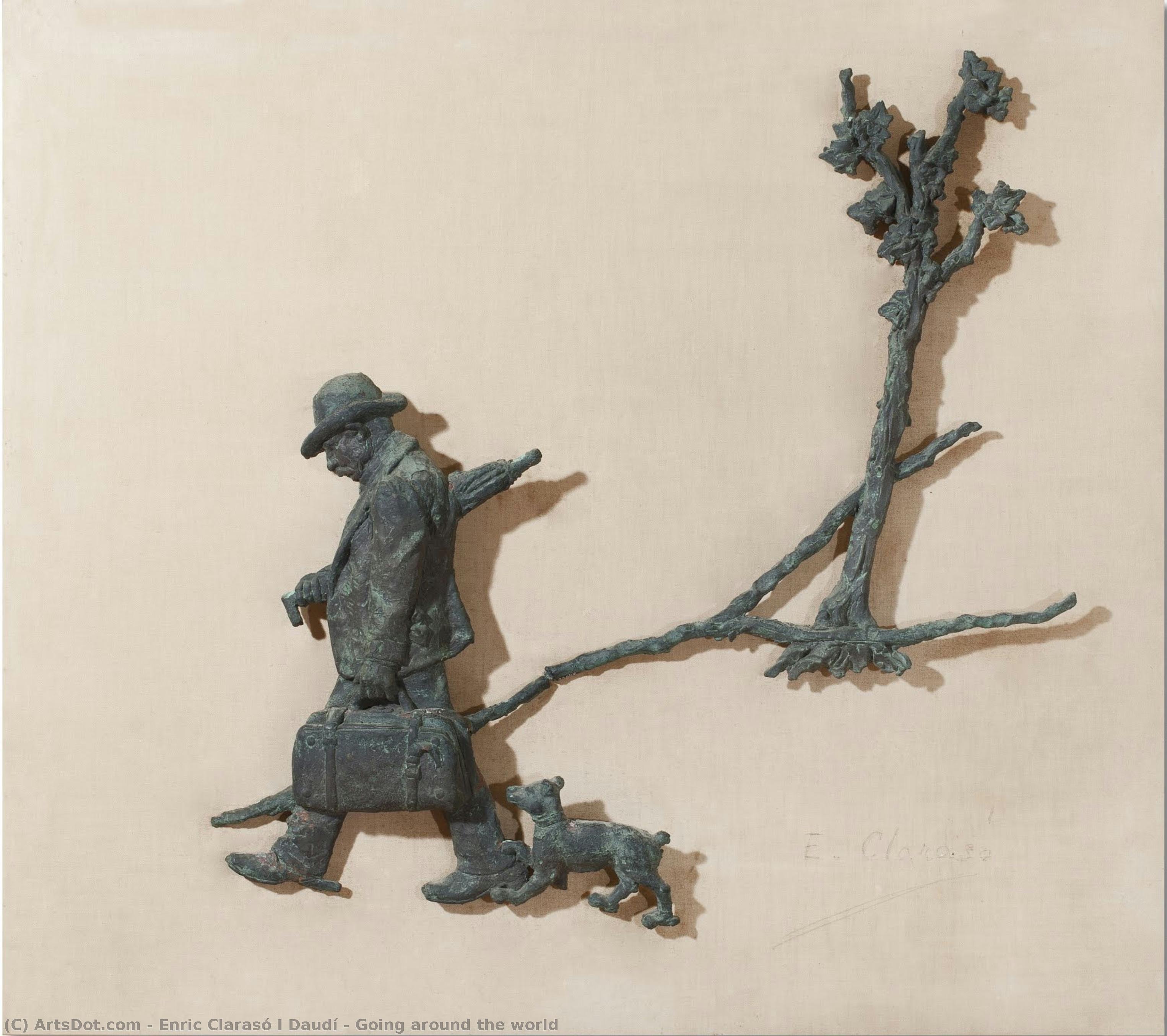
Mergi în jurul lumii
 Acrilic pe pânză întinsă
- Artă de perete
- Catalan Modernism
 1890
1890 49.0 x 49.0 cm
 Muzeul Cau Ferrat
 Vezi mai mult
Reproducere pictată manual în ulei
Pictură în ulei pe pânză, realizată manual de artiștii noștri la dimensiunea și ramele dorite de dumneavoastră, pe comandă. ( Comandă printul Cumpără imaginea)




P118B $10

P118H $10

P118W $10

P438Z $10

P508JH $12

P508YH $12

P805H $10

P805Z $10

P919BZ $10

P919G $10

P919XJ $10

P959ZH $10

P968JZ $12

W106C $8

W218G $10

W218JH $8

W218Y $10

W307PJ $10

W316G $10

W316PJ $8

W316Y $10

W398PJ $8

W4111J $10

W500HY $15

W500JH $15

W692G $12

W849H $8

W940BG $15

W953PJ $8




Alegeți dintre dimensiunile noastre prestabilite, care respectă proporțiile originale ale operei de artă.

Puteți introduce propriile dimensiuni pentru a se potrivi unui anumit cadru sau spațiu. Dacă dimensiunea selectată nu corespunde proporțiilor imaginii originale, vom decupa opera de artă sau vom extinde pictura cu elemente suplimentare pictate manual. O simulare digitală vă va fi trimisă pentru aprobare înainte de începerea producției.
Vă rugăm să rețineți că previzualizarea de pe ecran nu reflectă decuparea sau extinderea reală. Doar macheta va arăta cu exactitate compoziția finală.
Deși sunt disponibile dimensiuni personalizate, vă recomandăm să selectați o dimensiune din lista predefinită pentru a păstra proporțiile originale.
După plasarea comenzii, echipa OriginalUniqueArt.com va contacta clientul prin e-mail pentru instrucțiuni și îi va furniza o previzualizare a machetei
Livrare în întreaga lume () în 3-4 săptămâni, în loc de cele 5 săptămâni standard. (16 August). Fără compromisuri în ceea ce privește calitatea.

Livrare expres gratuită la nivel mondial

Pânză de in de înaltă calitate

Asigurare completă pentru transport

Garanție de rambursare a taxelor vamale

Garanția fidelității culorilor

Politica de retur în 60 de zile (doar pentru defecte)

Garanție de rambursare 100%

Ofertă pentru comenzi multiple
 Opțiunea cu sticlă este disponibilă doar pentru dimensiuni de sub 110 cm

Mergi în jurul lumii
Tehnică de reproducere
Dimensiune reproducere
-


Preț total calculat
$ 300
Descriere operă de artă
Going Around The World – Enric Clarasó I Daudí: A Vision of Catalan Modernism
Enric Clarasó i Daudí (1857-1941), a pivotal figure in Catalan Modernism, bequeathed to us a sculptural legacy that transcends mere form and delves into the spirit of his era. Born in Sant Feliu del Racó – now a suburb of Barcelona – his family’s relocation at the tender age of two profoundly shaped his artistic trajectory, establishing him within the vibrant cultural landscape of Barcelona. Early influences and formative years Clarasó's initial apprenticeship in a perfume store provided an unexpected grounding before a debilitating bout of yellow fever propelled him toward a position within Joan Roig i Solé’s workshop, marking a decisive juncture in his artistic development. Simultaneously, he pursued formal training at the Escola de la Llotja, meticulously honing his skills in drawing and clay modeling – disciplines that would become indispensable tools for realizing his ambitious visions.A Dialogue Between Costumisme and Symbolism
His artistic evolution unfolded amidst collaborations with fellow modernist luminaries like Miquel Carbonell and Santiago Rusiñol, culminating in the establishment of a shared studio and fostering enduring friendships. The Sala Parés debut in 1884 cemented his presence within Barcelona’s artistic circles, followed by participation in the influential 1888 exhibition – events that solidified his reputation as a sculptor deeply attuned to the prevailing aesthetic currents. Clarasó's oeuvre is characterized by a distinctive blend of Costumisme—a stylistic approach prioritizing pictorial interpretation and adherence to historical customs—and Symbolism, reflecting a profound engagement with philosophical ideas and emotional resonance. This duality manifests itself in works imbued with evocative imagery and layered meanings, inviting contemplation beyond mere visual perception.Notable Sculptures: Reflections of Catalan Identity
Among his most celebrated creations stand monumental sculptures commemorating significant figures and events within Catalan history—particularly the Tower of Sant Francesc, a poignant emblem of Barcelona’s architectural heritage. Furthermore, Clarasó's dedication to funerary sculpture – exemplified by elaborate tombs in Barcelona’s cemeteries and Zaragoza – underscores his artistic sensitivity and his ability to convey profound emotional depth. His autobiographical chronicle, “Notes Viscudes,” offers invaluable insight into the artist’s intellectual and personal convictions, illuminating the broader context of Catalan Modernism's cultural dynamism.Cau Ferrat Museum: Preserving Clarasó’s Artistic Legacy
Today, Clarasó’s sculptures reside prominently within the Cau Ferrat Museum in Sitges, Spain—a testament to his enduring influence on Catalan art and culture. This institution meticulously safeguards his artistic heritage, ensuring that future generations can appreciate the beauty and intellectual richness of his oeuvre. Exploring Clarasó's work reveals not only technical mastery but also a profound engagement with the human condition – a legacy worthy of admiration and continued study.Biografie artist
a modernist catalan sculptor's journey
enric clarasó i daudí, a prominent figure in catalan modernism, left an indelible mark on the world of sculpture. born in 1857 in sant feliu del racó, now a suburb of barcelona, his family's relocation to barcelona at the age of two would set the stage for his future artistic endeavors.early beginnings and influences
after a brief apprenticeship in a perfume store, clarasó i daudí's bout with yellow fever in 1869 led him to seek a position in the workshop of joan roig i solé, a pivotal moment that would define his artistic path. concurrently, he studied drawing and clay modeling at the escola de la llotja, laying the groundwork for his future masterpieces.artistic evolution and collaborations
notable collaborations include sharing a studio with painter miquel carbonell in 1880, followed by a brief stint with santiago rusiñol, which would later become the cau ferrat museum. his first exhibit at the sala parés in 1884 and participation in the 1888 barcelona universal exposition solidified his presence in the art world.legacy and enduring impact
clarasó i daudí's passing in 1941 marked the end of an era, but his contributions to modernist catalan sculpture continue to inspire. for a deeper dive into his works and the broader context of catalan art, explore these resources:- enric clarasó i daudí's profile on OriginalUniqueArt, featuring a selection of his notable works.
- the museu d'art contemporani (macba), a hub for contemporary art in barcelona, offers insights into the city's thriving art scene. [https://OriginalUniqueArt.com/@@/a@d3artz](museu d'art contemporani (barcelona, spain) - a comprehensive guide)
- delve into the fundació joan miró, a museum dedicated to the renowned surrealist artist, for a glimpse into another facet of catalan modernism. [https://OriginalUniqueArt.com/@@/a@d3bm3t](the museum fundació joan miró (barcelona, spain))

enric clarasó i daudí
1857 - 1941 , Spain
Detalii rapide
- Artistic Movement Or Style: Modernism
- Artists Or Movements Influenced By This Artist: ['Santiago Rusiñol']
- Artists Who Influenced This Artist:
- Joan Roig i Solé
- Henri Chapu
- Date Of Birth: September 14, 1857
- Date Of Death: 1941
- Full Name: Enric Clarasó i Daudí
- Nationality: Catalan
- Notable Artworks:
- Catalan Blacksmith
- La Torre de Sant Francesc
- Place Of Birth: Sant Feliu del Racó, Spain
Articole similare

Top 10 Capodopere din Bronz care au Revoluționat Arta – Inspirație pentru Decor
Descoperă Top 10 sculpturi din bronz care au schimbat istoria artei! Explorează operele lui Rodin, Michelangelo și alți maeștri, tehnicile lor unice și inspirația pentru decorul casei tale. Replici de calitate muzeală pe OriginalUniqueArt.com.

The Enduring Form: Exploring Themes & Techniques in Sculpture Across Historical Periods
Explore the rich history of sculpture from ancient masterpieces to contemporary innovations. Discover key techniques, influential artists & investment potential for discerning art collectors.

Top 10 Capodopere din Bronz care au Revoluționat Arta | OriginalUniqueArt.ro
Descoperiți Top 10 capodopere din bronz care au revoluționat arta! Rodin, Michelangelo și alții. Aflați istoria sculpturilor clasice și inspirație pentru decorul casei dvs. Reproduceri de artă de calitate muzeală pe OriginalUniqueArt.com
The Enduring Form: Sculpture Across History, Technique & Emotional Resonance
Explore the rich history of sculpture with OriginalUniqueArt. Discover key techniques, influential artists & investment potential for discerning collectors. Expert insights into valuing and collecting timeless masterpieces.
Moștenirea Durabilă a Sculpturii în Bronz: Istorie, Tehnici și Interpretări Contemporane
Descoperiți istoria fascinantă și tehnicile complexe ale sculpturii în bronz. Ghid complet pentru colecționari, investitori și pasionați de artă. Aflați despre artiști renumiți și tendințele contemporane.


