Introduction: The Timeless Appeal of Three-Dimensional Art
Art history is an academic discipline devoted to the study of artistic production and visual culture throughout human history. Art historians use a historical method or a philosophy, such as historical materialism or critical theory, to analyze artwo...
From the monumental statuary of ancient civilizations to the intimate bronzes of Rodin, sculpture has consistently captivated humanity. Unlike painting, which presents a world *through* a lens, sculpture exists *within* our space, demanding a physical engagement that transcends mere observation. It is an art form rooted in tangibility – in weight, volume, and texture – offering a unique dialogue between the artwork, the artist’s intent, and the viewer's perception. This enduring power stems not only from its aesthetic qualities but also from its capacity to embody narratives, ideals, and emotions with a profound immediacy that continues to resonate across millennia.
Ancient Foundations: Sculpture’s Role in Ritual, Power & Narrative
The earliest sculptures weren’t simply decorative; they were integral to ritualistic practices and expressions of power. Consider the imposing figures of Egyptian pharaohs, carved from durable stone not merely as likenesses but as vessels for their *ka*, or life force. These works served a deeply spiritual purpose, ensuring continuity beyond mortality. Similarly, Greek sculpture, evolving from archaic rigidity to classical naturalism, celebrated the human form as an embodiment of divine perfection. The idealized musculature and balanced proportions weren’t accidental; they reflected philosophical ideals of harmony and reason. The narratives woven into these sculptures – myths of gods and heroes – were not merely stories but foundational elements of their culture, publicly displayed and deeply ingrained in societal consciousness. Roman sculpture, while often borrowing from Greek precedents, emphasized realism and portraiture, utilizing the medium to commemorate emperors and celebrate military victories. The sheer scale of imperial monuments underscored the power and authority of the state.
Renaissance Revival & Baroque Grandeur: Mastering Form and Emotion
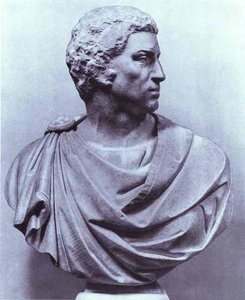 Brutus
Michelangelo’s ‘Brutus’: A stunning marble bust embodying classical ideals & Renaissance power. Explore this iconic sculpture's history, technique & timeless beauty. #Michelangelo #RenaissanceArt
The Renaissance witnessed a fervent rediscovery of classical antiquity, profoundly impacting sculptural practice. Artists like Donatello breathed new life into ancient forms, imbuing them with psychological depth and emotional realism. His *David*, for example, is not simply a depiction of a biblical hero but a nuanced portrayal of youthful determination and vulnerability. Michelangelo’s sculptures – the *Pietà* and *Brutus* among them – represent the pinnacle of Renaissance mastery. He possessed an unparalleled ability to liberate figures from stone, revealing forms that seemed to pulse with life. The Baroque period, in contrast, embraced drama and theatricality. Artists like Bernini sought to overwhelm the senses, creating sculptures that were dynamic, emotionally charged, and often integrated seamlessly into architectural spaces. Pietro Bracci’s *Oceanus* at the Trevi Fountain exemplifies this grandeur, a swirling composition of figures and water that embodies the power and abundance of nature.
The Evolution of Technique: From Carving to Casting and Beyond
There is no exact definition of what constitutes art. Artists have explored many styles and have used many different techniques to create art. == Art techniques == == See also == Art movement Creativity techniques Hockney–Falco thesis Kallirosc...
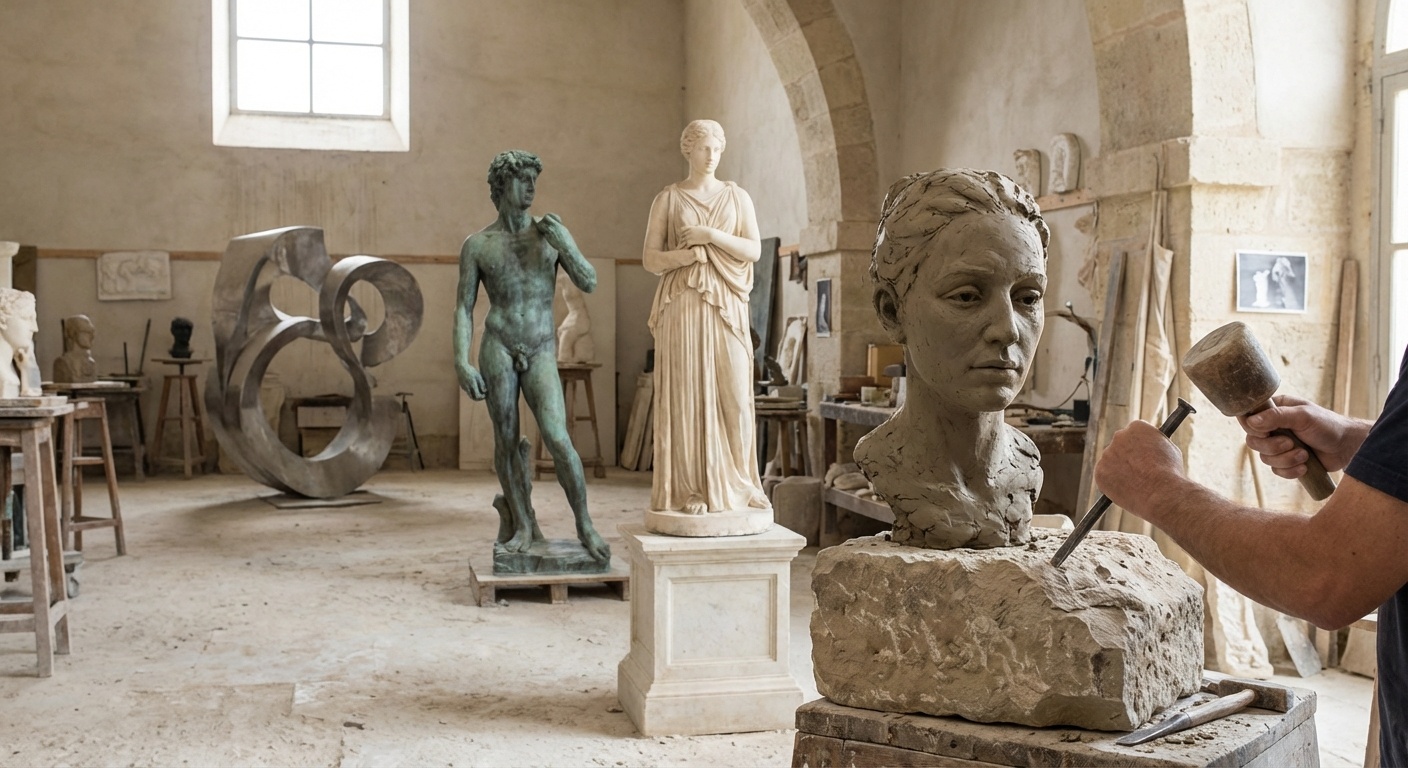
Sculptural techniques have evolved dramatically over time. Subtractive methods – carving stone or wood – demand patience, precision, and an intimate understanding of the material’s properties. The artist removes unwanted portions to reveal the form within. Additive processes – modeling in clay, wax, or plaster – allow for greater flexibility and spontaneity. Casting, particularly bronze casting using the lost-wax method, enabled the creation of complex forms with intricate detail and durability. This technique, perfected by ancient civilizations, involves creating a mold from an original model, pouring molten metal into the cavity, and then carefully removing the mold to reveal the finished sculpture. In the 20th and 21st centuries, artists have embraced new materials and technologies – welded steel, plastics, found objects – expanding the boundaries of sculptural practice. Kinetic sculptures introduce movement, while installation art transforms entire spaces, challenging traditional notions of form and context.
Modernism's Sculptural Revolution: Abstraction, Innovation & Materiality
The 20th century witnessed a radical departure from representational sculpture. Artists like Constantin Brancusi explored pure abstraction, reducing forms to their essential elements. His polished bronzes evoke a sense of timelessness and spiritual contemplation. Henry Moore’s organic forms, inspired by the human figure and natural landscapes, challenged traditional notions of beauty and form. Barbara Hepworth similarly focused on abstract shapes, exploring the interplay of mass and void. The rise of industrial materials – steel, aluminum, plastic – allowed artists to create sculptures of unprecedented scale and complexity. Alexander Calder’s mobiles introduced movement and chance into sculpture, while Jeff Koons pushed boundaries with his highly polished, often provocative works. Contemporary sculptors continue to experiment with new materials and technologies, blurring the lines between art, architecture, and design. Tawatchai Puntusawasdi's tilted series challenges our perception of space and gravity.
Collecting Sculpture: A Guide for Discerning Investors
Investing in sculpture can be a rewarding experience, both aesthetically and financially. However, it requires careful consideration and due diligence. Understanding the artist’s provenance – their background, influences, and exhibition history – is crucial. The material of the sculpture significantly impacts its longevity and value; bronze and marble generally hold their value well, while newer materials may require more specialized care. Condition is paramount; damage or restoration can affect a sculpture's worth. Consider the space in which you intend to display the artwork; free-standing sculptures require ample room, while reliefs are better suited for walls. Consulting with an art appraiser can provide valuable insights into valuation and authenticity. OriginalUniqueArt.com offers a curated selection of handmade oil paintings and museum-quality prints, providing access to masterpieces from across history. We also offer custom reproduction services, allowing you to create unique artworks tailored to your specifications. Our team provides expert guidance throughout the process, ensuring a seamless experience from initial consultation to final delivery. Explore our collection today and discover the enduring beauty of sculpture.