

 Vezi în context
 Trimite
 Distribuie
 Detalii
 Ghidul

 Descarcă
 Produse similare
 Radiografie
 Diaporama
 Statistici
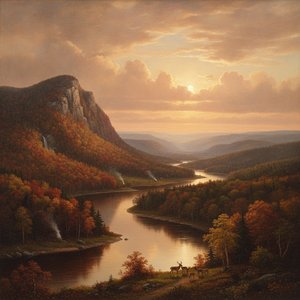
Tivoli
 Oil On Canvas
- WallArt
- Luminism
 1870
1870- 19th Century
 67.0 x 128.0 cm
 Muzeul Metropolitan de Artă
 Citește mai mult
Giclée / Imprimare artistică
Printuri giclée sau pe canvas de calitate muzeală, cu proces de producție rapid și opțiuni flexibile de finisare. ( Comandă pictură realizată manual Treci la imagine digitală)




P118B $10

P118H $10

P118W $10

P438Z $10

P508JH $12

P508YH $12

P805H $10

P805Z $10

P919BZ $10

P919G $10

P919XJ $10

P959ZH $10

P968JZ $12

W106C $8

W218G $10

W218JH $8

W218Y $10

W307PJ $10

W316G $10

W316PJ $8

W316Y $10

W398PJ $8

W4111J $10

W500HY $15

W500JH $15

W692G $12

W849H $8

W940BG $15

W953PJ $8




Alegeți dintre dimensiunile noastre prestabilite, care respectă proporțiile originale ale operei de artă.

Puteți introduce propriile dimensiuni pentru a se potrivi unui anumit cadru sau spațiu. Dacă dimensiunea selectată nu corespunde proporțiilor imaginii originale, vom decupa lucrarea de artă sau vom extinde imaginea cu margini oglindite sau cu o culoare uniformă. Un mockup digital va fi trimis pentru aprobarea dumneavoastră înainte de începerea producției.
Vă rugăm să rețineți că previzualizarea de pe ecran nu reflectă decuparea sau extinderea reală. Doar mockup-ul va arăta cu exactitate compoziția finală.
Deși dimensiunile personalizate sunt disponibile, vă recomandăm să selectați o dimensiune din lista predefinită pentru a păstra proporțiile originale.
Livrare în întreaga lume () în 2 săptămâni, în loc de cele 4/5 săptămâni standard. (27 Septembrie)

Livrare expres gratuită la nivel mondial

Pânză de in premium

Asigurare completă pentru transport

Garanție de rambursare a taxelor vamale

Garanția fidelității culorilor

Politica de retur în 100 de zile (doar pentru defecte)

Garanție de rambursare 100%

Reducere pentru comenzi multiple
 Opțiunea cu sticlă este disponibilă doar pentru dimensiuni de sub 110 cm

Tivoli
Giclée / Imprimare artistică
Dimensiune reproducere
-


Preț total
$ 80
A Symphony of Light and Shadow
In the quiet moments before dusk settles over the Italian landscape, there exists a fleeting, ethereal magic—a transition where the world seems to hold its breath. It is this precise, transcendent instant that Sanford Robinson Gifford captures in his masterpiece, Tivoli. Completed around 1870, this breathtaking vista does not merely depict a location; it invites the viewer into a profound sensory experience. As the eye wanders across the expansive panorama overlooking Rome from the heights of Tivoli, one is immediately struck by the artist's unparalleled ability to manipulate light. The sky, bathed in warm, honeyed hues of orange and soft yellow, radiates a gentle glow that seems to emanate from within the canvas itself, casting a serene and tranquil spell over the entire composition.
The painting serves as a quintessential triumph of Luminism, a specialized movement within the broader Hudson River School. Unlike artists who sought to document every leaf and stone with photographic precision, Gifford prioritized the atmospheric soul of the landscape. Through the masterful application of thin, translucent glazes, he achieved a soft, luminous haze that blurs the sharp edges of the Apennine Mountains in the distance. This technique creates a sense of depth and mystery, where the mountains appear to dissolve into the golden mist of the sunset. In the foreground, the presence of two small figures standing near the river’s edge provides a vital sense of scale and human connection; they are not mere subjects, but silent witnesses to the sublime grandeur of nature, mirroring our own contemplative state as we gaze upon the work.
Historical Resonance and Timeless Elegance
To understand Tivoli is to understand the heart of nineteenth-century Romantic idealism. During this era, landscape painting was elevated to a spiritual pursuit, intended to evoke awe and a sense of the divine through the observation of the natural world. Gifford, a leading figure of the second generation of the Hudson River School, brought an American sensibility to the classical landscapes of Europe. By choosing Tivoli—a site of immense historical and aesthetic significance—he bridged the gap between the rugged beauty of the New World tradition and the classical harmony of the Old World. The subtle movement of birds scattered across the sky adds a delicate pulse of life to the stillness, ensuring that while the scene is peaceful, it is never static.
For the discerning collector or interior designer, this painting offers more than just visual beauty; it provides an emotional anchor for any space. Its balanced composition and warm, harmonious palette make it an exquisite centerpiece for a room designed for reflection and sophistication. Whether placed in a sun-drenched gallery or a quiet study, a high-quality reproduction of Tivoli brings with it the enduring spirit of the American landscape tradition. It is a piece that speaks of tranquility, invites deep thought, and celebrates the eternal beauty of light—making it an incomparable choice for those looking to infuse their surroundings with a sense of historical depth and poetic grace.
Biografie artist
Early Life and Artistic Beginnings
Sanford Robinson Gifford, a name synonymous with the serene beauty of American landscapes, was born on July 10, 1823, in Greenfield, New York – a small town nestled amidst the rolling hills of Saratoga County. His childhood unfolded in Hudson, a picturesque riverside community steeped in history and artistic tradition. Gifford’s upbringing wasn't one of formal academic pursuits initially; instead, he was immersed in the practical world of his family’s iron foundry business. However, from a young age, a deep fascination with art ignited within him, fueled by observations of the natural world and an admiration for the works of Thomas Cole, a pivotal figure in the burgeoning Hudson River School movement. Recognizing this nascent talent, Gifford's parents encouraged him to pursue his artistic inclinations, leading him to study under John Rubens Smith, a distinguished British watercolorist who had established himself as a respected drawing master in New York City. Smith’s instruction provided Gifford with a solid foundation in technique and perspective – essential tools for capturing the nuances of light and form. Following his studies with Smith, Gifford further honed his skills at the National Academy of Design, absorbing the principles of academic art while simultaneously seeking inspiration from the evolving landscape aesthetic championed by Cole and other contemporaries.The Influence of Luminism and European Travels
Gifford’s artistic journey took a significant turn in the mid-1850s when he embarked on a transformative trip to Europe. This extended sojourn, spanning over two years, proved instrumental in shaping his distinctive style – a movement known as Luminism. He was profoundly influenced by J.M.W. Turner, the celebrated British landscape painter, whose masterful use of light and atmospheric effects captivated Gifford’s imagination. He spent considerable time studying Turner's techniques at the National Gallery in London, meticulously analyzing how he rendered the ephemeral qualities of light and shadow. Beyond Turner, Gifford also explored the works of French Barbizon School painters, absorbing their emphasis on capturing the essence of nature through direct observation and a focus on tonal values. His travels extended to Belgium, Holland, Germany, Switzerland, and Italy, each location contributing to his evolving artistic vocabulary. In Rome, he spent a considerable period immersed in the study of classical ruins and Italian landscapes, further refining his ability to translate natural beauty onto canvas. This European experience wasn’t merely a superficial imitation; it represented a profound shift in Gifford's approach to landscape painting – moving away from idealized representations towards a more nuanced and atmospheric style.A Master of Light and Atmospheric Effects
Gifford’s artistic hallmark lay in his extraordinary ability to capture the subtle interplay of light and atmosphere within his landscapes. He eschewed dramatic, theatrical compositions in favor of scenes that conveyed a sense of quiet contemplation and serene beauty. His paintings are characterized by soft, diffused light, delicate gradations of color, and an almost ethereal quality – hallmarks of Luminism. Gifford’s technique involved working on a small scale, meticulously layering thin washes of paint to build up tonal values and create the illusion of depth and atmosphere. He paid close attention to details, rendering foliage with remarkable precision while maintaining a sense of overall harmony and balance. His compositions often featured familiar New York landscapes – the Catskill Mountains, the Hudson River Valley, and the Adirondack wilderness – but he approached these subjects with an innovative sensibility, prioritizing mood and feeling over literal representation. Gifford’s paintings weren't simply depictions of scenery; they were evocative expressions of his personal response to the natural world.Notable Works and Legacy
Sanford Robinson Gifford’s artistic legacy is firmly established within the annals of American landscape painting. His work has been exhibited at prestigious institutions, including the Metropolitan Museum of Art in New York City, where several of his most celebrated paintings reside. *Tivoli* (1868), a captivating depiction of an Italian hillside village bathed in golden light, stands as one of his most iconic works and is now part of the museum’s permanent collection. Similarly, *Mount Mansfield* (1858) showcases his skill in capturing the rugged beauty of Vermont's mountains. Gifford’s travels to the Rocky Mountains in 1870 resulted in a series of paintings that documented the dramatic landscapes of the American West – a relatively new subject for an artist primarily associated with the Eastern landscape tradition. Despite his prolific output, Gifford remained a largely unsung figure during his lifetime. However, following his death in New York City on August 29, 1880, his work gained increasing recognition and appreciation. A comprehensive catalog of his paintings, published posthumously, revealed the breadth and depth of his artistic achievement – documenting over 700 works created throughout his career. Gifford’s influence can be seen in the work of subsequent generations of American landscape painters, solidifying his place as a pivotal figure in the development of Luminism and the Hudson River School.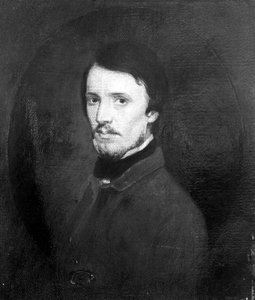
Sanford Robinson Gifford
1823 - 1880 , Statele Unite ale Americii
Informații rapide
- Artistic Movement Or Style: Luminism, Hudson River School
- Artists Or Movements Influenced By This Artist: ['Hudson River School']
- Artists Who Influenced This Artist: ['John Rubens Smith']
- Date Of Birth: 10 iulie 1823
- Date Of Death: 29 august 1880
- Full Name: Sanford Robinson Gifford
- Nationality: American
- Notable Artworks:
- Tivoli
- Mount Mansfield
- Place Of Birth: Greenfield, SUA
Articole conexe
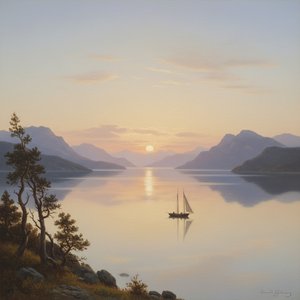
Sanford Robinson Gifford: Luminism & the American Landscape Tradition
Explore the serene landscapes of Sanford Robinson Gifford, a leading Luminist painter of the Hudson River School. Discover his mastery of light, atmospheric effects & lasting influence on American art. Hand-painted reproductions available.
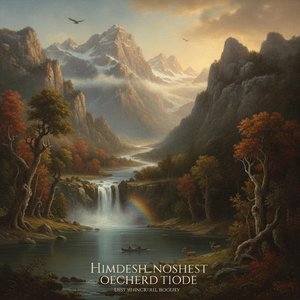
10 Iconic Hudson River School Masterpieces That Changed Landscape Art Forever
Journey through the sublime landscapes of the Hudson River School. Explore 10 iconic masterpieces by legends like Thomas Cole and Frederic Church. Find inspiration for your decor with museum-quality art reproductions. Discover all masterpieces on OriginalUniqueArt.com.
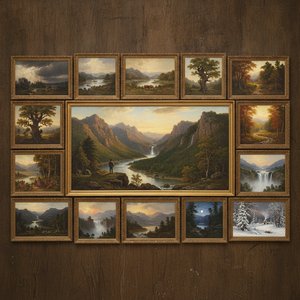
10 Iconic Hudson River School Masterpieces That Changed Landscape Art Forever
Journey through the breathtaking landscapes of the Hudson River School. Explore 10 iconic masterpieces by legends like Thomas Cole and Frederic Church. Find inspiration for museum-quality art reproductions and timeless decor. Discover all masterpieces on OriginalUniqueArt.com.

10 Iconic Hudson River School Masterpieces That Changed American Art
Journey through the breathtaking landscapes of the Hudson River School. From Thomas Cole to Frederic Edwin Church, explore 10 iconic masterpieces that defined American Romanticism. Find museum-quality art reproductions and decor inspiration. Discover all masterpieces on OriginalUniqueArt.com.
The Hudson River School: A Definitive Guide to America's Romantic Landscape Tradition
Explore the profound legacy of the Hudson River School. Discover how masters like Thomas Cole captured the American sublime through Romanticism and Luminism. A definitive guide for art historians and collectors seeking to understand America's wild beauty.

