Previzualizare
 Trimite prin felicitare
 Distribuie
 Detalii despre lucrare
 Ghid
Ghid

 Descarcă imaginea
 Produse similare
 Radiografie
 Galerie foto
 Întrebări și răspunsuri
 Statistici
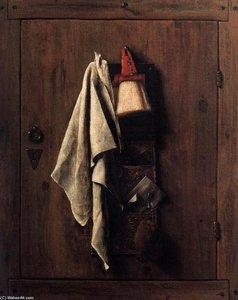
Old Man Looking Through a Window


 Vezi mai mult
Giclée / Imprimare artistică
Printuri giclée sau pe canvas de calitate muzeală, cu proces de producție rapid și opțiuni flexibile de finisare. ( Comandă pictură realizată manual Comută pe Imagine Digitală)




P118B lei10

P118H lei10

P118W lei10

P438Z lei10

P508JH lei12

P508YH lei12

P805H lei10

P805Z lei10

P919BZ lei10

P919G lei10

P919XJ lei10

P959ZH lei10

P968JZ lei12

W106C lei8

W218G lei10

W218JH lei8

W218Y lei10

W307PJ lei10

W316G lei10

W316PJ lei8

W316Y lei10

W398PJ lei8

W4111J lei10

W500HY lei15

W500JH lei15

W692G lei12

W849H lei8

W940BG lei15

W953PJ lei8




Alegeți dintre dimensiunile noastre prestabilite, care respectă proporțiile originale ale operei de artă.

Introduceți lățimea și înălțimea necesare pentru a se potrivi ramei sau peretelui dumneavoastră. O printare poate fi doar tăiată, niciodată extinsă dincolo de dimensiunea imaginii originale, astfel încât o dimensiune cu o formă diferită va pierde o parte din imagine. Vă trimitem o simulare digitală pentru aprobare înainte de a imprima orice. Imaginea afișată pe această pagină nu prezintă tăierea reală — doar simularea arată acest lucru.
Livrare în întreaga lume () în 2 săptămâni, în loc de cele 4/5 săptămâni standard. (9 Noiembrie)

Livrare expres gratuită la nivel mondial

Pânză de in de înaltă calitate

Asigurare completă pentru transport

Garanție de rambursare a taxelor vamale

Garanția fidelității culorilor

Politica de retur în 100 de zile (doar pentru defecte de fabricație)

Garanție de rambursare 100%

Ofertă pentru comenzi multiple
 Opțiunea cu sticlă este disponibilă doar pentru dimensiuni de sub 110 cm

Old Man Looking Through a Window
Giclée / Imprimare artistică
Dimensiune reproducere
-


Preț total calculat
lei 386
A Window Into Eternity: The Melancholy Mastery of Van Hoogstraten
In the quiet, shadowed corners of the Dutch Golden Age, few artists possessed the intellectual depth and technical wizardry of Samuel Dirksz van Hoogstraten. His 1653 masterpiece, "Old Man Looking Through a Window," is far more than a mere portrait; it is a profound psychological journey captured in oil. As we gaze upon the weathered face of the subject, we are not just observing an elderly man, but participating in a carefully orchestrated meditation on time, isolation, and the very nature of perception. The painting serves as a threshold between the viewer’s world and a private, somber reality, inviting us to contemplate the fleeting essence of human existence through the lens of Baroque theatricality.
The composition is anchored by a sense of profound confinement. The subject, positioned centrally, peers through the iron bars of a window, his expression etched with a quiet, lingering sadness. This structural element—the window frame—acts as both a physical barrier and a symbolic gateway. Through Van Hoostraten’s expert use of trompe-l'œil, the boundaries between the canvas and reality begin to blur. The artist invites us into a space where the stone carving of the window frame feels tangible, almost heavy with the weight of history, creating an immersive experience that has captivated collectors and art enthusiasts for centuries.
The Alchemy of Light and Shadow
To understand the emotional gravity of this work, one must look to the artist's masterful command of chiaroscuro. Drawing from the profound influence of his mentor, Rembrandt, Van Hoogstraten employs dramatic contrasts between deep, velvety shadows and piercing highlights to sculpt the man’s features. This technique does not merely illuminate the subject; it breathes life into his very soul. The light catches the subtle textures of his beard and the weary creases around his eyes, revealing a narrative of lived experience, hardship, and reflection. Every brushstroke is executed with the precision of a stone carver, rendering the materiality of the scene—from the cold metal of the bars to the soft, aged skin of the man—with astonishing realism.
For the discerning interior designer or collector, this painting offers an unparalleled sense of gravitas. The interplay of light and dark creates a dynamic energy that can anchor a room, providing a focal point that demands contemplation. It is a piece that does not merely decorate a wall but transforms an environment, infusing it with a sense of historical depth and intellectual curiosity. Whether placed in a sunlit gallery or a moody, library-style study, the painting’s ability to manipulate atmosphere makes it a timeless choice for those seeking art that speaks to the complexities of the human condition.
A Legacy of Illusion and Intellect
Beyond its visual splendor, "Old Man Looking Through a Window" stands as a testament to the philosophical currents of seventeenth-century Europe. Van Hoogstraten was not only a painter but a poet and an art theorist who sought to dissect reality itself. This painting is a manifestation of that scientific and artistic inquiry—a study in how light defines form and how perspective shapes our understanding of truth. The subtle gradations of color and the meticulous attention to texture serve as a bridge between the tangible world and the ephemeral nature of thought.
Owning a high-quality reproduction of this work allows one to bring this piece of Dutch heritage into the modern home. It offers an opportunity to surround oneself with the brilliance of the Baroque era, providing daily inspiration through its masterful execution and hauntingly beautiful subject matter. In every detail, from the heavy stone textures to the melancholic gaze of the old man, lies a story of endurance and the eternal search for meaning through the windows of our own perception.
Întrebări și răspunsuri
Este "Old Man Looking Through a Window" de Samuel van Hoogstraten în domeniul public și care este motivul?
Statutul drepturilor de autor pentru "Old Man Looking Through a Window" - în domeniul public – drepturile de autor au expirat - este determinat de data decesului artistului, în anul 1678.
În ce an a fost creat "Old Man Looking Through a Window" de Samuel van Hoogstraten?
"Old Man Looking Through a Window" de Samuel van Hoogstraten a fost creat(ă) în 1653.
Din ce țară provine lucrarea de Baroque Illusion Intellect „Old Man Looking Through a Window”?
Lucrarea de Baroque Illusion Intellect „Old Man Looking Through a Window” a fost creată de un artist născut în Olanda.
Biografie artist
Samuel Dirksz van Hoogstraten: Unveiling the Secrets of Perception
Samuel Dirksz van Hoogstraten, a name inextricably linked to the brilliance and innovation of the Dutch Golden Age, was far more than just a painter. Born in Dordrecht in 1627, he embodied the era’s spirit of intellectual curiosity, artistic experimentation, and burgeoning mercantile power. He wasn't merely capturing reality on canvas; he was dissecting it, manipulating perception, and delving into the very essence of representation itself. Van Hoogstraten distinguished himself not only through his masterful brushwork but also as a poet, a keen observer of human nature, and a profound art theorist – leaving behind a legacy that extends far beyond the visual realm, permeating the world of ideas and artistic methodology. His journey began within the family workshop of his father, Dirk van Hoogstraten, providing him with an invaluable foundation in artistic principles before he ventured to Amsterdam—the vibrant heart of Dutch artistry during the 17th century. It was there that he entered the prestigious studio of Rembrandt van Rijn, an experience that profoundly shaped his early style and instilled within him a deep appreciation for the subtleties of light and shadow.Rembrandt’s Shadow and the Pursuit of Independence
The undeniable influence of Rembrandt is immediately apparent in Van Hoogstraten's initial works. A portrait from 1645, now housed in the Liechtenstein collection in Vienna, serves as a striking testament to this formative apprenticeship. However, unlike many students who remained firmly tethered to their master’s established style, Van Hoogstraten possessed an insatiable thirst for experimentation and a restless spirit that propelled him beyond mere imitation. He wasn't content to simply replicate Rembrandt’s characteristic *chiaroscuro*; he sought to deconstruct it, analyze its effects with meticulous precision, and ultimately forge his own unique artistic voice – one characterized by a daring interplay of light, color, and perspective. This relentless pursuit of originality led him on extensive travels throughout Europe—to Vienna, Rome, and London—exposing him to diverse artistic traditions, philosophical currents, and the evolving aesthetic sensibilities of each locale. These journeys weren’t merely superficial sightseeing expeditions; they were immersive studies in architecture, spatial relationships, and the nuances of visual perception, fueling his intellectual growth and broadening his artistic horizons. Upon returning to Dordrecht, he married in 1656 and assumed a civic role as provost of the mint, demonstrating a remarkable versatility that extended beyond the confines of the art world.Mastering Illusion: Trompe-l’œil, Perspective Boxes, and the Art of Deception
Van Hoogstraten's artistic prowess truly blossomed in his masterful command of *trompe-l’œil* – a technique designed to deceive the eye. His still lifes weren’t simply arrangements of objects; they were meticulously crafted illusions, imbued with symbolic depth and inviting viewers to contemplate the transient nature of life and the deceptive allure of material possessions. He skillfully manipulated light, shadow, and scale to create an astonishing sense of realism, blurring the boundaries between what was real and what was merely a representation. Simultaneously, he became renowned for his creation of “peepshows” or "perspective boxes"—ingenious devices that offered immersive three-dimensional views into miniature worlds. These weren’t mere novelties; they were sophisticated explorations of perspective and spatial illusion, demonstrating Van Hoogstraten's profound understanding of how the human eye perceives depth and dimension. One such box, currently housed at the National Gallery in London, recreates the interior of a typical Dutch house with astonishing realism when viewed through strategically placed peepholes – offering a captivating glimpse into domestic life. His architectural paintings, such as his 1652 view of the Vienna Hofburg, further showcased his technical skill and meticulous attention to detail, creating an illusion of vastness and grandeur within confined spaces.A Theorist’s Legacy: ‘Inleyding tot de hooge schoole der schilderkonst’
However, Samuel van Hoogstraten's contribution extends far beyond his paintings and perspective boxes. He was a dedicated art theorist who sought to codify the principles of painting in his magnum opus, *Inleyding tot de hooge schoole der schilderkonst: anders de zichtbaere werelt* (Introduction to the Academy of Painting, or The Visible World), published in 1678. This ambitious treatise stands as one of the most comprehensive and intellectually rigorous explorations of art theory produced in the Dutch Republic during the 17th century. Van Hoogstraten delved into complex issues of pictorial persuasion, illusionism, the moral responsibilities of the artist, and the intricate relationship between painting and philosophy – drawing upon a vast range of ancient and modern sources to construct a systematic framework for understanding and practicing the art of painting. He built upon the foundations laid by Karel van Mander in his earlier work, *Het Schilder-Boeck*, seeking to create a more structured and accessible guide for aspiring artists. His writings reflect both international influences gleaned from his travels and contemporary debates within Dutch artistic circles, demonstrating a remarkable intellectual breadth. The treatise wasn’t merely a theoretical exercise; it was a practical manual designed to equip artists with the knowledge and techniques necessary to achieve mastery in their craft.A Lasting Influence
Van Hoogstraten's influence resonated through subsequent generations of artists, notably through his pupils – including his brother Jan van Hoogstraten, Aert de Gelder, Cornelis van der Meulen, and Godfried Schalcken. His legacy is further preserved in the writings of Arnold Houbraken, one of his students who penned a biography of the artist that serves as a valuable primary source of information about his life and work. Samuel Dirksz van Hoogstraten was not simply a painter; he was a polymath—an artist, poet, theorist, and administrator – who embodied the intellectual ferment of the Dutch Golden Age. His innovative techniques, profound insights into perception, and dedication to articulating the principles of art continue to captivate and inspire audiences today, solidifying his position as a master of illusion and intellect whose work transcends time.
Samuel van Hoogstraten
1627 - 1678 , Olanda
Detalii rapide
- Artistic Movement Or Style: Aură de Aur olandeză
- Artists Or Movements Influenced By This Artist: ['Aert de Gelder']
- Artists Who Influenced This Artist: ['Rembrandt van Rijn']
- Date Of Birth: 2 August 1627
- Date Of Death: 19 October 1678
- Full Name: Samuel Dirksz van Hoogstraten
- Nationality: Olandez
- Notable Artworks:
- Portret cu Mathys van den Brouck
- Femeie citind scrisoare
- Place Of Birth: Dordrecht, Olanda
Articole similare

Epoca de Aur Olandeză: 10 Capodopere Care Au Definit Arta și Decorațiunea Interioară
Descoperiți Epoca de Aur Olandeză prin 10 capodopere Rembrandt, Vermeer și alți pictori olandezi. Aflați poveștile din spatele acestor tablouri baroce iconice și inspirați-vă pentru decorațiuni interioare unice. Explorează colecția completă pe OriginalUniqueArt.com!

Golden Light & Dutch Skies: The Timeless Magic of Dutch Golden Age Landscapes
Discover the breathtaking beauty of Dutch Golden Age landscapes. Explore the mastery of light, chiaroscuro, and 17th-century realism through an expert art history lens, celebrating the enduring legacy of the Dutch Masters for discerning collectors and art lovers.

Chiaroscuro and Character: A Definitive Guide to Light and Shadow in the Dutch Baroque Era
Explore the dramatic mastery of the Dutch Baroque era. Discover how masters like Rembrandt used chiaroscuro to transform everyday life into timeless art. An expert guide for collectors and enthusiasts seeking to understand the profound interplay of light and shadow.

Chiaroscuro and Character: A Masterclass in Light and Shadow within Dutch Golden Age Painting
Explore the profound mastery of light and shadow in Dutch Golden Age painting. From chiaroscuro to atmospheric landscapes, discover the techniques that defined an era and learn how to bring these timeless masterpieces into your home through museum-quality oil reproductions.

Golden Age Reflections: Dutch Baroque Painting & Cultural Innovation
Explore the Dutch Golden Age of painting! Discover key artists like Vermeer & ter Borch, their innovative techniques, and the rich cultural context behind these Baroque masterpieces. Learn about collecting & appreciating this iconic art period.