
 Previzualizare
 Trimite
 Distribuie
 Detalii despre lucrare

 Descarcă
 Produse similare
 Radiografie
 Diapozitive automate
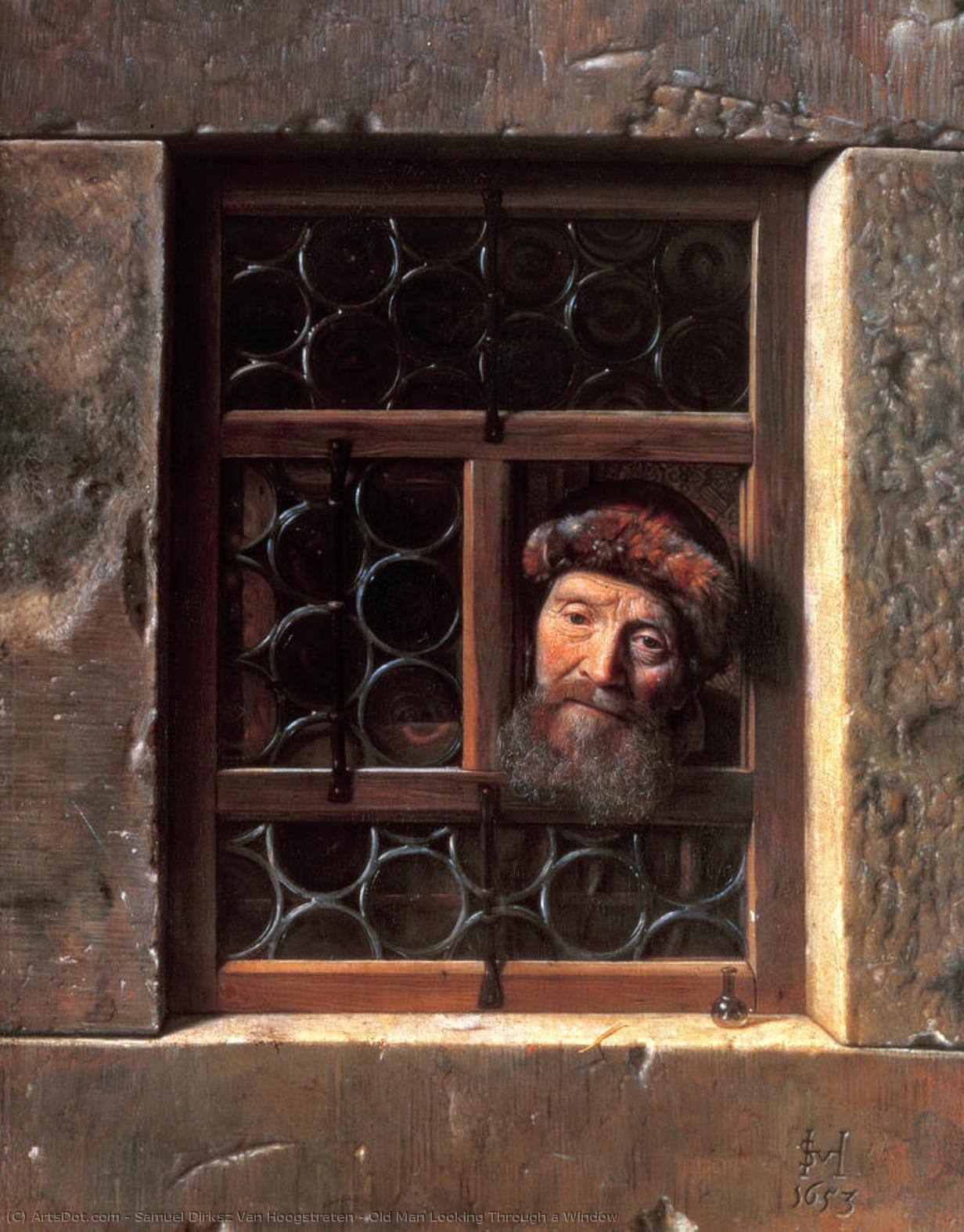
Old Man Looking Through a Window
 Oil On Canvas
- WallArt
- Baroque Illusion Intellect
 1653
1653- Early Modern
 Muzeul Kunsthistorisches din Viena
 Vezi mai mult
Reproducere pictată manual în ulei
Pictură în ulei pe pânză, realizată manual de artiștii noștri la dimensiunea și ramele dorite de dumneavoastră, pe comandă. ( Comandă printul Cumpără imaginea)




P118B $10

P118H $10

P118W $10

P438Z $10

P508JH $12

P508YH $12

P805H $10

P805Z $10

P919BZ $10

P919G $10

P919XJ $10

P959ZH $10

P968JZ $12

W106C $8

W218G $10

W218JH $8

W218Y $10

W307PJ $10

W316G $10

W316PJ $8

W316Y $10

W398PJ $8

W4111J $10

W500HY $15

W500JH $15

W692G $12

W849H $8

W940BG $15

W953PJ $8




Alegeți dintre dimensiunile noastre prestabilite, care respectă proporțiile originale ale operei de artă.

Puteți introduce propriile dimensiuni pentru a se potrivi unui anumit cadru sau spațiu. Dacă dimensiunea selectată nu corespunde proporțiilor imaginii originale, vom decupa opera de artă sau vom extinde pictura cu elemente suplimentare pictate manual. O simulare digitală vă va fi trimisă pentru aprobare înainte de începerea producției.
Vă rugăm să rețineți că previzualizarea de pe ecran nu reflectă decuparea sau extinderea reală. Doar macheta va arăta cu exactitate compoziția finală.
Deși sunt disponibile dimensiuni personalizate, vă recomandăm să selectați o dimensiune din lista predefinită pentru a păstra proporțiile originale.
După plasarea comenzii, echipa OriginalUniqueArt.com va contacta clientul prin e-mail pentru instrucțiuni și îi va furniza o previzualizare a machetei
Livrare în întreaga lume () în 3-4 săptămâni, în loc de cele 5 săptămâni standard. (19 August). Fără compromisuri în ceea ce privește calitatea.

Livrare expres gratuită la nivel mondial

Pânză de in de înaltă calitate

Asigurare completă pentru transport

Garanție de rambursare a taxelor vamale

Garanția fidelității culorilor

Politica de retur în 60 de zile (doar pentru defecte)

Garanție de rambursare 100%

Ofertă pentru comenzi multiple
 Opțiunea cu sticlă este disponibilă doar pentru dimensiuni de sub 110 cm

Old Man Looking Through a Window
Tehnică de reproducere
Dimensiune reproducere
-


Preț total calculat
$ 300
Descriere operă de artă
A Window Into Eternity: Exploring Samuel Dirksz van Hoogstraten’s “Old Man Looking Through a Window”
The painting "Old Man Looking Through a Window," completed in 1653 by Samuel Dirksz van Hoogstraten, stands as a testament to the Baroque mastery that flourished during the Dutch Golden Age. More than just a portrait, it's an intricate meditation on time, isolation, and the elusive nature of perception—themes central to the philosophical currents shaping seventeenth-century Europe. Van Hoogstraten wasn’t merely depicting an elderly man; he was crafting an illusion, inviting the viewer into a carefully constructed space where reality bends to artistic intention.The Baroque Vision: Illusion and Drama
Van Hoogstraten's stylistic allegiance firmly rooted in the Baroque tradition—a movement characterized by grandeur, dynamism, and theatricality—is immediately apparent. Unlike the calmer Renaissance ideals of balance and harmony, Baroque art prioritized emotional impact above all else. The artist skillfully employs chiaroscuro – dramatic contrasts between light and dark – to sculpt the figure’s form and heighten the sense of melancholy that permeates the scene. This technique isn't merely decorative; it serves as a crucial element in conveying psychological depth, mirroring the turbulent inner life of the subject.Technical Precision: Stone Carving Detail
The painting’s meticulous execution reveals Van Hoogstraten’s profound understanding of artistic craft. He approached his work with the precision of a stone carver, painstakingly rendering textures and surfaces to create an astonishingly realistic portrayal. Notice the subtle gradations of color within the man's beard—a feat of brushwork that captures the delicate interplay of light and shadow. Furthermore, Van Hoogstraten’s masterful depiction of the window frame itself contributes significantly to the overall illusion. The artist meticulously recreates the stone carving detail, emphasizing the materiality of the object and grounding the scene in tangible reality.Historical Context: Reflections on Mortality
“Old Man Looking Through a Window” emerged during a period marked by profound anxieties concerning mortality—a preoccupation that permeated artistic discourse throughout Europe. The Baroque era witnessed an increasing fascination with death and decay as artists sought to grapple with existential questions about human existence. This preoccupation is subtly conveyed through the man’s gaze, which appears fixed upon something beyond the window frame—perhaps contemplating eternity or reflecting on the passage of time. The painting serves as a poignant reminder of our own vulnerability and underscores the enduring power of art to confront uncomfortable truths.Symbolism: The Window as Portal
The window itself functions as a powerful symbol within the artwork, representing not merely an architectural feature but also a gateway—both literal and metaphorical—to another realm. Traditionally, windows have been associated with illumination and transcendence, inviting viewers into spaces of contemplation and spiritual insight. In “Old Man Looking Through a Window,” however, the window’s bars suggest confinement and restriction, mirroring the subject's psychological state. The man’s gaze outward is countered by his posture inward—a visual paradox that encapsulates the painting’s central theme: the struggle to reconcile our desire for freedom with the inescapable realities of human experience.Emotional Resonance: A Portrait of Quiet Desolation
Ultimately, “Old Man Looking Through a Window” succeeds in eliciting a profound emotional response from the viewer. The melancholic expression on the old man's face—coupled with the desolate atmosphere created by Van Hoogstraten’s masterful use of light and shadow—captures the essence of quiet desolation. It is a portrait that speaks volumes about human vulnerability and invites contemplation on themes of loss, remembrance, and the acceptance of mortality. This enduring emotional resonance ensures that Van Hoogstraten's masterpiece continues to inspire awe and provoke reflection centuries after its creation.Biografie artist
Samuel Dirksz van Hoogstraten: Unveiling the Secrets of Perception
Samuel Dirksz van Hoogstraten, a name inextricably linked to the brilliance and innovation of the Dutch Golden Age, was far more than just a painter. Born in Dordrecht in 1627, he embodied the era’s spirit of intellectual curiosity, artistic experimentation, and burgeoning mercantile power. He wasn't merely capturing reality on canvas; he was dissecting it, manipulating perception, and delving into the very essence of representation itself. Van Hoogstraten distinguished himself not only through his masterful brushwork but also as a poet, a keen observer of human nature, and a profound art theorist – leaving behind a legacy that extends far beyond the visual realm, permeating the world of ideas and artistic methodology. His journey began within the family workshop of his father, Dirk van Hoogstraten, providing him with an invaluable foundation in artistic principles before he ventured to Amsterdam—the vibrant heart of Dutch artistry during the 17th century. It was there that he entered the prestigious studio of Rembrandt van Rijn, an experience that profoundly shaped his early style and instilled within him a deep appreciation for the subtleties of light and shadow.Rembrandt’s Shadow and the Pursuit of Independence
The undeniable influence of Rembrandt is immediately apparent in Van Hoogstraten's initial works. A portrait from 1645, now housed in the Liechtenstein collection in Vienna, serves as a striking testament to this formative apprenticeship. However, unlike many students who remained firmly tethered to their master’s established style, Van Hoogstraten possessed an insatiable thirst for experimentation and a restless spirit that propelled him beyond mere imitation. He wasn't content to simply replicate Rembrandt’s characteristic *chiaroscuro*; he sought to deconstruct it, analyze its effects with meticulous precision, and ultimately forge his own unique artistic voice – one characterized by a daring interplay of light, color, and perspective. This relentless pursuit of originality led him on extensive travels throughout Europe—to Vienna, Rome, and London—exposing him to diverse artistic traditions, philosophical currents, and the evolving aesthetic sensibilities of each locale. These journeys weren’t merely superficial sightseeing expeditions; they were immersive studies in architecture, spatial relationships, and the nuances of visual perception, fueling his intellectual growth and broadening his artistic horizons. Upon returning to Dordrecht, he married in 1656 and assumed a civic role as provost of the mint, demonstrating a remarkable versatility that extended beyond the confines of the art world.Mastering Illusion: Trompe-l’œil, Perspective Boxes, and the Art of Deception
Van Hoogstraten's artistic prowess truly blossomed in his masterful command of *trompe-l’œil* – a technique designed to deceive the eye. His still lifes weren’t simply arrangements of objects; they were meticulously crafted illusions, imbued with symbolic depth and inviting viewers to contemplate the transient nature of life and the deceptive allure of material possessions. He skillfully manipulated light, shadow, and scale to create an astonishing sense of realism, blurring the boundaries between what was real and what was merely a representation. Simultaneously, he became renowned for his creation of “peepshows” or "perspective boxes"—ingenious devices that offered immersive three-dimensional views into miniature worlds. These weren’t mere novelties; they were sophisticated explorations of perspective and spatial illusion, demonstrating Van Hoogstraten's profound understanding of how the human eye perceives depth and dimension. One such box, currently housed at the National Gallery in London, recreates the interior of a typical Dutch house with astonishing realism when viewed through strategically placed peepholes – offering a captivating glimpse into domestic life. His architectural paintings, such as his 1652 view of the Vienna Hofburg, further showcased his technical skill and meticulous attention to detail, creating an illusion of vastness and grandeur within confined spaces.A Theorist’s Legacy: ‘Inleyding tot de hooge schoole der schilderkonst’
However, Samuel van Hoogstraten's contribution extends far beyond his paintings and perspective boxes. He was a dedicated art theorist who sought to codify the principles of painting in his magnum opus, *Inleyding tot de hooge schoole der schilderkonst: anders de zichtbaere werelt* (Introduction to the Academy of Painting, or The Visible World), published in 1678. This ambitious treatise stands as one of the most comprehensive and intellectually rigorous explorations of art theory produced in the Dutch Republic during the 17th century. Van Hoogstraten delved into complex issues of pictorial persuasion, illusionism, the moral responsibilities of the artist, and the intricate relationship between painting and philosophy – drawing upon a vast range of ancient and modern sources to construct a systematic framework for understanding and practicing the art of painting. He built upon the foundations laid by Karel van Mander in his earlier work, *Het Schilder-Boeck*, seeking to create a more structured and accessible guide for aspiring artists. His writings reflect both international influences gleaned from his travels and contemporary debates within Dutch artistic circles, demonstrating a remarkable intellectual breadth. The treatise wasn’t merely a theoretical exercise; it was a practical manual designed to equip artists with the knowledge and techniques necessary to achieve mastery in their craft.A Lasting Influence
Van Hoogstraten's influence resonated through subsequent generations of artists, notably through his pupils – including his brother Jan van Hoogstraten, Aert de Gelder, Cornelis van der Meulen, and Godfried Schalcken. His legacy is further preserved in the writings of Arnold Houbraken, one of his students who penned a biography of the artist that serves as a valuable primary source of information about his life and work. Samuel Dirksz van Hoogstraten was not simply a painter; he was a polymath—an artist, poet, theorist, and administrator – who embodied the intellectual ferment of the Dutch Golden Age. His innovative techniques, profound insights into perception, and dedication to articulating the principles of art continue to captivate and inspire audiences today, solidifying his position as a master of illusion and intellect whose work transcends time.
Samuel van Hoogstraten
1627 - 1678 , Olanda
Detalii rapide
- Artistic Movement Or Style: Aură de Aur olandeză
- Artists Or Movements Influenced By This Artist: ['Aert de Gelder']
- Artists Who Influenced This Artist: ['Rembrandt van Rijn']
- Date Of Birth: 2 August 1627
- Date Of Death: 19 October 1678
- Full Name: Samuel Dirksz van Hoogstraten
- Nationality: Olandez
- Notable Artworks:
- Portret cu Mathys van den Brouck
- Femeie citind scrisoare
- Place Of Birth: Dordrecht, Olanda
Articole similare

Chiaroscuro and Character: A Definitive Guide to Light and Shadow in the Dutch Baroque Era
Explore the dramatic mastery of the Dutch Baroque era. Discover how masters like Rembrandt used chiaroscuro to transform everyday life into timeless art. An expert guide for collectors and enthusiasts seeking to understand the profound interplay of light and shadow.

Golden Light & Dutch Skies: The Timeless Magic of Dutch Golden Age Landscapes
Discover the breathtaking beauty of Dutch Golden Age landscapes. Explore the mastery of light, chiaroscuro, and 17th-century realism through an expert art history lens, celebrating the enduring legacy of the Dutch Masters for discerning collectors and art lovers.

Golden Age Reflections: Dutch Baroque Painting & Cultural Innovation
Explore the Dutch Golden Age of painting! Discover key artists like Vermeer & ter Borch, their innovative techniques, and the rich cultural context behind these Baroque masterpieces. Learn about collecting & appreciating this iconic art period.

Chiaroscuro and Character: A Masterclass in Light and Shadow within Dutch Golden Age Painting
Explore the profound mastery of light and shadow in Dutch Golden Age painting. From chiaroscuro to atmospheric landscapes, discover the techniques that defined an era and learn how to bring these timeless masterpieces into your home through museum-quality oil reproductions.

Epoca de Aur Olandeză: 10 Capodopere Care Au Definit Arta și Decorațiunea Interioară
Descoperiți Epoca de Aur Olandeză prin 10 capodopere Rembrandt, Vermeer și alți pictori olandezi. Aflați poveștile din spatele acestor tablouri baroce iconice și inspirați-vă pentru decorațiuni interioare unice. Explorează colecția completă pe OriginalUniqueArt.com!



