Contemporary Minimalism · 2010
Untitled (Rudolf Stingel, 2010)
Rudolf Stingel (1956) a realizat Untitled. Data sa este din 2010. Face parte din mișcarea Contemporary Minimalism. Este realizată în Acrylic On Canvas. Este păstrat la Palazzo Grassi în Veneția, Italia. Dimensiunile sunt 40 × 33 cm.
- 2010
- Acrylic On Canvas
- 40 × 33 cm
- Palazzo Grassi, Veneția

 Previzualizare

 Tablou în ulei pictat manual
 Trimite prin felicitare
 Distribuie
 Fișă informativă


 Descarcă imaginea
 Produse similare
 Radiografie
 Galerie foto
 Întrebări și răspunsuri

 Statistici
Untitled, pe scurt
- Titlu
- Untitled
- Artist
- Rudolf Stingel (1956)
- Artist născut în
- Merano, Italia
- Date
- 2010
- Medium
- Acrylic On Canvas
- Dimensiuni
- 40 × 33 cm
- Unde poate fi vizualizată
- Palazzo Grassi, Veneția, Italia
- Mișcare
- Contemporary Minimalism
- Subiect
- texture, monochrome, sculpture, rhino, geometric, impasto
Ce reprezintă Untitled?
Rudolf Stingel’s ‘Untitled’: A Dialogue Between Medieval Iconography and Industrial Texture
Rudolf Stingel's oeuvre defies easy categorization, presenting an artist who consistently interrogates the boundaries between art and everyday life. His work isn’t merely aesthetically pleasing; it compels viewers to contemplate their own perceptions of beauty and artistic process—a deliberate provocation that distinguishes him from many contemporary practitioners. This essay delves into the conceptual core of ‘Untitled,’ examining its striking monochrome sculpture, exploring its fusion of disparate influences, and uncovering the profound emotional resonance embedded within its textured surface.The Sculpture’s Genesis: Material Transformation
Stingel's artistic approach begins with a radical reimagining of conventional materials. Rather than relying on traditional mediums like oil paint or marble, he utilizes industrial components—primarily styrofoam and cast polyurethane—to construct monumental sculptures that challenge preconceived notions about artistic expression. This deliberate selection speaks to Stingel’s fascination with the intersection between craft and industry, mirroring the broader cultural shift towards embracing repurposed materials and questioning established hierarchies within the art world. The process itself is equally significant: Stingel meticulously carves out geometric forms from these blocks of polyurethane, imprinting them with intricate patterns reminiscent of medieval iconography—a deliberate juxtaposition designed to disrupt visual expectations.Medieval Echoes: Symbolism and Iconographic Influence
The sculpture’s surface bears unmistakable traces of religious symbolism. Recurring motifs – crosses, halos, and stylized figures – echo the traditions of European art history, specifically referencing Byzantine icons and Renaissance frescoes. Stingel isn't attempting a literal representation; instead, he employs these symbols as points of reference to stimulate contemplation about faith, spirituality, and the enduring power of visual imagery. This layering of references elevates ‘Untitled’ beyond mere sculptural form, transforming it into a vehicle for conveying complex ideas about cultural heritage and artistic interpretation. The artist’s intention is not simply to reproduce recognizable images but to engage in a dialogue with art history itself.Texture as Emotional Resonance: Technique and Material Exploration
The sculpture's surface possesses an extraordinary tactile quality—a deliberate departure from the smooth, polished finishes typical of classical sculpture. Stingel employs a technique known as ‘carving out,’ where he removes material from the polyurethane block to reveal underlying textures that are then painstakingly smoothed and polished. This process creates surfaces that appear both monumental and subtly vulnerable, mirroring the artist’s exploration of materiality as an expressive medium. The resulting texture is deliberately uneven, capturing the marks of the carving process and emphasizing the physicality of the artwork—a conscious decision to counteract the perceived detachment of abstract sculpture and foster a connection between viewer and object.A Reflection on Perception: Artistic Intent
Ultimately, ‘Untitled’ serves as a meditation on how we perceive art and its relationship to our environment. Stingel's masterful manipulation of industrial material alongside classical iconography compels us to reconsider what constitutes beauty and artistic significance. The sculpture invites viewers to engage in an active process of interpretation—to consider the interplay between tradition and innovation, materiality and symbolism. It’s a testament to Stingel’s belief that art should provoke thought and emotion, pushing beyond mere visual gratification toward a deeper understanding of human experience.Concluding Thoughts: Beyond Representation
‘Untitled’ exemplifies Stingel's commitment to conceptual painting and installations—a genre characterized by its focus on ideas rather than literal depictions. He prioritizes the process of creation itself, demonstrating how readily available materials can be transformed into artworks that resonate with profound emotional depth. By juxtaposing industrial texture with religious iconography, Stingel compels us to confront our assumptions about art’s role in shaping cultural consciousness—a legacy that secures his place as one of the most distinctive voices in contemporary sculpture.În ce muzeu se află Untitled?
Palazzo Grassi
Veneția, Italia
O Capodoperă Venețiană Reimaginată: Sufletul Palazzo Grassi În inima Veneției, unde Canalul Mare șoptește secrete despre un imperiu maritim de demult dispărut, se înalță Palazzo Grassi — o structură ce servește drept un pod uluitor între eleganța clasică a secolului al XVIII-lea și pulsul provocator al erei contemporane. A păși pragul acestuia înseamnă a intra într-un spațiu în care istoria nu doar că rezidă în trecut, ci conversaționează activ cu prezentul. Conceput inițial de arhitectul Giorgio Massari pentru aristocratica familie Grassi, palazzo a fost proiectat ca o declarație rafinată de măreție neoclasică.


Imagini la înaltă rezoluție ale lui Untitled

Protected by copyright: these files are for personal reference, not a licence to republish.
Rudolf Stingel, Untitled (2010), Palazzo Grassi.
Întrebări despre Untitled, răspunsuri
Unde poate fi vizualizată astăzi opera "Untitled" de Rudolf Stingel?
Originalul "Untitled" de Rudolf Stingel este păstrat la Palazzo Grassi, Veneția, Italia. O reproducere permite expunerea operei în propria locuință.
În ce an a fost creat "Untitled" de Rudolf Stingel?
"Untitled" de Rudolf Stingel a fost creat(ă) în 2010.
Ce tehnică a fost utilizată pentru "Untitled" de Rudolf Stingel?
"Untitled" este realizat în Acrylic On Canvas."
Ce dimensiuni are "Untitled" de Rudolf Stingel în realitate?
Dimensiunile înregistrate pentru "Untitled" de Rudolf Stingel sunt 33 x 40 cm. Reproducerile pot fi comandate în alte dimensiuni, păstrând aceleași proporții.
Ce reprezintă "Untitled"?
"Untitled" de Rudolf Stingel surprinde: texture, monochrome, sculpture, rhino, geometric, impasto, religion.
Imaginea pentru "Untitled" de Rudolf Stingel poate fi reprodusă liber?
Statusul drepturilor de autor pentru "Untitled" de Rudolf Stingel: opera este încă protejată de drepturile de autor. Acest lucru determină dacă reproducerile imaginii pot fi realizate liber.
Cine a creat "Untitled"?
Artistul din spatele operei „Untitled” este Rudolf Stingel. Lucrarea este catalogată sub numele lui Rudolf Stingel.
Din ce stil face parte "Untitled"?
"Untitled" de Rudolf Stingel face parte din mișcarea Contemporary Minimalism. Acest curent oferă contextul stilistic al operei.
Din ce perioadă a carierei lui Rudolf Stingel face parte „Untitled”?
În cariera lui Rudolf Stingel, „Untitled” aparține perioadei Late Period. Această etapă facilitează compararea sa cu celelalte opere ale artistului.
Despre artistul Rudolf Stingel
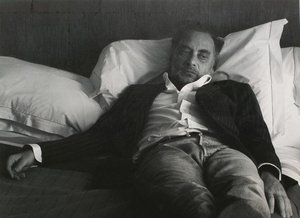
1956, Italia
Rudolf Stingel
Rudolf Stingel: O Biografie Naștere: Merano, Italia (1956) <Reședință actuală: New York, SUA <Naționalitate: Italiană Primii Pași și Evoluția Artistică Rudolf Stingel a început să strălucească ca o figură de prim rang în peisajul artistic de la sfârșitul anilor '80. Inițial recunoscut pentru picturile sale monocromatice, aceste opere, create în principal între 1987 și 1994, erau marcate de suprafețe argintii cu nuanțe subtile de roșu, galben sau albastru. Această perioadă incipientă a pus bazele interesului profund al lui Stingel pentru explorarea suprafeței și a percepției vizuale. Dezvoltarea sa artistică a luat o întorsătură decisivă în anii '90, pe măsură ce a început să experimenteze cu texturi și culori mult mai vibrante.
Despre Rudolf Stingel Lucrări remarcabile ale lui Rudolf Stingel
Eseuri despre Untitled
 Spontaneity and Matter: Distinguishing CoBrA from Art InformelMaster the differences between CoBrA and Art Informel with our expert guide. Learn to identify these post-war movements today.
 10 Iconic Masterpieces Defining the Contemporary Art EraExplore 10 iconic works defining the contemporary era. Discover museum-quality masterpieces on OriginalUniqueArt.com.
 Color & Emotion: The 25 Most Iconic Masterpieces by Mark RothkoImmerse yourself in the profound emotion of Abstract Expressionism. Explore 25 iconic Mark Rothko masterpieces, from his signature color fi…