

 Previzualizare
 Trimite
 Distribuie
 Detalii despre lucrare

 Descarcă
 Produse similare
 Radiografie
 Diapozitive automate
Saint George and the Dragon
 Acrylic On Canvas
- WallArt
- Early Netherlandish Painting
 1435
1435- Early Medieval
 24.0 x 20.0 cm
 Vezi mai mult
Giclée / Imprimare artistică
Printuri giclée sau pe canvas de calitate muzeală, cu proces de producție rapid și opțiuni flexibile de finisare. ( Comandă pictură lucrată manual Cumpără imaginea)




P118B $10

P118H $10

P118W $10

P438Z $10

P508JH $12

P508YH $12

P805H $10

P805Z $10

P919BZ $10

P919G $10

P919XJ $10

P959ZH $10

P968JZ $12

W106C $8

W218G $10

W218JH $8

W218Y $10

W307PJ $10

W316G $10

W316PJ $8

W316Y $10

W398PJ $8

W4111J $10

W500HY $15

W500JH $15

W692G $12

W849H $8

W940BG $15

W953PJ $8




Alegeți dintre dimensiunile noastre prestabilite, care respectă proporțiile originale ale operei de artă.

Puteți introduce propriile dimensiuni pentru a se potrivi unui anumit cadru sau spațiu. Dacă dimensiunea selectată nu corespunde proporțiilor imaginii originale, vom decupa lucrarea de artă sau vom extinde imaginea cu margini oglindite sau cu o culoare uniformă. Un mockup digital va fi trimis pentru aprobarea dumneavoastră înainte de începerea producției.
Vă rugăm să rețineți că previzualizarea de pe ecran nu reflectă decuparea sau extinderea reală. Doar mockup-ul va arăta cu exactitate compoziția finală.
Deși dimensiunile personalizate sunt disponibile, vă recomandăm să selectați o dimensiune din lista predefinită pentru a păstra proporțiile originale.
Livrare în întreaga lume () în 2 săptămâni, în loc de cele 4/5 săptămâni standard. (6 Septembrie)

Livrare expres gratuită la nivel mondial

Pânză de in de înaltă calitate

Asigurare completă pentru transport

Garanție de rambursare a taxelor vamale

Garanția fidelității culorilor

Politica de retur în 100 de zile (doar pentru defecte)

Garanție de rambursare 100%

Ofertă pentru comenzi multiple
 Opțiunea cu sticlă este disponibilă doar pentru dimensiuni de sub 110 cm

Saint George and the Dragon
Giclée / Imprimare artistică
Dimensiune reproducere
-


Preț total calculat
$ 80
A Dramatic Narrative in Silver and Crimson: Rogier van der Weyden’s “Saint George and the Dragon”
Rogier van der Weyden's "Saint George and the Dragon," painted in 1435, isn’t merely a depiction of a legendary hero; it’s a meticulously crafted tableau brimming with symbolic weight and rendered with an almost unsettling realism. This vertical composition, measuring a modest 24 x 20 cm, immediately draws the viewer into a scene of intense action and profound moral struggle. The painting pulsates with a palpable tension – the rearing horse, the straining lance, the dragon’s menacing posture – all contributing to a narrative that transcends simple heroism and delves into themes of faith, courage, and the triumph of good over evil.
Van der Weyden's mastery is immediately evident in his painstaking attention to detail. The armor of Saint George, gleaming silver and flawlessly rendered, speaks volumes about his training as a goldsmith; it’s not simply painted metal but an illusion of tactile reality. The rich burgundy-red banners unfurling behind him are equally impressive, their folds and textures suggesting movement and drama. Conversely, the dragon itself is a study in reptilian power – its olive-green scales, royal-blue stripe, and forked tongue all contribute to a terrifyingly lifelike portrayal of primal force. The scattered skulls and bones at the base of the beast underscore the cost of this victory, reminding us that even triumph carries a price.
The Anatomy of Emotion: Van der Weyden’s Technique
Van der Weyden was renowned for his ability to imbue his figures with an extraordinary degree of psychological depth. This is particularly evident in the portrayal of Saint George himself. His pale peach face, framed by brown hair and bare feet, suggests a vulnerability beneath the armor – a humanity that elevates him beyond a simple symbol of virtue. The woman kneeling before the scene, draped in a translucent veil and adorned with blue and gold fabrics, embodies both piety and sorrow; her expression hints at a quiet reverence for the sacrifice being made. The artist’s use of *sfumato*, a subtle blurring technique, softens edges and creates an atmospheric depth that anchors the entire composition.
Technically, the painting showcases Van der Weyden's innovative approach to oil paint – a relatively new medium at the time. He employed layering techniques to achieve incredible luminosity and detail, particularly in the rendering of fabrics and armor. The way light catches on the silver, reflecting off the lance, is a testament to his understanding of how color interacts with form. The diagonal thrust of the lance, dominating the composition, not only directs the viewer’s eye but also symbolizes the decisive action required to overcome evil.
Symbolism and Context: A Medieval Tapestry
“Saint George and the Dragon” is rich in symbolic meaning, deeply rooted in medieval Christian iconography. Saint George's slaying of the dragon was a potent symbol of Christ’s victory over sin and death – a narrative frequently depicted throughout the Middle Ages. The setting itself—a village with buildings lining a body of water—represents the world being redeemed by faith. The distant castle, visible on the ridge above the kneeling woman, could symbolize the authority of the Church, reinforcing the moral message of the scene.
Painted in 1435, this work reflects the burgeoning artistic sophistication of Early Netherlandish painting. It’s a period marked by an increasing interest in realism and naturalism, driven by the patronage of wealthy merchants and nobles. Van der Weyden's meticulous attention to detail and his ability to capture human emotion were highly valued, establishing him as one of the most influential artists of his time. The inclusion of elements like the dog near the bottom left corner adds a touch of earthly realism, grounding the fantastical narrative in a recognizable world.
A Timeless Masterpiece: Reproduction Possibilities
OriginalUniqueArt offers exquisite hand-painted reproductions of Rogier van der Weyden’s “Saint George and the Dragon,” meticulously recreating every nuance of this iconic work. Whether you're an art collector, interior designer seeking a statement piece, or simply captivated by the drama and symbolism of this painting, our reproductions provide a stunning way to bring this masterpiece into your home or office. Each reproduction is created using archival-quality materials and techniques, ensuring that it will retain its beauty and vibrancy for generations to come. Consider how the rich colors and dynamic composition would complement a variety of interior styles – from traditional to contemporary.
Biografie artist
A Master of Emotion: The Life and Legacy of Rogier van der Weyden
Rogier van der Weyden, a name synonymous with profound emotional depth and meticulous realism in 15th-century art, emerged from the bustling city of Tournai, Belgium. Born around 1400, his early life remains shrouded in some mystery, though it’s believed he began his artistic journey not with brushes and pigments, but as a skilled goldsmith – a training that undoubtedly instilled within him an unwavering dedication to detail and a refined appreciation for craftsmanship. This formative experience translated into the exquisite rendering of textures, fabrics, and expressions that define his most celebrated works. He wasn't merely depicting reality; he was recreating it with painstaking accuracy, imbued with an almost reverent attention to every nuance.From Tournai to the Court of Burgundy: A Rising Star
By 1427, van der Weyden had firmly established himself as a master within the Guild of Saint Luke in Tournai – a significant milestone that solidified his professional standing and opened doors to prestigious commissions. His career truly took flight when he entered the service of Philip the Good, Duke of Burgundy, in 1435. This patronage proved transformative, providing him with financial security, access to an elite circle of influence, and exposure to some of the most discerning eyes of the era. During this period, van der Weyden’s artistic vision underwent a significant evolution, moving away from the somewhat rigid conventions prevalent in earlier Netherlandish painting towards a more emotionally resonant and naturalistic approach. He wasn't simply painting religious scenes; he was striving to evoke genuine feeling in the viewer, creating an experience that transcended mere observation – a shift that would profoundly shape his legacy.The Language of Feeling: Style and Technique
Rogier van der Weyden’s artistic signature is immediately recognizable through several defining characteristics. His palette was remarkably rich and diverse, a vibrant tapestry of colors carefully chosen to avoid repetition and create depth and complexity within his compositions. He possessed an extraordinary ability to convey profound emotion – *pathos* – particularly in depictions of religious subjects like the Lamentation, where grief and sorrow are palpable. This emotional intensity wasn’t achieved through dramatic gestures or exaggerated expressions; rather, it was subtly woven into the very fabric of the painting, conveyed through delicate nuances of facial expression, body language, and composition. His figures, while adhering to the conventions of the time, demonstrate a growing interest in realistic representation – not just in anatomy and drapery, but also in capturing the psychological states of his subjects. They possess a dignified, almost sculptural quality, particularly evident in his grand triptychs, lending them an air of solemnity and reverence. He masterfully employed oil paint, building up layers of translucent glazes to achieve luminous effects and create a sense of depth and realism that was revolutionary for its time.Notable Works and Enduring Masterpieces
Throughout his prolific career, van der Weyden produced numerous works that stand as testaments to his artistic prowess. *St Luke Drawing a Portrait of the Madonna*, housed in the Museum of Fine Arts, Boston, showcases his mastery of oil on panel and meticulous observation. The *Lamentation*, residing in the Musée des Beaux-Arts Tournai, Belgium, is perhaps his most celebrated work – a powerfully emotive depiction of Christ’s mourning, renowned for its dramatic use of *chiaroscuro* and its ability to evoke profound sorrow in the viewer. Multiple versions of *The Deposition* exist, each demonstrating his skill in conveying grief and drama with breathtaking sensitivity. The *Annunciation*, a masterpiece of refined style and attention to detail, exemplifies his ability to imbue even the most traditional subjects with a sense of freshness and vitality. And finally, the intricate and richly detailed *Bladelin Triptych* stands as a monumental achievement – a complex altarpiece that showcases the full range of van der Weyden’s artistic abilities. These works, and many others, continue to captivate audiences today, solidifying his position as one of the most important painters of the 15th century.Lasting Influence: A Legacy Forged in Paint
Van der Weyden's influence extended far beyond the borders of his native Flanders. His works were highly sought after throughout Europe, particularly in Italy and Spain, where they introduced a new level of emotional depth and naturalism to local artistic traditions. Although his fame experienced a period of relative decline in the 17th century, a rediscovery during the 19th century cemented his place as one of the most important painters of the 15th century. He stands alongside Jan van Eyck and Robert Campin as one of the “three great” Early Flemish masters, each contributing uniquely to the development of Northern Renaissance art. His innovative techniques and emotionally charged compositions paved the way for future generations of artists, inspiring countless imitators and influencing the course of Western painting for centuries to come. He helped establish oil painting as the dominant medium and elevated the status of the artist within society, transforming them from skilled craftsmen into revered creators. Rogier van der Weyden’s legacy continues to resonate today, a testament to his enduring genius and his profound understanding of the human condition.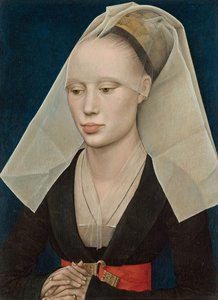
Rogier van der Weyden
1400 - 1464 , Belgia
Detalii rapide
- Artistic Movement Or Style: Pictura flamandă timpurie
- Artists Or Movements Influenced By This Artist:
- Renascere italiană
- Pictura flamandă
- Artists Who Influenced This Artist:
- Robert Campin
- Jan van Eyck
- Date Of Birth: c. 1400
- Date Of Death: 1464
- Full Name: Rogier van der Weyden
- Nationality: Belgian
- Notable Artworks:
- Lamentație
- Depunerea de la cruce
- Anunțarea Mariei
- Place Of Birth: Tournai, Belgia
Articole similare

Renașterea Netherlandeză Timpurie: 10 Capodopere Esențiale pentru Decorul de Lux
Descoperiți 10 capodopere ale Renașterii Netherlandeze timpurii! Jan van Eyck, Robert Campin și alți maeștri. Reproduceri de tablouri de lux pentru un decor artistic unic. Explorează colecția completă pe OriginalUniqueArt.com

Georges Braque: Cele Mai Iconice 25 De Opere – Artă Modernă pentru Decorul Tău
Descoperă cele mai importante 25 de opere ale lui Georges Braque, pionier al cubismului! Explorează istoria, tehnicile și semnificația fiecărei picturi. Reproduceri artă de calitate muzeală pentru decorul tău pe OriginalUniqueArt.com.

Top 10 Capodopere ale Picturii Netherlandeze Timpurii: Frumusețe și Simbolism pentru Decorul Tău
Descoperă top 10 capodopere ale picturii netherlandeze timpurii! Jan van Eyck, Robert Campin și alți maeștri renascentiști. Află poveștile din spatele simbolismului bogat și tehnicilor inovatoare. Reproduceri de artă de calitate muzeală pe OriginalUniqueArt.com.

Rogier van der Weyden: Emotion, Innovation & the Early Netherlandish Renaissance
Explore the revolutionary art of Rogier van der Weyden, a pivotal figure of the Early Netherlandish Renaissance. Discover his emotional realism, innovative compositions, and lasting impact on painting history.

Georges Seurat: Cele Mai Remarcabile 25 de Opere – Artă, Decorațiuni și Inspirație
Descoperă cele mai frumoase 25 de picturi ale lui Georges Seurat! Explorează arta Pointillismului, culorile vibrante și stilul unic al acestui maestru impresionist. Reproduceri de calitate superioară pentru decor interior rafinat pe OriginalUniqueArt.com.


