

 Previzualizare
 Trimite
 Distribuie
 Detalii despre lucrare

 Descarcă
 Produse similare
 Radiografie
 Diapozitive automate
 Statistici
Tripticul Pierre Bladelin (detaliu)
 Ulei pe pânză
- Artă de perete
- Pictură timpurie neterlandeză
 1445
1445- Renașterea
 Muzeele Statale din Berlin
 Vezi mai mult
Reproducere pictată manual în ulei
Pictură în ulei pe pânză, realizată manual de artiștii noștri la dimensiunea și ramele dorite de dumneavoastră, pe comandă. ( Comută pe Print Comută pe Imagine Digitală)




P118B $10

P118H $10

P118W $10

P438Z $10

P508JH $12

P508YH $12

P805H $10

P805Z $10

P919BZ $10

P919G $10

P919XJ $10

P959ZH $10

P968JZ $12

W106C $8

W218G $10

W218JH $8

W218Y $10

W307PJ $10

W316G $10

W316PJ $8

W316Y $10

W398PJ $8

W4111J $10

W500HY $15

W500JH $15

W692G $12

W849H $8

W940BG $15

W953PJ $8




Alegeți dintre dimensiunile noastre prestabilite, care respectă proporțiile originale ale operei de artă.

Puteți introduce propriile dimensiuni pentru a se potrivi unui anumit cadru sau spațiu. Dacă dimensiunea selectată nu corespunde proporțiilor imaginii originale, vom decupa opera de artă sau vom extinde pictura cu elemente suplimentare pictate manual. O simulare digitală vă va fi trimisă pentru aprobare înainte de începerea producției.
Vă rugăm să rețineți că previzualizarea de pe ecran nu reflectă decuparea sau extinderea reală. Doar macheta va arăta cu exactitate compoziția finală.
Deși sunt disponibile dimensiuni personalizate, vă recomandăm să selectați o dimensiune din lista predefinită pentru a păstra proporțiile originale.
După plasarea comenzii, echipa OriginalUniqueArt.com va contacta clientul prin e-mail pentru instrucțiuni și îi va furniza o previzualizare a machetei
Livrare în întreaga lume () în 3-4 săptămâni, în loc de cele 5 săptămâni standard. (13 Septembrie). Fără compromisuri în ceea ce privește calitatea.

Livrare expres gratuită la nivel mondial

Pânză de in de înaltă calitate

Asigurare completă pentru transport

Garanție de rambursare a taxelor vamale

Garanția fidelității culorilor

Politica de retur de 100 de zile (doar pentru defecte)

Garanție de rambursare 100%

Ofertă pentru comenzi multiple
 Opțiunea cu sticlă este disponibilă doar pentru dimensiuni de sub 110 cm

Tripticul Pierre Bladelin (detaliu)
Tehnică de reproducere
Dimensiune reproducere
-


Preț total calculat
$ 400
O viziune a credinței: *Tripticul Pierre Bladelin (detaliu)* de Rogier van der Weyden
Acest detaliu excepțional din capodopera lui Rogier van der Weyden oferă o privire captivantă asupra inimii artei flamande din secolul al XV-lea, dezvăluind un moment profund de devotament religios și conexiune umană.Scena înfățișată reprezintă o parte din Adorația Magi, un episod crucial din povestea Nașterii. Suntem martorii culminației călătoriei oamenilor înțelepți, în timp ce aceștia se apropie de pruncul Iisus, de Maria și de Iosif. Compoziția, chiar și în acest detaliu, pare plină de reverență; figurile sunt dispuse cu grijă pentru a atrage privirea către familia sfântă centrală. Prezent este, în mod notabil, Sfântul Francis, care ține o lumânare – o includere emoționantă ce adaugă un alt strat de semnificație spirituală. Un înger privește din partea dreaptă, completând această adunare cerească.
Stilul lui Van der Weyden este instantaneu recunoșcut aici, întrunind trăsăturile emblematice ale școlii flamande timpurii: o atenție meticuloasă la detalii, o colorare bogată și o calitate aproape sculpturală în reprezentarea figurilor. Artistul folosește magistral pictura în ulei, construind straturi de glazuri subțiri pentru a obține o luminozitate și o profunzime remarcabile. Perspectiva, deși nu este complet dezvoltată conform standardelor Renașterii, creează interes spațial prin suprapunerea atentă a formelor. Liniile sunt precise și bine definite, contribuind la un sentiment de eleganță structurată.
Scena Adorației este plină de simbolism. Ea reprezintă recunoașterea lui Iisus ca Mesia atât de către popoarele evreiești, cât și de cele neevreiești – un mesaj universal de credință. Darurile aduse de Magi simbolizează regalitatea, divinitatea și umanitatea lui Hristos. Prezența Sfântului Francis subliniază temele pietății, umilinței și devotamentului, reflectând influența franciscană în creștere în această perioadă. Întreaga scenă vorbește despre sosirea grației divine în lume.
Rogier van der Weyden (aprox. 1400-1464) a fost unul dintre cei mai căutați artiști ai timpului său, servind ca pictor curtenesc pentru Filip cel Bun, Duce al Burgundiei. Operele sale erau extrem de prețuite și circulau în întreaga Europă, influențând generații întregi de artiști. Tripticul Pierre Bladelin, comisionat de un bogat negustor din Bruxelles, exemplifică gustul sofisticat și fervoarea religioasă a curții burgundeze. Capacitatea lui Van der Weyden de a transmite emoție și profunzime psihologică l-a distins clar de contemporanii săi.
Acest detaliu evocă un sentiment de reverență liniștită și spiritualitate profundă. Lumina dramatică, cu contrastul său puternic între lumină și umbră, intensifică forța emoțională a scenei. Paleta de culori calde – dominată de roșu, aur și maro – creează o senzație de căldură și intimitate.
Caracteristici cheie pe scurt:
Biografie artist
A Master of Emotion: The Life and Legacy of Rogier van der Weyden
Rogier van der Weyden, a name synonymous with profound emotional depth and meticulous realism in 15th-century art, emerged from the bustling city of Tournai, Belgium. Born around 1400, his early life remains shrouded in some mystery, though it’s believed he began his artistic journey not with brushes and pigments, but as a skilled goldsmith – a training that undoubtedly instilled within him an unwavering dedication to detail and a refined appreciation for craftsmanship. This formative experience translated into the exquisite rendering of textures, fabrics, and expressions that define his most celebrated works. He wasn't merely depicting reality; he was recreating it with painstaking accuracy, imbued with an almost reverent attention to every nuance.From Tournai to the Court of Burgundy: A Rising Star
By 1427, van der Weyden had firmly established himself as a master within the Guild of Saint Luke in Tournai – a significant milestone that solidified his professional standing and opened doors to prestigious commissions. His career truly took flight when he entered the service of Philip the Good, Duke of Burgundy, in 1435. This patronage proved transformative, providing him with financial security, access to an elite circle of influence, and exposure to some of the most discerning eyes of the era. During this period, van der Weyden’s artistic vision underwent a significant evolution, moving away from the somewhat rigid conventions prevalent in earlier Netherlandish painting towards a more emotionally resonant and naturalistic approach. He wasn't simply painting religious scenes; he was striving to evoke genuine feeling in the viewer, creating an experience that transcended mere observation – a shift that would profoundly shape his legacy.The Language of Feeling: Style and Technique
Rogier van der Weyden’s artistic signature is immediately recognizable through several defining characteristics. His palette was remarkably rich and diverse, a vibrant tapestry of colors carefully chosen to avoid repetition and create depth and complexity within his compositions. He possessed an extraordinary ability to convey profound emotion – *pathos* – particularly in depictions of religious subjects like the Lamentation, where grief and sorrow are palpable. This emotional intensity wasn’t achieved through dramatic gestures or exaggerated expressions; rather, it was subtly woven into the very fabric of the painting, conveyed through delicate nuances of facial expression, body language, and composition. His figures, while adhering to the conventions of the time, demonstrate a growing interest in realistic representation – not just in anatomy and drapery, but also in capturing the psychological states of his subjects. They possess a dignified, almost sculptural quality, particularly evident in his grand triptychs, lending them an air of solemnity and reverence. He masterfully employed oil paint, building up layers of translucent glazes to achieve luminous effects and create a sense of depth and realism that was revolutionary for its time.Notable Works and Enduring Masterpieces
Throughout his prolific career, van der Weyden produced numerous works that stand as testaments to his artistic prowess. *St Luke Drawing a Portrait of the Madonna*, housed in the Museum of Fine Arts, Boston, showcases his mastery of oil on panel and meticulous observation. The *Lamentation*, residing in the Musée des Beaux-Arts Tournai, Belgium, is perhaps his most celebrated work – a powerfully emotive depiction of Christ’s mourning, renowned for its dramatic use of *chiaroscuro* and its ability to evoke profound sorrow in the viewer. Multiple versions of *The Deposition* exist, each demonstrating his skill in conveying grief and drama with breathtaking sensitivity. The *Annunciation*, a masterpiece of refined style and attention to detail, exemplifies his ability to imbue even the most traditional subjects with a sense of freshness and vitality. And finally, the intricate and richly detailed *Bladelin Triptych* stands as a monumental achievement – a complex altarpiece that showcases the full range of van der Weyden’s artistic abilities. These works, and many others, continue to captivate audiences today, solidifying his position as one of the most important painters of the 15th century.Lasting Influence: A Legacy Forged in Paint
Van der Weyden's influence extended far beyond the borders of his native Flanders. His works were highly sought after throughout Europe, particularly in Italy and Spain, where they introduced a new level of emotional depth and naturalism to local artistic traditions. Although his fame experienced a period of relative decline in the 17th century, a rediscovery during the 19th century cemented his place as one of the most important painters of the 15th century. He stands alongside Jan van Eyck and Robert Campin as one of the “three great” Early Flemish masters, each contributing uniquely to the development of Northern Renaissance art. His innovative techniques and emotionally charged compositions paved the way for future generations of artists, inspiring countless imitators and influencing the course of Western painting for centuries to come. He helped establish oil painting as the dominant medium and elevated the status of the artist within society, transforming them from skilled craftsmen into revered creators. Rogier van der Weyden’s legacy continues to resonate today, a testament to his enduring genius and his profound understanding of the human condition.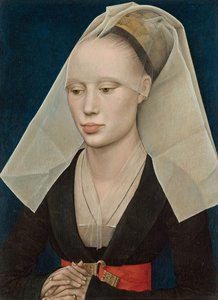
Rogier van der Weyden
1400 - 1464 , Belgia
Detalii rapide
- Artistic Movement Or Style: Pictura flamandă timpurie
- Artists Or Movements Influenced By This Artist:
- Renascere italiană
- Pictura flamandă
- Artists Who Influenced This Artist:
- Robert Campin
- Jan van Eyck
- Date Of Birth: c. 1400
- Date Of Death: 1464
- Full Name: Rogier van der Weyden
- Nationality: Belgian
- Notable Artworks:
- Lamentație
- Depunerea de la cruce
- Anunțarea Mariei
- Place Of Birth: Tournai, Belgia
Articole similare

Top 10 Capodopere ale Picturii Netherlandeze Timpurii: Frumusețe și Simbolism pentru Decorul Tău
Descoperă top 10 capodopere ale picturii netherlandeze timpurii! Jan van Eyck, Robert Campin și alți maeștri renascentiști. Află poveștile din spatele simbolismului bogat și tehnicilor inovatoare. Reproduceri de artă de calitate muzeală pe OriginalUniqueArt.com.

Rogier van der Weyden: Emotion, Innovation & the Early Netherlandish Renaissance
Explore the revolutionary art of Rogier van der Weyden, a pivotal figure of the Early Netherlandish Renaissance. Discover his emotional realism, innovative compositions, and lasting impact on painting history.

Rembrandt van Rijn: Cele Mai Frumoase 25 de Capodopere – Artă, Istorie și Decorațiuni Interioare
Descoperă cele mai frumoase 25 de picturi ale lui Rembrandt van Rijn! Explorează capodopere baroce, portrete emoționante și peisaje iconice. Reproduceri de artă de calitate muzeală pentru un design interior rafinat. Descoperă toate operele pe OriginalUniqueArt.com!

Renașterea Netherlandeză Timpurie: 10 Capodopere Esențiale pentru Decorul de Lux
Descoperiți 10 capodopere ale Renașterii Netherlandeze timpurii! Jan van Eyck, Robert Campin și alți maeștri. Reproduceri de tablouri de lux pentru un decor artistic unic. Explorează colecția completă pe OriginalUniqueArt.com

Hugo van der Goes: Devotion, Innovation & the Psychological Depth of Early Netherlandish Painting
Explore the revolutionary art of Hugo van der Goes – a master of Early Netherlandish painting renowned for his dramatic realism, psychological depth & profound influence on Renaissance artists. Discover his iconic works and lasting legacy.


