
 Trimite prin felicitare
 Distribuie
 Detalii despre lucrare
 Ghid
Ghid

 Descarcă imaginea
 Produse similare
 Galerie foto
 Întrebări și răspunsuri
 Statistici
‘Cluny’ Vase


 Vezi mai mult
Giclée / Imprimare artistică
Printuri giclée sau pe canvas de calitate muzeală, cu proces de producție rapid și opțiuni flexibile de finisare. ( Comandă pictură realizată manual Comută pe Imagine Digitală)




































Alegeți dintre dimensiunile noastre prestabilite, care respectă proporțiile originale ale operei de artă.

Introduceți lățimea și înălțimea necesare pentru a se potrivi ramei sau peretelui dumneavoastră. O printare poate fi doar tăiată, niciodată extinsă dincolo de dimensiunea imaginii originale, astfel încât o dimensiune cu o formă diferită va pierde o parte din imagine. Vă trimitem o simulare digitală pentru aprobare înainte de a imprima orice. Imaginea afișată pe această pagină nu prezintă tăierea reală — doar simularea arată acest lucru.
Livrare în întreaga lume () în 2 săptămâni, în loc de cele 4/5 săptămâni standard. (8 Noiembrie)

Livrare expres gratuită la nivel mondial

Pânză de in de înaltă calitate

Asigurare completă pentru transport

Garanție de rambursare a taxelor vamale

Garanția fidelității culorilor

Politica de retur în 100 de zile (doar pentru defecte de fabricație)

Garanție de rambursare 100%

Ofertă pentru comenzi multiple
 Opțiunea cu sticlă este disponibilă doar pentru dimensiuni de sub 110 cm

‘Cluny’ Vase
Giclée / Imprimare artistică
Dimensiune reproducere
-


Preț total calculat
lei 386
A Symphony in Smoke and Grace: Unveiling René Lalique's 'Cluny' Vase
René Jules Lalique, a name synonymous with the opulent excesses and exquisite artistry of the Art Nouveau and Art Deco periods, possessed an unparalleled ability to translate the natural world into shimmering glass. His creations weren’t merely decorative objects; they were miniature ecosystems, imbued with a sense of movement, light, and profound beauty. Among his most celebrated works stands the ‘Cluny’ Vase – a piece that encapsulates Lalique's signature style: a masterful blend of smoky hues, organic forms, and meticulous craftsmanship. More than just a vessel for flowers or water, it is a meditation on nature’s fleeting grace, captured in the enduring medium of glass.
The vase itself, dating back to 1925, immediately draws the eye with its ethereal palette. Dominated by shades of smoky gray – a ‘taupe’ as some experts describe it – the piece evokes the muted tones of a twilight forest or the soft glow of distant mountains. This deliberate choice of color wasn't arbitrary; Lalique was fascinated by the subtle variations in light and shadow, striving to replicate the atmospheric effects he observed in nature within his glasswork. The background is a uniform gray, providing a stark contrast to the vase’s form and isolating the subject, emphasizing its delicate beauty.
The Cire-Perdue Technique: A Masterclass in Glassblowing
What truly elevates the ‘Cluny’ Vase beyond mere aesthetic appeal is the remarkable technique employed in its creation – the “cire-perdue,” or lost wax method. This process, traditionally associated with bronze sculpture, was brilliantly adapted by Lalique to the delicate medium of glass. A full-scale model of the vase's design, meticulously carved in wax, served as the foundation. This wax model was then encased in plaster, creating a rigid mold. The wax itself was carefully melted away, leaving behind an empty cavity precisely mirroring the shape of the original model. Finally, molten glass was poured into this negative space, resulting in a unique and unrepeatable piece. This method ensured that each ‘Cluny’ Vase is not simply a copy but a singular work of art, bearing the subtle imperfections and nuances inherent to the process.
The vase's design itself is a testament to Lalique’s artistic vision. The two prominent handles are stylized representations of foliage, culminating in dark, almost black, decorative elements that add a touch of dramatic contrast. The body of the vase curves gracefully, adorned with a repeating pattern reminiscent of leaves or petals – an echo of the natural world that permeates Lalique's entire oeuvre. These motifs aren’t merely decorative; they suggest a sense of organic growth and cyclical renewal.
Symbolism and the Spirit of Art Nouveau
The ‘Cluny’ Vase is deeply rooted in the principles of Art Nouveau, an artistic movement that celebrated beauty, nature, and craftsmanship. Lalique, like many artists of his time, rejected industrial mass production in favor of handcrafted objects imbued with individual character. The vase embodies this ethos – a testament to the artist's skill and vision. The flowing lines, organic forms, and delicate details all contribute to a sense of movement and dynamism, mirroring the natural world that inspired Lalique’s work. Furthermore, the choice of smoky hues can be interpreted as representing the ephemeral nature of beauty itself—a fleeting moment captured in glass.
A Legacy of Luxury: Lalique's Enduring Appeal
The ‘Cluny’ Vase stands not only as a stunning example of Lalique’s artistry but also as a symbol of the enduring appeal of Art Nouveau. Its exquisite craftsmanship, evocative design, and rich symbolism continue to captivate collectors and interior designers alike. Reproductions of this iconic piece offer a tangible connection to a bygone era—a chance to bring a touch of Lalique's magic into your own home. The vase’s ability to evoke feelings of serenity, beauty, and the quiet contemplation of nature makes it a truly exceptional addition to any collection or space.
Întrebări și răspunsuri
Cine este autorul și din ce an este "‘Cluny’ Vase"?
Lucrarea „‘Cluny’ Vase” este creată de René Lalique și datează din 1925.
"‘Cluny’ Vase" de René Lalique este o compoziție de tip portret, peisaj sau pătrată?
"‘Cluny’ Vase" de René Lalique are un format Portrait. Formatul descrie proporțiile compoziției.
Culorile din "‘Cluny’ Vase" de René Lalique sunt saturate sau tenue?
Paleta lucrării "‘Cluny’ Vase" are o saturație de Muted.
Biografie artist
A Life Forged in Beauty: The World of René Lalique
René Jules Lalique, a name synonymous with the ethereal beauty of Art Nouveau and the sleek elegance of Art Deco, was more than just a jeweller or glass designer—he was an innovator, a poet of materials, and a true artist who redefined luxury for his time. Born in Aÿ, France, on April 6th, 1860, Lalique’s journey began amidst the rolling hills of Champagne, a landscape that would forever imprint itself upon his artistic sensibility. Early summers spent with his maternal grandparents instilled within him a deep reverence for nature, a theme that would become utterly central to his creations. This idyllic upbringing was disrupted by a move to the Parisian suburbs, yet the memory of Aÿ remained potent, fueling his later naturalistic glasswork and imbuing it with an organic grace. The untimely death of his father propelled young René into apprenticeship with goldsmith Louis Aucoc, setting him on a path that would ultimately revolutionize both jewellery and glass artistry. He further honed his skills at the École des Arts Décoratifs in Paris and even ventured to London for studies at the Crystal Palace School of Art, absorbing diverse influences that shaped his unique aesthetic vision.From Jewellery to Glass: A Revolutionary Aesthetic
Lalique’s early career blossomed as a freelance designer for prominent French jewelry houses like Cartier and Boucheron during the 1880s. However, it was in 1890, with the opening of his own boutique in Paris' Opéra district, that Lalique truly began to forge his distinctive style. He swiftly became known for rejecting the prevailing opulent aesthetic, favoring instead a more organic and imaginative approach. He wasn’t interested merely in showcasing precious stones; he sought to elevate materials often considered secondary – horn, ivory, enamel, and crucially, glass – to equal status with diamonds and rubies. This was revolutionary. His jewelry became miniature sculptures, teeming with life: dragonflies with iridescent wings crafted from *plique-à-jour* enamel, orchids rendered in delicate gold filigree, peacocks displaying their plumage in vibrant gemstones. These weren’t simply adornments; they were wearable works of art, imbued with a sense of movement and naturalism rarely seen before. His designs resonated deeply with the spirit of Art Nouveau, embracing flowing lines, organic forms, and a celebration of the feminine form. He quickly garnered a devoted clientele, including celebrated actress Sarah Bernhardt, who commissioned numerous pieces that reflected her own dramatic persona. The use of unconventional materials like horn and ivory alongside precious metals demonstrated his desire to break from traditional jewelry-making conventions.The Allure of Glass: A New Artistic Horizon
While Lalique’s jewelry established his reputation, it was his exploration of glass that cemented his legacy. His collaboration with perfumer François Coty in 1907 proved pivotal. Coty commissioned Lalique to design bottles for his perfumes, recognizing the potential to elevate fragrance presentation beyond simple functionality. This partnership marked a turning point, leading Lalique to dedicate himself increasingly to glassmaking. He acquired the Verrerie d'Alsace in 1921, allowing him to experiment with mass production techniques while maintaining artistic control. This wasn’t about creating cheap imitations; it was about making beauty accessible. The Art Deco era saw Lalique’s glasswork reach new heights of sophistication. He moved away from the flowing curves of Art Nouveau towards more geometric forms and streamlined designs, reflecting the modern spirit of the age. Vases, bowls, chandeliers, and even automobile hood ornaments—each piece bore the hallmark of his exquisite craftsmanship and innovative techniques like *cire perdue* (lost-wax casting) and frosted glass finishes. His work became synonymous with luxury and elegance, adorning the homes of discerning collectors worldwide, including Calouste Sarkis Gulbenkian, who amassed an impressive collection of over 140 Lalique pieces. The development of new techniques allowed him to create intricate designs on a scale previously unimaginable.Influences and Techniques
Lalique’s artistic vision was deeply rooted in his upbringing and the diverse influences he encountered throughout his career. His early exposure to nature, particularly the flora and fauna of Champagne, served as a constant source of inspiration. He drew heavily from Japanese art and design, incorporating elements of asymmetry, simplicity, and natural motifs into his work. The influence of *Arts Décoratifs* was also significant, providing him with technical skills and an understanding of contemporary trends. Lalique’s mastery of various techniques – *plique-à-jour*, *cire perdue*, enameling, and glassblowing – allowed him to create a remarkable range of effects, from translucent shimmering surfaces to richly colored and textured designs. His ability to seamlessly blend these diverse elements into cohesive artistic statements was truly exceptional. He wasn’t simply a craftsman; he was a visionary who pushed the boundaries of both jewelry and glassmaking.A Lasting Legacy: Family, Influence, and Remembrance
René Lalique’s influence extends far beyond his own creations. He not only transformed the fields of jewelry and glass but also inspired generations of artists and designers. His daughter, Suzanne Lalique, continued the family artistic tradition as a painter and set designer for the Comédie-Française. His granddaughter, Marie Claude-Lalique, carried on the legacy of glassmaking until her death in 2003. The Maison Lalique continues to thrive today, upholding the standards of quality and artistry established by its founder. René Lalique passed away in Paris on May 1st or 5th, 1945, and was laid to rest in Père Lachaise Cemetery, a fitting final resting place for an artist whose work embodies both beauty and enduring spirit. His creations can be found in prestigious museums around the world, including the Musée d'Orsay, serving as a testament to his profound impact on art history. René Lalique wasn’t simply creating objects; he was crafting dreams, capturing the ephemeral beauty of nature, and leaving an indelible mark on the aesthetic landscape of the 20th century. His work remains a powerful reminder that true artistry lies in the ability to transform ordinary materials into extraordinary expressions of human creativity.
René Lalique
1860 - 1945 , Franța
Detalii rapide
- Artistic Movement Or Style: Art Nouveau, Art Deco
- Artists Or Movements Influenced By This Artist: ['Gustave Moreau']
- Artists Who Influenced This Artist: ['Louis Aucoc']
- Date Of Birth: 6 aprilie 1860
- Date Of Death: 1 mai 1945
- Full Name: René Jules Lalique
- Nationality: Francez
- Notable Artworks:
- Vase St. Albert
- Pendant cu lanț
- 'Față feminină' Pendant
- Place Of Birth: Aÿ, Franța
Articole similare
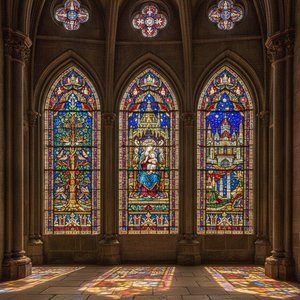
Luminous Masterpieces: The Captivating Beauty and Timeless Elegance of Stained Glass Artworks
Embark on a visual journey through the luminous world of stained glass art. Discover the exquisite craftsmanship, historical significance, and captivating beauty of masterworks from Art Nouveau to the Gothic era, curated for the discerning fine art enthusiast.

Top 10 Capodopere din Bronz care au Revoluționat Arta – Inspirație pentru Decor
Descoperă Top 10 sculpturi din bronz care au schimbat istoria artei! Explorează operele lui Rodin, Michelangelo și alți maeștri, tehnicile lor unice și inspirația pentru decorul casei tale. Replici de calitate muzeală pe OriginalUniqueArt.com.

The Enduring Form: Sculpture Across History, Technique & Emotional Resonance
Explore the rich history of sculpture with OriginalUniqueArt. Discover key techniques, influential artists & investment potential for discerning collectors. Expert insights into valuing and collecting timeless masterpieces.

The Enduring Form: Exploring Themes & Techniques in Sculpture Across Historical Periods
Explore the rich history of sculpture from ancient masterpieces to contemporary innovations. Discover key techniques, influential artists & investment potential for discerning art collectors.

Top 10 Capodopere din Bronz care au Revoluționat Arta | OriginalUniqueArt.ro
Descoperiți Top 10 capodopere din bronz care au revoluționat arta! Rodin, Michelangelo și alții. Aflați istoria sculpturilor clasice și inspirație pentru decorul casei dvs. Reproduceri de artă de calitate muzeală pe OriginalUniqueArt.com


