
 Previzualizare
 Trimite
 Distribuie
 Detalii despre lucrare

 Descarcă
 Produse similare
 Radiografie
 Diapozitive automate
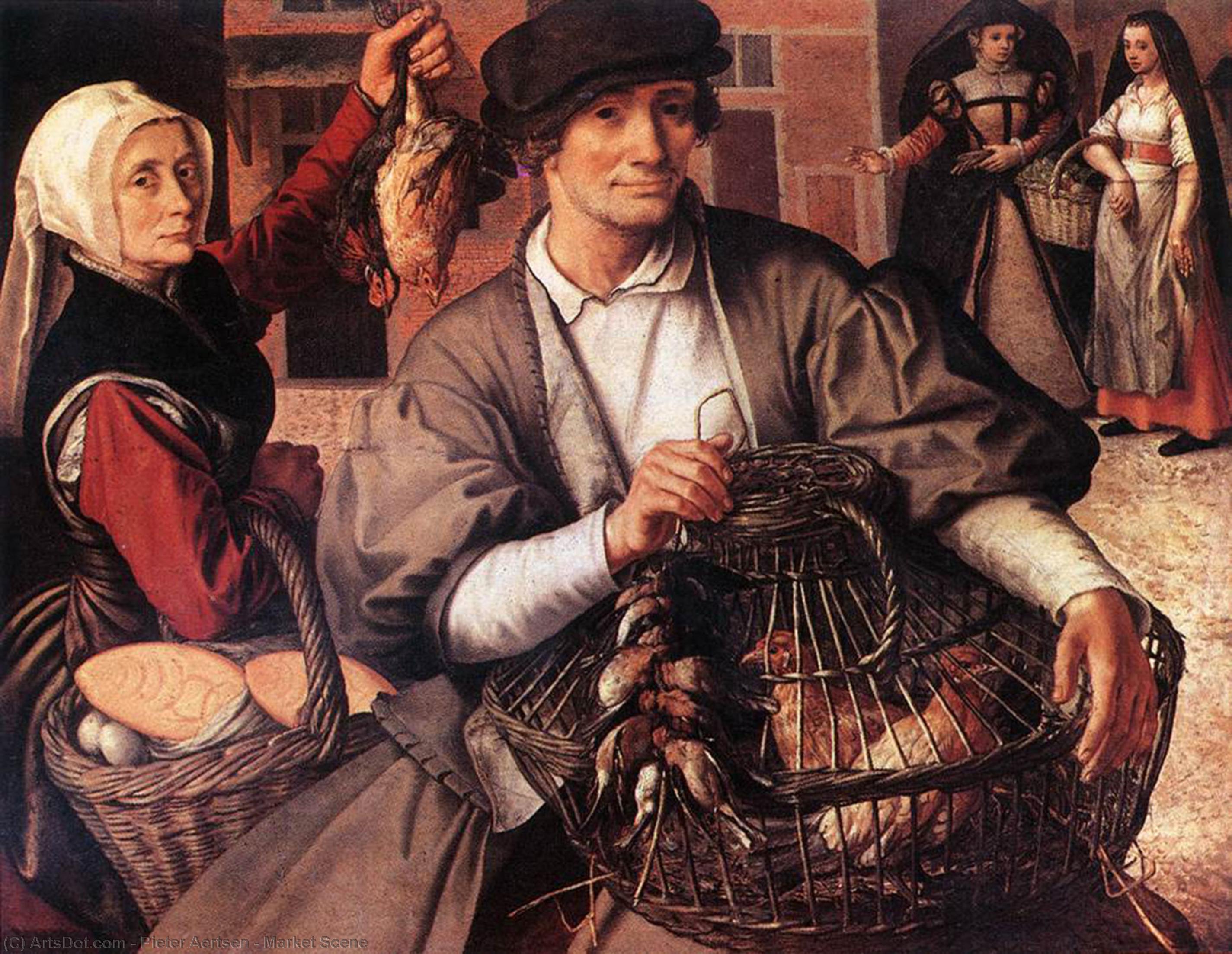
Market Scene
 Oil On Canvas
- WallArt
 91.0 x 112.0 cm
 Muzeul Kunsthistorisches din Viena
 Vezi mai mult
Reproducere pictată manual în ulei
Pictură în ulei pe pânză, realizată manual de artiștii noștri la dimensiunea și ramele dorite de dumneavoastră, pe comandă. ( Comandă printul Cumpără imaginea)




P118B $10

P118H $10

P118W $10

P438Z $10

P508JH $12

P508YH $12

P805H $10

P805Z $10

P919BZ $10

P919G $10

P919XJ $10

P959ZH $10

P968JZ $12

W106C $8

W218G $10

W218JH $8

W218Y $10

W307PJ $10

W316G $10

W316PJ $8

W316Y $10

W398PJ $8

W4111J $10

W500HY $15

W500JH $15

W692G $12

W849H $8

W940BG $15

W953PJ $8




Alegeți dintre dimensiunile noastre prestabilite, care respectă proporțiile originale ale operei de artă.

Puteți introduce propriile dimensiuni pentru a se potrivi unui anumit cadru sau spațiu. Dacă dimensiunea selectată nu corespunde proporțiilor imaginii originale, vom decupa opera de artă sau vom extinde pictura cu elemente suplimentare pictate manual. O simulare digitală vă va fi trimisă pentru aprobare înainte de începerea producției.
Vă rugăm să rețineți că previzualizarea de pe ecran nu reflectă decuparea sau extinderea reală. Doar macheta va arăta cu exactitate compoziția finală.
Deși sunt disponibile dimensiuni personalizate, vă recomandăm să selectați o dimensiune din lista predefinită pentru a păstra proporțiile originale.
După plasarea comenzii, echipa OriginalUniqueArt.com va contacta clientul prin e-mail pentru instrucțiuni și îi va furniza o previzualizare a machetei
Livrare în întreaga lume () în 3-4 săptămâni, în loc de cele 5 săptămâni standard. (20 August). Fără compromisuri în ceea ce privește calitatea.

Livrare expres gratuită la nivel mondial

Pânză de in de înaltă calitate

Asigurare completă pentru transport

Garanție de rambursare a taxelor vamale

Garanția fidelității culorilor

Politica de retur în 60 de zile (doar pentru defecte)

Garanție de rambursare 100%

Ofertă pentru comenzi multiple
 Opțiunea cu sticlă este disponibilă doar pentru dimensiuni de sub 110 cm

Market Scene
Tehnică de reproducere
Dimensiune reproducere
-


Preț total calculat
$ 300
Descriere operă de artă
Market Scene - Pieter Aertsen: Bridging Mannerism and Realism
Pieter Aertsen stands as an extraordinary figure in Northern Renaissance art, a painter who defied convention by prioritizing domestic narratives over grand religious commissions—a decision that profoundly shaped the trajectory of Dutch Golden Age painting. Born around 1508 in Amsterdam and tragically deceased in 1575 within the same city, Aertsen’s legacy resides not in monumental churches or regal portraits but in his groundbreaking exploration of everyday life, meticulously crafted with symbolic richness and narrative complexity. He wasn't merely depicting scenes; he was constructing miniature worlds—inviting viewers to contemplate the multifaceted dimensions of human experience. Aertsen’s formative years were spent under the tutelage of Allaert Claesz, providing him with a foundational understanding of Flemish artistic traditions. However, his relocation to Antwerp – a crucible of artistic innovation during the mid-16th century – irrevocably altered his stylistic path. Antwerp's vibrant atmosphere, fueled by burgeoning trade and intellectual ferment, fostered an environment where artists pushed boundaries and experimented with new approaches. It was here that Aertsen’s distinctive style emerged—characterized by a masterful blend of meticulous detail and expressive dynamism. Aertsen’s technique exemplifies the culmination of Mannerist principles while simultaneously anticipating the stylistic advancements of Realism. He employed oil paint on canvas, applying thin glazes to achieve luminous color palettes and subtle tonal gradations – a hallmark of Flemish Baroque painting. Furthermore, he meticulously rendered textures—from the rough bark of trees to the smooth sheen of polished metal—demonstrating an unparalleled command of observational accuracy. This dedication to realism distinguishes him from his Mannerist predecessors who favored stylized forms and exaggerated proportions. The historical context surrounding Aertsen’s oeuvre illuminates the broader artistic currents shaping Europe during the Reformation. Antwerp, a Protestant stronghold, experienced considerable upheaval as Catholic authorities attempted to suppress dissenting religious views. Amidst this turbulent climate, Aertsen skillfully navigated the complexities of artistic patronage—balancing commissions from both Catholic and Protestant patrons while maintaining his unwavering commitment to portraying human life with unflinching honesty. His paintings served not only as decorative objects but also as vehicles for conveying moral lessons—reflecting the anxieties and aspirations of a society grappling with profound spiritual transformations. The symbolism embedded within Aertsen’s Market Scene is particularly noteworthy. The central figure, a man seated on a chair holding a birdcage filled with birds – specifically doves – represents peace and reconciliation—a theme prevalent throughout his artistic output. Surrounding him are various objects—including a bowl of fruit, a cup, a spoon, and a bottle—each imbued with symbolic significance reflecting the bounty of nature and the rituals of daily life. The inclusion of a hat-wearing man adds to the scene’s visual richness and underscores the importance of social status within Renaissance society. Ultimately, Market Scene transcends mere representation; it resonates emotionally with viewers through its masterful composition and evocative use of light—techniques that anticipate the innovations championed by Rembrandt and Vermeer. Aertsen's ability to capture the subtle nuances of human emotion—expressed in facial expressions and gestures—elevates his paintings beyond decorative splendor into enduring works of art—testaments to the transformative power of observation and artistic imagination. His legacy continues to inspire artists and collectors alike, cementing his place as a cornerstone of European cultural heritage.Biografie artist
Pieter Aertsen: The Architect of Domestic Narrative
Pieter Aertsen, a name often whispered in the halls of art history, stands as a pivotal figure bridging the gap between Northern Mannerism and the burgeoning realism of the Dutch Golden Age. Born in Amsterdam around 1508 and tragically dying in the same city in 1575, Aertsen’s legacy isn't defined by grand religious commissions or heroic portraits, but rather by his revolutionary approach to genre painting – a deliberate elevation of everyday life, imbued with layers of symbolism and narrative depth. He wasn’t merely depicting scenes; he was constructing miniature worlds, inviting viewers into a complex tapestry of human experience.
Aertsen's early training under Allaert Claesz provided him with a solid foundation in traditional Flemish techniques. However, it was his relocation to Antwerp, the vibrant heart of artistic innovation during the mid-16th century, that truly shaped his distinctive style. Antwerp’s bustling atmosphere, its diverse population, and its position as a crossroads of European trade fostered an environment ripe for experimentation – a stark contrast to the more rigidly defined religious conventions of the time. Here, he joined the esteemed Guild of Saint Luke, earning the moniker “Langhe Peter,” or Tall Peter, reflecting his imposing stature, a detail often incorporated into his portraits.
The Invention of Monumental Genre
Aertsen’s most significant contribution to art lies in his pioneering work – the creation of what is now recognized as monumental genre scenes. Unlike earlier depictions of domestic life that were relegated to smaller, secondary spaces within religious compositions, Aertsen placed everyday activities – market scenes, butcher shops, still lifes – squarely at the forefront of his canvases. This wasn’t simply a shift in subject matter; it represented a fundamental change in artistic priorities. He deliberately blurred the lines between different genres – still life, landscape, and narrative – creating complex compositions that demanded active engagement from the viewer.
His most famous example, *The Butcher's Shop with the Flight into Egypt* (1551), exemplifies this revolutionary approach. The scene is dominated by a meticulously rendered butcher’s stall overflowing with meat, vegetables, and tools – an astonishingly detailed still life that immediately grabs the viewer’s attention. Yet, subtly interwoven within this seemingly mundane setting are elements of biblical narrative: the Holy Family fleeing into Egypt, depicted in miniature on a small panel above the counter. This layering of realities – the tangible world of commerce juxtaposed with the spiritual realm of faith – became a hallmark of Aertsen's work and profoundly influenced generations of artists to come.
Symbolism and the Language of Objects
Aertsen’s scenes are not merely visually arresting; they are rich in symbolic meaning. Each object, each gesture, carries weight and contributes to a larger narrative or moral commentary. The arrangement of items within a still life, for instance, could represent earthly pleasures versus spiritual rewards, wealth versus poverty, or even the fleeting nature of time. *The Butcher’s Shop* is particularly laden with symbolism: the abundance of food represents worldly prosperity, while the presence of oysters and mussels – associated with lust – serves as a cautionary tale.
Furthermore, Aertsen drew inspiration from earlier artists like Joachim Patinir, who had pioneered the use of landscape elements within religious scenes to create atmospheric depth and visual interest. Aertsen adopted this technique, integrating miniature landscapes – a church window, a pastoral scene – into his genre compositions, further expanding the scope of his narratives and inviting viewers to contemplate multiple realities simultaneously.
Influences and Artistic Development
Initially trained in the traditional Flemish style under Allaert Claesz, Aertsen’s time in Antwerp proved transformative. He absorbed the dynamism and experimentation characteristic of the city's artistic milieu, moving beyond purely religious subjects. His early works demonstrate a meticulous attention to detail and a growing interest in depicting everyday life, foreshadowing his later innovations. The influence of Jan Sanders van Hemessen is evident in Aertsen’s early still lifes, particularly in their compositional complexity and use of light and shadow. However, it was Patinir's technique of incorporating landscapes into religious scenes that truly unlocked Aertsen’s potential for creating layered, multi-dimensional narratives.
Aertsen’s style evolved over time, becoming increasingly bold and expressive. He experimented with new techniques, such as the use of *sfumato* (a hazy, atmospheric effect) to create a sense of depth and realism. His later works are characterized by a greater freedom of brushwork and a more dramatic use of color. The shift from the controlled precision of his early paintings to the looser, more expressive style of his mature work reflects Aertsen’s growing confidence as an artist and his willingness to push the boundaries of traditional painting.
Legacy and Historical Significance
Pieter Aertsen’s influence on subsequent generations of artists is undeniable. His innovative approach to genre painting paved the way for the rise of Dutch still life as a distinct artistic genre, influencing figures like Jan Sanders van Hemessen and, crucially, his son, Pieter Pietersz the Elder. Aertsen's emphasis on realistic detail, combined with his masterful use of symbolism and narrative layering, set a precedent for later artists who sought to capture the complexities of everyday life.
Even more remarkably, Aertsen’s work anticipated developments in Italian painting. The Renaissance humanist Hadrianus Junius (Adriaen de Jonghe) compared Aertsen to Peiraikos, an ancient Greek painter celebrated for his ability to depict ordinary subjects with extraordinary realism and symbolic depth. This comparison underscored Aertsen's pioneering role in challenging traditional artistic conventions and elevating the status of genre painting.
Despite the destruction of many of his works during the iconoclasm of the Beeldenstorm (the Protestant Reformation’s icon-smashing movement) in Amsterdam, Aertsen’s legacy endures. His paintings continue to fascinate art historians and viewers alike, offering a glimpse into a world where the mundane becomes profound and everyday life is transformed into a rich tapestry of meaning.

Pieter Aertsen
1508 - 1575 , Olanda
Detalii rapide
- Artistic Movement Or Style: Northern Mannerism
- Artists Or Movements Influenced By This Artist: ['Joachim Patinir']
- Artists Who Influenced This Artist: ['Allaert Claesz']
- Date Of Birth: 1508, Amsterdam
- Date Of Death: 1575, Amsterdam
- Full Name: Pieter Aertsen
- Nationality: Dutch
- Notable Artworks:
- Butcher's Shop
- Market Woman
- Place Of Birth: Amsterdam, Țările de Jos
Articole similare
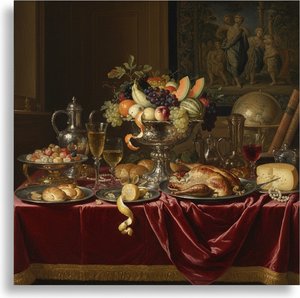
Abraham Hendricksz van Beyeren: Pioneering Dutch Still Life & the Banquet Tradition
Explore the captivating world of Dutch Golden Age still life with Abraham van Beyeren. Discover his innovative techniques, symbolic banquet scenes & lasting influence on art history. Learn about collecting these masterpieces.
Northern Mannerism: The Dramatic Evolution of European Art through Elegant Distortion and Tension
Explore the dramatic evolution of Northern Mannerism. Discover how 16th-century artists moved from Renaissance harmony to elegant distortion, tension, and complex symbolism in European art history.

Golden Age Reflections: Dutch Baroque Painting & Cultural Innovation
Explore the Dutch Golden Age of painting! Discover key artists like Vermeer & ter Borch, their innovative techniques, and the rich cultural context behind these Baroque masterpieces. Learn about collecting & appreciating this iconic art period.
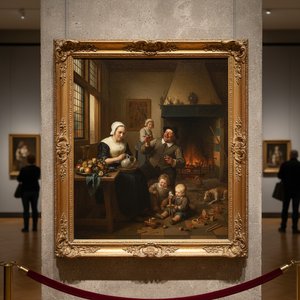
Genre Painting: A Window into Daily Life & Societal Values of the Dutch Golden Age
Explore the captivating world of Dutch Golden Age genre painting! Discover realistic depictions of daily life, masterful artists like Ostade & Metsu, and hidden symbolism. Learn about this influential art movement with OriginalUniqueArt.

Silent Narratives: Exploring the Enduring Appeal of Still Life Painting Across Centuries
Explore the rich history of still life painting with OriginalUniqueArt. Discover Dutch Masters, decode vanitas symbolism & learn about collecting timeless art. Expert insights and museum-quality reproductions.



