

 Vezi în context
 Trimite
 Distribuie
 Detalii
 Ghidul

 Descarcă
 Produse similare
 Radiografie
 Diaporama
 Statistici
Cristos pe cruce
 Acrilic pe pânză întinsă
- Artă de perete
- Northern Mannerism
 71.0 x 90.0 cm
 The Art Museum RIGA BOURSE
 Citește mai mult
Reproducere pictată manual în ulei
Pictură în ulei pe pânză, realizată manual de artiștii noștri la dimensiunea și ramele dorite de dumneavoastră, pe comandă. ( Comută pe versiunea Print Treci la imagine digitală)




P118B lei10

P118H lei10

P118W lei10

P438Z lei10

P508JH lei12

P508YH lei12

P805H lei10

P805Z lei10

P919BZ lei10

P919G lei10

P919XJ lei10

P959ZH lei10

P968JZ lei12

W106C lei8

W218G lei10

W218JH lei8

W218Y lei10

W307PJ lei10

W316G lei10

W316PJ lei8

W316Y lei10

W398PJ lei8

W4111J lei10

W500HY lei15

W500JH lei15

W692G lei12

W849H lei8

W940BG lei15

W953PJ lei8




Alegeți dintre dimensiunile noastre prestabilite, care respectă proporțiile originale ale operei de artă.

Introduceți lățimea și înălțimea de care aveți nevoie, pentru a se potrivi ramei sau peretelui dumneavoastră. Această lucrare este pictată manual, așa că pentru o dimensiune cu o formă diferită, artistul poate picta puțin mai mult în jurul imaginii sau poate tăia puțin din margini — dumneavoastră decideți. Vă vom trimite o simulare digitală pentru aprobare înainte de a începe pictarea. Imaginea afișată pe această pagină nu reprezintă rezultatul real — doar simularea este reprezentativă.
După plasarea comenzii, echipa OriginalUniqueArt.com va contacta clientul prin e-mail pentru instrucțiuni și îi va furniza o previzualizare a machetei
Livrare în întreaga lume () în 3-4 săptămâni, în loc de cele 5 săptămâni standard. (25 Octombrie). Fără compromisuri în ceea ce privește calitatea.

Livrare expres gratuită la nivel mondial

Pânză de in premium

Asigurare completă pentru transport

Garanție de rambursare a taxelor vamale

Garanția fidelității culorilor

Politica de retur în 100 de zile (doar pentru defecte)

Garanție de rambursare 100%

Reducere pentru comenzi multiple
 Opțiunea cu sticlă este disponibilă doar pentru dimensiuni de sub 110 cm

Cristos pe cruce
Tip de reproducere
Dimensiune reproducere
-


Preț total
lei 1389
Cristos Pe Cruce: Un Dialog Vizual între Religie și Realism
Pictura lui Pieter Aertsen, „Cristos Pe Cruce”, reprezintă un adevărat monument al stilului manierist și al unei abordări inovatoare a picturii de gen. Nu este doar o reprezentare religioasă simplă; ci mai ales o narațiune complexă încorporată într-o lume miniaturizată meticulos construită de artist, invitând privitorul să fie martor la un univers uman plin de semnificații simbolice și detalii fascinante. În timp ce multe opere ale vremii erau dominate de subiecte religioase grandioase și portrete eroici, Aertsen a ales să ofere o perspectivă diferită – una care pune accent pe experiența cotidiană și pe modul în care oamenii interacționează între ei.
Aertsen nu este doar un maestru tehnic; el este arhitectul unei estetici noi. În timp ce influențele lui Allaert Claesz îl pregătesc pentru studiile ulterioare în tradiția flamandească, mutarea sa în Antwerp, orașul pulsatoriu al inovației artistice din mijlocul secolului XVI, reprezintă punctul culminant al dezvoltării sale creative. Atmosfera vibrantă a Antwerpenei, cu toate instituțiile sale culturale și economice prospere, i-a permis să își dezvolte stilul unic și să înțeleagă puterea unei abordări inovatoare.
Stilul Mannerist și Însușirile Sale Distinctive
Aertsen a îmbrățișat cu pasiune principiile manierismului, un curent artistic care se caracteriza printr-o obsesie pentru detalii minuțioase și o expresivitate emoțională puternică. Spre diferență de realismul dominant în perioada lui Rafael sau Michelangelo, maniera urmărea să surprindă adevărul uman într-un mod dramatic și teatral. Acest lucru se vede în modul în care Aertsen construiește scenele sale – nu doar pentru a reprezenta evenimente reale, ci pentru a crea experiențe vizuale complexe și emoționale.
Detalii Narative și Simbolism Profund
„Cristos Pe Cruce” este mai mult decât o simplă pictură; este un roman vizual în care fiecare element are semnificație simbolică. În centrul imaginii îl avem pe Cristos, suspendat pe cruce între doi criminali – această alegere deliberată nu este întâmplătoare și reflectă preocuparea artistului pentru explorarea temelor morale și spirituale ale timpului său. În jurul lui sunt reprezentați personaje importante precum Maria Magdalena, Sfântul Veronica și Sfântul Ioan, fiecare dintre ei exprimând emoții puternice și contribuind la atmosfera dramatică a scenei.
Tehnica Aplicată și Impactul Estetic
Aertsen era un maestru al tehnicii uleiului, folosindu-și abilitățile pentru a obține efecte impresionante de culoare și lumină. Aplicarea atentă a culorilor contrastează puternic pentru a crea emoție și dramatism, iar detalii minuțioase precum obiectele reprezentate în prim plan – inclusiv cei doi soldați care aruncă zarurile pentru drapelele lui Cristos – sunt concepute pentru a încuraja privitorul să își îndrepte atenția asupra celor mai importante aspecte ale narațiunii.
În Concluzie: O Moștenire Artistică Durabilă
„Cristos Pe Cruce” rămâne una dintre cele mai impresionante opere ale lui Pieter Aertsen și un exemplu strălucit al stilului manierist. Prin abordarea sa inovatoare a picturii de gen și prin simbolismul profund al imaginii sale, artistul a stabilit noi standarde estetice și emoționale și a influențat generații ulterioare de artiști.
Întrebări și răspunsuri
Care sunt proporțiile lui "Cristos pe cruce" de Pieter Aertsen și ce dimensiuni are?
Formatul lucrării „Cristos pe cruce” este Format portrait, iar dimensiunile originale sunt 71 x 90 cm. Ambele informații sunt utile atunci când planificați o reproducere.
Care este atmosfera generală a operei "Cristos pe cruce" de Pieter Aertsen?
Ambianta generală a operei "Cristos pe cruce" de Pieter Aertsen este Dramatic. Această stare descrie atmosfera generală a lucrării.
Ce paletă de culori este folosită în "Cristos pe cruce" de Pieter Aertsen?
Culorile din "Cristos pe cruce" formează o paletă Tonalități pământii. Această clasificare descrie familiile de culori dominante.
Biografie artist
Pieter Aertsen: The Architect of Domestic Narrative
Pieter Aertsen, a name often whispered in the halls of art history, stands as a pivotal figure bridging the gap between Northern Mannerism and the burgeoning realism of the Dutch Golden Age. Born in Amsterdam around 1508 and tragically dying in the same city in 1575, Aertsen’s legacy isn't defined by grand religious commissions or heroic portraits, but rather by his revolutionary approach to genre painting – a deliberate elevation of everyday life, imbued with layers of symbolism and narrative depth. He wasn’t merely depicting scenes; he was constructing miniature worlds, inviting viewers into a complex tapestry of human experience.
Aertsen's early training under Allaert Claesz provided him with a solid foundation in traditional Flemish techniques. However, it was his relocation to Antwerp, the vibrant heart of artistic innovation during the mid-16th century, that truly shaped his distinctive style. Antwerp’s bustling atmosphere, its diverse population, and its position as a crossroads of European trade fostered an environment ripe for experimentation – a stark contrast to the more rigidly defined religious conventions of the time. Here, he joined the esteemed Guild of Saint Luke, earning the moniker “Langhe Peter,” or Tall Peter, reflecting his imposing stature, a detail often incorporated into his portraits.
The Invention of Monumental Genre
Aertsen’s most significant contribution to art lies in his pioneering work – the creation of what is now recognized as monumental genre scenes. Unlike earlier depictions of domestic life that were relegated to smaller, secondary spaces within religious compositions, Aertsen placed everyday activities – market scenes, butcher shops, still lifes – squarely at the forefront of his canvases. This wasn’t simply a shift in subject matter; it represented a fundamental change in artistic priorities. He deliberately blurred the lines between different genres – still life, landscape, and narrative – creating complex compositions that demanded active engagement from the viewer.
His most famous example, *The Butcher's Shop with the Flight into Egypt* (1551), exemplifies this revolutionary approach. The scene is dominated by a meticulously rendered butcher’s stall overflowing with meat, vegetables, and tools – an astonishingly detailed still life that immediately grabs the viewer’s attention. Yet, subtly interwoven within this seemingly mundane setting are elements of biblical narrative: the Holy Family fleeing into Egypt, depicted in miniature on a small panel above the counter. This layering of realities – the tangible world of commerce juxtaposed with the spiritual realm of faith – became a hallmark of Aertsen's work and profoundly influenced generations of artists to come.
Symbolism and the Language of Objects
Aertsen’s scenes are not merely visually arresting; they are rich in symbolic meaning. Each object, each gesture, carries weight and contributes to a larger narrative or moral commentary. The arrangement of items within a still life, for instance, could represent earthly pleasures versus spiritual rewards, wealth versus poverty, or even the fleeting nature of time. *The Butcher’s Shop* is particularly laden with symbolism: the abundance of food represents worldly prosperity, while the presence of oysters and mussels – associated with lust – serves as a cautionary tale.
Furthermore, Aertsen drew inspiration from earlier artists like Joachim Patinir, who had pioneered the use of landscape elements within religious scenes to create atmospheric depth and visual interest. Aertsen adopted this technique, integrating miniature landscapes – a church window, a pastoral scene – into his genre compositions, further expanding the scope of his narratives and inviting viewers to contemplate multiple realities simultaneously.
Influences and Artistic Development
Initially trained in the traditional Flemish style under Allaert Claesz, Aertsen’s time in Antwerp proved transformative. He absorbed the dynamism and experimentation characteristic of the city's artistic milieu, moving beyond purely religious subjects. His early works demonstrate a meticulous attention to detail and a growing interest in depicting everyday life, foreshadowing his later innovations. The influence of Jan Sanders van Hemessen is evident in Aertsen’s early still lifes, particularly in their compositional complexity and use of light and shadow. However, it was Patinir's technique of incorporating landscapes into religious scenes that truly unlocked Aertsen’s potential for creating layered, multi-dimensional narratives.
Aertsen’s style evolved over time, becoming increasingly bold and expressive. He experimented with new techniques, such as the use of *sfumato* (a hazy, atmospheric effect) to create a sense of depth and realism. His later works are characterized by a greater freedom of brushwork and a more dramatic use of color. The shift from the controlled precision of his early paintings to the looser, more expressive style of his mature work reflects Aertsen’s growing confidence as an artist and his willingness to push the boundaries of traditional painting.
Legacy and Historical Significance
Pieter Aertsen’s influence on subsequent generations of artists is undeniable. His innovative approach to genre painting paved the way for the rise of Dutch still life as a distinct artistic genre, influencing figures like Jan Sanders van Hemessen and, crucially, his son, Pieter Pietersz the Elder. Aertsen's emphasis on realistic detail, combined with his masterful use of symbolism and narrative layering, set a precedent for later artists who sought to capture the complexities of everyday life.
Even more remarkably, Aertsen’s work anticipated developments in Italian painting. The Renaissance humanist Hadrianus Junius (Adriaen de Jonghe) compared Aertsen to Peiraikos, an ancient Greek painter celebrated for his ability to depict ordinary subjects with extraordinary realism and symbolic depth. This comparison underscored Aertsen's pioneering role in challenging traditional artistic conventions and elevating the status of genre painting.
Despite the destruction of many of his works during the iconoclasm of the Beeldenstorm (the Protestant Reformation’s icon-smashing movement) in Amsterdam, Aertsen’s legacy endures. His paintings continue to fascinate art historians and viewers alike, offering a glimpse into a world where the mundane becomes profound and everyday life is transformed into a rich tapestry of meaning.

Pieter Aertsen
1508 - 1575 , Olanda
Informații rapide
- Artistic Movement Or Style: Northern Mannerism
- Artists Or Movements Influenced By This Artist: ['Joachim Patinir']
- Artists Who Influenced This Artist: ['Allaert Claesz']
- Date Of Birth: 1508, Amsterdam
- Date Of Death: 1575, Amsterdam
- Full Name: Pieter Aertsen
- Nationality: Dutch
- Notable Artworks:
- Butcher's Shop
- Market Woman
- Place Of Birth: Amsterdam, Țările de Jos
Articole conexe

Golden Light & Dutch Skies: The Timeless Magic of Dutch Golden Age Landscapes
Discover the breathtaking beauty of Dutch Golden Age landscapes. Explore the mastery of light, chiaroscuro, and 17th-century realism through an expert art history lens, celebrating the enduring legacy of the Dutch Masters for discerning collectors and art lovers.
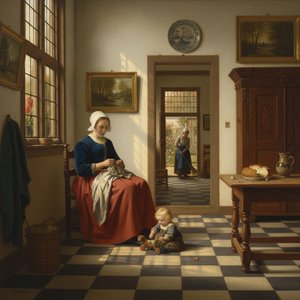
Pieter de Hooch: Illuminating Dutch Domestic Life & Golden Age Charm
Explore the captivating world of Pieter de Hooch, a master of Dutch Golden Age painting. Discover his innovative use of light, intimate domestic scenes, and lasting influence on art history. Learn more at OriginalUniqueArt.

Golden Age Reflections: Dutch Baroque Painting & Cultural Innovation
Explore the Dutch Golden Age of painting! Discover key artists like Vermeer & ter Borch, their innovative techniques, and the rich cultural context behind these Baroque masterpieces. Learn about collecting & appreciating this iconic art period.
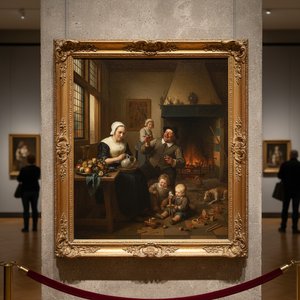
Genre Painting: A Window into Daily Life & Societal Values of the Dutch Golden Age
Explore the captivating world of Dutch Golden Age genre painting! Discover realistic depictions of daily life, masterful artists like Ostade & Metsu, and hidden symbolism. Learn about this influential art movement with OriginalUniqueArt.
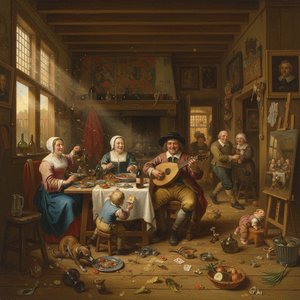
Jan Steen: A Master of Dutch Genre Painting & the Golden Age
Explore the life & art of Jan Steen, a leading Dutch Golden Age painter renowned for his humorous genre scenes & insightful social commentary. Discover his techniques, legacy, and collecting tips.

