

 Previzualizare
 Trimite prin felicitare
 Distribuie
 Detalii despre lucrare
 Ghid
Ghid

 Descarcă imaginea
 Produse similare
 Radiografie
 Galerie foto
 Statistici
Apostles Peter and John
 Oil On Canvas
- WallArt
- Northern Mannerism
 1575
1575 55.0 x 76.0 cm
 Muzeul Hermitaj
 Vezi mai mult
Giclée / Imprimare artistică
Printuri giclée sau pe canvas de calitate muzeală, cu proces de producție rapid și opțiuni flexibile de finisare. ( Comandă pictură realizată manual Comută pe Imagine Digitală)




P118B lei10

P118H lei10

P118W lei10

P438Z lei10

P508JH lei12

P508YH lei12

P805H lei10

P805Z lei10

P919BZ lei10

P919G lei10

P919XJ lei10

P959ZH lei10

P968JZ lei12

W106C lei8

W218G lei10

W218JH lei8

W218Y lei10

W307PJ lei10

W316G lei10

W316PJ lei8

W316Y lei10

W398PJ lei8

W4111J lei10

W500HY lei15

W500JH lei15

W692G lei12

W849H lei8

W940BG lei15

W953PJ lei8




Alegeți dintre dimensiunile noastre prestabilite, care respectă proporțiile originale ale operei de artă.

Introduceți lățimea și înălțimea necesare pentru a se potrivi ramei sau peretelui dumneavoastră. O printare poate fi doar tăiată, niciodată extinsă dincolo de dimensiunea imaginii originale, astfel încât o dimensiune cu o formă diferită va pierde o parte din imagine. Vă trimitem o simulare digitală pentru aprobare înainte de a imprima orice. Imaginea afișată pe această pagină nu prezintă tăierea reală — doar simularea arată acest lucru.
Livrare în întreaga lume () în 2 săptămâni, în loc de cele 4/5 săptămâni standard. (27 Octombrie)

Livrare expres gratuită la nivel mondial

Pânză de in de înaltă calitate

Asigurare completă pentru transport

Garanție de rambursare a taxelor vamale

Garanția fidelității culorilor

Politica de retur în 100 de zile (doar pentru defecte de fabricație)

Garanție de rambursare 100%

Ofertă pentru comenzi multiple
 Opțiunea cu sticlă este disponibilă doar pentru dimensiuni de sub 110 cm

Apostles Peter and John
Giclée / Imprimare artistică
Dimensiune reproducere
-


Preț total calculat
lei 371
A Window into 16th-Century Life: Pieter Aertsen’s “Apostles Peter and John”
Pieter Aertsen's "Apostles Peter and John," painted in 1575, isn’t merely a depiction of a town square; it’s a meticulously constructed microcosm of 16th-century Dutch society – a vibrant tableau brimming with narrative depth and subtle symbolism. Born in Amsterdam during a period of immense artistic ferment, Aertsen skillfully bridged the gap between the rigid formality of Flemish Mannerism and the burgeoning realism that would define the Golden Age of the Netherlands. This painting offers a rare glimpse into daily life, not through grand portraits or religious iconography, but by focusing on the ordinary – a bustling marketplace, conversations amongst neighbors, and the simple routines of everyday existence. The scene unfolds within a carefully rendered town square, its architecture echoing the styles prevalent in Antwerp, where Aertsen spent much of his career, absorbing the city’s dynamic atmosphere and innovative artistic spirit. Notice the attention to detail: the worn cobblestones, the varied clothing reflecting social status, and the modest dwellings all contribute to an incredibly convincing sense of place and time.The Master of Genre Painting – A Revolutionary Approach
Pieter Aertsen is rightfully considered a pioneer in genre painting—a revolutionary approach at the time that elevated everyday life to the level of artistic significance. Unlike traditional historical or religious paintings, which often prioritized heroic narratives and idealized figures, Aertsen chose to depict scenes from ordinary life with remarkable realism and psychological insight. He wasn’t simply recording events; he was constructing miniature worlds, inviting viewers into a complex tapestry of human experience. This is evident in the painting's composition: a seemingly random assortment of individuals engaged in various activities – bartering for goods, sharing gossip, tending to livestock – all interwoven within a larger, more ambiguous narrative. The inclusion of biblical elements—the apostles themselves—is not overtly religious but rather serves as a subtle backdrop, adding layers of meaning and prompting contemplation about faith, morality, and the relationship between the sacred and the secular.Symbolism Woven into the Fabric of Daily Life
Beyond its realistic portrayal of daily life, “Apostles Peter and John” is rich in symbolic detail. The presence of horses and dogs, commonplace sights in 16th-century towns, carries significance. Horses represent wealth, status, and power, while dogs often symbolized loyalty and companionship – yet also, potentially, deceit and temptation. Observe the interactions between the figures: a merchant haggling with a customer, a group of men engaged in animated conversation, a woman tending to her children. Each interaction hints at broader social dynamics—the tensions between rich and poor, the importance of community, and the complexities of human relationships. The inclusion of a partially obscured religious scene – likely referencing the healing of a lame man – subtly underscores the painting’s thematic concerns about faith, charity, and the role of miracles in everyday life.Technique and Artistic Influence
Aertsen's masterful technique is immediately apparent in the painting’s remarkable detail and atmospheric depth. He employs a meticulous approach to rendering textures—the rough surface of wood, the folds of fabric, the sheen of metal—creating a sense of tactile realism that draws the viewer into the scene. The use of chiaroscuro – the dramatic interplay of light and shadow – adds volume and dimension to the figures and objects, further enhancing the painting’s visual impact. Aertsen's work was profoundly influential on subsequent generations of Flemish artists, particularly in the development of Baroque genre painting. His focus on everyday life and his ability to imbue ordinary scenes with psychological depth paved the way for artists like Jan Bruegel the Elder, who continued to explore the complexities of human experience through their paintings. The painting’s composition also echoes the work of Joachim Patinir, another Antwerp artist known for his innovative use of landscape as a backdrop to narrative scenes.OriginalUniqueArt offers meticulously hand-painted reproductions of “Apostles Peter and John,” capturing the essence of Aertsen's masterpiece with unparalleled fidelity. Each reproduction is created by skilled artists using traditional techniques, ensuring that you receive an authentic work of art that will grace your home or office for generations to come.
Întrebări și răspunsuri
Imaginea pentru "Apostles Peter and John" de Pieter Aertsen poate fi reprodusă liber?
"Apostles Peter and John" de Pieter Aertsen este în domeniul public (în domeniul public – drepturile de autor au expirat). Acest statut reglementează modul în care imaginea lucrării poate fi reprodusă.
Pot vedea o previzualizare a "Apostles Peter and John" de Pieter Aertsen înainte de a comanda?
O previzualizare a lucrării "Apostles Peter and John" de Pieter Aertsen este disponibilă pe pagina de Previzualizare în spațiu a acesteia.
Culorile din "Apostles Peter and John" par intense sau delicate?
Culorile din "Apostles Peter and John" de Pieter Aertsen au o intensitate Balanced.
Biografie artist
Pieter Aertsen: The Architect of Domestic Narrative
Pieter Aertsen, a name often whispered in the halls of art history, stands as a pivotal figure bridging the gap between Northern Mannerism and the burgeoning realism of the Dutch Golden Age. Born in Amsterdam around 1508 and tragically dying in the same city in 1575, Aertsen’s legacy isn't defined by grand religious commissions or heroic portraits, but rather by his revolutionary approach to genre painting – a deliberate elevation of everyday life, imbued with layers of symbolism and narrative depth. He wasn’t merely depicting scenes; he was constructing miniature worlds, inviting viewers into a complex tapestry of human experience.
Aertsen's early training under Allaert Claesz provided him with a solid foundation in traditional Flemish techniques. However, it was his relocation to Antwerp, the vibrant heart of artistic innovation during the mid-16th century, that truly shaped his distinctive style. Antwerp’s bustling atmosphere, its diverse population, and its position as a crossroads of European trade fostered an environment ripe for experimentation – a stark contrast to the more rigidly defined religious conventions of the time. Here, he joined the esteemed Guild of Saint Luke, earning the moniker “Langhe Peter,” or Tall Peter, reflecting his imposing stature, a detail often incorporated into his portraits.
The Invention of Monumental Genre
Aertsen’s most significant contribution to art lies in his pioneering work – the creation of what is now recognized as monumental genre scenes. Unlike earlier depictions of domestic life that were relegated to smaller, secondary spaces within religious compositions, Aertsen placed everyday activities – market scenes, butcher shops, still lifes – squarely at the forefront of his canvases. This wasn’t simply a shift in subject matter; it represented a fundamental change in artistic priorities. He deliberately blurred the lines between different genres – still life, landscape, and narrative – creating complex compositions that demanded active engagement from the viewer.
His most famous example, *The Butcher's Shop with the Flight into Egypt* (1551), exemplifies this revolutionary approach. The scene is dominated by a meticulously rendered butcher’s stall overflowing with meat, vegetables, and tools – an astonishingly detailed still life that immediately grabs the viewer’s attention. Yet, subtly interwoven within this seemingly mundane setting are elements of biblical narrative: the Holy Family fleeing into Egypt, depicted in miniature on a small panel above the counter. This layering of realities – the tangible world of commerce juxtaposed with the spiritual realm of faith – became a hallmark of Aertsen's work and profoundly influenced generations of artists to come.
Symbolism and the Language of Objects
Aertsen’s scenes are not merely visually arresting; they are rich in symbolic meaning. Each object, each gesture, carries weight and contributes to a larger narrative or moral commentary. The arrangement of items within a still life, for instance, could represent earthly pleasures versus spiritual rewards, wealth versus poverty, or even the fleeting nature of time. *The Butcher’s Shop* is particularly laden with symbolism: the abundance of food represents worldly prosperity, while the presence of oysters and mussels – associated with lust – serves as a cautionary tale.
Furthermore, Aertsen drew inspiration from earlier artists like Joachim Patinir, who had pioneered the use of landscape elements within religious scenes to create atmospheric depth and visual interest. Aertsen adopted this technique, integrating miniature landscapes – a church window, a pastoral scene – into his genre compositions, further expanding the scope of his narratives and inviting viewers to contemplate multiple realities simultaneously.
Influences and Artistic Development
Initially trained in the traditional Flemish style under Allaert Claesz, Aertsen’s time in Antwerp proved transformative. He absorbed the dynamism and experimentation characteristic of the city's artistic milieu, moving beyond purely religious subjects. His early works demonstrate a meticulous attention to detail and a growing interest in depicting everyday life, foreshadowing his later innovations. The influence of Jan Sanders van Hemessen is evident in Aertsen’s early still lifes, particularly in their compositional complexity and use of light and shadow. However, it was Patinir's technique of incorporating landscapes into religious scenes that truly unlocked Aertsen’s potential for creating layered, multi-dimensional narratives.
Aertsen’s style evolved over time, becoming increasingly bold and expressive. He experimented with new techniques, such as the use of *sfumato* (a hazy, atmospheric effect) to create a sense of depth and realism. His later works are characterized by a greater freedom of brushwork and a more dramatic use of color. The shift from the controlled precision of his early paintings to the looser, more expressive style of his mature work reflects Aertsen’s growing confidence as an artist and his willingness to push the boundaries of traditional painting.
Legacy and Historical Significance
Pieter Aertsen’s influence on subsequent generations of artists is undeniable. His innovative approach to genre painting paved the way for the rise of Dutch still life as a distinct artistic genre, influencing figures like Jan Sanders van Hemessen and, crucially, his son, Pieter Pietersz the Elder. Aertsen's emphasis on realistic detail, combined with his masterful use of symbolism and narrative layering, set a precedent for later artists who sought to capture the complexities of everyday life.
Even more remarkably, Aertsen’s work anticipated developments in Italian painting. The Renaissance humanist Hadrianus Junius (Adriaen de Jonghe) compared Aertsen to Peiraikos, an ancient Greek painter celebrated for his ability to depict ordinary subjects with extraordinary realism and symbolic depth. This comparison underscored Aertsen's pioneering role in challenging traditional artistic conventions and elevating the status of genre painting.
Despite the destruction of many of his works during the iconoclasm of the Beeldenstorm (the Protestant Reformation’s icon-smashing movement) in Amsterdam, Aertsen’s legacy endures. His paintings continue to fascinate art historians and viewers alike, offering a glimpse into a world where the mundane becomes profound and everyday life is transformed into a rich tapestry of meaning.

Pieter Aertsen
1508 - 1575 , Olanda
Detalii rapide
- Artistic Movement Or Style: Northern Mannerism
- Artists Or Movements Influenced By This Artist: ['Joachim Patinir']
- Artists Who Influenced This Artist: ['Allaert Claesz']
- Date Of Birth: 1508, Amsterdam
- Date Of Death: 1575, Amsterdam
- Full Name: Pieter Aertsen
- Nationality: Dutch
- Notable Artworks:
- Butcher's Shop
- Market Woman
- Place Of Birth: Amsterdam, Țările de Jos
Articole similare

John Augustus Atkinson: Romantic Visions of Rural England & Genre Painting's Evolution
Explore the captivating world of John Augustus Atkinson (1775-1830), a key figure in British Romanticism and genre painting. Discover his stunning Russian history scenes, naval art & delicate watercolors. Learn about his legacy at OriginalUniqueArt.
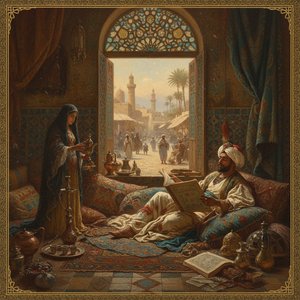
John Frederick Lewis: Orientalism, Detail & Genre Painting in 19th-Century British Art
Explore the captivating Orientalist paintings of John Frederick Lewis! Discover his mastery of detail, genre scenes & influence on 19th-century British art. Learn about his life, techniques & legacy at OriginalUniqueArt.

John Constable: Cele Mai Frumoase 25 de Capodopere – Artă Clasică pentru Decorul Casei Tale
Descoperă cele mai frumoase 25 de picturi ale lui John Constable, maestru al peisajului englezesc! Explorează stilul romantic, Dedham Vale și capodopere precum The Hay Wain. Reproduceri artă clasică pentru decorul casei tale – OriginalUniqueArt.com.
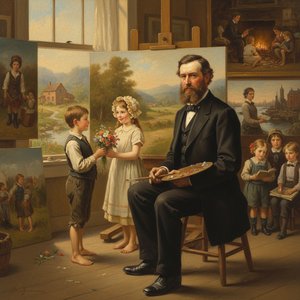
John George Brown: Capturing American Life & Sentiment in 19th-Century Genre Painting
Explore the captivating genre paintings of John George Brown, celebrated for his realistic depictions of 19th-century American life. Discover his legacy & find museum-quality reproductions at OriginalUniqueArt.

John Singer Sargent: Cele Mai Iconice Capodopere – Artă, Portrete și Decorațiuni de Lux
Descoperă cele mai frumoase 25 de picturi ale lui John Singer Sargent! Portrete elegante, acuarele rafinate și capodopere impresioniste. Află povestea fiecărei opere și găsește inspirație pentru decorul casei tale pe OriginalUniqueArt.com.

