
 Previzualizare
 Trimite prin felicitare
 Distribuie
 Detalii despre lucrare
 Ghid
Ghid

 Descarcă imaginea
 Produse similare
 Radiografie
 Galerie foto
 Întrebări și răspunsuri
 Statistici
Shipwreck

- 58.0 x 81.0 cm


 Vezi mai mult
Giclée / Imprimare artistică
Printuri giclée sau pe canvas de calitate muzeală, cu proces de producție rapid și opțiuni flexibile de finisare. ( Comandă pictură realizată manual Comută pe Imagine Digitală)




P118B lei10

P118H lei10

P118W lei10

P438Z lei10

P508JH lei12

P508YH lei12

P805H lei10

P805Z lei10

P919BZ lei10

P919G lei10

P919XJ lei10

P959ZH lei10

P968JZ lei12

W106C lei8

W218G lei10

W218JH lei8

W218Y lei10

W307PJ lei10

W316G lei10

W316PJ lei8

W316Y lei10

W398PJ lei8

W4111J lei10

W500HY lei15

W500JH lei15

W692G lei12

W849H lei8

W940BG lei15

W953PJ lei8




Alegeți dintre dimensiunile noastre prestabilite, care respectă proporțiile originale ale operei de artă.

Introduceți lățimea și înălțimea necesare pentru a se potrivi ramei sau peretelui dumneavoastră. O printare poate fi doar tăiată, niciodată extinsă dincolo de dimensiunea imaginii originale, astfel încât o dimensiune cu o formă diferită va pierde o parte din imagine. Vă trimitem o simulare digitală pentru aprobare înainte de a imprima orice. Imaginea afișată pe această pagină nu prezintă tăierea reală — doar simularea arată acest lucru.
Livrare în întreaga lume () în 2 săptămâni, în loc de cele 4/5 săptămâni standard. (6 Noiembrie)

Livrare expres gratuită la nivel mondial

Pânză de in de înaltă calitate

Asigurare completă pentru transport

Garanție de rambursare a taxelor vamale

Garanția fidelității culorilor

Politica de retur în 100 de zile (doar pentru defecte de fabricație)

Garanție de rambursare 100%

Ofertă pentru comenzi multiple
 Opțiunea cu sticlă este disponibilă doar pentru dimensiuni de sub 110 cm

Shipwreck
Giclée / Imprimare artistică
Dimensiune reproducere
-


Preț total calculat
lei 387
A Tempestuous Vision: Philip James de Loutherbourg’s “Shipwreck”
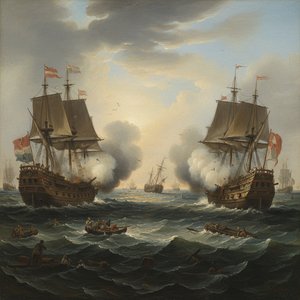
Philip James de Loutherbourg's "Shipwreck," painted in 1793, isn’t merely a depiction of maritime disaster; it’s a visceral exploration of human vulnerability against the overwhelming power of nature. This dramatic landscape, now housed within the Southampton City Art Gallery, transcends simple realism to become a potent allegory for survival, desperation, and the precariousness of existence – themes that resonated deeply with the burgeoning Romantic movement of the late 18th century.
The painting immediately commands attention through its turbulent composition. A colossal wave, rendered in thick, swirling brushstrokes of indigo, ochre, and grey, dominates the scene, threatening to engulf a shattered vessel – the remnants of a once-proud ship now reduced to splintered wood and clinging figures. Loutherbourg masterfully employs chiaroscuro, utilizing stark contrasts between light and shadow to heighten the drama and emphasize the immediate threat. The dark, brooding sky, pregnant with impending storm, mirrors the despair etched on the faces of those struggling for survival amidst the wreckage.
The Baroque Influence & Dramatic Lighting
While firmly rooted in the Romantic sensibility, "Shipwreck" reveals a clear debt to the Baroque tradition, particularly in its theatrical use of light and shadow. Loutherbourg, who had trained under Charles-André van Loo, inherited a penchant for dramatic effects – a skill he honed not only as a painter but also as a stage designer for London’s Drury Lane Theatre. This influence is evident in the painting's heightened emotional intensity and its carefully orchestrated composition, designed to draw the viewer directly into the heart of the scene.
The figures themselves are illuminated from the left, casting long, dramatic shadows that accentuate their vulnerability and heighten the sense of urgency. Loutherbourg’s technique is particularly noteworthy in his rendering of water – not as a smooth, reflective surface, but as a chaotic, dynamic force, teeming with movement and energy. The artist's attention to detail extends to the depiction of the ship itself, meticulously rendered with a sense of both grandeur and impending doom. The use of layered textures—the rough splintered wood, the slickness of the waves, the ragged clothing of the survivors—adds considerable depth and realism to the scene.
Symbolism & The Romantic Spirit
Beyond its immediate depiction of a shipwreck, “Shipwreck” is rich in symbolic meaning. The storm represents not just a natural event but also the unpredictable forces that govern human life – fate, adversity, and the limitations of control. The survivors, huddled together on the rocks, embody the resilience of the human spirit in the face of overwhelming odds. Their desperate struggle for survival speaks to our shared vulnerability and our innate desire to endure.
The inclusion of bandits attacking the lifeboat adds another layer of complexity, suggesting a broader theme of exploitation and injustice. It’s a subtle but powerful commentary on the darker aspects of human nature – the willingness to prey upon the weak in times of crisis. This painting perfectly encapsulates the Romantic spirit's fascination with both the sublime beauty and terrifying power of the natural world, alongside its exploration of profound emotional experiences.
A Legacy of Dramatic Art
Philip James de Loutherbourg’s “Shipwreck” stands as a testament to his artistic versatility and his ability to capture the drama and intensity of human experience. It's a work that continues to resonate with viewers today, prompting reflection on our own vulnerabilities and our capacity for both despair and resilience. The painting’s enduring appeal lies in its masterful composition, its evocative use of light and shadow, and its profound exploration of timeless themes – all rendered with the skill and passion characteristic of a true Romantic artist.
Întrebări și răspunsuri
Cum echilibrează "Shipwreck" lumina și întunericul?
Valorile înregistrate pentru "Shipwreck" de Philip James de Loutherbourg sunt: luminozitate de deep_shadow, luminanță de Dark.
Ce dimensiuni are originalul "Shipwreck"?
„Shipwreck” măsoară 58 x 81 cm în formatul său original. Dimensiunile originale reprezintă o referință utilă atunci când alegeți dimensiunea unei reproduceri.
În ce etapă a carierei lui Philip James de Loutherbourg se încadrează "Shipwreck", având în vedere data sa de execuție?
"Shipwreck", creat în 1767, aparține perioadei Mature Period din cariera lui Philip James de Loutherbourg."
Biografie artist
Philip James de Loutherbourg: O viață dedicată artei, teatru și intrigii
- Naștere: Strasbourg, Franța (1740)
- Deces: 1812
Philip James de Loutherbourg, cunoscut și sub numele de Philip Jacques de Loutherbourg, a fost un pictor franco-britanic celebru pentru reprezentările sale dramatice ale bătăliilor navale, peisajele vaste și contribuțiile sale inovatoare în designul teatral. Cariera sa s-a întins pe parcursul mai multor decenii, fiind marcată de o versatilitate artistică remarcabilă, de o scurtă incursiune în lumea ocultului și de o influență semnificativă asupra generațiilor ulterioare de artiști.
Primii ani și formarea artistică
Născut la Strasbourg în 1740, primii ani ai lui Loutherbourg au fost modelați de figura tatălui său, un gravor și miniaturist. Deși inițial era destinat unei cariere în biserică, el a renunțat la această cale pentru a-și urma pasiunea pentru artă. Formarea sa formală a început la Paris, sub îndrumarea lui Charles-André van Loo și Francesco Giuseppe Casanova. Loutherbourg a demonstrat rapid un talent excepțional, obținând recunoaștere la Salonul din 1763 prin peisajul său ce includea figuri și animale. A continuat să expună cu succes în Saloanele următoare, primind laude de la critici influenți precum Denis Diderot. În 1767, a fost ales în Academia Franceză, o dovadă clară a reputației sale în plină ascensiune.
Cariera în Anglia: Scene navale, peisaje și teatru
În 1771, Loutherbourg s-a mutat la Londra, unde s-a impus rapid ca un artist de prim rang. O recomandare esențială din partea lui David Garrick i-a deschis calea către comenzi importante pentru scenografii la Teatrul Drury Lane. Inovațiile sale teatrale au fost revoluționare, incluzând crearea Eidophusikon în 1771 – un teatru mecanic ce utiliza perspectivă și efecte iluzioniste pentru a crea scene imersive. Această invenție i-a demonstrat ingeniozitatea și l-a marcat drept un pionier al tehnologiei teatrale.
În același timp, Loutherbourg a câștigat renume pentru picturile sale istorice, în special pentru reprezentările bătăliilor navale. Cea mai faimoasă operă a sa, Lord Howe's Action, or the Glorious First of June (1795), a comemorat o victorie britanică semnificativă și l-a consacrat ca un cronicar de elită al evenimentelor maritime. Peisajele sale, deși uneori criticate pentru un anumit caracter teatral, au surprins frumusețea pitorească a mediului rural englezesc și au reflectat idealurile estetice ale epocii.
- Opere Notabile: Lord Howe's Action, or the Glorious First of June, The Destruction of the Armada, Coalbrookdale by Night
O perioadă de interese ocultiste și anii de după
Într-o întorsătură surprinzătoare, Loutherbourg a abandonat temporar pictura în 1789 pentru a urmări pasiunea pentru alchimie și fenomenul supranatural. A devenit asociat cu Alessandro di Cagliostro, o figură infamă cunoscută pentru afirmațiile frauduloase despre nemurire și puteri oculte. Loutherbourg a călătorit alături de Cagliostro înainte ca acesta să fie condamnat la moarte, deși detaliile acestei perioade rămân destul de obscure. În urma opoziției publice față de practicile sale de vindecare prin credință, s-a întors la pictură, concentrându-se pe subiecte istorice și continuând să creeze peisaje și portrete.
Moștenire și influență
Philip James de Loutherbourg a lăsat în urmă o moștenire durabilă, fiind un artist versatil care a unit pictura istorică, arta peisajului și designul teatral. Inovația sa, Eidophusikon, a influențat dezvoltările ulterioare ale scenografiei, în timp ce scenele sale navale dramatice au capturat spiritul unei ere definite de puterea maritimă. Operele sale pot fi găsite în numeroase muzee din întreaga lume, inclusiv în National Maritime Museum și British Museum. Este, de asemenea, recunoscut pentru influența asupra unor artiști precum J.M.W. Turner, demonstrând contribuția sa semnificativă la dezvoltarea artei romantice în Marea Britanie.

Philip James de Loutherbourg
1740 - 1812 , Franța
Detalii rapide
- Artistic Movement Or Style: Romanticism
- Artists Or Movements Influenced By This Artist: ['Turner']
- Date Of Birth: 1740-10-31
- Full Name: Philip James de Loutherbourg
- Nationality: Franco-British
- Notable Artworks:
- Lord Howe's Action, or the Glorious First of June
- The Destruction of the Armada
- Coalbrookdale by Night
- Place Of Birth: Strasbourg, France
Articole similare
Masterpieces of Maritime Warfare: The Artistry and Intensity of Naval Combat in Historical Painting
Explore the dramatic intensity of naval combat through art history. From Romanticism to classical maritime masterpieces, discover how legendary painters captured the chaos, light, and heroism of sea battles in breathtaking oil paintings.

Cu privire la noi
Descoperă povestea noastră! Aduceți arta de talie mondială în viața dumneavoastră prin selecție expertă, creații personalizate și previzualizări gratuite. Aprobate de persoane fizice și companii din 2000.

Willem van de Velde the Elder: Master of Maritime Painting & Chronicler of the Dutch Golden Age
Discover the captivating maritime paintings of Willem van de Velde the Elder, a master chronicler of the Dutch Golden Age. Explore his unparalleled realism and lasting influence on naval art history.

Philip James de Loutherbourg: Romantic Visions of Maritime Life & the Sublime
Explore the dramatic naval scenes & landscapes of Philip James de Loutherbourg (1740-1812), a key figure in Romantic painting. Discover his legacy, theatrical innovations & iconic works like 'The Battle of the Nile' at OriginalUniqueArt.

Goya: Cele Mai Iconice Capodopere – Artă Spaniolă pentru Decor Rafinat | OriginalUniqueArt.ro
Descoperă cele mai frumoase 25 de picturi ale lui Francisco Goya! Explorează capodoperele romantice, portretele impresionante și gravurile puternice. Reproduceri artă spaniolă de calitate muzeală pentru un decor rafinat. Explorează colecția completă online pe OriginalUniqueArt.com
