

 Trimite
 Distribuie
 Detalii
 Ghidul

 Descarcă
 Produse similare
 Diaporama
 Statistici
Thomas Fenton


 Citește mai mult
Reproducere pictată manual în ulei
Pictură în ulei pe pânză, realizată manual de artiștii noștri la dimensiunea și ramele dorite de dumneavoastră, pe comandă. ( Comută pe versiunea Print Treci la imagine digitală)




































Alegeți dintre dimensiunile noastre prestabilite, care respectă proporțiile originale ale operei de artă.

Puteți introduce propriile dimensiuni pentru a se potrivi unui anumit cadru sau spațiu. Dacă dimensiunea selectată nu corespunde proporțiilor imaginii originale, vom decupa opera de artă sau vom extinde pictura cu elemente suplimentare pictate manual. O simulare digitală vă va fi trimisă pentru aprobare înainte de începerea producției.
Vă rugăm să rețineți că previzualizarea de pe ecran nu reflectă decuparea sau extinderea reală. Doar macheta va arăta cu exactitate compoziția finală.
Deși sunt disponibile dimensiuni personalizate, vă recomandăm să selectați o dimensiune din lista predefinită pentru a păstra proporțiile originale.
După plasarea comenzii, echipa OriginalUniqueArt.com va contacta clientul prin e-mail pentru instrucțiuni și îi va furniza o previzualizare a machetei
Livrare în întreaga lume () în 3-4 săptămâni, în loc de cele 5 săptămâni standard. (26 Septembrie). Fără compromisuri în ceea ce privește calitatea.

Livrare expres gratuită la nivel mondial

Pânză de in premium

Asigurare completă pentru transport

Garanție de rambursare a taxelor vamale

Garanția fidelității culorilor

Politica de retur în 100 de zile (doar pentru defecte)

Garanție de rambursare 100%

Reducere pentru comenzi multiple
 Opțiunea cu sticlă este disponibilă doar pentru dimensiuni de sub 110 cm

Thomas Fenton
Tip de reproducere
Dimensiune reproducere
-


Preț total
$ 300
Thomas Fenton by Olin Levi Warner: A Portrait of Quiet Contemplation
“Thomas Fenton,” sculpted by Olin Levi Warner in 1878, is a remarkable plaster sculpture housed within the Smithsonian American Art Museum's esteemed collection. This piece exemplifies Warner’s mastery of classical sensibilities and his keen eye for capturing nuanced human expression. It offers viewers a glimpse into late 19th-century portraiture and the artistic skill of a prominent American sculptor.
The Artist: Olin Levi Warner
Olin Levi Warner (1844-1896) was an American sculptor who honed his craft through rigorous training in Paris at the École des Beaux-Arts. He studied under François Jouffroy and served as an assistant to the renowned Jean-Baptiste Carpeaux, absorbing invaluable techniques and artistic philosophies. Returning to America, Warner established himself as a leading figure in the art scene, founding the Society of American Artists and becoming an associate of the National Academy of Design. His work is characterized by its classical influences, restrained style, and exceptional attention to detail, all evident in “Thomas Fenton.” Warner’s later years were marked by a dedication to capturing Native American subjects, further demonstrating his artistic range.
A Detailed Examination of "Thomas Fenton"
The sculpture depicts a man with a distinguished appearance – a beard and spectacles suggest intellect and perhaps age. Warner masterfully captures a sense of quiet contemplation in the subject’s expression. The level of detail is striking; one can almost feel the texture of the hair and skin through the artist's skillful rendering. Key features include:
- Material: Plaster
- Date: 1878
- Collection: Smithsonian American Art Museum
- Style: Classical Realism
The sculpture’s composition is simple yet effective, focusing entirely on the head and shoulders of the subject. This allows for a concentrated exploration of facial features and expression, creating an intimate connection between the viewer and the portrayed individual.
Symbolism and Emotional Impact
"Thomas Fenton" transcends mere representation; it evokes a sense of dignity, introspection, and perhaps even melancholy. The man’s gaze suggests deep thought, inviting viewers to ponder his story and inner world. Portraiture in this era often served as a means of commemorating individuals and preserving their memory for posterity. Warner's skill elevates "Thomas Fenton" beyond a simple likeness; it becomes a poignant reflection on the human condition.
Reproductions and Legacy
For those who appreciate the beauty and historical significance of “Thomas Fenton,” OriginalUniqueArt.com offers meticulously crafted, handmade oil painting reproductions. These reproductions allow art enthusiasts to experience Warner’s artistry in their own homes while preserving the integrity of the original artwork. The Smithsonian American Art Museum diligently conserves "Thomas Fenton," ensuring its preservation for future generations. Olin Levi Warner's legacy continues through his impactful sculptures, including this compelling portrait that exemplifies classical realism and artistic excellence.
Biografie artist
Sculptorul Umbrelor și al Luminii: Viața lui Olin Levi Warner
În analele sculpturii americane de la sfârșitul secolului al XIX-lea, puține nume evocă echilibrul delicat dintre măreția clasică și realismul intim cu o profunzime atât de aparte precum Olin Levi Warner. Născut în 1844, în liniștea orașului Suffield, Connecticut, Warner purta în sângele său o greutate istorică, fiind descendent al eroului Războiului de Independență, Seth Warner. Această legătură ancestrală cu legenda americană i-a predeterminat, poate, devotamentul pe viață față de arta comemorării. Înainte de a mânui vreodată daltă asupra marmurii sau bronzului, mâinile lui Warner erau familiarizate cu practicalitatea erei moderne; primii ani petrecuți ca artizan și operator de telegraf i-au oferit o precizie disciplinată și unică — o dexteritate tehnică ce avea să definească ulterior detaliul meticulos al cap masterpiece-urilor sale sculpturale.
Traiectoria vieții lui Warner s-a schimbat irevocabil în 1869, când a căutat sufletul artistic al Europei. Ajuns la Paris, s-a cufundat în atmosfera academică riguroasă a École nationale supérieure des beaux-arts. Sub îndrumarea lui François Jouffroy, Warner a început să stăpânească limbajul formei clasice, însă asocierea sa cu legendarul Jean-Baptiste Carpeaux a fost cea care i-a aprins cu adevărat spiritul creativ. De la Carpeaux, Warner a învățat să infuzeze tradițiile rigide ale sculpturii academice cu un sentiment de vitalitate și mișcare, o marcă stilistică ce i-ar fi permis să surprindă nu doar asemănarea unui subiect, ci însăși esența acestuia. Chiar și turbulențele Războiului Franco-Prusac nu au putut deraia evoluția sa artistică; înrolat în Legiunea Străină, a ieșit din conflict cu o hotărâre profundă de a aduce nuanțele sofisticate ale sculpturii franceze pe pământ american.
O moștenire în relief și bronz
La întoarcerea sa la New York în 1872, Warner s-a impus ca un pionier al unui mediu captivant și specific: medalionul portret în basrelief. În timp ce mulți dintre contemporanii săi se concentrau pe scara monumentală a statuilor de mari dimensiuni, Warner a găsit o expresie profundă în contururile elegante și puțin adânci ale lucrărilor în relief. Capacitatea sa de a manipula lumina și umbra pe suprafețele de bronz și gips i-a permis să creeze portrete care păreau simultan atemporale și intens personale. Această măiestrie este poate cea mai evidentă în lucrări precum "Thomas Fenton," o sculptură din gips din 1878, care demonstrează abilitatea sa uimitoare de a reda nuanțate expresii umane, surprinzând un sentiment de contemplare intelectuală și liniștită prin texturile subtile ale părului și ale pielii.
Repertoriul artistic al lui Warner era departe de a fi monolit. Deși a fost un maestru al neoclasicismului, explorările sale ulterioare au dezvăluit o empatie profundă pentru tapiseria diversă a experienței americane. Expedițiile sale în Teritoriul de Nord-Vest i-au dus la o fascinație transformatoare față de cultura Native Americană. Această perioadă a generat unele dintre cele mai emoționante realizări ale sale, inclusiv relieful din bronz din 1891 al Șefului Ya Tin Ee Ah Witz din tribul Cayuse. În aceste opere, Warner a depășit simpla documentare; el și-a utilizat tehnica rafinată pentru a dărui demnitate, solemnitate și permanență istorică subiectelor sale, făcând puntea între tradiția clasică europeană și realitatea brută și puternică a frontierii americane.
Eminență artistică și semnificație istorică
Semnificația lui Olin Levi Warner se extinde mult dincolo de obiectele fizice pe care le-a lăsat în urmă. A fost o figură fundamentală în instituționalizarea artei americane, jucând un rol vital în stabilirea comunităților artistice profesionale. Contribuțiile sale la următoarele organizații i-au consolidat statutul de lider al generației sale:
- The Society of American Artists: Ca fondator al acestui grup influent în 1877, Warner a ajutat la crearea unei platforme pentru ca artiștii să depășească constrângerile conservatoare și să adopte stiluri mai moderne și expresive.
- The National Academy of Design: Afilierea sa cu această instituție prestigioasă reflecta poziția sa printre practicanții de elită ai sculpturii americane.
Deși viața i s-a încheiat prematur în 1896, impactul lui Warner rămâne gravat în bronzul și gipsul celor mai estimate colecții din lume, inclusiv Smithsonian American Art Museum și The Walters Art Museum. El rămâne o figură pivot care a reușit să traducă tehnicile sofisticate ale tradiției franceze Beaux-Arts într-un vocabular sculptural unic american — unul care onora trecutul prin frumusețea meticuloasă a medalionului portret, privind în același timp spre o reprezentare mai realistă și incluzivă a umanității.
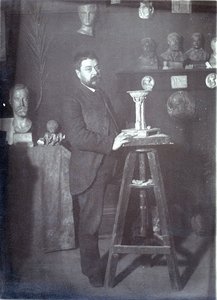
Olin Levi Warner
1844 - 1896 , Statele Unite ale Americii
Informații rapide
- Artistic Movement Or Style: Sculptură în relief ieșit
- Artists Or Movements Influenced By This Artist: ['Neoclasicism']
- Artists Who Influenced This Artist: ['Jean-Baptiste Carpeaux']
- Date Of Birth: Suffield, State Uniti ale Americii
- Date Of Death: 1896
- Full Name: Olin Levi Warner
- Nationality: American
- Notable Artworks:
- Thomas Fenton
- Portretul unui bărbat
- Place Of Birth: Connecticut
Articole conexe

Top 10 Capodopere din Bronz care au Revoluționat Arta | OriginalUniqueArt.ro
Descoperiți Top 10 capodopere din bronz care au revoluționat arta! Rodin, Michelangelo și alții. Aflați istoria sculpturilor clasice și inspirație pentru decorul casei dvs. Reproduceri de artă de calitate muzeală pe OriginalUniqueArt.com

The Enduring Form: Sculpture Across History, Technique & Emotional Resonance
Explore the rich history of sculpture with OriginalUniqueArt. Discover key techniques, influential artists & investment potential for discerning collectors. Expert insights into valuing and collecting timeless masterpieces.

The Enduring Form: Exploring Themes & Techniques in Sculpture Across Historical Periods
Explore the rich history of sculpture from ancient masterpieces to contemporary innovations. Discover key techniques, influential artists & investment potential for discerning art collectors.

Top 10 Capodopere din Bronz care au Revoluționat Arta – Inspirație pentru Decor
Descoperă Top 10 sculpturi din bronz care au schimbat istoria artei! Explorează operele lui Rodin, Michelangelo și alți maeștri, tehnicile lor unice și inspirația pentru decorul casei tale. Replici de calitate muzeală pe OriginalUniqueArt.com.
Paul Manship: Reassessing the Master of American Art Deco Sculpture
Explore the captivating world of Paul Manship, a leading figure in American Art Deco sculpture. Discover his iconic works like Prometheus, influence on modernism, and investment potential. Expert insights for collectors.