

 Vezi în context
 Trimite
 Distribuie
 Detalii

 Descarcă
 Produse similare
 Radiografie
 Diaporama
 Statistici
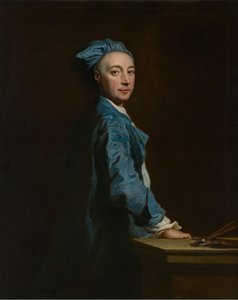
Mr. Oldham and his Friends
 Oil On Canvas
- WallArt
- Rococo Period
 1750
1750- Early Modern
 105.0 x 130.0 cm
 Tate Gallery
 Citește mai mult
Achiziționați o imagine digitală de înaltă rezoluție, îmbunătățită, mult superioară previzualizării online.
Fiecare fișier este pregătit cu meticulozitate de specialiștii noștri interni, utilizând instrumente avansate și retușare manuală expertă. Ne asigurăm că fiecare imagine beneficiază de o claritate excepțională, o acuratețe precisă a culorilor și detalii fine.
Fișierul final este livrat prin e-mail în termen de 72 de ore, optimizat pentru utilizare imediată în medii profesionale, editoriale și de imprimare. Aceasta este aceeași calitate în care au încredere studiouri de design, edituri și galerii de top.
Imagine Digitală
Descărcați un fișier la rezoluție înaltă pentru afișare personală, imprimare și proiecte creative. ( Comută pe versiunea Print Comandă pictură realizată manual)
Inclus în fiecare comandă de imagini digitale
Livrare digitală de expertiză, garantată
Când alegeți OriginalUniqueArt.com, nu primiți doar o simplă imagine – primiți o operă de artă digitală îmbunătățită profesional, creată cu precizie și susținută de o garanție de satisfacție. Iată tot ceea ce primești odată cu comanda ta, în mod automat:

Livrare rapidă prin e-mail
Fișierul imaginii digitale la rezoluție înaltă vă va fi trimis prin e-mail în termen de 72 de ore de la finalizarea comenzii – gata pentru utilizare imediată.

Fișier digital optimizat prin IA
Opera ta de artă este optimizată profesional prin intermediul unor instrumente AI avansate și al editării manuale, asigurând un nivel maxim de detalii, claritate și acuratețe a culorilor.

Retransmitere gratuită pe viață
Ai șters sau ai pierdut din greșeală fișierul? Nu îți face griji – ți-l vom retrimite oricând, gratuit.

Fără taxe de import – Întotdeauna
Bucură-te instant de noua ta operă de artă, fără taxe vamale, taxe de import sau costuri de livrare – descărcările digitale sunt întotdeauna fără taxe.

Garanția fidelității culorilor
Asigurăm o reflectare cât mai fidelă a culorilor originale în imaginea ta digitală, prin utilizarea unor instrumente profesionale și a proceselor de gestionare a culorii.

Garanție de satisfacție de 100 de zile
Dacă nu sunteți mulțumit de imaginea digitală achiziționată, o vom revizui sau vă vom returna 100% în termen de 100 de zile – fără nicio întrebare.

Garanție de returnare 100% a banilor
Nu ești mulțumit? Primești rambursarea integrală în termen de 100 de zile de la primirea fișierului digital – fără nicio întrebare.

Reduceri pentru comenzi în volum
Cumpără 3 imagini, economisește 10% - Cumpără 5, economisește 15% - Cumpără 10+, economisește 20%. Ideal pentru proiecte creative, galerii și agenții.
A Glimpse into Georgian Camaraderie
In the soft, amber glow of an imagined mid-eighteenth-century evening, Joseph Highmore’s “Mr. Oldham and his Friends” invites the viewer to step into a world of refined leisure and quiet intellectual intimacy. Painted in 1750, this masterpiece serves as a window into the heart of Georgian England, capturing a moment that transcends mere portraiture to become a celebration of social bond and shared experience. The composition centers on four gentlemen gathered around a mahogany table, their relaxed postures and engaged expressions suggesting a conversation caught mid-sentence. There is an undeniable warmth in the scene; the subtle presence of wine glasses and a communal bowl hints at a ritual of conviviality, where the boundaries between formal status and personal friendship blur under the light of mutual respect.
Highmore, a painter who masterfully navigated the transition from the grandiosity of the Baroque to the delicate grace of the Rococo, utilizes this scene to showcase his profound ability to capture character. One gentleman, distinguished by a hat perched elegantly atop his head, adds a touch of aristocratic flair that anchors the group in their social stratum, yet the overall atmosphere remains remarkably accessible and human. For the collector or interior designer, this piece offers more than just a historical record; it provides an emotional anchor for a room, evoking a sense of timeless stability and the enduring value of companionship.
Mastery of Light and Texture
Technically, the painting is a triumph of chiaroscuro, a technique Highmore adapted from the great Baroque masters like Rembrandt to breathe life into his subjects. By employing dramatic contrasts between deep, velvety shadows and luminous highlights, he sculpts the figures, giving them a three-dimensional presence that feels almost tactile. This play of light does more than define form; it directs the eye through the narrative of the painting, drawing attention to the glint of glass, the rich grain of the wood, and the intricate folds of fine fabrics. The artist’s meticulous attention to detail—the way light catches the rim of a wine glass or the subtle texture of a gentleman's waistcoat—demonstrates a level of craftsmanship that elevates the work from a simple "conversation piece" to a profound study in materiality.
The Rococo influence is felt in the painting’s lighter, more graceful tonal palette, which avoids the heavy somberness of earlier eras in favor of an air of elegance. This delicate balance between shadow and light creates a psychological depth, suggesting that beneath the surface of this pleasant gathering lies a rich inner life and a history of shared secrets and intellectual pursuits. Such technical sophistication makes a high-quality reproduction of this work an exquisite addition to any curated collection, offering a sophisticated interplay of light and shadow that can transform the ambiance of a sophisticated study or a grand dining hall.
Symbolism and the Spirit of an Era
Beyond its aesthetic allure, “Mr. Oldham and his Friends” is steeped in the cultural symbolism of the 1750s. The very act of gathering around wine serves as a metaphor for the era's values: indulgence, pleasure, and the cultivation of taste. In the context of Georgian England, such scenes were not merely decorative but were statements of social identity. The painting subtly underscores the importance of patronage and the role of the landed gentry in fostering a culture of refinement and intellectual curiosity. The presence of the mahogany table—a luxury item of the period—further reinforces the themes of prosperity and the global reach of British commerce during this era.
For those looking to bring a piece of history into their contemporary spaces, this artwork offers a profound sense of continuity. It speaks to the universal human desire for connection and the beauty found in quiet, shared moments. Whether placed in a modern minimalist setting to provide a classical counterpoint or integrated into a traditional period room, Highmore’s work continues to resonate, offering an evocative narrative of friendship that remains as relevant today as it was two and a half centuries ago.
Biografie artist
A Life Dedicated to Likeness and Narrative
Joseph Highmore, born in London in 1692, emerged as a pivotal figure within the evolving landscape of 18th-century English art. His journey began amidst familial expectations geared towards a legal career—a path he ultimately abandoned at seventeen to wholeheartedly pursue his artistic inclinations. This decisive turn led him to the studios of Sir Godfrey Kneller and anatomy lectures delivered by William Cheselden, foundational experiences that shaped his technical skill and profound understanding of the human form. Initially influenced by the grand Baroque tradition exemplified by Kneller, Highmore’s style would gradually embrace the more delicate aesthetics of the Rococo period, a shift reflective of broader cultural currents sweeping across Europe. He wasn't merely a painter; he was a keen observer of society, and his canvases became mirrors reflecting the lives, manners, and moral concerns of Georgian England.Early Influences and Artistic Training
Highmore’s formative years were marked by rigorous artistic training—a cornerstone of his enduring success. Recognizing the importance of anatomical accuracy and mastering perspective, he enrolled in Kneller's Academy, where he honed his skills alongside fellow artists destined for prominence. This immersive environment fostered a deep appreciation for classical ideals and instilled a meticulous attention to detail that would characterize his oeuvre. Furthermore, Cheselden’s anatomy lectures provided invaluable insight into the human body—a knowledge that profoundly informed Highmore’s depictions of figures with remarkable realism and psychological depth. These influences solidified his commitment to portraying humanity with sensitivity and nuance, distinguishing him from many of his contemporaries who favored stylized representations.Royal Patronage and Artistic Recognition
Highmore's early career benefited significantly from royal patronage during the 1730s and 40s—a circumstance that propelled him to international acclaim. Commissions from King George II and General James Wolfe demanded exceptional artistic prowess, resulting in portraits that captured not only physical likeness but also intangible qualities of character and presence. These works stand as enduring symbols of Georgian grandeur and exemplify Highmore’s ability to convey dignity and authority through visual artistry. The patronage afforded him invaluable opportunities for experimentation and refinement—allowing him to explore diverse stylistic approaches while maintaining a steadfast commitment to technical excellence.A Journey Through Europe: Artistic Expansion
Between 1732 and 1734, Highmore embarked on a transformative voyage that broadened his artistic horizons beyond the confines of England. His travels through the Netherlands and France exposed him to the masterpieces of Rubens and van Dyck—artists whose techniques and sensibilities profoundly impacted his own style. Observing these masters at work instilled in him an appreciation for compositional balance, tonal modulation, and expressive brushwork—elements he skillfully integrated into his subsequent paintings. This exposure fostered a cosmopolitan sensibility that enriched his artistic vision and cemented his reputation as one of the era’s foremost portraitists.The Conversation Piece Genre and Georgian Society
Highmore distinguished himself within the burgeoning genre of “conversation pieces”—group portraits depicting families or friends engaged in informal gatherings—a format particularly favored by the middle class during the Georgian period. These canvases weren't simply representations of social status; they were narratives imbued with psychological insight, capturing the nuances of human interaction and conveying a sense of domestic tranquility. Highmore excelled at portraying individuals within their environments—creating scenes that felt authentically lived-in and revealing subtle expressions of emotion and personality. His meticulous attention to detail—from drapery folds to facial features—served to heighten the realism of these portraits and elevate them beyond mere likeness into evocative depictions of Georgian life. Mr Matthew Bell, for example, showcases a dignified composure typical of his Rococo realism, while portraits like Anthony Highmore reveal an elegant attire and timeless composition.Illustrating Virtue: ‘Pamela’ and Beyond
While renowned for his portraiture, Joseph Highmore achieved widespread recognition through a unique project that bridged the worlds of art and literature. In 1744, he embarked on a series of twelve paintings inspired by Samuel Richardson's immensely popular novel, *Pamela, or Virtue Rewarded*. These illustrations weren’t merely decorative accompaniments to the text; they were carefully considered interpretations of key scenes, designed to amplify the story’s emotional impact and moral message. The engravings derived from these paintings, executed by Benoist and Louis Truchy, further disseminated Richardson's narrative to a wider audience, effectively making Highmore an instrumental figure in popularizing the novel. Beyond *Pamela*, Highmore also ventured into historical painting, exemplified by his donation of Hagar and Ishmael to the Foundling Hospital—a testament to both his artistic skill and his engagement with contemporary social issues. This work, along with others, reveals a willingness to explore complex themes and narratives beyond the realm of portraiture, reflecting a deep sensitivity to the vulnerabilities within society.Later Years and Legacy
In 1762, at the age of seventy, Highmore retired to Canterbury, where he lived with his daughter and son-in-law, continuing to engage intellectually through art historical writings—including a critical examination of Rubens’s work. He passed away peacefully in 1780, aged eighty-seven, and was buried in accordance with a statute designed to support the wool trade. Joseph Highmore's legacy rests on his significant contribution to English Rococo painting—a style characterized by elegance, refinement, and an unparalleled ability to capture human emotion. His paintings continue to captivate audiences today as enduring symbols of Georgian artistry and exemplify Highmore’s unwavering dedication to technical excellence and artistic innovation. He wasn’t simply a recorder of appearances; he was a storyteller who used paint to illuminate the lives, values, and aspirations of his time—a testament to the transformative power of art.- Family Connections: Susanna Highmore (née Hiller): His wife, a poet whose works remain largely unpublished.
- Anthony Highmore: His son, also an artist.
- Anthony Highmore Jr.: A grandson who became a writer on legal affairs and a social activist.
Joseph Highmore
1692 - 1780 , Regatul Unit
Informații esențiale
- Artistic Movement Or Style: Rococo
- Artists Who Influenced This Artist:
- Kneller
- Rubens
- van Dyck
- Date Of Birth: 1692
- Date Of Death: 1780
- Full Name: Joseph Highmore
- Nationality: Britanic
- Notable Artworks:
- Pamela ilustrații
- Domnul Matthew Bell
- Hagar și Ishmael
- Place Of Birth: Londra, UK