
 Previzualizare
 Trimite
 Distribuie
 Detalii despre lucrare

 Descarcă
 Produse similare
 Radiografie
 Diapozitive automate
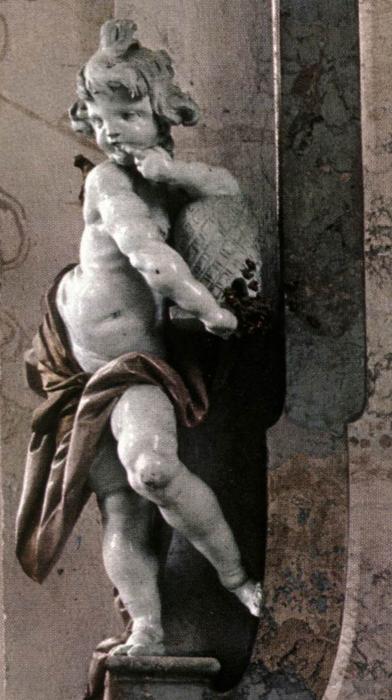
Angel


 Vezi mai mult
Reproducere pictată manual în ulei
Pictură în ulei pe pânză, realizată manual de artiștii noștri la dimensiunea și ramele dorite de dumneavoastră, pe comandă. ( Comandă printul Cumpără imaginea)




































Alegeți dintre dimensiunile noastre prestabilite, care respectă proporțiile originale ale operei de artă.

Puteți introduce propriile dimensiuni pentru a se potrivi unui anumit cadru sau spațiu. Dacă dimensiunea selectată nu corespunde proporțiilor imaginii originale, vom decupa opera de artă sau vom extinde pictura cu elemente suplimentare pictate manual. O simulare digitală vă va fi trimisă pentru aprobare înainte de începerea producției.
Vă rugăm să rețineți că previzualizarea de pe ecran nu reflectă decuparea sau extinderea reală. Doar macheta va arăta cu exactitate compoziția finală.
Deși sunt disponibile dimensiuni personalizate, vă recomandăm să selectați o dimensiune din lista predefinită pentru a păstra proporțiile originale.
După plasarea comenzii, echipa OriginalUniqueArt.com va contacta clientul prin e-mail pentru instrucțiuni și îi va furniza o previzualizare a machetei
Livrare în întreaga lume () în 3-4 săptămâni, în loc de cele 5 săptămâni standard. (16 August). Fără compromisuri în ceea ce privește calitatea.

Livrare expres gratuită la nivel mondial

Pânză de in de înaltă calitate

Asigurare completă pentru transport

Garanție de rambursare a taxelor vamale

Garanția fidelității culorilor

Politica de retur în 60 de zile (doar pentru defecte)

Garanție de rambursare 100%

Ofertă pentru comenzi multiple
 Opțiunea cu sticlă este disponibilă doar pentru dimensiuni de sub 110 cm

Angel
Tehnică de reproducere
Dimensiune reproducere
-


Preț total calculat
$ 300
Biografie artist
Joseph Anton Feuchtmayr: Sculptor of Rococo Grace
Joseph Anton Feuchtmayr (1696 – 1770) stands as a pivotal figure in the Wessobrunner School of sculpture and stucco art, shaping the aesthetic landscape of southern Germany and Switzerland during the High Baroque and early Rococo periods. Born into a distinguished artistic lineage—descendants of Johann Michael Feuchtmayer (the Elder)—he inherited not only talent but also an unwavering dedication to mastering the craft of transforming stone into breathtakingly luminous forms. His legacy resides in his masterful execution of monumental sculptures and intricate stucco decorations, particularly within monastic churches, where he achieved unparalleled renown.Early Life and Artistic Training
Feuchtmayr’s formative years were spent in Linz, Austria, where he received a rigorous artistic education under the tutelage of his father, Franz Joseph Feuchtmayer—a sculptor himself—and other prominent artists of the Wessobrunner School. This environment instilled within him a profound understanding of Baroque sculptural principles and techniques, emphasizing dynamism, emotional expression, and anatomical accuracy. Notably influenced by Diego Francesco Carlone, an Italian stuccoist who traveled extensively throughout Europe, Feuchtmayr honed his skills in achieving surfaces that possessed remarkable reflectivity—a characteristic that would become synonymous with his distinctive style.Notable Commissions and Artistic Style
Feuchtmayr’s career blossomed during the Baroque era, marked by ambitious ecclesiastical projects along the Upper Swabian Baroque Route. He swiftly gained recognition for his work on churches like Birnau Monastery, where he created “The Honey Eater,” a captivating depiction of St. Bernard delivering a sermon—a sculpture celebrated for its expressive gesture and masterful polishing technique. His collaborations with Johann Joseph Christian and Franz Xaver Feuchtmayer (the Elder) solidified his position as one of the foremost sculptors of his time, contributing significantly to the artistic grandeur of the region. Feuchtmayr’s sculptures are characterized by a harmonious blend of classical ideals and Baroque fervor, reflecting an astute assimilation of Italian influences while maintaining a distinctly German sensibility. The surfaces he achieved were exceptionally polished, creating an ethereal glow that captivated viewers and elevated his works to levels of sublime beauty.The Salem Monastery Legacy
Perhaps Feuchtmayr’s most enduring achievement is the monumental altar sculpture for Birnau Monastery—specifically, “The Honey Eater,” a poignant portrayal of St. Bernard delivering a sermon. This masterpiece exemplifies Feuchtmayr's signature style: dynamic composition, meticulous anatomical detail, and an astonishing level of surface polish that renders the figure bathed in radiant light. The sculpture’s enduring popularity testifies to its artistic merit and its ability to convey profound spiritual emotion—a testament to Feuchtmayr’s skill as a sculptor and his contribution to the visual culture of his era.A Continuing Influence
Today, Feuchtmayr's house and workshop in Mimmenhausen serve as a museum dedicated to preserving his artistic legacy. Visitors can explore reproductions of his sculptures and gain insight into his creative process—a tangible connection to a remarkable artist who shaped the aesthetic sensibilities of his time. His influence continues to resonate within contemporary sculpture, reminding us of the enduring power of craftsmanship and the pursuit of beauty through meticulous observation and skillful execution.
Joseph Anton Feuchtmayr
1696 - 1770 , Austria
Detalii rapide
- Artistic Movement Or Style: Rococo
- Artists Or Movements Influenced By This Artist: ['Upper Swabian Baroque Route']
- Artists Who Influenced This Artist: ['Diego Francesco Carlone']
- Date Of Birth: Linz, Austria (1696)
- Date Of Death: 1770
- Full Name: Joseph Anton Feuchtmayr
- Nationality: Austrian
- Notable Artworks:
- St. Joachim
- Pietà
- Place Of Birth: Linz
Articole similare

Top 10 Capodopere din Bronz care au Revoluționat Arta – Inspirație pentru Decor
Descoperă Top 10 sculpturi din bronz care au schimbat istoria artei! Explorează operele lui Rodin, Michelangelo și alți maeștri, tehnicile lor unice și inspirația pentru decorul casei tale. Replici de calitate muzeală pe OriginalUniqueArt.com.

The Enduring Form: Exploring Themes & Techniques in Sculpture Across Historical Periods
Explore the rich history of sculpture from ancient masterpieces to contemporary innovations. Discover key techniques, influential artists & investment potential for discerning art collectors.
The Enduring Form: Sculpture Across History, Technique & Emotional Resonance
Explore the rich history of sculpture with OriginalUniqueArt. Discover key techniques, influential artists & investment potential for discerning collectors. Expert insights into valuing and collecting timeless masterpieces.

Top 10 Capodopere din Bronz care au Revoluționat Arta | OriginalUniqueArt.ro
Descoperiți Top 10 capodopere din bronz care au revoluționat arta! Rodin, Michelangelo și alții. Aflați istoria sculpturilor clasice și inspirație pentru decorul casei dvs. Reproduceri de artă de calitate muzeală pe OriginalUniqueArt.com

Theatricality & Triumph: Baroque Drama in Painting & Sculpture
Explore the dramatic world of Baroque art! Discover its history, defining characteristics, & lasting influence on painting & sculpture. Expert insights into Caravaggio, Zurbarán, and Bernini – plus high-quality reproductions at OriginalUniqueArt.

