

 Previzualizare
 Trimite prin felicitare
 Distribuie
 Detalii despre lucrare
 Ghid
Ghid

 Descarcă imaginea
 Produse similare
 Radiografie
 Galerie foto
 Statistici
Design for Funerary Monument
 Acrilic pe pânză întinsă
- Artă de perete
- Neoclassical Sculpture
 17.0 x 10.0 cm
 Centrul Britanic pentru Artă din Yale
 Vezi mai mult
Giclée / Imprimare artistică
Printuri giclée sau pe canvas de calitate muzeală, cu proces de producție rapid și opțiuni flexibile de finisare. ( Comandă pictură realizată manual Comută pe Imagine Digitală)




P118B lei10

P118H lei10

P118W lei10

P438Z lei10

P508JH lei12

P508YH lei12

P805H lei10

P805Z lei10

P919BZ lei10

P919G lei10

P919XJ lei10

P959ZH lei10

P968JZ lei12

W106C lei8

W218G lei10

W218JH lei8

W218Y lei10

W307PJ lei10

W316G lei10

W316PJ lei8

W316Y lei10

W398PJ lei8

W4111J lei10

W500HY lei15

W500JH lei15

W692G lei12

W849H lei8

W940BG lei15

W953PJ lei8




Alegeți dintre dimensiunile noastre prestabilite, care respectă proporțiile originale ale operei de artă.

Introduceți lățimea și înălțimea necesare pentru a se potrivi ramei sau peretelui dumneavoastră. O printare poate fi doar tăiată, niciodată extinsă dincolo de dimensiunea imaginii originale, astfel încât o dimensiune cu o formă diferită va pierde o parte din imagine. Vă trimitem o simulare digitală pentru aprobare înainte de a imprima orice. Imaginea afișată pe această pagină nu prezintă tăierea reală — doar simularea arată acest lucru.
Livrare în întreaga lume () în 2 săptămâni, în loc de cele 4/5 săptămâni standard. (27 Octombrie)

Livrare expres gratuită la nivel mondial

Pânză de in de înaltă calitate

Asigurare completă pentru transport

Garanție de rambursare a taxelor vamale

Garanția fidelității culorilor

Politica de retur în 100 de zile (doar pentru defecte de fabricație)

Garanție de rambursare 100%

Ofertă pentru comenzi multiple
 Opțiunea cu sticlă este disponibilă doar pentru dimensiuni de sub 110 cm

Design for Funerary Monument
Giclée / Imprimare artistică
Dimensiune reproducere
-


Preț total calculat
lei 371
Design for Funerary Monument – O Explorare Artistică și Simbolică
Johann Eckstein, un nume evocativ în arta germană neoclasică din secolul XVIII, este cunoscut pentru sculpturile sale impresionante și gravurile precise. Acest proiect artistic unic, intitulat „Design pentru Monument Funerar”, oferă o fereastră spre lumea creativă a unei perioade importante istorice și estetice. În acest articol vom analiza în profunzime această operă de artă fascinantă și semnificațiile sale culturale și simbolice.- Descrierea Fotografiei: Imaginea prezintă un desen alb-negru al unui bărbat îmbrăcat într-o robă lungă, mâinile întinse în sus. Figura este purtătoare de o pălărie și exprimă seriozitate profundă. Bărbatul stă lângă un grămadă de pungi plasate în apropiere, iar în fundal apar câteva alte figuri mai mici, fără să fie punctul central al imaginii. Desenul surprinde cu eleganță o scenă interesantă, iar Eckstein este reprezentat drept subiect principal.
- Dimensiuni: Lucrarea are dimensiunile impresionante de 17 x 10 cm – o dimensiune ideală pentru decorarea unei încăperi și pentru aprecierea detaliilor artistice complexe.
- Data Creatiei: Data exactă a realizării acestui proiect rămâne necunoscută, ceea ce adaugă un element de mister și autenticitate operii. Este posibil să fie o lucrare executată în timpul celui de-al Treilea Stil Neoclasic, caracterizat de claritate și ordine.
Stilul Artistic și Tehnica Utilizată
Johann Eckstein a fost un maestru al stilului neoclasic, influențat puternic de modelele grecești și romane antice. În acest desen, Eckstein aplică tehnici sofisticate pentru a captura emoția umană și pentru a exprima ideea unei ceremonii funerare solemnă. Stilul său este caracterizat de linii drepte și precise, folosirea unui albastru închis pentru umbre și gri pentru iluminare, precum și detalii minuțioase realizate cu atenție la culoare și textură. Această combinație atent calculată creează o atmosferă calmă și contemplativă, în concordanță cu semnificația simbolurilor utilizate.- Materiale: Desenul este realizat pe hârtie crem ușor texturată folosind creioane albastre și gri pentru umbre și grafită pentru iluminare – materiale tradiționale ale picturii neoclasice care contribuie la autenticitatea esteticii operei.
- Detalii Tehnice: Eckstein folosește tehnici complexe de desen tehnic pentru a obține efecte impresionante de lumină și culoare, evidențiind astfel emoțiile și gândurile subiectului reprezentat. Această abordare atentă la detalii este semnul unei măiestrii artistice adevărată.
Context Istoric și Simbolism
„Design pentru Monument Funerar” reflectă preocupările estetice ale perioadei neoclasice, când arta era folosită pentru a exprima valori morale și filozofice importante. Monumentele funerare erau considerate simboluri ale gloriei și ale memoriei celor decedați și erau decorate cu reprezentări stilizate ale figurilor divine și eroice. În acest desen Eckstein evocă astfel ideea unei ceremonii funerare în care bărbatul reprezintă puterea și stabilitatea spirituală, iar punga simbolizează pregătirea pentru călătoriile ulterioare ale sufletului după moarte. Această interpretare profundă a simbolurilor este caracteristică artei neoclasice și transmite mesajul unei reflecții asupra condiției umane.Impact Emotional și Inspiratie Pentru Decoratori
Această lucrare poate inspira decoratorii să creeze spații elegante și meditative, în care culoarea albastră și gri să fie dominante. „Design pentru Funerary Monument” este o operă de artă impresionantă care exprimă emoție umană autentică și simboluri puternice ale credinței și ale valorilor morale – elemente importante în crearea unui decor interior armonios și semnificativ. Reproducțiile atent realizate ale acestui desen pot aduce în orice cameră o notă de clasicism și sofisticare.Întrebări și răspunsuri
Unde pot achiziționa o imagine digitală a "Design for Funerary Monument" de Johann Eckstein?
O imagine digitală a operei "Design for Funerary Monument" de Johann Eckstein poate fi achiziționată pe pagina sa de Imagine digitală de înaltă rezoluție: descărcare imagine digitală de înaltă rezoluție.
Cine este artistul din spatele "Design for Funerary Monument"?
Artistul din spatele operei „Design for Funerary Monument” este Johann Eckstein. Lucrarea este catalogată sub numele lui Johann Eckstein.
Cât de accentuat este contrastul în "Design for Funerary Monument" de Johann Eckstein?
Nivelul de contrast al operei "Design for Funerary Monument" de Johann Eckstein este Seren.
Biografie artist
A Life of Artistic Versatility
Johann Eckstein stands as a remarkable testament to the boundless versatility required of a master craftsman during the late 18th century. Born in Poppenroth, Germany, he was the son of Conrad Eckstein, a skilled woodcarver and cabinet-maker, an upbringing that likely laid the foundation for his profound technical dexterity. His artistic journey was one of constant movement and adaptation, spanning the grand courts of Europe and the burgeoning landscape of America. A true polymath of the visual arts, Eckstein’s talent was not confined to a single medium; his oeuvre encompassed the delicate precision of engraving, the emotive power of portraiture, the tactile grace of pastel artistry, and the monumental presence of sculpture.
His formal training began at the Nuremberg Academy of Arts under the guidance of Preissler, providing him with the classical grounding necessary to navigate the prestigious artistic circles of his era. This education prepared him for a career that would see him move from the vibrant art scene of London to the royal splendor of Prussia, and eventually to the shores of the United States. Whether working in wax, marble, or ink, Eckstein possessed an intellectual curiosity that allowed him to master diverse techniques, making him a rare figure capable of addressing both the intimate scale of a portrait and the architectural demands of a public monument.
From European Courts to the New World
The trajectory of Eckstein’s career was marked by significant royal patronage and international transitions. During his time in London between 1758 and 1765, he established himself through notable achievements, such as working on the relief for the monument to Roger Townshend in Westminster Abbey and receiving prestigious premiums from the Society of Arts for his Portland stone reliefs. His reputation soon caught the attention of Frederick the Great, whose invitation led Eckstein to the Prussian court. As the principal sculptor at Potsdam and Sans Souci, he executed works that defined the neoclassical aesthetic of the era, later continuing his service under Frederick William.
Eckstein’s influence extended into the realm of fine porcelain and commemorative art, as seen in his modeling for the Berlin porcelain factory and his creation of death masks and wax busts. However, his life took a dramatic turn when he sought a new beginning in America. Arriving in Philadelphia by November 1793, he brought with him a wealth of European tradition, becoming a founder member of the Philadelphia Academy. Despite the challenges of settling in a new country—a struggle he lamented in his later years—he continued to exhibit works ranging from equestrian figures of George Washington to instructional texts like The American Drawing Magazine. His final chapter took him to Havana, where he passed away after a life defined by an unrelenting pursuit of artistic excellence across continents.
Technical Mastery and Artistic Legacy
The essence of Eckstein’s work lies in his ability to blend meticulous detail with profound emotional resonance. In his drawings and engravings, such as the Design for Funerary Monument, one observes a signature style characterized by restrained emotion and a somber reflection on the human condition. His use of techniques like precise hatching and cross-hatching allowed him to render textures with exceptional skill, creating a sense of gravitas that invited quiet introspection from the viewer. This technical precision was equally evident in his sculptural endeavors, where he could transition seamlessly from the delicate modeling of wax portraits to the heavy, enduring medium of marble.
Eckstein’s legacy is not merely found in individual masterpieces but in his role as a bridge between the established traditions of Europe and the developing artistic identity of America. His ability to master various disciplines—sculpture, engraving, painting, and even instructional writing—demonstrates a breadth of talent that few of his contemporaries could match. Through his work, he captured the neoclassical preoccupation with idealized form and dignified emotion, leaving behind a body of work that reflects both the Enlightenment ideals of his time and the personal resilience of a wandering master.

Johann Eckstein
1735 - 1818 , Germany
Detalii rapide
- Artistic Movement Or Style: Neoclassical Sculpture
- Artists Who Influenced This Artist: ['Preissler']
- Full Name: Johann Eckstein
- Nationality: German
- Notable Artworks: ['Design for Funerary Monument']
- Place Of Birth: Poppenroth, Germany
- Date Of Birth: 1735
- Date Of Death: 1818
Articole similare

The Enduring Form: Sculpture Across History, Technique & Emotional Resonance
Explore the rich history of sculpture with OriginalUniqueArt. Discover key techniques, influential artists & investment potential for discerning collectors. Expert insights into valuing and collecting timeless masterpieces.

The Enduring Form: Exploring Themes & Techniques in Sculpture Across Historical Periods
Explore the rich history of sculpture from ancient masterpieces to contemporary innovations. Discover key techniques, influential artists & investment potential for discerning art collectors.

Top 10 Capodopere din Bronz care au Revoluționat Arta | OriginalUniqueArt.ro
Descoperiți Top 10 capodopere din bronz care au revoluționat arta! Rodin, Michelangelo și alții. Aflați istoria sculpturilor clasice și inspirație pentru decorul casei dvs. Reproduceri de artă de calitate muzeală pe OriginalUniqueArt.com

Top 10 Capodopere din Bronz care au Revoluționat Arta – Inspirație pentru Decor
Descoperă Top 10 sculpturi din bronz care au schimbat istoria artei! Explorează operele lui Rodin, Michelangelo și alți maeștri, tehnicile lor unice și inspirația pentru decorul casei tale. Replici de calitate muzeală pe OriginalUniqueArt.com.
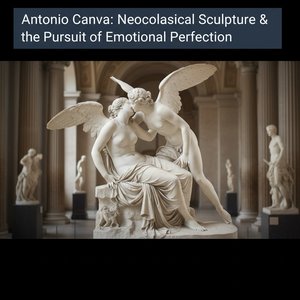
Antonio Canova: Neoclassical Sculpture & the Pursuit of Emotional Perfection
Explore the life & art of Antonio Canova, the greatest Neoclassical sculptor. Discover his masterpieces, innovative techniques, and lasting influence on fine art collecting. Expert insights for discerning investors.
