

 Previzualizare
 Trimite prin felicitare
 Distribuie
 Detalii despre lucrare
 Ghid
Ghid

 Descarcă imaginea
 Produse similare
 Radiografie
 Galerie foto
 Statistici
Diane and the Stag
 Acrylic On Canvas
- WallArt
- Mannerist Sculpture
 1550
1550 211.0 x 258.0 cm
 Muzeul Luvru
 Vezi mai mult
Giclée / Imprimare artistică
Printuri giclée sau pe canvas de calitate muzeală, cu proces de producție rapid și opțiuni flexibile de finisare. ( Comandă pictură realizată manual Comută pe Imagine Digitală)




P118B lei10

P118H lei10

P118W lei10

P438Z lei10

P508JH lei12

P508YH lei12

P805H lei10

P805Z lei10

P919BZ lei10

P919G lei10

P919XJ lei10

P959ZH lei10

P968JZ lei12

W106C lei8

W218G lei10

W218JH lei8

W218Y lei10

W307PJ lei10

W316G lei10

W316PJ lei8

W316Y lei10

W398PJ lei8

W4111J lei10

W500HY lei15

W500JH lei15

W692G lei12

W849H lei8

W940BG lei15

W953PJ lei8




Alegeți dintre dimensiunile noastre prestabilite, care respectă proporțiile originale ale operei de artă.

Introduceți lățimea și înălțimea necesare pentru a se potrivi ramei sau peretelui dumneavoastră. O printare poate fi doar tăiată, niciodată extinsă dincolo de dimensiunea imaginii originale, astfel încât o dimensiune cu o formă diferită va pierde o parte din imagine. Vă trimitem o simulare digitală pentru aprobare înainte de a imprima orice. Imaginea afișată pe această pagină nu prezintă tăierea reală — doar simularea arată acest lucru.
Livrare în întreaga lume () în 2 săptămâni, în loc de cele 4/5 săptămâni standard. (28 Octombrie)

Livrare expres gratuită la nivel mondial

Pânză de in de înaltă calitate

Asigurare completă pentru transport

Garanție de rambursare a taxelor vamale

Garanția fidelității culorilor

Politica de retur în 100 de zile (doar pentru defecte de fabricație)

Garanție de rambursare 100%

Ofertă pentru comenzi multiple
 Opțiunea cu sticlă este disponibilă doar pentru dimensiuni de sub 110 cm

Diane and the Stag
Giclée / Imprimare artistică
Dimensiune reproducere
-


Preț total calculat
lei 372
The Enigmatic Huntress: Jean Goujon’s “Diane and the Stag”
Jean Goujon's "Diane and the Stag," painted around 1550, isn't merely a depiction of a hunt; it’s a carefully constructed tableau brimming with allegorical weight and Renaissance grace. The painting immediately draws the eye to its central figure: Diane, the Roman goddess of the hunt, rendered in exquisite detail against a subtly textured background. She sits poised on a simple pedestal, her posture radiating both strength and serene contemplation – a captivating blend of predatory instinct and contemplative awareness. The deer at her feet aren’t passive victims; they possess an alert, almost intelligent gaze, suggesting a complex relationship between hunter and hunted, predator and prey. The composition isn't chaotic; rather, it’s meticulously balanced, reflecting the humanist ideals that were blossoming during the High Renaissance.
Goujon’s mastery lies in his ability to infuse classical motifs with a distinctly Mannerist sensibility. Notice the elongated forms of Diane’s limbs and the delicate drapery cascading around her – hallmarks of this style, which prioritized elegance and stylized movement over strict realism. The use of light is particularly noteworthy; it's diffused and atmospheric, creating a sense of depth and mystery within the scene. The muted palette—earth tones punctuated by subtle hints of crimson—contributes to the painting’s overall mood of quiet intensity.
A Tapestry of Symbolism
Beyond its aesthetic beauty, “Diane and the Stag” is rich in symbolic meaning. Diane herself represents not just the hunt but also chastity, virtue, and the wildness of nature. The stag, a frequent symbol in Renaissance art, embodies nobility, strength, and even sacrifice – qualities often associated with Diana’s role as a protector of young women. The two antlers above her head are particularly intriguing; they could be interpreted as representations of a goat or even a stylized depiction of the moon, adding layers of mythological allusion to the scene. The inclusion of the deer at her feet isn't simply decorative; it underscores the cyclical nature of life and death, mirroring the hunt’s inherent drama.
Furthermore, the painting can be viewed as an allegory for the human condition – a meditation on themes of control versus instinct, beauty versus brutality. Diane’s deliberate stance suggests a mastery over her surroundings, yet the presence of the deer reminds us of our vulnerability and dependence on the natural world. It's a delicate dance between power and submission, order and chaos.
Craftsmanship and Context
Goujon was one of the most prominent sculptors and architects of his time, working primarily in Rouen and later in Paris. His career coincided with a period of immense artistic innovation, as French art moved away from the rigid conventions of the Gothic era and embraced the dynamism and expressive qualities of the Renaissance. “Diane and the Stag” exemplifies this transition, showcasing Goujon’s ability to synthesize classical influences with his own unique style.
The painting was likely commissioned for a private patron, perhaps a wealthy nobleman or member of the court. The subject matter—a hunt scene—was popular during the Renaissance, reflecting the aristocratic pursuit of sport and the idealized vision of nature as a source of pleasure and prestige. It’s believed to have been part of a larger decorative scheme within a lavish interior, adding a touch of elegance and sophistication to its surroundings.
A Legacy of Elegance
“Diane and the Stag” remains a captivating work of art, offering viewers a glimpse into the artistic sensibilities of the High Renaissance. Its masterful composition, evocative symbolism, and exquisite craftsmanship continue to resonate today, inspiring admiration for Goujon’s skill and vision. Reproductions of this painting capture not only its visual beauty but also the profound depth of meaning embedded within its intricate details – a timeless testament to the enduring power of art to illuminate the human experience.
Întrebări și răspunsuri
Ce emoție transmite opera de Mannerist Sculpture „Diane and the Stag”?
"Diane and the Stag" emană o Romantic notă emoțională, specifică mișcării Mannerist Sculpture.
În ce perioadă și în ce stil a fost creat(ă) "Diane and the Stag" de Jean Goujon?
"Diane and the Stag" de Jean Goujon datează din 1550 și aparține mișcării Mannerist Sculpture.
În ce cameră este recomandată lucrarea "Diane and the Stag" de Jean Goujon?
"Diane and the Stag" de Jean Goujon este recomandată pentru o Living Room. Această sugestie se bazează pe subiectul, culorile și atmosfera lucrării.
Biografie artist
Sculptorul care a modelat eleganța pariziană
Jean Goujon (aprox. 1510 – aprox. 1567) se impune ca o piatră de temelie a sculpturii și arhitecturii Renașterii franceze, întruchipând fervoare stilistică a manierismului, oferind în același timp o ancorare profundă în idealurile clasice. Născut în Normandia, primii săi ani de viață rămân învăluiți în obscuritate, însă prolificitatea creației sale l-a consacrat rapid ca una dintre cele mai importante voci artistice ale epocii — o doare de talentul său prodigios și de o dedicare neclintită meșteșugului. Călătoria lui Goujon a început prin experiențele formative din Italia, unde a absorbit măreția sculpturii romane și a integrat principiile acesteia în propriul său stil distinctiv. Această influență este palpabilă în întreaga sa operă, fiind deosebit de evidentă în manipularea magistrală a draperiei și în precizia anatomică.
Ascensiunea sa artistică a început la Catedrala din Rouen (1541-42), unde a întreprins sarcina monumentală de a sculpta monumentul funerar al lui Louis de Brézé, seigneur d'Anet — o comandă care i-a demonstrat îndemânarea și ambiția în plină expansiune. Acest proiect ambițios i-a consolidat reputația de stea ascendentă în peisajul sculptural francez. În același timp, și-a perfecționat priceperea arhitecturală la Biserica Saint-Maclou, demonstrând o capacitate înnăscută de a îmbina viziunea artistică cu ingineria structurală. Edificiul rezultat stă ca un exemplu magnific de arhitectură eclezastică renascentă, reflectând devotamentul lui Goujon atât pentru frumusețea estetică, cât și pentru integritatea funcțională.
O parteneriat de măreție vizionară
Mutându-se la Paris în 1544, Goujon a intrat într-un parteneriat crucial cu Pierre Lescot, arhitectul care supraveghea reconstrucția ambițioasă a catedralei Saint-Germain-l'Auxerrois. Împreună, aceștia au conceput și executat decorațiuni sculpturale uluitoare — cel mai notabil fiind pupitru — o capodoperă ce exemplifică sensibilitățile neoclasice ale lui Lescot și tehnica magistrală a draperiei lui Goujon. Această eră a colaborării a definit limbajul vizual al Renașterii franceze, pe măsură ce Goujon începea să infuzeze piatra cu un sentiment de mișcare fluidă și grație eterică.
Vârful influenței sale este, probabil, cel mai vizibil în contribuțiile sale aduse Louvru-ului. Opera sa de pe Façada Cour Carrée (aile Lescot) rămâne o realizare iconică, prezentând eleganța clasică prin sculpturi intricate ce reflectă strălucirea artistică franceză. În aceste lucrări, se poate observa jocul delicat de lumină și umbră peste figurile sculptate, o marcă distinctivă a capacității sale de a insufla viață marmurei reci. Măiestria sa s-a extins până la Façada Louvru-ului (detaliu), unde atenția sa excepțională la detalii a creat o capodupă a stilului manierist, îmbinând eleganța clasică cu sculpturi complexe care continuă să fascineze privitorii după secole.
Moștenirea grației și a formei clasice
Moștenirea lui Goujon este definită de o capacitate fără egal de a armoniza tensiunea manierismului cu liniștea clasicismului. Sculpturile sale prezintă adesea nimfe și figuri alegorice care par să plutească în cadrul setărilor lor arhitecturale, o tehnică realizată cel mai faimos în Cariatidele sale. Aceste zece figuri magistrale reprezintă apogeul sculpturii renascentiste franceze din secolul al XVI-lea, aducând privitorului un sentiment de măreție clasică și eleganță sofisticată. Prin aceste opere, Goujon a făcut mai mult decât să decoreze clădiri; el a sculptat însăși identitatea rafinamentului estetic francez.
Semnificația istorică a lucrării sale nu poate fi exagerată, deoarece abordarea sa asupra anatomiei și draperiei a influențat generații întregi de artiști europeni. Capacitatea sa de a transforma piatra grea în forme ritmice, fluide, a stabilit un standard pentru clasicismul francez care avea să dureze mult timp după moartea sa. Astăzi, vestigiile geniului său — de la detaliile intricate ale ailor Louvru-ului până la influența sa profundă asupra ornamentului arhitectural — servesc drept o mărturie durabilă a unui om care a modelat cu adevărat eleganța Parisului.

Jean Goujon
1510 - 1567 , Franța
Detalii rapide
- Artistic Movement Or Style: Manevism
- Artists Or Movements Influenced By This Artist: ['Clasicismul francez']
- Artists Who Influenced This Artist: ['Michelangelo']
- Date Of Birth: aprox. 1510 Normandia, Franța
- Date Of Death: aprox. 1567
- Full Name: Jean Goujon
- Nationality: Francez
- Notable Artworks:
- Nimfe (detaliu)
- Pietà
- Război și Pace
- Fontaine des Innocents
- Sculpturile de la Louvre
- Place Of Birth: Normandia, Franța
Articole similare

Top 10 Capodopere din Bronz care au Revoluționat Arta | OriginalUniqueArt.ro
Descoperiți Top 10 capodopere din bronz care au revoluționat arta! Rodin, Michelangelo și alții. Aflați istoria sculpturilor clasice și inspirație pentru decorul casei dvs. Reproduceri de artă de calitate muzeală pe OriginalUniqueArt.com

The Enduring Form: Sculpture Across History, Technique & Emotional Resonance
Explore the rich history of sculpture with OriginalUniqueArt. Discover key techniques, influential artists & investment potential for discerning collectors. Expert insights into valuing and collecting timeless masterpieces.
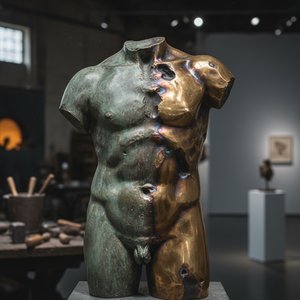
Moștenirea Durabilă a Sculpturii în Bronz: Istorie, Tehnici și Interpretări Contemporane
Descoperiți istoria fascinantă și tehnicile complexe ale sculpturii în bronz. Ghid complet pentru colecționari, investitori și pasionați de artă. Aflați despre artiști renumiți și tendințele contemporane.

Top 10 Capodopere din Bronz care au Revoluționat Arta – Inspirație pentru Decor
Descoperă Top 10 sculpturi din bronz care au schimbat istoria artei! Explorează operele lui Rodin, Michelangelo și alți maeștri, tehnicile lor unice și inspirația pentru decorul casei tale. Replici de calitate muzeală pe OriginalUniqueArt.com.

The Enduring Form: Exploring Themes & Techniques in Sculpture Across Historical Periods
Explore the rich history of sculpture from ancient masterpieces to contemporary innovations. Discover key techniques, influential artists & investment potential for discerning art collectors.