
 Previzualizare
 Trimite prin felicitare
 Distribuie
 Detalii despre lucrare
 Ghid
Ghid

 Descarcă imaginea
 Produse similare
 Radiografie
 Galerie foto
 Întrebări și răspunsuri
 Statistici
Samuel Humes

- 74.0 x 61.0 cm


 Vezi mai mult
Obțineți un fișier gata de imprimare care depășește cu mult calitatea previzualizării web. Fiecare imagine digitală pe care o vindem provine dintr-un master de înaltă rezoluție din baza noastră de date — având, de regulă, o lățime între 5.000 și 15.000 de pixeli — astfel încât să puteți printa în format mare, să decupați strâns sau să reproduceți detalii fine cu încredere.
Niciun fișier nu părăsește studioul nostru fără să fie tratat. Un expert digital verifică nuanțele de culoare în raport cu pictura originală și le corectează acolo unde este necesar, apoi îmbunătățește claritatea și detaliile folosind instrumente profesionale de retușare — rămânând întotdeauna fidel gestului pictural și stilului artistului. Rezultatul este o imagine care seamănă cu tabloul propriu-zis, nu cu o scanare filtrată.
Aprobați înainte de finalizare: expertul nostru vă va trimite imaginea prin e-mail în termen de 72 de ore pentru revizuire. Nu sunteți mulțumit? Solicitați îmbunătățiri sau corecturi, ori cereți o restituire a plății dacă calitatea nu este pe măsura așteptărilor.
Aceasta este calitatea pe care se bazează editorii, studiourile de design, galeriile și tipăriturile.
Imagine Digitală
Descărcați un fișier la rezoluție înaltă pentru afișare personală, imprimare și proiecte creative. ( Comută pe versiunea Print Comandă pictură realizată manual)
Inclus în fiecare comandă de imagini digitale
Livrare digitală de expertiză, garantată
Când alegeți OriginalUniqueArt.com, nu primiți doar o simplă imagine – primiți o operă de artă digitală îmbunătățită profesional, creată cu precizie și susținută de o garanție de satisfacție. Iată tot ceea ce primești odată cu comanda ta, în mod automat:

Livrare rapidă prin e-mail
Fișierul imaginii digitale la rezoluție înaltă vă va fi trimis prin e-mail în termen de 72 de ore de la finalizarea comenzii – gata pentru utilizare imediată.

Fișier digital optimizat prin IA
Opera ta de artă este optimizată profesional prin intermediul unor instrumente AI avansate și al editării manuale, asigurând un nivel maxim de detalii, claritate și acuratețe a culorilor.

Retransmitere gratuită pe viață
Ai șters sau ai pierdut din greșeală fișierul? Nu îți face griji – ți-l vom retrimite oricând, gratuit.

Fără taxe de import – Întotdeauna
Bucură-te instant de noua ta operă de artă, fără taxe vamale, taxe de import sau costuri de livrare – descărcările digitale sunt întotdeauna fără taxe.

Garanția acurateții culorilor
Asigurăm o reflectare cât mai fidelă a culorilor originale în imaginea ta digitală, prin utilizarea unor instrumente profesionale și a proceselor de gestionare a culorii.

Garanție de satisfacție de 100 de zile
Dacă nu sunteți mulțumit de imaginea digitală achiziționată, o vom revizui sau vă vom returna 100% în termen de 100 de zile – fără nicio întrebare.

Garanție de returnare 100% a banilor
Nu ești mulțumit? Primești rambursarea integrală în termen de 100 de zile de la primirea fișierului digital – fără nicio întrebare.

Reduceri pentru comenzi în volum
Cumpără 3 imagini, economisește 10% - Cumpără 5, economisește 15% - Cumpără 10+, economisește 20%. Ideal pentru proiecte creative, galerii și agenții.
A Window into Pennsylvania Society: Examining Jacob Eichholtz’s Portrait of Samuel Humes
Jacob Eichholtz's "Samuel Humes" stands as a testament to the burgeoning artistic spirit of early 19th-century America, specifically within the context of Lancaster County. Born in 1776, Eichholtz wasn’t formally trained at an academy; his artistic journey began organically—rooted in the practical realities of his upbringing alongside Leonard Eichholtz, whose Bull’s Head Tavern served as a cornerstone of Lancaster's social and economic life. This formative experience instilled in him not merely an understanding of commerce but also a profound appreciation for human interaction – a sensibility that would permeate his oeuvre. Recognizing his innate talent, Eichholtz’s family skillfully channeled this inclination toward the craft of coppersmithing, securing a stable profession while simultaneously nurturing his artistic aspirations.- Subject Matter: The portrait depicts Samuel Humes, an affluent gentleman from Lancaster County, presenting him in a dignified pose against a subtly textured background.
- Style: Eichholtz’s style aligns with the Romantic Victorian movement, characterized by its emphasis on realism and psychological depth—a departure from earlier Neoclassical conventions.
Technique & Materials – Capturing Light and Texture
Executed in oil paint on canvas measuring 74 x 61 cm, Eichholtz employed a meticulous technique that prioritized capturing the nuances of light and texture. He skillfully blended brushstrokes to achieve a velvety surface finish—a hallmark of Victorian portraiture—allowing for subtle gradations of color and creating an illusion of three-dimensionality. The artist’s careful observation of anatomy and drapery contributes to the painting's remarkable accuracy, reflecting the prevailing scientific interest in studying human form during this period.Historical Context – Pennsylvania’s Artistic Renaissance
“Samuel Humes” emerged during a period of significant artistic growth within Pennsylvania—often referred to as Pennsylvania’s Artistic Renaissance. The burgeoning middle class embraced portraiture as a means of commemorating achievements and establishing social status, fostering a demand for skilled artists like Eichholtz. Lancaster County itself was experiencing rapid industrialization and urbanization, attracting individuals from across the nation eager to build lives and reputations. Eichholtz's work embodies this spirit—a celebration of both individual identity and the broader cultural landscape of his time.Symbolism & Emotional Impact – Apples and Classical Influence
The inclusion of apples within Humes’s attire is laden with symbolic significance, referencing biblical references to Adam and Eve and representing fertility and prosperity—themes prevalent in Victorian art. Furthermore, Eichholtz's stylistic choices draw inspiration from classical ideals of beauty and harmony, mirroring the broader revival of Greco-Roman culture during the Romantic era. The painting evokes a sense of quiet dignity and contemplative reflection, inviting viewers to contemplate Humes’s character and place within his community—a testament to Eichholtz’s ability to convey emotion through visual representation.Provenance & Legacy – A Masterpiece Preserved
Currently housed at the Metropolitan Museum of Art in New York City, “Samuel Humes” remains a captivating example of American Romantic portraiture. Its meticulous execution and evocative composition continue to inspire admiration among art historians and collectors alike—a lasting legacy of Jacob Eichholtz’s artistic vision.Întrebări și răspunsuri
Cum se îmbină suportul și mișcarea în "Samuel Humes"?
"Samuel Humes" de Jacob Eichholtz îmbină tehnica Oil On Canvas cu stilul Romantic Victorian Portrait. Tehnica și mișcarea definesc modul de execuție și estetica operei.
Ce nivel de contrast prezintă "Samuel Humes" de Jacob Eichholtz?
"Samuel Humes" de Jacob Eichholtz prezintă un contrast Statement între zonele luminoase și cele întunecate.
Ce armonie de culori prezintă "Samuel Humes" de Jacob Eichholtz?
Culorile din "Samuel Humes" de Jacob Eichholtz prezintă o armonie Discordant Palette. Armonia descrie modul în care culorile interacționează între ele.
Biografie artist
Primii ani și ucenicia în Lancaster
Povestea lui Jacob Eichholtz nu începe în sălile sacre ale unei academii de artă, ci printre meseriile practice ale Pennsylvania-ului din secolul al XVIII-lea. Născut în Lancaster, un oraș în plină expansiune la marginea frontierii, el a intrat în lume ca fiul lui Leonard Eichholtz, moștenind o moștenire familială împletită atât cu comerțul, cât și cu viața comunității. Tatăl său, Leonard, gestiona agitatul Bull’s Head Tavern, un punct vital de interacțiune socială și schimb de bunuri – o viață care i-a insuflat tânărului Jacob o înțelegere profundă a conexiunii umane și a ritmurilor vieții de zi cu zi. Totuși, încă din primii ani, un alt curent curgea în interiorul său: o fascinație adâncă pentru desen și o sensibilitate artistică incipientă. Recunoscând această inclinație, părinții săi, conștienți de talentul înfloritor al fiului lor, l-au trimis în ucenicie la un cupretor la vârsta fragedă de unsprezece ani. Acest pas aparent pragmatic – asigurarea unui meserie stabilă – a fost, în realitate, o investiție atent calculată în potențialul lui Jacob. Meșteșugul prelucrării metalelor i-a oferit o bază solidă în precizie și tehnică, cultivându-i în același timp ochiul pentru detalii și aprecierea pentru formă. Esențial este că acest domeniu i-a oferit și un spațiu în care să își lase să explodeze impulsurile artistice, schițând designuri pe panouri de cupru în momentele de pauză, un act de rebeliune tăcută împotriva cerințelor uceniciei sale. Implicarea tatălui său în Războiul Revoluționar American i-a modelat și mai mult perspectiva lui Jacob, expunându-l la idealurile libertății și autodeterminării – valori care vor informa ulterior abordarea sa asupra picturii de portret.Tranziția de la meserie la pânză: Ascensiunea unui portraitist
Tranziția de la cupretor la pictor nu a fost imediată sau lipsită de obstacole. Primele încercări ale lui Jacob în pictură au fost, în mare parte, autodidacte, alimentate de o pasiune neclintită și de o observație ageră a lumii din jurul său. A căutat îndrumare de la pictorii locali de enseigne, absorbind tehnici și dezvoltându-și abilitățile în cărbune și cerneală. Totuși, sosirea lui Thomas Sully, un portraitist de renume care călătorea prin Lancaster în 1808, s-a dovedit a fi momentul pivot în călătoria artistică a lui Jacob. Sully, recunoscând potențialul lui Eichholtz, i-a oferit instruire neprețuită și acces la atelierul său – un act de o generozitate care i-a accelerat dramatic dezvoltarea. Așa cum Sully însuși a remarcat ulterior: „Eichholtz ar fi fost un pictor de primă clasă dacă ar fi început devreme în viață, beneficiind de avantajele obișnuite”. Această mentorat i-a oferit lui Jacob perspective critice asupra compoziției, luminii și artei de a surprinde asemănarea și caracterul subiectelor sale. Această experiență i-a consolidat angajamentul față de portraitistică, transformând-o dintr-o activitate personală într-o profesie viabilă. Decizia lui Eichholtz de a înființa propriul atelier în Lancaster a reflectat această încredere proaspăt descoperită – un pas îndrăzneț către independență și autoeficiență.Un portraitist pentru societatea din Pennsylvania
Până la începutul anilor 1800, Jacob Eichholtz se consacrase ca un pictor de portrete respectat în comunitățile în creștere din Pennsylvania și Maryland. El nu se limita doar la a replica aparențele; el încerca să surprindă esența subiectelor sale – personalitățile, aspirații și statutul lor social. Portretele sale au devenit ferestre către viețile unor figuri proeminente: avocați, comercianți, proprietari de pământ și membri ai elitei. El a navigat cu măiestrie prin convențiile tradiției romantice victoriene, utilizând o lumină dramatică, texturi bogate și detalii atent randate pentru a crea imagini care erau atât plăcute estetic, cât și psihologic revelatoare. Lucrările lui Eichholtz erau căutate în mod special de cei care doreau să documenteze istoriile lor familiale sau să comemoreze evenimente semnificative de viață. Portretele sale ornade pereții unor case grandioase și clădiri publice, servind drept mementouri tangibile ale conexiunilor sociale și moștenirilor familiale. Capacitatea sa de a picta o gamă largă de emoții – de la contemplarea liniștită la bucuria exuberantă – a contribuit semnificativ la popularitatea și atractivitatea sa durabilă.Lucrări remarcabile și moștenire
Pe parcursul a trei decenii, Jacob Eichholtz a produs un număr uimitor de portrete — estimările sugerează peste 800 — o dovadă a productivității sale prolifice și a dedicării neclintite. Picturile sale sunt găzduite acum în muzee importante și colecții private din întreaga lume, oferind o privire valoroasă asupra peisajului social și cultural al Americii timpurii. Printre cele mai celebrate opere ale sale se numără „Jane Evans Tevis” (circa 1827), un portret uimitor de evocator care surprinde frumusețea senină și demnitatea tăcută a subiectului său. Portretele sale ale președintelui Curții Supreme, John Marshall, și ale lui Nicholas Biddle, figuri proeminente în cercurile politice și financiare din Philadelphia, sunt deosebit de remarcabile pentru detaliul meticulos și profunzimea psihologică. Moștenirea lui Eichholtz se extinde dincolo de realizările sale artistice individuale; el reprezintă o verigă crucială în lanțul portraitisticii americane — un artist autodidact care a ajuns la notorietate prin talent, perseverență și o înțelegere astutoasă a dorințelor clientelei sale. El rămâne un memento că excelența artistică poate emana din locuri neașteptate, transformând începuturile umile într-o recunoaștere durabilă.Anii de final și pomenire
În 1830, Jacob Eichholtz s-a mutat la Philadelphia, căutând noi oportunități și un nou început. A continuat să picteze în mod prolific până la moartea sa în 1842, lăsând în urmă un corpus de lucrări remarcabile care reflectă spiritul unei epoci. Anii săi de final au fost marcați de o dorință de simplitate și de reconectare cu rădăcinile sale, conducându-l înapoi la Lancaster, unde a fost înmormânt alături de familia sa în Cimitirul Woodward Hill. Astăzi, portretele lui Jacob Eichholtz rămân artefacte prețuite — mărturii ale abilității, viziunii și contribuției sale durabile la arta portraitisticii americane. Ele ne oferă o privire emoționantă asupra vieților celor care au modelat istoria națiunii, amintindu-ne de puterea artei de a surprinde nu doar aparențele, ci și însăși esența experienței umane.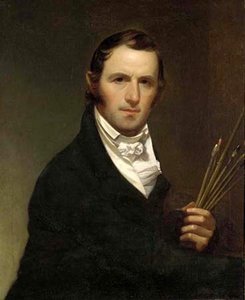
Jacob Eichholtz
1776 - 1842 , Statele Unite ale Americii
Detalii rapide
- Artistic Movement Or Style: Romantic Victorian
- Artists Who Influenced This Artist:
- James Peale
- Thomas Sully
- Date Of Birth: Lancaster, United States of America (1776)
- Date Of Death: Lancaster, United States of America (1842)
- Full Name: Jacob Eichholtz
- Nationality: American
- Notable Artworks:
- Henry Eichholtz Leman
- Phoebe Cassidy Freeman (Mrs. Clarkson Freeman)
- William Clark Frazer
- Ann Old Coleman (Mrs. Robert Coleman)
- Robert Coleman
- Place Of Birth: Lancaster