Vezi în context
 Trimite
 Distribuie
 Detalii
 Ghidul

 Descarcă
 Produse similare
 Radiografie
 Diaporama
 Statistici
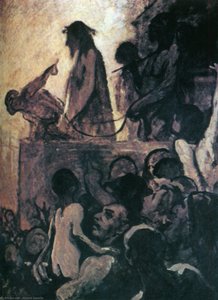
The Uprising (L

 Citește mai mult
Giclée / Imprimare artistică
Printuri giclée sau pe canvas de calitate muzeală, cu proces de producție rapid și opțiuni flexibile de finisare. ( Comandă pictură realizată manual Treci la imagine digitală)




































Alegeți dintre dimensiunile noastre prestabilite, care respectă proporțiile originale ale operei de artă.

Puteți introduce propriile dimensiuni pentru a se potrivi unui anumit cadru sau spațiu. Dacă dimensiunea selectată nu corespunde proporțiilor imaginii originale, vom decupa lucrarea de artă sau vom extinde imaginea cu margini oglindite sau cu o culoare uniformă. Un mockup digital va fi trimis pentru aprobarea dumneavoastră înainte de începerea producției.
Vă rugăm să rețineți că previzualizarea de pe ecran nu reflectă decuparea sau extinderea reală. Doar mockup-ul va arăta cu exactitate compoziția finală.
Deși dimensiunile personalizate sunt disponibile, vă recomandăm să selectați o dimensiune din lista predefinită pentru a păstra proporțiile originale.
Livrare în întreaga lume () în 2 săptămâni, în loc de cele 4/5 săptămâni standard. (13 Octombrie)

Livrare expres gratuită la nivel mondial

Pânză de in premium

Asigurare completă pentru transport

Garanție de rambursare a taxelor vamale

Garanția fidelității culorilor

Politica de retur în 100 de zile (doar pentru defecte)

Garanție de rambursare 100%

Reducere pentru comenzi multiple
 Opțiunea cu sticlă este disponibilă doar pentru dimensiuni de sub 110 cm

The Uprising (L
Giclée / Imprimare artistică
Dimensiune reproducere
-


Preț total
lei 364
Întrebări și răspunsuri
Cât de multă lumină par să reflecte culorile din "The Uprising (L"?
Culorile din "The Uprising (L" prezintă o luminanță Dark.
În ce direcție cromatică tinde "The Uprising (L"?
"The Uprising (L" tinde spre o nuanță de Ochre to Sepia.
Culorile din "The Uprising (L" par intense sau delicate?
Intensitatea culorilor din "The Uprising (L" este Monochromatic. Intensitatea descrie cât de puternic par a fi culorile.
Cum pot descoperi opere de artă similare cu "The Uprising (L" de Honoré Daumier?
Opere de artă similare cu "The Uprising (L" de Honoré Daumier sunt grupate în pagina Lucrări similare a lucrării.
În ce an a fost creată "The Uprising (L" de Honoré Daumier?
"The Uprising (L" de Honoré Daumier a fost creat(ă) în 1848.
Pot examina "The Uprising (L" mai detaliat?
„The Uprising (L” poate fi examinat strat cu strat pe pagina Raze X a operei de artă, un vizualizator inspirat de masa de lumină a unui conservator, care oferă unsprezece lecturi optice ale imaginii.
Cum interacționează culorile din "The Uprising (L" între ele?
"The Uprising (L" de Honoré Daumier prezintă o armonie cromatică Strong Color Unity.
Pot vedea o previzualizare a "The Uprising (L" de Honoré Daumier înainte de a comanda?
Pentru a vizualiza o previzualizare a unei reproduceri a operei "The Uprising (L" de Honoré Daumier, accesați pagina Previzualizare a lucrării.
Biografie artist
A Life Etched in Satire: The World of Honoré Daumier
Honoré-Victorin Daumier, a name synonymous with biting satire and unflinching social commentary, was born in Marseille on February 26th, 1808. His early life, steeped in the artistic traditions of his family—his father a glazier and poet, his godfather a painter—laid the groundwork for a career that would forever challenge the established order of 19th-century France. The echoes of his father’s turbulent poetic aspirations, coupled with the relocation to Paris in 1814, exposed young Daumier to the vibrant, yet often chaotic, energy of the capital city. Initially destined for a legal profession, a profound inclination towards art quickly superseded all other ambitions. He began his artistic journey as an apprentice under Alexandre Lenoir, absorbing the classical techniques and dramatic chiaroscuro favored by Rubens—a style that would profoundly influence his own distinctive approach. Lenoir’s emphasis on observation and capturing the essence of form provided Daumier with a crucial foundation, but it was his independent study at the Académie Suisse, alongside a deep appreciation for the works of the Louvre's masters, that truly shaped his artistic vision. This early training wasn’t merely about technical proficiency; it was a deliberate immersion in the world of art, preparing him to translate his keen observations into powerful visual statements.The Sharpened Pen: Caricature and Social Commentary
Daumier’s career ignited with explosive force following the 1830 Revolution, an event that fundamentally reshaped France and simultaneously provided a fertile ground for his burgeoning satirical talent. He swiftly established himself as a master lithographer, initially working anonymously for various publications before gaining recognition through his work with *Le Charivari*, a fiercely independent comic journal founded by Charles Philipon. It was within the pages of *Le Charivari* that Daumier’s genius truly blossomed. His caricatures weren't mere humorous depictions; they were scathing indictments of the bourgeoisie, the legal system, and the political establishment—a deliberate provocation aimed at exposing hypocrisy and challenging authority. His unflinching portrayal of King Louis-Philippe in a particularly biting caricature led to his imprisonment for six months in 1832 – an experience that, rather than silencing him, solidified his commitment to using art as a weapon against injustice. The sheer volume of his output during this period is astonishing—thousands of lithographs documenting the social and political landscape of France with remarkable precision and satirical wit. These images weren’t simply entertainment; they were visual manifestos, capturing the spirit of dissent and offering a critical commentary on the societal ills of the time.Beyond Caricature: Painting and Sculptural Visions
While Daumier is overwhelmingly celebrated for his lithography, to reduce him solely to caricature would be a profound disservice. He was also a dedicated painter and sculptor, though recognition for these works came later in his life. His paintings, often depicting scenes of everyday Parisian life—the third-class carriage, the laundresses, the lawyers—are imbued with a remarkable sense of realism and empathy. He eschewed idealized portrayals, instead offering unflinching depictions of hardship, poverty, and the struggles of ordinary people. Daumier’s technique was characterized by loose brushwork and dramatic lighting, anticipating some of the techniques later embraced by the Impressionists – a testament to his forward-thinking approach. His sculptural work, largely created in clay (many pieces remaining unbaked during his lifetime), reveals a similar commitment to capturing the human form with honesty and emotional depth. These sculptures, rediscovered after his death, demonstrate a remarkable talent for modeling and an ability to convey psychological complexity through physical gesture – suggesting a profound understanding of the human condition.A Lasting Legacy: Influence and Historical Significance
Honoré Daumier’s impact on art history is undeniable. He bridged the gap between Romanticism and Realism, paving the way for future generations of artists who sought to depict the world as it truly was—warts and all. His unflinching social commentary profoundly influenced artists like Gustave Courbet and Édouard Manet, while his innovative use of lithography revolutionized printmaking, transforming it from a craft into a powerful medium for political expression. Daumier’s work continues to resonate today, reminding us of the enduring power of art to challenge authority, expose injustice, and bear witness to the human condition. The Musée d'Orsay in Paris houses a significant collection of his paintings and sculptures, offering visitors a unique opportunity to immerse themselves in the world he so vividly portrayed. Furthermore, his lithographs are widely accessible through collections like those found on OriginalUniqueArt, ensuring that his satirical genius continues to provoke thought and inspire dialogue across generations. Daumier wasn’t merely an artist; he was a chronicler of his time—a visual poet who used his talent to give voice to the voiceless and hold power accountable. His legacy endures as a testament to the enduring relevance of art as a force for social change, reminding us that even a single image can spark revolution.
Honoré Daumier
1808 - 1879 , France
Informații rapide
- Full Name: Honoré-Victorin Daumier
- Nationality: French
- Date Of Birth: 1808
- Date Of Death: 1879
- Place Of Birth: Marseille, France
- Notable Artworks:
- Rue Transnonain
- Les gens de justice
- Ecce Homo
- Artistic Movement Or Style: Realism, Satire
- Artists Who Influenced This Artist:
- Alexandre Lenoir
- Jacques-Louis David
- Artists Or Movements Influenced By This Artist:
- Impressionism
- Modern art