

 Vezi în context
 Trimite
 Distribuie
 Detalii
 Ghidul

 Descarcă
 Produse similare
 Radiografie
 Diaporama
 Statistici
Mrs H.W. Lauzun


 Citește mai mult
Giclée / Imprimare artistică
Printuri giclée sau pe canvas de calitate muzeală, cu proces de producție rapid și opțiuni flexibile de finisare. ( Comandă pictură realizată manual Treci la imagine digitală)




P118B $10

P118H $10

P118W $10

P438Z $10

P508JH $12

P508YH $12

P805H $10

P805Z $10

P919BZ $10

P919G $10

P919XJ $10

P959ZH $10

P968JZ $12

W106C $8

W218G $10

W218JH $8

W218Y $10

W307PJ $10

W316G $10

W316PJ $8

W316Y $10

W398PJ $8

W4111J $10

W500HY $15

W500JH $15

W692G $12

W849H $8

W940BG $15

W953PJ $8




Alegeți dintre dimensiunile noastre prestabilite, care respectă proporțiile originale ale operei de artă.

Puteți introduce propriile dimensiuni pentru a se potrivi unui anumit cadru sau spațiu. Dacă dimensiunea selectată nu corespunde proporțiilor imaginii originale, vom decupa lucrarea de artă sau vom extinde imaginea cu margini oglindite sau cu o culoare uniformă. Un mockup digital va fi trimis pentru aprobarea dumneavoastră înainte de începerea producției.
Vă rugăm să rețineți că previzualizarea de pe ecran nu reflectă decuparea sau extinderea reală. Doar mockup-ul va arăta cu exactitate compoziția finală.
Deși dimensiunile personalizate sunt disponibile, vă recomandăm să selectați o dimensiune din lista predefinită pentru a păstra proporțiile originale.
Livrare în întreaga lume () în 2 săptămâni, în loc de cele 4/5 săptămâni standard. (25 Septembrie)

Livrare expres gratuită la nivel mondial

Pânză de in premium

Asigurare completă pentru transport

Garanție de rambursare a taxelor vamale

Garanția fidelității culorilor

Politica de retur în 100 de zile (doar pentru defecte)

Garanție de rambursare 100%

Reducere pentru comenzi multiple
 Opțiunea cu sticlă este disponibilă doar pentru dimensiuni de sub 110 cm

Mrs H.W. Lauzun
Giclée / Imprimare artistică
Dimensiune reproducere
-


Preț total
$ 80
A Portrait Steeped in Elegance: Exploring Henry Raeburn’s ‘Mrs H.W. Lauzun’
The Tate Gallery holds within its walls a treasure trove of artistic achievement, and amongst its celebrated canvases stands ‘Mrs H.W. Lauzun,’ painted by Sir Henry Raeburn in 1796. More than just a depiction of a woman—Lady Lauzun herself—the portrait embodies the spirit of Georgian Britain, reflecting an era defined by aristocratic grandeur and a profound appreciation for refined aesthetics. It’s a painting that invites contemplation, prompting us to consider not merely what we see but also what it communicates about its subject and the cultural milieu from which it emerged. Raeburn's mastery lies in his ability to convey character through meticulous observation and skillful technique. He employed oil paint on canvas—a favored medium for portraiture at the time—allowing him to achieve a luminous surface texture that captures subtle nuances of light and shadow. The artist’s palette was restrained, dominated by muted golds and creams, colors deliberately chosen to illuminate Lady Lauzun's face and gown with an ethereal glow. This careful consideration of color contributes significantly to the painting’s overall mood—one of serenity and dignified composure. The composition itself is thoughtfully balanced, adhering to classical principles of symmetry. Lady Lauzun occupies the central space, positioned squarely before a stylized tree – a motif frequently utilized in portraiture during this period to symbolize strength, resilience, and connection to nature. Her gaze directs firmly toward the viewer, establishing an intimate dialogue between subject and observer—a hallmark of Raeburn’s artistic style. The artist skillfully rendered her drapery, capturing the folds and textures with remarkable precision, demonstrating a dedication to realism that distinguishes his work from more decorative styles prevalent elsewhere. Beyond its technical brilliance, ‘Mrs H.W. Lauzun’ resonates deeply with symbolic meaning. The tree represents Lady Lauzun's unwavering fortitude amidst societal pressures—a woman of considerable influence who navigated the complexities of aristocratic life with grace and determination. Furthermore, the white gown symbolizes purity and virtue – qualities highly valued within Georgian society. These subtle emblems elevate the portrait beyond mere likeness, transforming it into a statement about moral character and social standing. Ultimately, ‘Mrs H.W. Lauzun’ succeeds in capturing not only Lady Lauzun's physical appearance but also her inner essence—a woman radiating confidence and dignity. It remains an enduring testament to Henry Raeburn’s artistic vision and his profound understanding of the human condition. Its quiet beauty continues to inspire art lovers today, reminding us that true artistry resides in conveying emotion and intellect with understated elegance.- Artist: Sir Henry Raeburn
- Year Painted: 1796
- Medium: Oil on Canvas
- Location: Tate Gallery, London
Biografie artist
A Scottish Master of Realism: The Life and Art of Sir Henry Raeburn
Sir Henry Raeburn, a name synonymous with the vibrant spirit of 18th-century Scotland, stands as one of the nation’s most celebrated portrait painters. His journey from humble beginnings to royal patronage is a testament to his unwavering dedication and extraordinary artistic talent. Born in Stockbridge, Edinburgh, in 1756, amidst the burgeoning Enlightenment, Raeburn's life was shaped by both privilege and adversity – an orphaned childhood followed by the support of his brother, leading him to a goldsmith apprenticeship before ultimately embracing the captivating world of painting. This early exposure to detail and craftsmanship would prove invaluable as he honed his skills, initially through miniature portraiture, a demanding medium that demanded precision and observation.From Miniature Precision to Grand Portraiture
Raeburn’s artistic evolution wasn't simply a progression; it was a deliberate transformation fueled by an insatiable desire for mastery. He diligently studied the works of masters like David Martin, a former assistant to Allan Ramsay, absorbing techniques and stylistic nuances. However, his true path lay in self-directed learning, driven by relentless practice and a keen eye for capturing the essence of his subjects. A pivotal moment arrived with his marriage to Ann Edgar in 1778, providing him with financial stability that allowed him to fully dedicate himself to painting without the constraints of commercial obligations. This period witnessed a significant shift – Raeburn abandoned the delicate world of miniatures and embarked on a journey towards larger-scale oil paintings, a medium that demanded both technical skill and artistic vision. His brief sojourn in Italy, though ultimately curtailed, exposed him to the grandeur of the Old Masters, profoundly influencing his approach to composition, lighting, and color. He sought inspiration from the works of Venetian painters like Titian and Veronese, incorporating their dramatic use of light and shadow into his own style.Capturing Character: Raeburn’s Artistic Signature
What truly distinguishes Raeburn's work is not merely the technical proficiency displayed in his portraits but rather his remarkable ability to capture the inner character of his subjects. He possessed an uncanny knack for revealing personality, status, and even mood through subtle gestures, expressions, and carefully chosen details. His technique was a masterful blend of meticulous observation, confident brushwork, and a sophisticated understanding of light and shadow – a combination that created images brimming with life and immediacy. Consider *The Young Polo Player*, a dynamic snapshot of youthful energy and aristocratic leisure; it’s not simply a depiction of a sporting gentleman but an embodiment of vitality and privilege. Similarly, his portrait of Alexander Allan, a prominent figure in Scottish art, reveals a man of intellect and refinement through the careful arrangement of his attire and the thoughtful gaze directed towards the viewer. Raeburn's signature technique – known as *chiaroscuro* – involved employing dramatic contrasts between light and dark to create depth, intensity, and focus, drawing the eye directly to the subject’s face and expression.Recognition and Legacy: A Scottish Icon
Raeburn’s artistic achievements garnered widespread recognition throughout his career. He quickly established himself as a leading member of Edinburgh society, attracting commissions from prominent families and individuals. His appointment as Portrait Painter to King George IV in Scotland in 1822 – shortly before his untimely death in 1823 – served as the ultimate validation of his artistic prowess, cementing his place among the most celebrated artists of his time. His work profoundly impacted Scottish art, establishing a distinctively Scottish identity within the broader context of British painting. He championed realism and psychological insight, moving away from the idealized portrayals prevalent at the time and offering a more honest and nuanced representation of his subjects. His legacy extends far beyond the canvas; he embodies the spirit of self-education, perseverance, and artistic vision – a testament to the transformative power of dedication and talent. Today, Raeburn’s paintings are treasured possessions within prestigious collections worldwide, including the Scottish National Gallery in Edinburgh and The Frick Collection in New York, ensuring that his remarkable contribution to art history continues to be celebrated for generations to come.- His dedication to realism and psychological insight set him apart from many of his contemporaries.
- He helped establish a distinctly Scottish identity within British art.
- His masterful technique continues to be studied and admired by artists and scholars alike.

Henry Raeburn
1756 - 1823 , Regatul Unit al Marii Britanii și Irlandei
Informații rapide
- Artistic Movement Or Style: Portrete, Realism
- Artists Or Movements Influenced By This Artist: ['Arta Scoțiană']
- Artists Who Influenced This Artist:
- David Martin
- Joshua Reynolds
- Date Of Birth: 4 martie 1756
- Date Of Death: 8 iulie 1823
- Full Name: Henry Raeburn
- Nationality: Scoțian
- Notable Artworks:
- The Young Polo Player
- Alexander Allan
- Sir John Hay
- Place Of Birth: Stockbridge, UK
Articole conexe

Henry Raeburn Dobson: A Scottish Colourist Bridging Tradition & Modernity
Explore the life & work of Henry Raeburn Dobson, a key figure bridging Scottish tradition & modern art. Discover his neoclassical portraits, landscapes, and connection to the Colourists. Learn about collecting his works.

Oil on Canvas: A Historical & Technical Exploration of a Timeless Artistic Medium
Explore the rich history & enduring techniques of oil painting on canvas. Discover the science behind its longevity, conservation practices, and contemporary relevance. Expert insights for art enthusiasts.

The Enduring Legacy of Oil on Canvas: Technique, History & Aesthetic Impact
Explore the rich history & techniques of oil painting – from Renaissance masters to Impressionism. Discover pigments, layering methods, and why this timeless medium endures. Expert insights for artists & art enthusiasts.
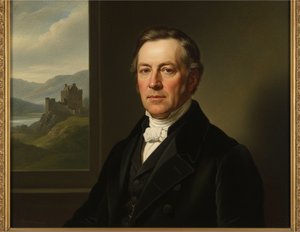
Henry Raeburn: A Scottish Portraitist's Mastery of Light, Character & National Identity
Explore the life & work of Henry Raeburn, a master Scottish portraitist. Discover his innovative techniques, captivating portraits of the Enlightenment era, and lasting legacy in art history. Learn more at OriginalUniqueArt.
Henri Matisse: Cele Mai Iconice 25 De Opere – Artă, Decorațiuni și Inspirație
Descoperă cele mai emblematice 25 de opere ale lui Henri Matisse! Explorează fauvismul, culorile vibrante și stilul unic al artistului francez. Reproduceri tablouri de calitate muzeală & inspirație pentru decor pe OriginalUniqueArt.com.