 Previzualizare
 Trimite prin felicitare
 Distribuie
 Detalii despre lucrare
 Ghid
Ghid

 Descarcă imaginea
 Produse similare
 Radiografie
 Galerie foto
 Q&A
Q&A Statistici
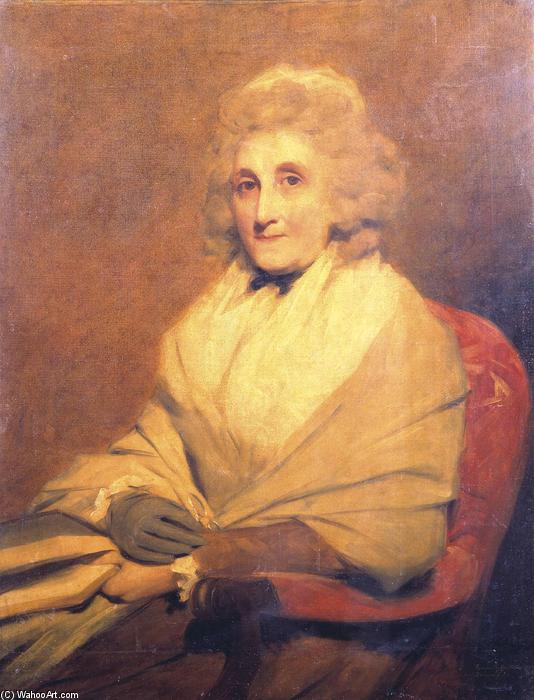
Mrs Cay


 Vezi mai mult
Obțineți un fișier gata de imprimare care depășește cu mult calitatea previzualizării web. Fiecare imagine digitală pe care o vindem provine dintr-un master de înaltă rezoluție din baza noastră de date — având, de regulă, o lățime între 5.000 și 15.000 de pixeli — astfel încât să puteți printa în format mare, să decupați strâns sau să reproduceți detalii fine cu încredere.
Niciun fișier nu părăsește studioul nostru fără să fie tratat. Un expert digital verifică nuanțele de culoare în raport cu pictura originală și le corectează acolo unde este necesar, apoi îmbunătățește claritatea și detaliile folosind instrumente profesionale de retușare — rămânând întotdeauna fidel gestului pictural și stilului artistului. Rezultatul este o imagine care seamănă cu tabloul propriu-zis, nu cu o scanare filtrată.
Aprobați înainte de finalizare: expertul nostru vă va trimite imaginea prin e-mail în termen de 72 de ore pentru revizuire. Nu sunteți mulțumit? Solicitați îmbunătățiri sau corecturi, ori cereți o restituire a plății dacă calitatea nu este pe măsura așteptărilor.
Aceasta este calitatea pe care se bazează editorii, studiourile de design, galeriile și tipăriturile.
Imagine Digitală
Descărcați un fișier la rezoluție înaltă pentru afișare personală, imprimare și proiecte creative. ( Comută pe versiunea Print Comandă pictură realizată manual)
Inclus în fiecare comandă de imagini digitale
Livrare digitală de expertiză, garantată
Când alegeți OriginalUniqueArt.com, nu primiți doar o simplă imagine – primiți o operă de artă digitală îmbunătățită profesional, creată cu precizie și susținută de o garanție de satisfacție. Iată tot ceea ce primești odată cu comanda ta, în mod automat:

Livrare rapidă prin e-mail
Fișierul imaginii digitale la rezoluție înaltă vă va fi trimis prin e-mail în termen de 72 de ore de la finalizarea comenzii – gata pentru utilizare imediată.

Fișier digital optimizat prin IA
Opera ta de artă este optimizată profesional prin intermediul unor instrumente AI avansate și al editării manuale, asigurând un nivel maxim de detalii, claritate și acuratețe a culorilor.

Retransmitere gratuită pe viață
Ai șters sau ai pierdut din greșeală fișierul? Nu îți face griji – ți-l vom retrimite oricând, gratuit.

Fără taxe de import – Întotdeauna
Bucură-te instant de noua ta operă de artă, fără taxe vamale, taxe de import sau costuri de livrare – descărcările digitale sunt întotdeauna fără taxe.

Garanția acurateții culorilor
Asigurăm o reflectare cât mai fidelă a culorilor originale în imaginea ta digitală, prin utilizarea unor instrumente profesionale și a proceselor de gestionare a culorii.

Garanție de satisfacție de 100 de zile
Dacă nu sunteți mulțumit de imaginea digitală achiziționată, o vom revizui sau vă vom returna 100% în termen de 100 de zile – fără nicio întrebare.

Garanție de returnare 100% a banilor
Nu ești mulțumit? Primești rambursarea integrală în termen de 100 de zile de la primirea fișierului digital – fără nicio întrebare.

Reduceri pentru comenzi în volum
Cumpără 3 imagini, economisește 10% - Cumpără 5, economisește 15% - Cumpără 10+, economisește 20%. Ideal pentru proiecte creative, galerii și agenții.
Henry Raeburn: A Scottish Portraitist's Mastery of Light, Character & National Identity
Sir Henry Raeburn (1756–1823) stands as an unparalleled figure in the annals of British portraiture—a testament to artistic vision and unwavering dedication. Born amidst the intellectual fervor of the Scottish Enlightenment, his journey from humble beginnings to royal patronage exemplifies the transformative power of talent and perseverance. Orphaned at a young age, Raeburn’s formative years were shaped by the steadfast support of his brother William, who secured him an education at Heriot's Hospital in Edinburgh—a foundation that would prove instrumental in nurturing his burgeoning artistic inclinations. This early grounding instilled within him a meticulous attention to detail and a profound understanding of observation, qualities that would become hallmarks of his distinctive style. His apprenticeship under James Gilliland, the esteemed goldsmith, honed his technical skills and introduced him to the intricacies of crafting miniature portraits on ivory—a medium favored by discerning collectors and celebrated for its ability to capture subtle nuances of expression. However, Raeburn’s artistic ambitions extended far beyond mere replication; he sought to imbue his canvases with a palpable sense of life, striving to convey not just likeness but also the very essence of his subjects' personalities. This pursuit of psychological realism distinguishes him from many of his contemporaries and elevates his work to a level of enduring artistic merit. The influence of David Martin—Allan Ramsay’s former assistant—further solidified Raeburn’s stylistic trajectory, guiding him toward mastering oil painting techniques that prioritized tonal gradation and atmospheric perspective. He meticulously studied the works of Michelangelo, recognizing the importance of capturing monumental grandeur while simultaneously conveying emotional depth—a lesson that profoundly impacted his artistic sensibilities. Notably, he embraced a revolutionary approach to portraiture by utilizing a technique known as “drawing from life,” painstakingly sketching his subjects before applying paint—a method that ensured unparalleled accuracy and immediacy. Raeburn’s prolific output spanned decades, producing an impressive array of portraits depicting figures from across the spectrum of Scottish society—aristocrats, clergymen, scholars, and statesmen alike. His canvases are imbued with a remarkable sensitivity to light and shadow, skillfully manipulating tonal values to sculpt form and evoke mood. Moreover, Raeburn's compositions often incorporate symbolic elements that reflect his subjects’ virtues or aspirations—a characteristic feature of Neo-classical portraiture that underscores the artist’s intellectual engagement with philosophical ideas. Consider “Mrs Cay,” a captivating depiction of Lady Georgiana Stuart (née Sutherland), commissioned by her husband Robert Stewart, 3rd Earl of Uxbridge. Painted in 1823, shortly before Raeburn's death, this portrait exemplifies his mastery of tonal gradation and psychological observation. The muted palette—dominated by earthy browns and creams—creates a serene atmosphere that subtly conveys Lady Stuart’s dignified composure. Her gaze is direct yet contemplative, hinting at inner thoughts and emotions beyond the surface appearance. The inclusion of a shawl draped around her shoulders adds textural richness to the composition and reinforces the image's sense of intimacy. Raeburn’s meticulous attention to detail—evident in the rendering of Lady Stuart’s hair and clothing—demonstrates his unwavering commitment to artistic excellence. Ultimately, Henry Raeburn’s legacy resides not merely in his technical prowess but also in his profound understanding of human character and his ability to translate complex psychological states onto canvas. His portraits continue to resonate with viewers today, offering glimpses into the lives and sensibilities of a bygone era—a testament to the enduring power of art to illuminate the human condition.- Artist: Henry Raeburn (1756–1823)
- Medium: Oil on Canvas
- Style: Neo-Classical
- Notable Technique: Drawing from Life, Atmospheric Perspective
- Historical Context: Scottish Enlightenment
Symbolism & Emotional Impact
The subdued color palette of “Mrs Cay”—primarily browns and creams—serves to heighten the portrait’s contemplative mood. The careful positioning of Lady Stuart's gaze directs the viewer's attention inward, inviting reflection on her inner thoughts and emotions. Furthermore, the shawl symbolizes warmth and comfort, subtly conveying Lady Stuart’s grace and refinement. Raeburn’s masterful use of tonal gradation sculpts form and creates a sense of depth—enhancing the portrait’s visual impact and capturing the essence of its subject's personality.Technical Considerations
Raeburn’s technique involved painstakingly sketching his subjects from life before applying paint—a method that ensured unparalleled accuracy and immediacy. He meticulously studied Michelangelo’s monumental sculptures, recognizing the importance of conveying grandeur while simultaneously capturing emotional depth. The artist's mastery of oil painting techniques—particularly tonal gradation and atmospheric perspective—contributed significantly to the portrait’s luminous quality and its ability to evoke mood.Legacy & Influence
Henry Raeburn remains a pivotal figure in British art history, celebrated for his innovative approach to portraiture and his unwavering dedication to artistic excellence. His influence can be discerned in subsequent generations of painters who sought to emulate his stylistic vision—solidifying his place as one of Scotland’s most revered artists.Întrebări și răspunsuri
Cum este descrisă atmosfera din "Mrs Cay" de Henry Raeburn?
Ambianta generală a operei "Mrs Cay" de Henry Raeburn este Elegant. Această stare descrie atmosfera generală a lucrării.
Ce tip de operă de artă este "Mrs Cay" de Henry Raeburn?
"Mrs Cay" este o piesă de tip WallArt.
„Mrs Cay” are o previzualizare în realitate augmentată?
Poți vizualiza "Mrs Cay" de Henry Raeburn pe propriul tău perete folosind pagina Previzualizare în AR a operei de artă, prin intermediul realității augmentate pe un dispozitiv compatibil.
Biografie artist
A Scottish Master of Realism: The Life and Art of Sir Henry Raeburn
Sir Henry Raeburn, a name synonymous with the vibrant spirit of 18th-century Scotland, stands as one of the nation’s most celebrated portrait painters. His journey from humble beginnings to royal patronage is a testament to his unwavering dedication and extraordinary artistic talent. Born in Stockbridge, Edinburgh, in 1756, amidst the burgeoning Enlightenment, Raeburn's life was shaped by both privilege and adversity – an orphaned childhood followed by the support of his brother, leading him to a goldsmith apprenticeship before ultimately embracing the captivating world of painting. This early exposure to detail and craftsmanship would prove invaluable as he honed his skills, initially through miniature portraiture, a demanding medium that demanded precision and observation.From Miniature Precision to Grand Portraiture
Raeburn’s artistic evolution wasn't simply a progression; it was a deliberate transformation fueled by an insatiable desire for mastery. He diligently studied the works of masters like David Martin, a former assistant to Allan Ramsay, absorbing techniques and stylistic nuances. However, his true path lay in self-directed learning, driven by relentless practice and a keen eye for capturing the essence of his subjects. A pivotal moment arrived with his marriage to Ann Edgar in 1778, providing him with financial stability that allowed him to fully dedicate himself to painting without the constraints of commercial obligations. This period witnessed a significant shift – Raeburn abandoned the delicate world of miniatures and embarked on a journey towards larger-scale oil paintings, a medium that demanded both technical skill and artistic vision. His brief sojourn in Italy, though ultimately curtailed, exposed him to the grandeur of the Old Masters, profoundly influencing his approach to composition, lighting, and color. He sought inspiration from the works of Venetian painters like Titian and Veronese, incorporating their dramatic use of light and shadow into his own style.Capturing Character: Raeburn’s Artistic Signature
What truly distinguishes Raeburn's work is not merely the technical proficiency displayed in his portraits but rather his remarkable ability to capture the inner character of his subjects. He possessed an uncanny knack for revealing personality, status, and even mood through subtle gestures, expressions, and carefully chosen details. His technique was a masterful blend of meticulous observation, confident brushwork, and a sophisticated understanding of light and shadow – a combination that created images brimming with life and immediacy. Consider *The Young Polo Player*, a dynamic snapshot of youthful energy and aristocratic leisure; it’s not simply a depiction of a sporting gentleman but an embodiment of vitality and privilege. Similarly, his portrait of Alexander Allan, a prominent figure in Scottish art, reveals a man of intellect and refinement through the careful arrangement of his attire and the thoughtful gaze directed towards the viewer. Raeburn's signature technique – known as *chiaroscuro* – involved employing dramatic contrasts between light and dark to create depth, intensity, and focus, drawing the eye directly to the subject’s face and expression.Recognition and Legacy: A Scottish Icon
Raeburn’s artistic achievements garnered widespread recognition throughout his career. He quickly established himself as a leading member of Edinburgh society, attracting commissions from prominent families and individuals. His appointment as Portrait Painter to King George IV in Scotland in 1822 – shortly before his untimely death in 1823 – served as the ultimate validation of his artistic prowess, cementing his place among the most celebrated artists of his time. His work profoundly impacted Scottish art, establishing a distinctively Scottish identity within the broader context of British painting. He championed realism and psychological insight, moving away from the idealized portrayals prevalent at the time and offering a more honest and nuanced representation of his subjects. His legacy extends far beyond the canvas; he embodies the spirit of self-education, perseverance, and artistic vision – a testament to the transformative power of dedication and talent. Today, Raeburn’s paintings are treasured possessions within prestigious collections worldwide, including the Scottish National Gallery in Edinburgh and The Frick Collection in New York, ensuring that his remarkable contribution to art history continues to be celebrated for generations to come.- His dedication to realism and psychological insight set him apart from many of his contemporaries.
- He helped establish a distinctly Scottish identity within British art.
- His masterful technique continues to be studied and admired by artists and scholars alike.

Henry Raeburn
1756 - 1823 , Regatul Unit al Marii Britanii și Irlandei
Detalii rapide
- Artistic Movement Or Style: Portrete, Realism
- Artists Or Movements Influenced By This Artist: ['Arta Scoțiană']
- Artists Who Influenced This Artist:
- David Martin
- Joshua Reynolds
- Date Of Birth: 4 martie 1756
- Date Of Death: 8 iulie 1823
- Full Name: Henry Raeburn
- Nationality: Scoțian
- Notable Artworks:
- The Young Polo Player
- Alexander Allan
- Sir John Hay
- Place Of Birth: Stockbridge, UK