Vezi în context
 Trimite
 Distribuie
 Detalii
 Ghidul

 Descarcă
 Produse similare
 Radiografie
 Diaporama
 Statistici
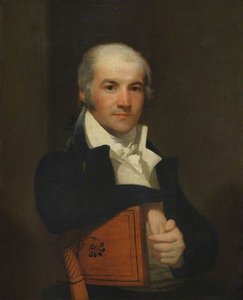
John Jay


 Citește mai mult
Reproducere pictată manual în ulei
Pictură în ulei pe pânză, realizată manual de artiștii noștri la dimensiunea și ramele dorite de dumneavoastră, pe comandă. ( Comută pe versiunea Print Treci la imagine digitală)




P118B lei10

P118H lei10

P118W lei10

P438Z lei10

P508JH lei12

P508YH lei12

P805H lei10

P805Z lei10

P919BZ lei10

P919G lei10

P919XJ lei10

P959ZH lei10

P968JZ lei12

W106C lei8

W218G lei10

W218JH lei8

W218Y lei10

W307PJ lei10

W316G lei10

W316PJ lei8

W316Y lei10

W398PJ lei8

W4111J lei10

W500HY lei15

W500JH lei15

W692G lei12

W849H lei8

W940BG lei15

W953PJ lei8




Alegeți dintre dimensiunile noastre prestabilite, care respectă proporțiile originale ale operei de artă.

Introduceți lățimea și înălțimea de care aveți nevoie, pentru a se potrivi ramei sau peretelui dumneavoastră. Această lucrare este pictată manual, așa că pentru o dimensiune cu o formă diferită, artistul poate picta puțin mai mult în jurul imaginii sau poate tăia puțin din margini — dumneavoastră decideți. Vă vom trimite o simulare digitală pentru aprobare înainte de a începe pictarea. Imaginea afișată pe această pagină nu reprezintă rezultatul real — doar simularea este reprezentativă.
După plasarea comenzii, echipa OriginalUniqueArt.com va contacta clientul prin e-mail pentru instrucțiuni și îi va furniza o previzualizare a machetei
Livrare în întreaga lume () în 3-4 săptămâni, în loc de cele 5 săptămâni standard. (22 Octombrie). Fără compromisuri în ceea ce privește calitatea.

Livrare expres gratuită la nivel mondial

Pânză de in premium

Asigurare completă pentru transport

Garanție de rambursare a taxelor vamale

Garanția fidelității culorilor

Politica de retur în 100 de zile (doar pentru defecte)

Garanție de rambursare 100%

Reducere pentru comenzi multiple
 Opțiunea cu sticlă este disponibilă doar pentru dimensiuni de sub 110 cm

John Jay
Tip de reproducere
Dimensiune reproducere
-


Preț total
lei 1388
A Portrait of Power and Promise: John Jay by Gilbert Stuart
Gilbert Charles Stuart’s 1794 portrait of John Jay is more than just a likeness; it's a carefully constructed embodiment of the nascent American republic. Housed within the National Gallery of Art in Washington, D.C., this oil on canvas painting transcends mere representation, offering a profound glimpse into the character and ambitions of one of America’s founding fathers. Stuart, already establishing himself as a leading portraitist, masterfully captures Jay's commanding presence – a man simultaneously radiating authority and hinting at the weighty responsibilities he bore in shaping the nation’s future.
The painting immediately draws the eye to Jay’s posture: seated with an air of deliberate composure, his gaze directed downward, seemingly lost in contemplation. This subtle shift in focus – away from direct engagement – speaks volumes about the man himself. Jay was a meticulous and often reserved individual, known for his strategic thinking and cautious approach to governance. Stuart cleverly utilizes this characteristic, suggesting a mind deeply engaged with complex matters of state, yet maintaining an outward sense of dignified restraint. The rich crimson robe, adorned with gold trim, is not merely decorative; it’s a visual declaration of Jay's high office as the first Chief Justice of the United States Supreme Court – a position he held with unwavering dedication for nearly two decades.
The Neoclassical Masterstroke: Technique and Detail
Stuart’s skill is evident in every brushstroke. The painting exemplifies the hallmarks of Neoclassicism, a style deeply rooted in the ideals of ancient Greece and Rome. Notice the meticulous attention to detail – the intricate folds of the robe, the texture of Jay's clothing, the subtle shading that defines his face. Stuart’s use of light is particularly effective, creating a sense of depth and dimensionality that brings the portrait to life. The chiaroscuro technique—the dramatic contrast between light and shadow—highlights Jay’s features, emphasizing his intelligence and gravitas. The artist skillfully employs atmospheric perspective in the background, subtly blurring the details to draw attention to the central figure.
Furthermore, observe how Stuart captures the nuances of Jay's expression. It isn’t a boisterous or overtly enthusiastic portrayal; rather, it’s a quiet confidence, a hint of melancholy, and an underlying sense of duty. This restrained emotionality is characteristic of Neoclassical portraiture, which sought to capture not just physical likeness but also the inner character of the subject.
A Founding Father in Context: John Jay and the American Experiment
To fully appreciate “John Jay,” it’s crucial to understand the historical context in which it was created. The late 1790s were a turbulent period in American history, marked by political divisions between Federalists and Republicans. Jay played a pivotal role as a diplomat during the Revolutionary War and later served as Governor of New York, navigating complex international relations and shaping domestic policy. As Chief Justice, he established many precedents for the Supreme Court, solidifying its authority within the new government.
The portrait itself was commissioned at a time when Jay’s role in securing peace with Great Britain after the war was still fresh in the public's mind. His Treaty of Paris, signed in 1795, averted a potentially devastating conflict and established crucial trade relations between the United States and Great Britain. The painting thus serves as a visual reminder of Jay’s contributions to the nation’s founding and his commitment to preserving its stability.
Symbolism and Enduring Legacy
Beyond its technical brilliance, “John Jay” is rich in symbolism. The seated pose itself conveys authority and wisdom – qualities highly valued in a leader of the new republic. The red robe, signifying judicial office, underscores Jay’s role as a guardian of justice. And the downward gaze suggests a man deeply engaged with the weighty responsibilities of his position. This portrait is not merely a representation of a historical figure; it's an embodiment of the ideals and aspirations of early America – a nation striving to establish itself as a beacon of liberty, justice, and self-governance. Today, reproductions of this iconic work continue to inspire admiration for Jay’s legacy and Stuart’s enduring artistic talent.
Întrebări și răspunsuri
"John Jay" de Gilbert Stuart este o operă de artă luminoasă sau întunecată?
În general, "John Jay" este înregistrată ca având o shadow. Luminozitatea percepută descrie cât de deschisă sau întunecată pare lucrarea.
În ce încăpere din casă s-ar potrivi o reproducere a operei "John Jay"?
O reproducere a „John Jay” se potrivește de minune într-un Living Room.
La ce vârstă a creat Gilbert Stuart opera „John Jay”?
Gilbert Stuart a creat "John Jay" la vârsta de 39. Artistul s-a născut în 1755, iar lucrarea datează din 1794.
Biografie artist
Gilbert Stuart: O viață dedicată portretului
- Naștere: 3 decembrie 1755, Saunderstown, Rhode Island
- Deces: 9 iulie 1828, Boston, Massachusetts
- Naționalitate: American
- Mișcare artistică: Neoclasicism
- Cunoscut pentru: Portretistică, în special portretele unor figuri proeminente din prima perioadă a istoriei americane.
Primii ani și formarea artistică
- Gilbert Stuart s-a născut într-o familie cu rădăcini scoțiene; tatăl său, tot Gilbert, a fost un inventator care a înființat prima fabrică de tutun (snuff mill) din Rhode Island.
- Talentul său artistic a început să se manifeste încă de la o vârstă fragedă, demonstrând o îndemânare remarcabilă chiar și în copilărie.
- La vârsta de 14 ani, a pictat „Spanielii doctorului Hunter”, oferind un prim indiciu al unui viitor strălucitor.
- În jurul anului 1771, a călătorit în Scoția pentru a studia sub îndrumarea lui Cosmo Alexander, însă s-a întors după moartea acestuia, în 1775.
- Perfecționarea sa a continuat la Londra, între 1775 și 1780, sub tutela lui Benjamin West, un pictor american de renume care locuia în Anglia. Această perioadă a fost esențială pentru dezvoltarea stilului său artistic și pentru obținerea recunoașterii în cadrul Academiei Regale.
Cariera artistică și lucrările majore
- Cariera lui Stuart a întâmpinat provocări în timpul Revoluției Americane, fapt care l-a determinat să se stabilească în Anglia în anul 1775.
- A obținut un succes timpuriu cu „Skatere” (Patinatorul) din 1782, un portret care i-a consacrat reputație.
- Cea mai faimoasă operă a sa este portretul nefinalizat al lui George Washington, cunoscut sub numele de Portretul Athenaeum (început în 1796). Această imagine a devenit iconică, fiind prezentă pe bancnotele și timbrele SUA. Stuart a realizat numeroase copii ale acestui portret pentru patroni din America și Europa.
- El a pictat portrete ale altor personalități ilustre, printre care John Adams, Thomas Jefferson, James Madison și mulți membri ai elitei federaliste.
- Stilul lui Stuart era definit de o abordare neoclasică, punând accent pe realism și pe capturarea asemănării și a caracterului subiectelor sale. El folosea adesea un joc dramatic de lumini și umbre pentru a amplifica impactul portretelor.
Influențe și evoluție
- Cosmo Alexander i-a oferit primele lecții de tehnică și compoziție.
- Mișcarea neoclasică, prin accentul său asupra formelor și idealurilor clasice, i-a influențat puternic stilul.
- Observațiile proprii și interacțiunile cu subiectele sale au contribuit la profunzimea psihologică și la realismul portretelor sale. El urmărea să surprindă nu doar o simplă asemănare, ci și esența și personalitatea celor pe care îi picta.
Semnificația istorică și moștenirea lăsată
- Gilbert Stuart este considerat unul dintre cei mai importanți portretiști ai Americii, jucând un rol vital în documentarea primilor ani ai Statelor Unite.
- Portretul Athenaeum al lui George Washington a devenit un simbol durabil al identității și al leadership-ului american.
- Portretele sale oferă perspective istorice valoroase asupra vieților și aspectelor unor figuri proeminente din sfârșitul secolului al XVIII-lea și începutul secolului al XIX-lea.
- Opera lui Stuart este reprezentată în marile muzee din Statele Unite și Europa, asigurându-se că moștenirea sa va continua să fie apreciată de generații întregi.
- El a stabilit un stil american distinct de portretistică, care a împletit tehnicile europene cu o sensibilitate unică, americană.

Gilbert Stuart
1755 - 1828 , Statele Unite ale Americii
Informații rapide
- Artistic Movement Or Style: Neoclasicism
- Artists Who Influenced This Artist:
- Cosmo Alexander
- Benjamin West
- Date Of Birth: 3 decembrie 1755
- Date Of Death: 9 iulie 1828
- Full Name: Gilbert Charles Stuart
- Nationality: American
- Notable Artworks:
- George Washington (The Athenaeum Portrait)
- John Adams
- Place Of Birth: North Kingstown, Rhode Island
Articole conexe

Grant Wood & American Regionalism: Identity, Myth & the Rural Landscape
Explore the world of Grant Wood & American Regionalism with OriginalUniqueArt. Discover the symbolism behind 'American Gothic', recurring themes, and the movement's lasting impact on art history. High-quality reproductions available.

John Constable: Cele Mai Frumoase 25 de Capodopere – Artă Clasică pentru Decorul Casei Tale
Descoperă cele mai frumoase 25 de picturi ale lui John Constable, maestru al peisajului englezesc! Explorează stilul romantic, Dedham Vale și capodopere precum The Hay Wain. Reproduceri artă clasică pentru decorul casei tale – OriginalUniqueArt.com.

Benjamin West: Transatlantic Ambition & Shaping American Art
Explore the life & legacy of Benjamin West, pioneering American artist and Royal Academy president. Discover his Neoclassical masterpieces, transatlantic influence, and lasting impact on art history. Learn more at OriginalUniqueArt.

John Singer Sargent: Cele Mai Iconice Capodopere – Artă, Portrete și Decorațiuni de Lux
Descoperă cele mai frumoase 25 de picturi ale lui John Singer Sargent! Portrete elegante, acuarele rafinate și capodopere impresioniste. Află povestea fiecărei opere și găsește inspirație pentru decorul casei tale pe OriginalUniqueArt.com.

Realism American: 10 Capodopere Esențiale pentru Decorul Cult și Rafinat
Descoperă 10 capodopere esențiale ale Realismului American! Explorează poveștile din spatele picturilor lui Hopper, Wyeth și Wood. Reproduceri de artă premium pentru un decor rafinat pe OriginalUniqueArt.com