Vezi în context
 Trimite
 Distribuie
 Detalii
 Ghidul

 Descarcă
 Produse similare
 Radiografie
 Diaporama
 Statistici
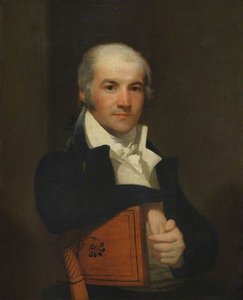
Sir Edward Thornton
 Acrilic pe pânză întinsă
- Artă de perete
- Neoclassicism
 1799
1799 74.0 x 61.0 cm
 Pembroke College
 Citește mai mult
Reproducere pictată manual în ulei
Pictură în ulei pe pânză, realizată manual de artiștii noștri la dimensiunea și ramele dorite de dumneavoastră, pe comandă. ( Comută pe versiunea Print Treci la imagine digitală)




P118B lei10

P118H lei10

P118W lei10

P438Z lei10

P508JH lei12

P508YH lei12

P805H lei10

P805Z lei10

P919BZ lei10

P919G lei10

P919XJ lei10

P959ZH lei10

P968JZ lei12

W106C lei8

W218G lei10

W218JH lei8

W218Y lei10

W307PJ lei10

W316G lei10

W316PJ lei8

W316Y lei10

W398PJ lei8

W4111J lei10

W500HY lei15

W500JH lei15

W692G lei12

W849H lei8

W940BG lei15

W953PJ lei8




Alegeți dintre dimensiunile noastre prestabilite, care respectă proporțiile originale ale operei de artă.

Introduceți lățimea și înălțimea de care aveți nevoie, pentru a se potrivi ramei sau peretelui dumneavoastră. Această lucrare este pictată manual, așa că pentru o dimensiune cu o formă diferită, artistul poate picta puțin mai mult în jurul imaginii sau poate tăia puțin din margini — dumneavoastră decideți. Vă vom trimite o simulare digitală pentru aprobare înainte de a începe pictarea. Imaginea afișată pe această pagină nu reprezintă rezultatul real — doar simularea este reprezentativă.
După plasarea comenzii, echipa OriginalUniqueArt.com va contacta clientul prin e-mail pentru instrucțiuni și îi va furniza o previzualizare a machetei
Livrare în întreaga lume () în 3-4 săptămâni, în loc de cele 5 săptămâni standard. (22 Octombrie). Fără compromisuri în ceea ce privește calitatea.

Livrare expres gratuită la nivel mondial

Pânză de in premium

Asigurare completă pentru transport

Garanție de rambursare a taxelor vamale

Garanția fidelității culorilor

Politica de retur în 100 de zile (doar pentru defecte)

Garanție de rambursare 100%

Reducere pentru comenzi multiple
 Opțiunea cu sticlă este disponibilă doar pentru dimensiuni de sub 110 cm

Sir Edward Thornton
Tip de reproducere
Dimensiune reproducere
-


Preț total
lei 1388
Sir Edward Thornton (1766–1852): A Portrait of Dignified Resolve
Gilbert Stuart’s depiction of Sir Edward Thornton stands as a testament to the Romantic ideal of dignified portraiture, capturing not merely likeness but also an inner spirit—a quiet contemplation that speaks volumes about the subject's character and status. Executed in 1799, this oil on canvas masterpiece resides within Pembroke College, Cambridge, bearing the accession number PD0094, a symbol of its enduring legacy within British art history.Subject Matter and Composition
The painting portrays Sir Edward Thornton, a prominent figure in British diplomacy during his time—specifically, Count of Cacilhas—with remarkable precision. Stuart skillfully renders Thornton’s face, emphasizing the subtle lines etched by experience and conveying an aura of serene composure. He is positioned centrally within the frame, holding what appears to be a book or sheet of paper, suggesting intellectual pursuits alongside official responsibilities. The inclusion of a wall behind Thornton adds depth to the composition, grounding the figure against a backdrop that subtly reinforces his position as a man of learning and influence.Stylistic Influences: Neoclassicism Revisited
Stuart’s approach aligns closely with the tenets of Neoclassicism, a movement that sought inspiration from classical antiquity—particularly Greek sculpture—to express moral virtue and rational thought. Unlike the exuberant Baroque style prevalent in earlier decades, Stuart opted for restraint and clarity, prioritizing anatomical accuracy and balanced proportions. This stylistic choice reflects the broader cultural climate of the late 18th century, where artists aimed to elevate portraiture beyond mere representation, striving instead to embody ideals of nobility and intellectual refinement.Technique and Detail
Stuart’s mastery is evident in his meticulous attention to detail—particularly in capturing Thornton's facial features and clothing. The artist employed a glazing technique, layering thin translucent washes of pigment over underpaintings to achieve luminous skin tones and subtle gradations of color. Careful brushwork contributes to the painting’s textural richness, conveying both the smoothness of Thornton’s attire and the contours of his face with remarkable subtlety. The artist's skillful manipulation of light and shadow enhances the dramatic effect of the portrait, emphasizing Thornton’s gaze—a direct address to the viewer that invites contemplation on his inner life.Historical Context: Diplomacy and Virtue
Painted during a period marked by significant political upheaval—the Napoleonic Wars—Thornton’s portrait serves as a visual embodiment of British values at the time. Stuart's depiction underscores the importance of intellect, moral integrity, and dignified bearing in upholding national honor amidst turbulent circumstances. The Count of Cacilhas was instrumental in securing Britain’s interests during these conflicts, demonstrating leadership qualities that were celebrated within the artistic circles of London. This artwork remains a poignant reminder of an era defined by both ambition and virtue—a timeless portrait capturing the essence of a distinguished statesman.Emotional Impact: Serenity Amidst Uncertainty
Ultimately, Sir Edward Thornton transcends mere visual representation; it communicates a profound sense of serenity amidst uncertainty. The subject’s gaze—steady yet thoughtful—suggests resilience and inner fortitude—qualities that resonate powerfully with viewers today. Stuart's ability to convey emotion through subtle gestures and facial expressions elevates the portrait beyond a simple likeness, transforming it into an enduring symbol of dignity and contemplation—a masterpiece that continues to inspire admiration for its artistic excellence and intellectual depth.Întrebări și răspunsuri
Ce tehnică a fost utilizată pentru "Sir Edward Thornton" și când a fost creată?
"Sir Edward Thornton" a fost realizată în 1799, în Acrilic pe pânză întinsă.
Ce amplasare se potrivește formatului lucrării "Sir Edward Thornton" de Gilbert Stuart?
Formatul Format portrait al operei "Sir Edward Thornton" de Gilbert Stuart este recomandat pentru o Living Room. Formatul și spațiul împreună ghidează amplasarea unei reproduceri.
Gilbert Stuart, creatorul operei „Sir Edward Thornton”, este cunoscut și sub alte nume?
Alte nume înregistrate pentru Gilbert Stuart, creatorul operei „Sir Edward Thornton”, includ Gilbert Stewart.
Biografie artist
Gilbert Stuart: O viață dedicată portretului
- Naștere: 3 decembrie 1755, Saunderstown, Rhode Island
- Deces: 9 iulie 1828, Boston, Massachusetts
- Naționalitate: American
- Mișcare artistică: Neoclasicism
- Cunoscut pentru: Portretistică, în special portretele unor figuri proeminente din prima perioadă a istoriei americane.
Primii ani și formarea artistică
- Gilbert Stuart s-a născut într-o familie cu rădăcini scoțiene; tatăl său, tot Gilbert, a fost un inventator care a înființat prima fabrică de tutun (snuff mill) din Rhode Island.
- Talentul său artistic a început să se manifeste încă de la o vârstă fragedă, demonstrând o îndemânare remarcabilă chiar și în copilărie.
- La vârsta de 14 ani, a pictat „Spanielii doctorului Hunter”, oferind un prim indiciu al unui viitor strălucitor.
- În jurul anului 1771, a călătorit în Scoția pentru a studia sub îndrumarea lui Cosmo Alexander, însă s-a întors după moartea acestuia, în 1775.
- Perfecționarea sa a continuat la Londra, între 1775 și 1780, sub tutela lui Benjamin West, un pictor american de renume care locuia în Anglia. Această perioadă a fost esențială pentru dezvoltarea stilului său artistic și pentru obținerea recunoașterii în cadrul Academiei Regale.
Cariera artistică și lucrările majore
- Cariera lui Stuart a întâmpinat provocări în timpul Revoluției Americane, fapt care l-a determinat să se stabilească în Anglia în anul 1775.
- A obținut un succes timpuriu cu „Skatere” (Patinatorul) din 1782, un portret care i-a consacrat reputație.
- Cea mai faimoasă operă a sa este portretul nefinalizat al lui George Washington, cunoscut sub numele de Portretul Athenaeum (început în 1796). Această imagine a devenit iconică, fiind prezentă pe bancnotele și timbrele SUA. Stuart a realizat numeroase copii ale acestui portret pentru patroni din America și Europa.
- El a pictat portrete ale altor personalități ilustre, printre care John Adams, Thomas Jefferson, James Madison și mulți membri ai elitei federaliste.
- Stilul lui Stuart era definit de o abordare neoclasică, punând accent pe realism și pe capturarea asemănării și a caracterului subiectelor sale. El folosea adesea un joc dramatic de lumini și umbre pentru a amplifica impactul portretelor.
Influențe și evoluție
- Cosmo Alexander i-a oferit primele lecții de tehnică și compoziție.
- Mișcarea neoclasică, prin accentul său asupra formelor și idealurilor clasice, i-a influențat puternic stilul.
- Observațiile proprii și interacțiunile cu subiectele sale au contribuit la profunzimea psihologică și la realismul portretelor sale. El urmărea să surprindă nu doar o simplă asemănare, ci și esența și personalitatea celor pe care îi picta.
Semnificația istorică și moștenirea lăsată
- Gilbert Stuart este considerat unul dintre cei mai importanți portretiști ai Americii, jucând un rol vital în documentarea primilor ani ai Statelor Unite.
- Portretul Athenaeum al lui George Washington a devenit un simbol durabil al identității și al leadership-ului american.
- Portretele sale oferă perspective istorice valoroase asupra vieților și aspectelor unor figuri proeminente din sfârșitul secolului al XVIII-lea și începutul secolului al XIX-lea.
- Opera lui Stuart este reprezentată în marile muzee din Statele Unite și Europa, asigurându-se că moștenirea sa va continua să fie apreciată de generații întregi.
- El a stabilit un stil american distinct de portretistică, care a împletit tehnicile europene cu o sensibilitate unică, americană.

Gilbert Stuart
1755 - 1828 , Statele Unite ale Americii
Informații rapide
- Artistic Movement Or Style: Neoclasicism
- Artists Who Influenced This Artist:
- Cosmo Alexander
- Benjamin West
- Date Of Birth: 3 decembrie 1755
- Date Of Death: 9 iulie 1828
- Full Name: Gilbert Charles Stuart
- Nationality: American
- Notable Artworks:
- George Washington (The Athenaeum Portrait)
- John Adams
- Place Of Birth: North Kingstown, Rhode Island
Articole conexe
The Grandeur of Presence: Exploring Representations of Stately Bearing in Western Portraiture
Explore the art of stately bearing in Western portraiture with expert analysis of Renaissance & Baroque masterpieces. Discover symbolism, techniques, and the legacy of iconic portraits – a guide for discerning collectors.
Edward Hopper: Cele Mai Iconice Lucrări – Artă, Decorațiuni și Povești Captivante
Descoperă cele mai iconice 25 de picturi Edward Hopper! Explorează realismul american, atmosfera unică și poveștile din spatele capodoperelor sale. Reproduceri tablouri de calitate muzeală & inspirație pentru decor interior pe OriginalUniqueArt.com.
John Graham Gilbert: Rediscovering a Victorian Master of Narrative & Portraiture
Discover the captivating world of John Graham Gilbert, a Victorian master! Explore his portraits, genre scenes & illustrations. Learn about his influences, legacy & find high-quality reproductions at OriginalUniqueArt.

The Enduring Legacy of Formal Portraiture: Power, Identity & Artistic Exploration
Explore the rich history of formal portraiture & its enduring power to capture identity and shape perception. Discover investment-worthy artworks, expert appraisals, and custom reproduction services at OriginalUniqueArt.

The Enduring Gaze: Portraiture's Historical & Psychological Evolution
Explore the rich history of portraiture with expert analysis from OriginalUniqueArt. Discover iconic Renaissance masterpieces, symbolism & techniques that shaped identity. Find museum-quality art for your collection.