

 Vezi în context
 Trimite
 Distribuie
 Detalii
 Ghidul

 Descarcă
 Produse similare
 Radiografie
 Diaporama
 Statistici
Eve Repentant
 Oil On Canvas
- WallArt
- Symbolist
 1875
1875- 19th Century
 119.0 x 259.0 cm
 Tate Britain
 Citește mai mult
Reproducere pictată manual în ulei
Pictură în ulei pe pânză, realizată manual de artiștii noștri la dimensiunea și ramele dorite de dumneavoastră, pe comandă. ( Comută pe versiunea Print Treci la imagine digitală)




P118B lei10

P118H lei10

P118W lei10

P438Z lei10

P508JH lei12

P508YH lei12

P805H lei10

P805Z lei10

P919BZ lei10

P919G lei10

P919XJ lei10

P959ZH lei10

P968JZ lei12

W106C lei8

W218G lei10

W218JH lei8

W218Y lei10

W307PJ lei10

W316G lei10

W316PJ lei8

W316Y lei10

W398PJ lei8

W4111J lei10

W500HY lei15

W500JH lei15

W692G lei12

W849H lei8

W940BG lei15

W953PJ lei8




Alegeți dintre dimensiunile noastre prestabilite, care respectă proporțiile originale ale operei de artă.

Introduceți lățimea și înălțimea de care aveți nevoie, pentru a se potrivi ramei sau peretelui dumneavoastră. Această lucrare este pictată manual, așa că pentru o dimensiune cu o formă diferită, artistul poate picta puțin mai mult în jurul imaginii sau poate tăia puțin din margini — dumneavoastră decideți. Vă vom trimite o simulare digitală pentru aprobare înainte de a începe pictarea. Imaginea afișată pe această pagină nu reprezintă rezultatul real — doar simularea este reprezentativă.
După plasarea comenzii, echipa OriginalUniqueArt.com va contacta clientul prin e-mail pentru instrucțiuni și îi va furniza o previzualizare a machetei
Livrare în întreaga lume () în 3-4 săptămâni, în loc de cele 5 săptămâni standard. (24 Octombrie). Fără compromisuri în ceea ce privește calitatea.

Livrare expres gratuită la nivel mondial

Pânză de in premium

Asigurare completă pentru transport

Garanție de rambursare a taxelor vamale

Garanția fidelității culorilor

Politica de retur în 100 de zile (doar pentru defecte)

Garanție de rambursare 100%

Reducere pentru comenzi multiple
 Opțiunea cu sticlă este disponibilă doar pentru dimensiuni de sub 110 cm

Eve Repentant
Tip de reproducere
Dimensiune reproducere
-


Preț total
lei 1391
A Vision of Sorrow and Spiritual Awakening
In the quiet, evocative depths of George Frederic Watts’ “Eve Repentant,” completed around 1875, viewers are invited into a profound moment of psychological and spiritual vulnerability. As a cornerstone of Victorian Symbolism, this masterpiece transcends a mere biblical illustration; it is an intimate exploration of the human condition, capturing the heavy weight of regret and the flickering light of redemption. The painting presents Eve not as a figure of triumph or simple sin, but as a soul caught in the transformative process of repentance. Her slumped posture and bowed head convey a palpable sense of grief, drawing the observer into a shared experience of mourning and introspection that remains deeply resonant even a century and a half later.
The composition is masterfully orchestrated to guide the emotional journey of the viewer. Watts utilizes a deliberate asymmetry, centering the focus on Eve’s delicate yet burdened form. The surrounding forest setting, while providing a naturalistic backdrop, serves a much deeper symbolic purpose. Amidst the shadows of her despair, two birds appear—one perched upon her shoulder and another hovering nearby—acting as celestial messengers of hope and consolation. These subtle elements suggest that even in the depths of loss, the possibility of spiritual awakening remains ever-present, making the piece an enduring symbol of resilience for any collector seeking art with profound philosophical depth.
Mastery of Symbolist Technique and Texture
Technically, “Eve Repentant” is a triumph of the Symbolist aesthetic, where the artist’s brushwork serves the higher purpose of conveying intangible truths. Working with oil on canvas, Watts achieved a luminous, almost ethereal surface texture that breathes life into the skin of his subject and the surrounding foliage. His technique avoids the starkness of realism, opting instead for meticulous yet soft delineations that emphasize Eve's vulnerability. The way light interacts with the contours of her body creates a sense of movement and presence, as if the very atmosphere of the forest is thick with the weight of her emotions.
For the discerning interior designer or art enthusiast, this painting offers an unparalleled opportunity to introduce a sense of narrative gravity and classical elegance into a space. The rich, earthy tones and the intricate interplay of light and shadow provide a sophisticated focal point that can anchor a room with both dignity and mystery. Whether displayed in a quiet study or as a centerpiece in a grand gallery, a high-quality reproduction of this work brings with it the legacy of the House of Life—Watts’ ambitious cycle intended to represent the universal emotions and aspirations of humanity. To possess such a piece is to hold a fragment of Victorian visionary imagination, offering a timeless window into the eternal dance between shadow and light.
Întrebări și răspunsuri
Ce amplasare se potrivește formatului lucrării "Eve Repentant" de George Frederic Watts?
Formatul Tall al operei "Eve Repentant" de George Frederic Watts este recomandat pentru o Living Room. Formatul și spațiul împreună ghidează amplasarea unei reproduceri.
Pentru ce este recomandată o reproducere a operei "Eve Repentant" de George Frederic Watts?
Utilizarea sugerată pentru "Eve Repentant" de George Frederic Watts este Accent. Poate servi și alte scopuri.
Cine este autorul operei "Eve Repentant" și din ce curent face parte?
George Frederic Watts a creat "Eve Repentant" în cadrul mișcării Symbolist.
Biografie artist
primii ani și educația
george frederic watts, o figură proeminentă a mișcării simboliste, s-a născut pe 23 februarie 1817, în marylebone, londra. primii săi ani de viață au fost marcați de o sănătate fragilă și de pierderea mamei sale într-o vârstă fragedă. tatăl lui watts, un constructor de piane, i-a oferit o educație creștină conservatoare și l-a inițiat în studiul clasicilor, inclusiv al iliadului. această influență clasică avea să devină ulterior piatra de temelie a stilului său artistic.cariera
watts și-a început călătoria artistică încă de la vârsta de 10 ani, învățând sculptura sub îndrumarea lui william behnes. mai târziu, la 18 ani, s-a înscris ca student la royal academy schools. prima sa expoziție la academie, din 1837, a marcat începutul unei cariere prolifice.- caractacus, un desen trimis pentru un concurs de proiectare a frescelor pentru noile camere ale parlamentului, i-a adus lui watts primul premiu în 1843.
- călătoriile sale ulterioare în italia (1843-1847) și legătura cu ambasadorul britanic henry fox i-au influențat stilul, așa cum se poate observa în portretul lui lady holland, expus în 1848.
- întoarcerea lui watts în britania a dus la primirea unei comenzi pentru o frescă în camerele parlamentului, pe care a finalizat-o între 1848 și 1853.
capodopere simboliste
cele mai faimoase opere ale lui watts includ:- speranța și dragostea și viața, concepute ca parte a unui ciclu simbolic epic numit „casa vieții”.
- triumful cavalerului crucii roșii (din faerie queene), finalizat în 1852-53, demonstrează măiestria sa în subiectele alegorice.
- portretul actriței ellen terry, pictat în 1864, exemplifică capacitatea sa de a surprinde esența subiectelor sale.
moștenirea
influența lui watts asupra lumii arte este incontestabilă. asocierea sa cu mișcarea simbolistă și utilizarea sa inovatoare a culorii și formei l-au transformat într-o figură iubită în istoria artei britanice. vizualizați operele lui george frederic watts pe OriginalUniqueArt.commuzee care expun lucrările lui watts
- lincoln's inn, care prezintă fresca sa justiția, un hemiciclu de legiuitori.
- galeria watts gallery – artists' village în guildford, regatul unit, dedicată păstrării lucrărilor lui watts și ale altor artiști.

George Frederic Watts
1817 - 1904 , Regatul Unit
Informații rapide
- Artistic Movement Or Style: Simbolism
- Artists Or Movements Influenced By This Artist: ['Pre-Raphaelitism']
- Artists Who Influenced This Artist:
- William Behnes
- Henry Fox
- Date Of Birth: 1817
- Date Of Death: 1904
- Full Name: George Frederic Watts
- Nationality: Britanic
- Notable Artworks:
- În Speranță
- Triumful Cavalerului Crucii Roșii
- Place Of Birth: Londra, Regatul Unit
Articole conexe

The Soul of Impressionism: Why Oil on Canvas Captures Eternal Light and Timeless Emotion
Discover the enchanting alchemy of Impressionism. Explore how the mastery of oil on canvas, through glazing and impasto, captures eternal light and emotion. Perfect for lovers of Monet and Van Gogh seeking the profound depth of hand-painted fine art.

Moștenirea Durabilă a Picturii în Ulei: Tehnică, Istorie și Practică Contemporană
Descoperă istoria fascinantă și tehnicile esențiale ale picturii în ulei. Ghid complet pentru artiști, de la materiale până la creații contemporane. Îmbunătățește-ți abilitățile artistice!

Oil on Canvas: A Historical & Technical Exploration of a Timeless Artistic Medium
Explore the rich history & enduring techniques of oil painting on canvas. Discover the science behind its longevity, conservation practices, and contemporary relevance. Expert insights for art enthusiasts.

The Enduring Legacy of Oil on Canvas: Technique, History & Aesthetic Impact
Explore the rich history & techniques of oil painting – from Renaissance masters to Impressionism. Discover pigments, layering methods, and why this timeless medium endures. Expert insights for artists & art enthusiasts.
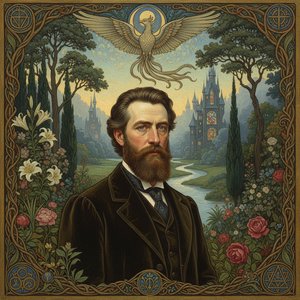
Frederick Waters Watts: A Victorian Vision of Aestheticism & Spiritual Symbolism
Explore the captivating world of Frederick Watts, a key Victorian painter blending aestheticism & spiritual symbolism. Discover his allegorical masterpieces like 'Hope' and delve into his artistic journey with OriginalUniqueArt.