

 Vezi în context
 Trimite
 Distribuie
 Detalii
 Ghidul

 Descarcă
 Produse similare
 Radiografie
 Diaporama
 Statistici
Angel
 Oil On Panel
- Northern Renaissance
 1525
1525- Renaissance
 50.0 x 17.0 cm
 Muzeul Wallraf-Richartz
 Citește mai mult
Reproducere pictată manual în ulei
Pictură în ulei pe pânză, realizată manual de artiștii noștri la dimensiunea și ramele dorite de dumneavoastră, pe comandă. ( Comută pe versiunea Print Treci la imagine digitală)




P118B lei10

P118H lei10

P118W lei10

P438Z lei10

P508JH lei12

P508YH lei12

P805H lei10

P805Z lei10

P919BZ lei10

P919G lei10

P919XJ lei10

P959ZH lei10

P968JZ lei12

W106C lei8

W218G lei10

W218JH lei8

W218Y lei10

W307PJ lei10

W316G lei10

W316PJ lei8

W316Y lei10

W398PJ lei8

W4111J lei10

W500HY lei15

W500JH lei15

W692G lei12

W849H lei8

W940BG lei15

W953PJ lei8




Alegeți dintre dimensiunile noastre prestabilite, care respectă proporțiile originale ale operei de artă.

Puteți introduce propriile dimensiuni pentru a se potrivi unui anumit cadru sau spațiu. Dacă dimensiunea selectată nu corespunde proporțiilor imaginii originale, vom decupa opera de artă sau vom extinde pictura cu elemente suplimentare pictate manual. O simulare digitală vă va fi trimisă pentru aprobare înainte de începerea producției.
Vă rugăm să rețineți că previzualizarea de pe ecran nu reflectă decuparea sau extinderea reală. Doar macheta va arăta cu exactitate compoziția finală.
Deși sunt disponibile dimensiuni personalizate, vă recomandăm să selectați o dimensiune din lista predefinită pentru a păstra proporțiile originale.
După plasarea comenzii, echipa OriginalUniqueArt.com va contacta clientul prin e-mail pentru instrucțiuni și îi va furniza o previzualizare a machetei
Livrare în întreaga lume () în 3-4 săptămâni, în loc de cele 5 săptămâni standard. (28 Septembrie). Fără compromisuri în ceea ce privește calitatea.

Livrare expres gratuită la nivel mondial

Pânză de in premium

Asigurare completă pentru transport

Garanție de rambursare a taxelor vamale

Garanția fidelității culorilor

Politica de retur în 100 de zile (doar pentru defecte)

Garanție de rambursare 100%

Reducere pentru comenzi multiple
 Opțiunea cu sticlă este disponibilă doar pentru dimensiuni de sub 110 cm

Angel
Tip de reproducere
Dimensiune reproducere
-


Preț total
lei 1355
A Celestial Vision in Gold: The Divine Grace of Georg Pencz
In the quiet corridors of the Wallraf-Richartz-Museum in Cologne, there exists a window into the spiritual fervor of the sixteenth century. Georg Pencz’s Angel, painted in 1525, is not merely a depiction of a celestial being; it is an intimate encounter with the divine. This slender, vertical masterpiece, measuring a delicate 50 x 17 cm, captures a moment of profound stillness and devotion. The composition centers on a kneeling angel, whose hands are clasped in eternal prayer, embodying a sense of humility that transcends the centuries. As the viewer’s eye travels across the wood panel, they are met with a breathtaking display of Northern Renaissance mastery, where every brushstroke serves to bridge the gap between the earthly and the heavenly.
The technical brilliance of Pencz is most evident in his sophisticated use of light and texture. Influenced by the vibrant energy of the Italian Renaissance and the meticulous precision of Nuremberg’s artistic circles, Pencz employs a technique that breathes life into the inanimate. The angel’s drapery falls in heavy, rhythmic folds, rendered with such care that one can almost feel the weight of the fabric. Most striking is the artist's use of gold leaf, which illuminates the halo and the expansive, feathered wings. This luminous element does more than provide opulence; it creates a celestial glow that seems to radiate from within the painting itself, casting soft highlights and deep shadows that lend a remarkable three-dimensional quality to the figure.
Symbolism and the Language of the Renaissance
Beyond its aesthetic splendor, the Angel is a profound tapestry of symbolic meaning. In the iconographic language of the 1500s, the angel serves as a messenger of purity and innocence, a sentinel of the divine realm. The inclusion of a delicate bouquet of flowers held by the figure introduces themes of hope, renewal, and the fleeting beauty of life. This interplay between the eternal (the angel) and the ephemeral (the flowers) invites a contemplative state in the observer, encouraging a reflection on one's own values and spiritual journey. The background, a swirling sky of blues and golds, provides an atmospheric perspective that suggests an infinite, heavenly expanse, further isolating the angel in a moment of sacred solitude.
For the discerning collector or interior designer, this artwork offers much more than visual decoration; it offers an atmosphere of serenity and historical depth. A high-quality oil reproduction of this piece brings with it the prestige of the Northern Renaissance, acting as a sophisticated focal point in any curated space. Whether placed in a quiet study to inspire meditation or within a grand gallery setting to showcase classical elegance, the Angel commands attention through its subtle complexity and emotional resonance. It remains a testament to Georg Pencz’s ability to capture the sublime, making it an enduring treasure for those who seek to surround themselves with art that speaks to the soul.
Biografie artist
O via sculptată în Renașterea Germană: Lumea lui Georg Pencz
Georg Pencz, născut în jurul anului 1500 în orașul franconian Bad Windheim, se impune ca o figură fascinantă a Renașterii germane—un maestru gravor, pictor și printmaker al cărui destin s-a desfășurat pe fundalul agitațiilor religioase și al inovației artistice. Deși detaliile precise ale primelor sale ani rămân evazive, știm că a pornit spre Nürnberg în jurul anului 1523, un oraș care pulsa atunci de energie creativă sub influență Albrecht Dürer. Participarea la atelierul lui Dürer s-a dovedit a fi un moment decisiv; aici, Pencz și-a perfecționat tehnica și a absorbit strălucirea tehnică ce avea să îi definească propriul parcurs artistic. Totuși, Pencz nu a fost un simplu imitator. El poseda o sensibilitate unică, profund conectată la noile correnti de gândire și exprimare care măturau Europa. Călătoriile sale au depășit granițele Nürnbergului, incluzând vizite în Italia, unde a descoperit arta vibrantă a Veneției—o experiență ce i-a modelat profund viziunea estetică.„Micul Maestru” și puterea gravurii
Pencz s-a impus rapid ca un talent formidabil în domeniul înfloritor al printului. În 1525, o întorsătură dramatică a destinului l-a dus în închisoare alături de Barthel Beham și Hans Sebald Beлично Beham, din cauza legăturilor lor cu reformatorul religios radical Thomas Müntzer. Această experiență comună a creat o legătură între cei trei artiști, ducând la desemnarea lor colectivă drept „Micii Maestre”. În ciuda dimensiunilor relativ mici ale operelor lor—printurile fiind adesea diminutive—aceste creații au exercitat o influență enormă asupra generațiilor ulterioare de printmakeri. Gravurile lui Pencz sunt caracterizate prin detaliul minuțios, măiestria desenului și o observație acută a caracterului uman. El a depășit iconografia religioasă tradițională, explorând teme seculare și subiecte umaniste dintr-o perspectivă proaspătă. Seria sa Six Triumphs of Petrarch exemplifică această schimbare, prezentând scene inspirate din sonetele poetului italian—o dovadă a implicării sale în literatura clasică și în idealurile Renașterii. Lucrarea Life of Christ, formată din 26 de plăcuțe, demonstrează capacitatea sa de a narra povești biblice complexe cu claritate și profunzime emoțională.Dincolo de gravură: Pictura și iluzia trompe-l’œil
Deși este celebrat în principal ca gravor, Pencz a fost și un pictor abil. A devenit renumit în special pentru picturile sale de plafon în stil trompe-l'œil din Nürnberg—iluzii optice concepute pentru a păcăli ochiul, creând percepția unui spațiu tridimensional acolo unde acesta nu exista. Un desen supraviețuit descrie o scenă cu muncitori care ridică materiale de construcții pe un acționist sub un cer deschis, creând impresia că încăperea era încă în curs de construcție. Aceste opere dezvăluie măiestria lui Pencz în perspectivă și interacțiunea sa ludică cu iluzionismul—o tehnică preferată de artiștii Renașterii care doreau să estomedeze granițele dintre artă și realitate. Portretele sale, executate cu o precizie meticuloasă și o perspectivă psihologică profundă, demonstrează în continuare versatilitatea sa ca pictor. Lucrări precum Portrait of a Young Man, Portrait of Marshal Schirmer și Portrait of Erhard Schwetzer and his wife surprind individualitatea și statutul social al modelelor lor cu o sensibilitate remarcabilă.O numire la curte și un moștenire durabilă
În 1539, Pencz s-a întors scurt în Italia, vizitând Roma pentru prima dată înainte de a reveni la Nürnberg în 1540. Această perioadă a marcat un punct de cotitură în cariera sa; a fost numit pictor al orașului și a obținut un succes semnificativ ca portretist. Renumele său a continuat să crească, culminând cu numirea sa de pictor de curte de către Albert, Duce al Prusiei, în 1550. Din păcate, Pencz a murit în Leipzig în același an, înainte de a-și putea ocupa noua funcție. În ciuda vieții sale relativ scurte, Georg Pencz a lăsat o amprentă indelibilă asupra artei germane. El a construit puntea între tradiția tardogotică și stilurile emergente ale Renașterii înalte, îmbinând precizia tehnică cu idealurile umaniste și o înțelegere profundă a psihologiei umane. Printurile sale continuă să captiveze privitorii prin detaliul lor complex și puterea expresivă, în timp ce picturile sale oferă o privire asupra vieților și sensibilităților Germaniei secolului al XVI-lea.Semnificația istorică și redescoperirea
Povestea lui Georg Pencz nu este lipsită de umbre. În martie 1939, în timpul regimului nazist, pictura sa Young Couple in a Landscape a fost confiscată de la colecționarul evreu Arthur Feldmann, care a pierit tragic în Holocaust. Opera de artă a reapărut la Sotheby’s în 1946 și a ajuns în cele din urmă în colecția lui Rosi Schilling, care a donat-o generos Muzeului Britanic. În 2013, după ani de cercetare și pledoarie, muzeul a soluționat o cerere de restituire pentru spolierea nazistă venită din partea nepotului lui Feldmann, înapoietând pictura moștenitorilor săi legitimi—o amintire poignantă a importanței durabile a restituirii și a păstrării patrimoniului cultural. Astăzi, Georg Pencz este recunoscut ca unul dintre cei mai importanți artiști germani ai Renașterii, operele sale fiind păstrate în marile muzee și colecții din întreaga lume. Moștenirea sa continuă să îi inspire pe artiști și cercetători deopotrivă, asigurându-se că numele său va rămâne întipărit pentru totdeauna în analele istoriei artei.
Georg Pencz
1500 - 1550
Informații rapide
- Artistic Movement Or Style: Înalt Renaștere
- Artists Or Movements Influenced By This Artist: ['familia Da Vinci']
- Artists Who Influenced This Artist: ['Andrea del Verrocchio']
- Date Of Birth: 15 aprilie 1452
- Date Of Death: 2 mai 1519
- Full Name: Leonardo di ser Piero da Vinci
- Nationality: Italian
- Notable Artworks:
- Mona Lisa
- Cina cea de ultimă vorbă
- Omul Vitruvian
- Place Of Birth: Vinci, Italia
Articole conexe

Celestial Messengers: A Comprehensive Exploration of Angelic Representation in Art History
Explore the captivating history of angels in art! Discover symbolism, iconic Renaissance masterpieces & renowned artists. Expert insights for art lovers & collectors at OriginalUniqueArt.

Georges Braque: Cele Mai Iconice 25 De Opere – Artă Modernă pentru Decorul Tău
Descoperă cele mai importante 25 de opere ale lui Georges Braque, pionier al cubismului! Explorează istoria, tehnicile și semnificația fiecărei picturi. Reproduceri artă de calitate muzeală pentru decorul tău pe OriginalUniqueArt.com.

Georges Seurat: Cele Mai Remarcabile 25 de Opere – Artă, Decorațiuni și Inspirație
Descoperă cele mai frumoase 25 de picturi ale lui Georges Seurat! Explorează arta Pointillismului, culorile vibrante și stilul unic al acestui maestru impresionist. Reproduceri de calitate superioară pentru decor interior rafinat pe OriginalUniqueArt.com.
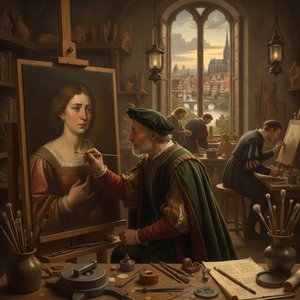
The Northern Awakening: Artistic Innovation & Cultural Transformation in the German Renaissance
Explore the artistic innovation of the German Renaissance! Discover Dürer, the Danube School & Reformation art. Learn about techniques, materials & lasting influence. Find museum-quality reproductions at OriginalUniqueArt.

Celestial Messengers: Angels in Painting – A Historical & Artistic Exploration
Explore the captivating history of angels in painting! Discover symbolism, iconic Renaissance & Byzantine masterpieces, and renowned artists. Expert insights for art lovers & collectors at OriginalUniqueArt.