

 Previzualizare
 Trimite prin felicitare
 Distribuie
 Detalii despre lucrare
 Ghid
Ghid

 Descarcă imaginea
 Produse similare
 Radiografie
 Galerie foto
 Statistici
The Lacemaker


 Vezi mai mult
Giclée / Imprimare artistică
Printuri giclée sau pe canvas de calitate muzeală, cu proces de producție rapid și opțiuni flexibile de finisare. ( Comandă pictură realizată manual Comută pe Imagine Digitală)




P118B lei10

P118H lei10

P118W lei10

P438Z lei10

P508JH lei12

P508YH lei12

P805H lei10

P805Z lei10

P919BZ lei10

P919G lei10

P919XJ lei10

P959ZH lei10

P968JZ lei12

W106C lei8

W218G lei10

W218JH lei8

W218Y lei10

W307PJ lei10

W316G lei10

W316PJ lei8

W316Y lei10

W398PJ lei8

W4111J lei10

W500HY lei15

W500JH lei15

W692G lei12

W849H lei8

W940BG lei15

W953PJ lei8




Alegeți dintre dimensiunile noastre prestabilite, care respectă proporțiile originale ale operei de artă.

Introduceți lățimea și înălțimea necesare pentru a se potrivi ramei sau peretelui dumneavoastră. O printare poate fi doar tăiată, niciodată extinsă dincolo de dimensiunea imaginii originale, astfel încât o dimensiune cu o formă diferită va pierde o parte din imagine. Vă trimitem o simulare digitală pentru aprobare înainte de a imprima orice. Imaginea afișată pe această pagină nu prezintă tăierea reală — doar simularea arată acest lucru.
Livrare în întreaga lume () în 2 săptămâni, în loc de cele 4/5 săptămâni standard. (25 Octombrie)

Livrare expres gratuită la nivel mondial

Pânză de in de înaltă calitate

Asigurare completă pentru transport

Garanție de rambursare a taxelor vamale

Garanția fidelității culorilor

Politica de retur în 100 de zile (doar pentru defecte de fabricație)

Garanție de rambursare 100%

Ofertă pentru comenzi multiple
 Opțiunea cu sticlă este disponibilă doar pentru dimensiuni de sub 110 cm

The Lacemaker
Giclée / Imprimare artistică
Dimensiune reproducere
-


Preț total calculat
lei 370
A Symphony of Silence and Skill
In the quiet corners of the Dutch Golden Age, there exists a profound beauty found not in grand spectacles, but in the rhythmic, meditative pulse of everyday life. The Lacemaker serves as a breathtaking window into this era of domestic tranquility. The painting captures a young woman lost in the delicate, painstaking labor of her craft, her focus so absolute that the world around her seems to dissolve into a soft, atmospheric haze. As she sits before her work, the viewer is invited to share in her solitude, experiencing a moment of stillness that feels both timeless and deeply intimate. This is not merely a portrait of a worker; it is an invitation to appreciate the dignity found in concentration and the quiet grace of a life lived with purpose.
The composition is a masterclass in the fijnschilder style, a technique synonymous with the legendary Dutch masters of Leiden. Every inch of the canvas vibrates with meticulous detail, from the intricate patterns of the lace to the heavy, tactile presence of the crimson and black patterned cloth draped across the table. The artist employs a sophisticated use of light—a soft, diffused glow that seems to emanebate from an unseen window, casting gentle shadows that lend a remarkable three-dimensionality to the scene. This subtle manipulation of luminosity creates a sense of depth, pulling the viewer into the room and making the textures of fabric, porcelain, and skin feel almost touchable. For the discerning collector or interior designer, this level of technical brilliance offers a piece that commands attention through its subtlety rather than through loud, jarring colors.
Symbolism and the Art of Observation
Beyond its surface beauty, The Lacemaker is rich with the symbolic language of the 17th century. The act of lacemaking itself was often viewed as a metaphor for virtue, patience, and the careful weaving of one's destiny. The woman’s composed posture and downward gaze reflect a sense of moral fortitude and intellectual engagement, suggesting that even the most humble domestic tasks can be elevated to an art form. The presence of the mirror on the table adds a layer of introspective depth, reflecting her image back to us and creating a psychological loop that emphasizes themes of self-reflection and the duality of public duty versus private thought.
The color palette is intentionally balanced to evoke a sense of calm yet sophisticated elegance. The vibrant red of the tablecloth provides a striking counterpoint to the muted, pearlescent tones of the woman’s attire, ensuring that the eye is drawn naturally toward her hands—the very site of her creative struggle and triumph. This careful orchestration of color and light makes the painting an ideal centerpiece for a curated space, offering a sense of historical weight and refined taste. Whether placed in a sunlit study or a more formal gallery setting, a high-quality reproduction of this masterpiece brings with it an aura of serenity and a profound connection to the enduring legacy of Dutch excellence.
Întrebări și răspunsuri
Cât de cunoscută este opera „The Lacemaker” de Frans van Mieris?
"The Lacemaker" de Frans van Mieris are un nivel de popularitate Iconic. Această clasificare reflectă cât de larg este recunoscută lucrarea.
Ce atmosferă conferă "The Lacemaker" de Frans van Mieris unui interior?
"The Lacemaker" de Frans van Mieris emană o atmosferă Serene și este recomandată pentru o Living Room. Întreaga dispoziție este ceea ce lucrarea aduce în spațiul din jurul său.
Ce dimensiune de reproducere se recomandă pentru "The Lacemaker" de Frans van Mieris?
Pentru "The Lacemaker", se recomandă o dimensiune de imprimare de Medium. Sunt disponibile și alte dimensiuni, păstrând aceleași proporții.
Biografie artist
O via imersă în detalii: Lumea lui Frans van Mieris cel Bătrân
Frans van Mieris cel Bătrân, un nume sinonim cu detaliul meticulos și o măiestrie rafinată, ocupă o poziție de o importanță remarcabilă în cadrul Secolului de Aur olandez. Născut în Leiden în 1635, calea sa a divergent de tradiția de familie a aurarului — o meserie practicată de tatăl său, Jan Bastiaensz van Mieris — către lumea captivantă a picturii. Această înclinație timpurie pentru desen a pregătit terenul pentru o carieră ce avea să definească stilul „fijnschilder” și să ofere o privire intimă asupra societății olandeze din secolul al XVII-lea. Formarea sa inițială sub îndrumarea lui Abraham Toorenvliet, urmată de instruirea crucială oferită de estimatul Gerrit Dou, a pus o fundație solidă pe care și-a construit vocea artistică distinctivă. Acești ani formativi i-au insuflat nu doar o abilitate tehnică de excepție, ci și o profunză apreciere pentru nuanțele narative și puterea observației subtile.Ascensiunea unui „Fijnschilder”
Van Mieris a devenit rapid celebrat ca un maestru al stilului fijnschilder — un termen olandez care desemnează „pictura fină”. Această tehnică era caracterizată printr-o atenție aproape obsesivă la detalii, prin pământuiri fine și lustruite ale pensulei și printr-o preferință pentru pânze de mici dimensiuni. Nu era vorba doar despre replicarea realității, ci despre elevarea acesteia printr-o precizie meticuloasă. Suprafețele din picturile sale par să strălucească de viață – luciozitatea satinului, textura delicată a catifelei, sclipirea metalului — toate fiind randate cu o acuratețe uimitoare. El nu picta pur și simplu o încăpere; el recrea însăși atmosfera din interiorul ei, invitând privitorii în scene de domesticitate și afluență. Subiectele sale se învârteau adesea în jurul vieții celor bogați: adunări elegante, interioare elaborate, portrete care surprindeau nu doar asemănarea fizică, ci și caracterul subiectului. Motive recurente, precum prânzurile cu stridii, medicii care consultă pacienții și femeile ocupate în activități cotidiene, ofere ferestre către obiceiurile și ritualurile sociale ale claselor superioare. Deși inițial a fost puternic influențat de stilul lui Gerrit Dou, Van Mieris și-a dezvoltat treptat propria abordare unică. El s-a îndepărtat de abundența excesivă de detalii către o mai mare accentuare a interacțiunii dintre figuri și a narațiunilor ce se desfășoară în compozițiile sale. Lucrările sale ulterioare prezintă uneori calități tonale mai întunecate comparativ cu paletele mai luminoase ale picturilor timpurii, reflectând o maturitate crescută și o explorare artistică profundă.Opere Semnative și Moștenire Eternă
Mai multe opere cheie stau ca mărturii ale îndemânării și stilului evolutiv al lui Van Mieris. Doctor's Visit (Vizita doctorului, 1657), considerată una dintre cele mai timpurii și importante piese datate ale sale, demonstrează independența sa emergentă față de influența lui Dou. Tabloul este o lecție magistrală în capturarea tensiuni tăcute a unui examen medical, randat cu un nivel uimitor de realism. Self-Portrait with a Cittern (Autoportret cu o citternă) este la fel de convingător, demonstrând capacitatea sa de a picta ținute opulente, transmițând în același timp un sentiment de personalitate și introspecție. Portrait of the Artist's Wife, Cunera van der Cock (Portretul soției artistului, Cunera van der Cock) exemplifică măiestria sa în portretură, evidențiind atât abilitatea tehnică, cât și înțelegerea chiaroscuro — jocul dramatic al luminii și umbrei. Dincolo de scenele de gen și portrete, Van Mieris a explorat și pictura alegorică, precum cele care depind viciile precum băutura, fumatul și jocul de noroc, demonstrând amploarea capacităților sale artistice. Impactul lui Frans van Mieris s-a extins mult dincolo de propria sa existență. Influența sa a răsunat în cadrul familiei sale; fiul său Willem van Mieris (1662–1747) și nepotul său Frans van Mieris cel Tânăr (1689–1763) au devenit ambii pictori de gen realizați, continuând tradiția artistică. Popularitatea stilului său a dat naștere și numeroșilor imitatori, cel mai notabil fiind A. D. Snaphaan, care a activat în Leipzig și a beneficiat de patronajul curții din Anhalt-Dessau.O Contribuție Durabilă la Arta Olandeză
Frans van Mieris a jucat un rol esențial în modelarea mișcării fijnschilder în cadrul picturii Secolului de Aur olandez. Devotamentul său pentru detaliul meticulos, reprezentările realiste ale vieții de zi cu zi și ale societății înalte, precum și strălucirea tehnică, au contribuit semnificativ la o eră deja renumită pentru inovația sa artistică. A beneficiat de patronajul unor figuri proeminente, inclusiv Arhiducul Leopold și Cosimo III de' Medici, o dovadă a recunoașterii internaționale a talentului său. Chiar și astăzi, operele sale continuă să captiveze publicul prin măiestria lor excepțională și prin portretizarea perspicace a culturii secolului al XVII-lea. Furtul unui autoportret din Art Gallery of New South Wales din Sydney servește ca un memento emoționant al valorii și atractivității durabile a artei sale — o moștenire care continuă să inspire și să intrigue colecționarii și iubitorii de artă deopotrivă. Picturile sale nu sunt doar artefacte istorice; ele sunt ferestre către o epocă apusă, create cu o grijă minuțioasă și îmbibate de o frumusețe atemporală.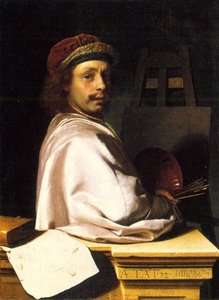
Frans van Mieris
1635 - 1681 , Olanda
Detalii rapide
- Artistic Movement Or Style: Fijnschilder
- Artists Or Movements Influenced By This Artist: ['Dutch Golden Age']
- Artists Who Influenced This Artist: ['Gerrit Dou']
- Date Of Birth: Leiden, 1635
- Date Of Death: Leiden, 1681
- Full Name: Frans Jansz. van Mieris
- Nationality: Nederlands
- Notable Artworks:
- Doctor's Visit
- Self-Portrait with a Cittern
- Place Of Birth: Leiden, Niederlande
Articole similare

Johannes Vermeer: Light, Intimacy & the Dutch Golden Age – A Comprehensive Exploration
Explore the life, techniques & enduring legacy of Johannes Vermeer, a master of Dutch Golden Age painting. Discover symbolism in his iconic works like 'The Milkmaid' and learn about his revolutionary use of light.

Golden Age Reflections: Dutch Baroque Painting & Cultural Innovation
Explore the Dutch Golden Age of painting! Discover key artists like Vermeer & ter Borch, their innovative techniques, and the rich cultural context behind these Baroque masterpieces. Learn about collecting & appreciating this iconic art period.

Illuminating Innovation: Exploring the Dutch Golden Age of Painting
Explore the Dutch Golden Age of painting with OriginalUniqueArt. Discover Rembrandt, Vermeer & other Masters. Learn about key characteristics, iconic artworks, and lasting influence. Expert insights for collectors & enthusiasts.

Golden Light & Dutch Skies: The Timeless Magic of Dutch Golden Age Landscapes
Discover the breathtaking beauty of Dutch Golden Age landscapes. Explore the mastery of light, chiaroscuro, and 17th-century realism through an expert art history lens, celebrating the enduring legacy of the Dutch Masters for discerning collectors and art lovers.

Epoca de Aur Olandeză: 10 Capodopere Care Au Definit Arta și Decorațiunea Interioară
Descoperiți Epoca de Aur Olandeză prin 10 capodopere Rembrandt, Vermeer și alți pictori olandezi. Aflați poveștile din spatele acestor tablouri baroce iconice și inspirați-vă pentru decorațiuni interioare unice. Explorează colecția completă pe OriginalUniqueArt.com!

