The Rise of a Republic: Historical Context & Artistic Flourishing
Dutch Golden Age painting is the painting of the Dutch Golden Age, a period in Dutch history roughly spanning the 17th century, during and after the later part of the Eighty Years' War (1568–1648) for Dutch independence. The new Dutch Republic was th...
The 17th century Netherlands, a nation forged from rebellion and trade, witnessed an unprecedented blossoming of artistic creativity – the Dutch Golden Age. Unlike many European powers where art served primarily as a tool for royal propaganda or religious instruction, painting in the newly independent Dutch Republic flourished thanks to a burgeoning middle class eager to adorn their homes with depictions of everyday life, portraits celebrating personal achievement, and landscapes reflecting their hard-won prosperity. The Eighty Years’ War against Spain had not only secured independence but also dramatically shifted the cultural landscape. Traditional patronage structures were disrupted, creating space for a new market driven by individual collectors rather than aristocratic commissions. This unique socio-political environment fostered an extraordinary period of innovation, realism, and genre diversity that would come to define Dutch art for centuries.
The economic engine driving this artistic explosion was the Dutch East India Company and other powerful trading ventures. Wealth flowed into the Republic, creating a demand for paintings not merely as status symbols but as reflections of personal values – diligence, domesticity, and civic pride. This shift in patronage meant artists were less beholden to rigid stylistic constraints and more free to experiment with subject matter and technique. The northern provinces, historically overshadowed by their southern counterparts in Flanders, seized this opportunity, establishing centers like Amsterdam, Haarlem, and Delft as vibrant hubs of artistic production.
Breaking with Tradition: Defining Characteristics of Dutch Golden Age Painting
 Wikipedia: Baroque
The Baroque (UK: bə-ROK, US: bə-ROHK, French: [baʁɔk]) is a Western style of architecture, music, dance, painting, sculpture, poetry, and other arts that flourished from the early 17th century until the 1750s. It followed Renaissance art and Manner...
The art of the Dutch Golden Age stands apart for its remarkable realism. Artists weren’t striving to idealize their subjects; instead, they meticulously captured the world around them – the textures of fabrics, the play of light on water, the subtle expressions on faces. This commitment to verisimilitude wasn't simply about technical skill; it reflected a broader cultural emphasis on observation and empirical knowledge. The Protestant Reformation had instilled a sense of direct engagement with the world, and this translated into art that sought to represent reality as faithfully as possible.
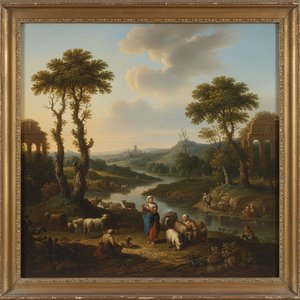
Beyond realism, several key characteristics define the period. Genre painting – depictions of everyday life – became immensely popular, offering glimpses into domestic interiors, bustling marketplaces, and scenes of merriment. Still lifes, often laden with symbolic meaning, explored themes of mortality, abundance, and the transience of earthly pleasures. Landscape painting flourished, capturing the unique beauty of the Dutch countryside with its flat plains, winding waterways, and dramatic skies. Chiaroscuro, the dramatic use of light and shadow, became a defining feature, employed masterfully by artists like Rembrandt to create depth, mood, and psychological intensity.
Masters of Light & Shadow: Key Artists and Their Signature Styles
 Wikipedia: Rembrandt
Rembrandt Harmenszoon van Rijn (; Dutch: [ˈrɛmbrɑnt ˈɦɑrmə(n)ˌsoːɱ vɑn ˈrɛin] ; 15 July 1606 – 4 October 1669), mononymously known as Rembrandt, was a Dutch Golden Age painter, printmaker, and draughtsman. He is generally considered one of the greate...
Rembrandt Harmenszoon van Rijn, arguably the most celebrated artist of the Dutch Golden Age, revolutionized portraiture and biblical scenes with his profound understanding of human psychology. His use of light wasn’t merely a technical device; it was a means of revealing inner character and emotional depth. His self-portraits, numbering over 300 throughout his career, offer an unparalleled glimpse into the artist's evolving psyche and mastery of technique. The “Man with the Golden Helmet” exemplifies his dramatic Baroque style, showcasing a masterful interplay of light and shadow that draws the viewer into the subject’s contemplative gaze.
Johannes Vermeer, though less prolific than Rembrandt, is renowned for his serene domestic interiors and exquisite attention to detail. Paintings like “The Milkmaid” capture moments of quiet intimacy with an almost photographic realism. His use of light is subtle yet transformative, creating a sense of atmosphere and tranquility. Frans Hals, known for his lively portraits and dynamic brushwork, captured the energy and personality of his subjects with remarkable immediacy. Carel Fabritius, a student of Rembrandt, demonstrated an innovative approach to light and perspective in his genre scenes, tragically cut short by an untimely death.
Genre Scenes & Still Lifes: Reflecting Daily Life in the 17th Century
The popularity of genre painting during the Dutch Golden Age offers a fascinating window into the daily lives of ordinary people. Artists like Gabriel Metsu depicted scenes of courtship, domestic interiors, and social gatherings with meticulous detail and subtle humor. These paintings weren’t simply about documenting reality; they often conveyed moral lessons or satirical observations about contemporary society. Breakfast tables laden with delicacies, bustling marketplaces filled with merchants and shoppers, and intimate family portraits all spoke to the values and aspirations of the Dutch middle class.
Still lifes, too, were more than just decorative arrangements. They often served as *vanitas* paintings – symbolic reminders of mortality and the transience of earthly pleasures. Objects like wilting flowers, decaying fruit, and extinguished candles conveyed a sense of impermanence, urging viewers to contemplate the fleeting nature of life. Floral still lifes, rendered with scientific accuracy, showcased the beauty and fragility of nature.
Beyond Portraits: Landscapes, Seascapes, and the Expansion of Subject Matter
While portraits and genre scenes dominated much of Dutch Golden Age painting, landscapes and seascapes also flourished. Artists like Jan van Goyen captured the unique character of the Dutch countryside with its flat plains, winding waterways, and dramatic skies. These weren’t idealized depictions; they were realistic representations of the land that shaped Dutch identity. Seascapes, often depicting ships battling stormy waves or tranquil harbors, reflected the Netherlands' maritime power and trading prowess.
The expansion of subject matter during this period reflects a broader cultural shift towards secular themes and individual expression. Artists weren’t limited by religious constraints; they were free to explore a wide range of topics that resonated with their patrons and captured the spirit of the age. This freedom fostered an extraordinary diversity of artistic production, ensuring that Dutch Golden Age painting would remain a source of fascination and inspiration for generations to come.
The legacy of the Dutch Masters continues to resonate today. Their commitment to realism, their masterful use of light and shadow, and their ability to capture the essence of human experience have cemented their place in art history. At OriginalUniqueArt.com, we are proud to offer high-quality reproductions of these iconic artworks, allowing you to bring the beauty and brilliance of the Dutch Golden Age into your own home.