

 Trimite
 Distribuie
 Detalii
 Ghidul

 Descarcă
 Produse similare
 Diaporama
 Statistici
Rondanini Faun


 Citește mai mult
Reproducere pictată manual în ulei
Pictură în ulei pe pânză, realizată manual de artiștii noștri la dimensiunea și ramele dorite de dumneavoastră, pe comandă. ( Comută pe versiunea Print Treci la imagine digitală)




































Alegeți dintre dimensiunile noastre prestabilite, care respectă proporțiile originale ale operei de artă.

Puteți introduce propriile dimensiuni pentru a se potrivi unui anumit cadru sau spațiu. Dacă dimensiunea selectată nu corespunde proporțiilor imaginii originale, vom decupa opera de artă sau vom extinde pictura cu elemente suplimentare pictate manual. O simulare digitală vă va fi trimisă pentru aprobare înainte de începerea producției.
Vă rugăm să rețineți că previzualizarea de pe ecran nu reflectă decuparea sau extinderea reală. Doar macheta va arăta cu exactitate compoziția finală.
Deși sunt disponibile dimensiuni personalizate, vă recomandăm să selectați o dimensiune din lista predefinită pentru a păstra proporțiile originale.
După plasarea comenzii, echipa OriginalUniqueArt.com va contacta clientul prin e-mail pentru instrucțiuni și îi va furniza o previzualizare a machetei
Livrare în întreaga lume () în 3-4 săptămâni, în loc de cele 5 săptămâni standard. (26 Septembrie). Fără compromisuri în ceea ce privește calitatea.

Livrare expres gratuită la nivel mondial

Pânză de in premium

Asigurare completă pentru transport

Garanție de rambursare a taxelor vamale

Garanția fidelității culorilor

Politica de retur în 100 de zile (doar pentru defecte)

Garanție de rambursare 100%

Reducere pentru comenzi multiple
 Opțiunea cu sticlă este disponibilă doar pentru dimensiuni de sub 110 cm

Rondanini Faun
Tip de reproducere
Dimensiune reproducere
-


Preț total
$ 300
Introduction
The Rondanini Faun is a marble sculpture by Flemish artist François Duquesnoy, located in the British Museum in London. Completed between 1625 and 1630, this masterpiece of Baroque restoration showcases Duquesnoy's skill in completing antique statues with a contemporary style.Background
The Rondanini Faun was built on an ancient torso, which Duquesnoy completed with new limbs and a head. The statue takes its name from the Palazzo Rondanini in Rome, where it was once kept. In 17th-century restoration of antique statues, the latter were often imbued with Baroque style by the contemporary sculptor who completed the opus. Albeit not excessively so, the Rondanini is no exception, its broad movement being proof thereof.Description
The Rondanini Faun depicts a faun in mid-action, up on the toes of his right foot with his left foot lifted, both arms extended and head raised, as if he had just leapt and struck the cymbals he is holding. Duquesnoy's completion of antiques was acclaimed in Rome as 'absolutely perfect,' and the broad movement of the faun is a sign of the Baroque influence in his day.Significance
The Rondanini Faun is an important example of Baroque restoration, showcasing Duquesnoy's skill in completing antique statues with a contemporary style. The statue's broad movement and dynamic pose make it a standout piece in the British Museum's collection.Conclusion
The Rondanini Faun by François Duquesnoy is a masterpiece of Baroque restoration, showcasing the artist's skill in completing antique statues with a contemporary style. Located in the British Museum, this sculpture is an important example of the Baroque era and a must-see for art enthusiasts.Visit Us
Interested in seeing the Rondanini Faun and other masterpieces up close? Visit our website OriginalUniqueArt.com to learn more about our hand-made oil painting reproductions, created by our team of expert artists.References
Biografie artist
François Duquesnoy: A Flemish Sculptor in Rome
- Born: Nettuno, Italy (1597)
- Died: 1643
Early Life and Training
- François duquesnoy, also known as Frans Duquesnoy, was born in Brussels. His father, Jérôme duquesnoy the elder, served as the court sculptor to Archduchess Isabella and Archduke Albert.
- Duquesnoy received his early training in Brussels, demonstrating talent that attracted the attention of the archduke.
- The archduke provided financial support for Duquesnoy to study in Rome, where he would spend the majority of his career.
- Upon arriving in Rome around 1618, Duquesnoy meticulously studied antique sculpture, famously climbing over the equestrian Marcus Aurelius to understand its construction.
Artistic Style and Influences
- Duquesnoy's style is characterized by a classicized approach, often contrasted with the more emotional and theatrical works of Gian Lorenzo Bernini.
- He showed greater affinity for Alessandro Algardi’s sculptures.
- Contemporary critics, like Giovanni Bellori, praised Duquesnoy's ability to restore contemporary sculpture to the quality of ancient Roman sculpture.
- Nicolas Poussin, a fellow expatriate artist, shared Duquesnoy's classicized and emotionally detached style, and they lived together in Rome for a time.
- Duquesnoy collaborated with Bernini on several projects, including designs for angels offering garlands at St. Peter’s Basilica.
Major Works and Achievements
- Santa Susanna (1629): Considered one of Duquesnoy's masterpieces, this sculpture depicts the saint with a balance of modesty and revealing draperies, earning high praise from Bellori. A marble copy resides in the Louvre.
- St. Andrew (1629-33): This larger-than-life statue adorns St. Peter’s Basilica, showcasing Duquesnoy's restrained style compared to Bernini and Francesco Mochi's contributions.
- Rondanini Faun: An early work demonstrating his skill in expanding upon antique torsos, though later criticized by neoclassicists. Now located at the British Museum.
- Apollo and Cupid: A notable sculpture showcasing mythological themes.
- Mercury: Another significant work displaying Duquesnoy's talent for depicting classical figures.
Historical Significance
- Duquesnoy played a crucial role in the Roman Baroque art scene, offering an alternative to Bernini’s dramatic style with his more restrained and classicized approach.
- Cardinal Richelieu offered him the position of royal sculptor in France, aiming to establish a royal academy of sculpture in Paris, though Duquesnoy died before he could take up the post.
- His work influenced subsequent generations of sculptors and contributed to the development of Neoclassical art.
- Bellori's high praise solidified his reputation as a restorer of classical ideals in sculpture.

François Duquesnoy
1597 - 1643 , Italy
Informații rapide
- Artistic Movement Or Style: Baroque sculpture
- Artists Who Influenced This Artist: ['Nicolas Poussin']
- Date Of Birth: 1597
- Date Of Death: 1643
- Full Name: François Duquesnoy
- Nationality: Flemish
- Notable Artworks:
- Rondanini Faun
- St Susanna
- St Andrew
- Victory of Sacred Love
- Bacchanalia of Putti
- Place Of Birth: Nettuno, Italy
Articole conexe

The Enduring Form: Sculpture Across History, Technique & Emotional Resonance
Explore the rich history of sculpture with OriginalUniqueArt. Discover key techniques, influential artists & investment potential for discerning collectors. Expert insights into valuing and collecting timeless masterpieces.

The Enduring Form: Exploring Themes & Techniques in Sculpture Across Historical Periods
Explore the rich history of sculpture from ancient masterpieces to contemporary innovations. Discover key techniques, influential artists & investment potential for discerning art collectors.

Top 10 Capodopere din Bronz care au Revoluționat Arta – Inspirație pentru Decor
Descoperă Top 10 sculpturi din bronz care au schimbat istoria artei! Explorează operele lui Rodin, Michelangelo și alți maeștri, tehnicile lor unice și inspirația pentru decorul casei tale. Replici de calitate muzeală pe OriginalUniqueArt.com.

The Enduring Allure of Marble in Art History: From Classical Sculpture to Modern Abstraction
Explore the captivating history of marble sculpture from ancient Greece to modern art. Discover renowned artists like Canova & Michelangelo, carving techniques, and investment insights at OriginalUniqueArt.
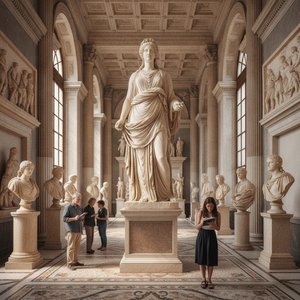
Timeless Grandeur: Exploring the Eternal Beauty and Art-Historical Legacy of Marble Sculpture
Explore the profound legacy of marble sculpture, from Classical antiquity to Neoclassical mastery. A definitive guide for elite collectors and designers seeking to integrate the luminous, eternal beauty of stone into sophisticated, high-end architectural spaces.