

 Previzualizare
 Trimite
 Distribuie
 Detalii despre lucrare

 Descarcă
 Produse similare
 Radiografie
 Diapozitive automate
 Stats
StatsPurtaurul


 Vezi mai mult
Giclée / Imprimare artistică
Printuri giclée sau pe canvas de calitate muzeală, cu proces de producție rapid și opțiuni flexibile de finisare. ( Comandă pictură lucrată manual Switch to Digital Image)




P118B $10

P118H $10

P118W $10

P438Z $10

P508JH $12

P508YH $12

P805H $10

P805Z $10

P919BZ $10

P919G $10

P919XJ $10

P959ZH $10

P968JZ $12

W106C $8

W218G $10

W218JH $8

W218Y $10

W307PJ $10

W316G $10

W316PJ $8

W316Y $10

W398PJ $8

W4111J $10

W500HY $15

W500JH $15

W692G $12

W849H $8

W940BG $15

W953PJ $8




Alegeți dintre dimensiunile noastre prestabilite, care respectă proporțiile originale ale operei de artă.

Puteți introduce propriile dimensiuni pentru a se potrivi unui anumit cadru sau spațiu. Dacă dimensiunea selectată nu corespunde proporțiilor imaginii originale, vom decupa lucrarea de artă sau vom extinde imaginea cu margini oglindite sau cu o culoare uniformă. Un mockup digital va fi trimis pentru aprobarea dumneavoastră înainte de începerea producției.
Vă rugăm să rețineți că previzualizarea de pe ecran nu reflectă decuparea sau extinderea reală. Doar mockup-ul va arăta cu exactitate compoziția finală.
Deși dimensiunile personalizate sunt disponibile, vă recomandăm să selectați o dimensiune din lista predefinită pentru a păstra proporțiile originale.
Livrare în întreaga lume () în 2 săptămâni, în loc de cele 4/5 săptămâni standard. (8 Septembrie)

Livrare expres gratuită la nivel mondial

Pânză de in de înaltă calitate

Asigurare completă pentru transport

Garanție de rambursare a taxelor vamale

Garanția fidelității culorilor

Politica de retur de 100 de zile (doar pentru defecte)

Garanție de rambursare 100%

Ofertă pentru comenzi multiple
 Opțiunea cu sticlă este disponibilă doar pentru dimensiuni de sub 110 cm

Purtaurul
Giclée / Imprimare artistică
Dimensiune reproducere
-


Preț total calculat
$ 80
Constantin Meunier și „Porteur” – O Simfonie de Ruginită și Dignitate
„Porteur”, sculptură realizată în anul 1887 de Constantin Meunier, este mai mult decât o reprezentare simplă a unui muncitor portant un sac greu; este o mărturie viscerală a unei epoci marcate de schimbări industriale profunde și de empatie umană autentică. Opera artistului belgian nu doar surprinde fizicul porteurului său, ci și transmite emoții puternice despre condiția umană în mijlocul progresului tehnologic și al dificultăților sociale ale sfârșitului secolului XIX. Sculptura este executată în bronz, un material ales cu grijă pentru culoare – o nuanță bogată de brun care evocă culoarea ruginii caracteristică uzurii industriale și a muncilor grele. Forma umană este simplificată, dar expresivă, capturând puterea și rezistența unui bărbat obișnuit, confruntându-se cu provocările unei lumi în schimbare. Pozitia lui Meunier nu este doar una tehnic corectă; ea transmite o stare de determinare și perseverență, simboluri puternice ale spiritului muncitoresc din acea vreme. În fundal sunt două figuri mai mici, care contribuie la atmosfera generală a lucrării și sugerează existența unei comunități mai largi în cadrul unui peisaj urban aflat în plină dezvoltare. Detalii tehnice relevă măiestria sculptorului: Meunier folosește o tehnică tradițională de modelaj în bronz, aplicând căldură controlată pentru a topi aliajul și a obține forma dorită. Această metodă permite realizarea unei suprafețe netede și expresive, care să transmită emoțiile artistului cu acuratețe impresionantă. În plus, alegerea unui astfel de material simbolizează stabilitatea și rezistența în fața timpului – valori importante pentru Meunier și pentru întregul său univers artistic. „Porteur” este mai mult decât o sculptură; este un apel la reflecție asupra condiției umane și asupra rolului muncitorilor în societate. Constantin Meunier reușește să transforme un subiect aparent banal într-o operă de artă profund emoțională și intelectuală, oferind nouă o perspectivă asupra unei perioade istorice importante și exprimând adevărul despre puterea spiritului uman în mijlocul schimbărilor sociale și tehnologice. Sculptura este accesibilă pentru colecționari și interior designeri datorită faptului că poate fi reprodusă cu ajutorul tehnologiei moderne, păstrându-și astfel autenticitatea artistică și emoțională pentru generațiile viitoare.Biografie artist
A Life Forged in Industry: The World of Constantin Meunier
Constantin Meunier, born in the Brussels suburb of Etterbeek in 1831, was an artist profoundly shaped by the burgeoning industrial revolution and its impact on the human spirit. His life story is one interwoven with hardship and a deep-seated empathy for the working class—a narrative that would become the defining characteristic of his artistic output. The shadow of personal tragedy fell early; his father’s suicide cast a long pall over his childhood, instilling in him perhaps a heightened sensitivity to suffering and vulnerability. This formative experience, coupled with growing up amidst the factories and laborers of Brussels, fueled a lifelong commitment to portraying the dignity and struggle inherent in manual labor. Initially drawn to sculpture, studying at the Academy of Fine Arts in Brussels under Louis Jehotte and Charles-Auguste Fraikin, Meunier’s artistic path took an unexpected turn after encountering Gustave Courbet's groundbreaking realism. The raw honesty of “The Stone Breakers” resonated deeply, leading him to believe that painting offered a more potent medium for addressing the pressing social issues of his time. For nearly three decades, from 1857 to 1884, he dedicated himself primarily to this art form, meticulously documenting the lives unfolding around him.From Social Realism to Monumental Visions
Meunier’s early paintings reveal a keen observational eye and an emerging concern for everyday life. Works like “The Salle St Roch” (1857) and “A Trappist Funeral” (1860) demonstrate his ability to capture the atmosphere of ordinary moments, but it was his immersion into the world of industry that truly ignited his artistic vision. He became a chronicler of the working class—the miners descending into the earth’s depths, the dockworkers straining under heavy loads, the steelworkers battling the fiery furnace. Paintings such as “Melting Steel at the Factory at Seraing” (1882) and “Returning from the Pit” (1884) are not merely depictions of labor; they are powerful statements about human endurance, resilience, and the often-brutal realities of industrial life. These works weren’t simply representations of physical exertion; they conveyed a profound sense of dignity amidst hardship, capturing the stoicism and quiet strength of those who toiled in these demanding environments. He sought to portray not just the mechanics of labor but also the human cost—the weariness, the risk, and the sacrifices made by working men and women.The Influence of Courbet and the Rise of Social Realism
Constantin Meunier’s artistic trajectory was significantly influenced by Gustave Courbet's revolutionary approach to painting. Courbet’s commitment to depicting contemporary life with unflinching realism—particularly his iconic “The Stone Breakers”—provided a crucial catalyst for Meunier’s own artistic development. Meunier, like Courbet, rejected the idealized and romanticized depictions of subjects prevalent in academic art, instead choosing to focus on the lives of ordinary people, particularly those marginalized by society. This shift marked a departure from traditional artistic conventions and paved the way for what would become known as social realism—an artistic movement dedicated to portraying the realities of working-class life with honesty and empathy. Meunier’s early works demonstrate this influence clearly, capturing the gritty details of industrial settings and the faces of laborers with remarkable precision and sensitivity.A Period in Spain: Religious Themes Amidst Industrial Realism
Around 1882, under the sponsorship of the Belgian government, Meunier embarked on a journey to Spain. This trip proved to be a temporary respite from his primary focus on industrial subjects, as he was commissioned to produce paintings primarily on religious themes. During this period, he created works such as “The Café Concert,” “Procession on Good Friday,” and “The Tobacco Factory at Seville.” While these paintings showcased Meunier’s versatility and technical skill, they also marked a departure from his earlier commitment to social realism. However, even within these religious scenes, Meunier's characteristic empathy for the human condition shone through—he depicted the figures with a profound understanding of their emotions and struggles. Upon returning to Belgium, he felt an irresistible pull back to sculpture, recognizing its unique capacity to convey the physicality and monumental presence of labor.The Monument to Labour: A Lasting Legacy
Perhaps Meunier’s most ambitious undertaking was the “Monument to Labour,” a sprawling, multi-faceted work acquired by the Belgian state. This monumental project wasn't simply a sculpture; it was an entire artistic ecosystem designed to celebrate the contributions of the working class. It comprised four stone bas-reliefs representing industry, mining, harvest, and the harbor—each panel teeming with figures engaged in their respective trades. Complementing these were four bronze statues: the sower, the smith, the miner, and the ancestor—archetypal representations of labor through the ages. At the heart of it all stood a poignant bronze group titled “Maternity,” acknowledging the vital role of women and family within this world. The "Monument to Labour" wasn’t just about depicting work; it was about elevating it, imbuing it with a sense of nobility and recognizing its fundamental importance to society. This monumental work stands as a testament to Meunier's belief in the dignity of labor and his commitment to portraying the lives of working people with respect and compassion.Constantin Meunier’s Enduring Significance
Constantin Meunier’s artistic legacy endures through his powerful paintings and sculptures, which continue to resonate with audiences worldwide. The Museum Constantin Meunier, established in 1939 within the walls of his last home and studio in Ixelles, Brussels, serves as a fitting tribute to his life and work, housing approximately 150 of his creations. His art remains relevant not only for its historical significance but also for its timeless message about the dignity of labor and the importance of social consciousness. Meunier’s ability to capture the human spirit amidst the relentless march of industrial progress ensures his place as a pivotal figure in Belgian and European art history—an artist who dared to look beyond the surface and reveal the profound beauty and inherent worth within the lives of ordinary people.
Constantin Meunier
1831 - 1905 , Belgia
Detalii rapide
- Artistic Movement Or Style: Realism social
- Artists Or Movements Influenced By This Artist: ['Social Realism']
- Artists Who Influenced This Artist: ['Courbet']
- Date Of Birth: 1831
- Date Of Death: 1905
- Full Name: Constantin Meunier
- Nationality: Belgian
- Notable Artworks:
- Salle St Roch
- Mineri
- Puddler
- Place Of Birth: Etterbeek, Belgia
Articole similare

Top 10 Capodopere din Bronz care au Revoluționat Arta – Inspirație pentru Decor
Descoperă Top 10 sculpturi din bronz care au schimbat istoria artei! Explorează operele lui Rodin, Michelangelo și alți maeștri, tehnicile lor unice și inspirația pentru decorul casei tale. Replici de calitate muzeală pe OriginalUniqueArt.com.

The Enduring Form: Exploring Themes & Techniques in Sculpture Across Historical Periods
Explore the rich history of sculpture from ancient masterpieces to contemporary innovations. Discover key techniques, influential artists & investment potential for discerning art collectors.

Top 10 Capodopere din Bronz care au Revoluționat Arta | OriginalUniqueArt.ro
Descoperiți Top 10 capodopere din bronz care au revoluționat arta! Rodin, Michelangelo și alții. Aflați istoria sculpturilor clasice și inspirație pentru decorul casei dvs. Reproduceri de artă de calitate muzeală pe OriginalUniqueArt.com
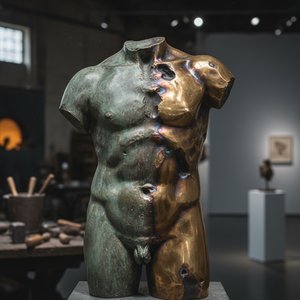
Moștenirea Durabilă a Sculpturii în Bronz: Istorie, Tehnici și Interpretări Contemporane
Descoperiți istoria fascinantă și tehnicile complexe ale sculpturii în bronz. Ghid complet pentru colecționari, investitori și pasionați de artă. Aflați despre artiști renumiți și tendințele contemporane.

The Enduring Form: Sculpture Across History, Technique & Emotional Resonance
Explore the rich history of sculpture with OriginalUniqueArt. Discover key techniques, influential artists & investment potential for discerning collectors. Expert insights into valuing and collecting timeless masterpieces.
