
 Previzualizare
 Trimite prin felicitare
 Distribuie
 Detalii despre lucrare
 Ghid
Ghid

 Descarcă imaginea
 Produse similare
 Radiografie
 Galerie foto
 Q&A
Q&A Statistici
Asteri

- 59.0 x 44.0 cm


 Vezi mai mult
Giclée / Imprimare artistică
Printuri giclée sau pe canvas de calitate muzeală, cu proces de producție rapid și opțiuni flexibile de finisare. ( Comandă pictură realizată manual Comută pe Imagine Digitală)




P118B lei10

P118H lei10

P118W lei10

P438Z lei10

P508JH lei12

P508YH lei12

P805H lei10

P805Z lei10

P919BZ lei10

P919G lei10

P919XJ lei10

P959ZH lei10

P968JZ lei12

W106C lei8

W218G lei10

W218JH lei8

W218Y lei10

W307PJ lei10

W316G lei10

W316PJ lei8

W316Y lei10

W398PJ lei8

W4111J lei10

W500HY lei15

W500JH lei15

W692G lei12

W849H lei8

W940BG lei15

W953PJ lei8




Alegeți dintre dimensiunile noastre prestabilite, care respectă proporțiile originale ale operei de artă.

Introduceți lățimea și înălțimea necesare pentru a se potrivi ramei sau peretelui dumneavoastră. O printare poate fi doar tăiată, niciodată extinsă dincolo de dimensiunea imaginii originale, astfel încât o dimensiune cu o formă diferită va pierde o parte din imagine. Vă trimitem o simulare digitală pentru aprobare înainte de a imprima orice. Imaginea afișată pe această pagină nu prezintă tăierea reală — doar simularea arată acest lucru.
Livrare în întreaga lume () în 2 săptămâni, în loc de cele 4/5 săptămâni standard. (31 Octombrie)

Livrare expres gratuită la nivel mondial

Pânză de in de înaltă calitate

Asigurare completă pentru transport

Garanție de rambursare a taxelor vamale

Garanția fidelității culorilor

Politica de retur în 100 de zile (doar pentru defecte de fabricație)

Garanție de rambursare 100%

Ofertă pentru comenzi multiple
 Opțiunea cu sticlă este disponibilă doar pentru dimensiuni de sub 110 cm

Asteri
Giclée / Imprimare artistică
Dimensiune reproducere
-


Preț total calculat
lei 379
Asters: Un Reflecție asupra Frumuseții și Înțelepciunii în Stilul Futurismului
Christopher Richard Wynne Nevinson este un nume important în arta britanică de începutul secolului XX, artist cunoscut pentru contribuțiile sale semnificative la reprezentarea războiului și pentru explorarea unei estetici inovatoare influențată puternic de mișcarea futuristă italiană. Această pictură impresionantă, intitulată „Asters”, surprinde o scenetă contemplativă care transcende simplul peisaj natural și este impregnată cu semnificații simbolice complexe. În primul rând, este vorba despre un monument sculptat elegant plasat între două biblioteci impresionante, fiecare închiriată cu cărți de diferite dimensiuni și culori – o alegere deliberată care evocă ideea unei lumi intelectuale bogate și bine documentate. Această juxtapunctură atent calculată este caracteristică stilului futurist, care urmărea ruperea cu tradițiile estetice ale trecutului în favoarea unei exprimări dinamice și inovatoare. Nevinson a fost influențat profund de ideile lui Marinetti și Lewis, cei doi fondatori ai Rebel Art Centre, și astfel „Asters” nu este doar o reprezentare vizuală frumoasă ci și o declarație artistică despre noua direcție în care arta trebuia să se îndrepte. Pictorul a folosit tehnica uleiului pe lemn pentru a crea o imagine cu detalii minuțioase și culori vibrante, capturând lumina naturală într-o manieră impresionistă, dar aplicând în același timp principiile futuriste ale geometriei și ale vitezei. Această combinație surprinzătoare creează un efect puternic asupra privitorului, invitându-l să vadă lumea nu doar așa cum este ea imediat prezentă, ci și potențialul său infinit de schimbare și progres. În cadrul contextului istoric al Primului Război Mondial, Nevinson a fost unul dintre cei mai fervenți apărători ai artei în rolul său de instrument pentru exprimarea emoțiilor și gândurilor umanității în timpul conflictelor majore. „Asters” nu este doar o operă de artă frumoasă în sine ci și un simbol al rezistenței culturale și intelectuale în fața adversității războiului – o mărturie a credinței în puterea artei de a inspira și de a educa generațiile viitoare. În plus, alegerea florilor – asteri în particular – este semnificativă deoarece reprezintă perseverența și rezistența în ciuda dificultăților, valori importante pentru perioada respectivă și pentru mesajul general al picturii. În concluzie, „Asters” de Christopher Richard Wynne Nevinson rămâne o operă fascinantă care continuă să inspire și să captiveze iubitorii de artă și colecționarii din întreaga lume. Reproducerea atent realizată oferă oportunitatea unei experiențe estetice autentice și permite aprecierea unei opere de artă complexe și profund simbolică, plasată în contextul unei perioade istorice importante pentru dezvoltarea artei moderne. Este o invitație la contemplare și reflecție asupra frumuseții naturii și puterea înțelepciunii intelectuale – două domenii ale experienței umană pe care Nevinson le-a abordat cu măiestrie și creativitate extraordinară.Întrebări și răspunsuri
Este "Asteri" de Christopher Richard Wynne Nevinson în domeniul public și care este motivul?
„Asteri” de Christopher Richard Wynne Nevinson este în domeniul public – drepturile de autor au expirat. Termenul de protecție a drepturilor de autor se calculează de la data decesului artistului, iar Christopher Richard Wynne Nevinson a decedat în 1946.
Din ce curent artistic face parte "Asteri" de Christopher Richard Wynne Nevinson?
"Asteri" de Christopher Richard Wynne Nevinson face parte din mișcarea British Modernism. Acest curent oferă contextul stilistic al operei.
Cum pot obține o copie digitală a lucrării "Asteri" de Christopher Richard Wynne Nevinson?
„Asteri” este disponibil ca descărcare imagine digitală de înaltă rezoluție, putând fi achiziționat direct de pe pagina sa de Imagine digitală de înaltă rezoluție.
Biografie artist
Early Life and Artistic Awakening
Christopher Richard Wynne Nevinson, known as C.R.W. Nevinson or simply Richard Nevinson, emerged onto the British art scene at a moment of profound societal shift. Born in 1889 in Hampstead, London, his upbringing was steeped in intellectual and progressive ideals. His father, Henry Nevinson, was a renowned war correspondent and journalist, while his mother, Margaret Nevinson, dedicated herself to the burgeoning suffrage movement as a writer and activist. This environment instilled in young Richard a keen awareness of social issues and a spirit of independent thought that would permeate his artistic vision. Though initially struggling to find direction, he eventually enrolled at the Slade School of Art in 1909, studying under Henry Tonks alongside future luminaries like Stanley Spencer and Mark Gertler. While Tonks encouraged traditional techniques, Nevinson found himself drawn towards more radical currents, seeking a visual language that could capture the dynamism of the modern world. Early influences included the work of Augustus John, but it was his encounter with the Italian Futurists and Wyndham Lewis that truly ignited his artistic trajectory.Embracing Modernity: Futurism, Vorticism, and the Brink of War
Nevinson’s artistic development took a decisive turn when he befriended Filippo Marinetti, the charismatic leader of the Italian Futurist movement. Captivated by Futurism's celebration of speed, technology, and the energy of urban life, Nevinson began to incorporate its principles into his own work. He briefly aligned himself with Wyndham Lewis’s Rebel Art Centre, a hub for avant-garde experimentation in London. However, this association was short-lived. A fundamental disagreement over artistic direction led to a rift between Nevinson and Lewis, resulting in Nevinson's exclusion from the Vorticist movement—a distinctly British offshoot of Futurism founded by Lewis himself. Despite this falling out, Nevinson continued to explore Futurist ideas, even co-authoring a manifesto for English Futurism alongside Marinetti. His early paintings reflected these influences, depicting scenes of modern London – bustling streets, railway stations, and the nascent Underground system – with fragmented forms and dynamic compositions. These works weren’t merely representations of place; they were attempts to convey the *feeling* of modernity—its exhilarating pace and relentless energy. Alongside his exploration of Futurist aesthetics, Nevinson maintained close ties with artists like Mark Gertler and Dora Carrington, sharing a brief period of artistic kinship rooted in Neo-Primitivism before diverging onto their individual paths.The Horrors of War and the Rise of a War Artist
The outbreak of World War I irrevocably altered Nevinson’s artistic focus. Initially joining the Friends' Ambulance Unit, he witnessed firsthand the brutal realities of war while tending to wounded French and British soldiers. Illness forced his return to Britain, but he soon volunteered with the Royal Army Medical Corps. He used these experiences as the subject matter for a series of powerful paintings which combined Futurist and Cubist aesthetics. Bleak, outspoken and often angry, his work from 1915–16 stands as powerful testaments to the devastation of modern warfare. Utilizing fragmented forms and jarring perspectives, Nevinson conveyed not just the physical destruction but also the psychological trauma inflicted by mechanized conflict. His paintings like *La Mitrailleuse* (The Machine Gunner) exemplify this approach—a bold rejection of Impressionistic idealism in favor of confronting the grim truth of the battlefield. Critics lauded his daring vision, recognizing it as “the most authoritative and concentrated utterance on the war in the history of painting.” He was appointed an official war artist in 1917, continuing to develop his distinctive style while grappling with the moral complexities of documenting the conflict.Post-War Years: Travels, Turmoil, and Legacy
Following the armistice, Nevinson embarked on a journey to New York City, where he captured the towering skyscrapers and vibrant energy of American urban life in canvases that reflected both Futurism’s fascination with technology and Cubism's exploration of geometric abstraction. However, his subsequent career was marked by personal struggles—depression, breakdowns, and difficulties reconciling his artistic ambitions with the demands of daily life. He published *Paint and Prejudice* in 1937, a memoir that offered glimpses into his inner world but also contained inaccuracies and inconsistencies. Despite these challenges, Nevinson remained an influential figure in British art history. His pioneering use of Futurist techniques—particularly the fragmentation of form and the incorporation of dynamic movement—established him as one of the foremost innovators of his generation. He is remembered not only for his wartime paintings but also for his broader engagement with avant-garde ideas and his unwavering commitment to portraying the anxieties and uncertainties of the modern age. His legacy continues to inspire artists today, reminding us that art can serve as a powerful tool for confronting difficult truths and challenging conventional perspectives.
Christopher Richard Wynne Nevinson
1889 - 1946 , Regatul Unit al Marii Britanii și Irlandei de Nord
Detalii rapide
- Artistic Movement Or Style: Futurism, Cubism
- Artists Or Movements Influenced By This Artist: ['Avant-garde art in Britain']
- Artists Who Influenced This Artist:
- Augustus John
- Wyndham Lewis
- F.T. Marinetti
- Date Of Birth: 1889
- Date Of Death: 1946
- Full Name: Christopher Richard Wynne Nevinson
- Nationality: British
- Notable Artworks:
- La Mitrailleuse
- Over the Lines
- Blackfriars Bridge
- Place Of Birth: Hampstead, UK
Articole similare

The Enduring Form: Exploring Themes & Techniques in Sculpture Across Historical Periods
Explore the rich history of sculpture from ancient masterpieces to contemporary innovations. Discover key techniques, influential artists & investment potential for discerning art collectors.

The Enduring Form: Sculpture Across History, Technique & Emotional Resonance
Explore the rich history of sculpture with OriginalUniqueArt. Discover key techniques, influential artists & investment potential for discerning collectors. Expert insights into valuing and collecting timeless masterpieces.

Top 10 Capodopere din Bronz care au Revoluționat Arta | OriginalUniqueArt.ro
Descoperiți Top 10 capodopere din bronz care au revoluționat arta! Rodin, Michelangelo și alții. Aflați istoria sculpturilor clasice și inspirație pentru decorul casei dvs. Reproduceri de artă de calitate muzeală pe OriginalUniqueArt.com
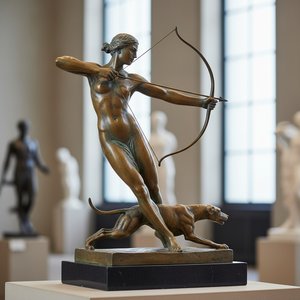
Paul Manship: Reassessing the Master of American Art Deco Sculpture
Explore the captivating world of Paul Manship, a leading figure in American Art Deco sculpture. Discover his iconic works like Prometheus, influence on modernism, and investment potential. Expert insights for collectors.

Top 10 Capodopere din Bronz care au Revoluționat Arta – Inspirație pentru Decor
Descoperă Top 10 sculpturi din bronz care au schimbat istoria artei! Explorează operele lui Rodin, Michelangelo și alți maeștri, tehnicile lor unice și inspirația pentru decorul casei tale. Replici de calitate muzeală pe OriginalUniqueArt.com.


