Vezi în context
 Trimite
 Distribuie
 Detalii
 Ghidul

 Descarcă
 Produse similare
 Radiografie
 Diaporama
 Statistici
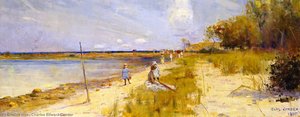
Windy Day at Brighton


 Citește mai mult
Reproducere pictată manual în ulei
Pictură în ulei pe pânză, realizată manual de artiștii noștri la dimensiunea și ramele dorite de dumneavoastră, pe comandă. ( Comută pe versiunea Print Treci la imagine digitală)




P118B $10

P118H $10

P118W $10

P438Z $10

P508JH $12

P508YH $12

P805H $10

P805Z $10

P919BZ $10

P919G $10

P919XJ $10

P959ZH $10

P968JZ $12

W106C $8

W218G $10

W218JH $8

W218Y $10

W307PJ $10

W316G $10

W316PJ $8

W316Y $10

W398PJ $8

W4111J $10

W500HY $15

W500JH $15

W692G $12

W849H $8

W940BG $15

W953PJ $8




Alegeți dintre dimensiunile noastre prestabilite, care respectă proporțiile originale ale operei de artă.

Puteți introduce propriile dimensiuni pentru a se potrivi unui anumit cadru sau spațiu. Dacă dimensiunea selectată nu corespunde proporțiilor imaginii originale, vom decupa opera de artă sau vom extinde pictura cu elemente suplimentare pictate manual. O simulare digitală vă va fi trimisă pentru aprobare înainte de începerea producției.
Vă rugăm să rețineți că previzualizarea de pe ecran nu reflectă decuparea sau extinderea reală. Doar macheta va arăta cu exactitate compoziția finală.
Deși sunt disponibile dimensiuni personalizate, vă recomandăm să selectați o dimensiune din lista predefinită pentru a păstra proporțiile originale.
După plasarea comenzii, echipa OriginalUniqueArt.com va contacta clientul prin e-mail pentru instrucțiuni și îi va furniza o previzualizare a machetei
Livrare în întreaga lume () în 3-4 săptămâni, în loc de cele 5 săptămâni standard. (27 Septembrie). Fără compromisuri în ceea ce privește calitatea.

Livrare expres gratuită la nivel mondial

Pânză de in premium

Asigurare completă pentru transport

Garanție de rambursare a taxelor vamale

Garanția fidelității culorilor

Politica de retur în 100 de zile (doar pentru defecte)

Garanție de rambursare 100%

Reducere pentru comenzi multiple
 Opțiunea cu sticlă este disponibilă doar pentru dimensiuni de sub 110 cm

Windy Day at Brighton
Tip de reproducere
Dimensiune reproducere
-


Preț total
$ 300
Windy Day at Brighton – A Masterpiece of Impressionistic Seaside Tranquility
“Windy Day at Brighton” by Charles Edward Conder stands as a testament to the burgeoning Impressionist movement in Britain during the early 20th century. Created in 1905 and currently residing within the prestigious Tate Gallery in London, this painting transcends mere depiction; it captures a fleeting moment of beauty—a breezy afternoon spent on Brighton Beach.
Artist’s Style and Inspiration: Conder's artistic vision was firmly rooted in Impressionism. Influenced by artists like Claude Monet and Pierre-Auguste Renoir, he eschewed meticulous detail for capturing the ephemeral qualities of light and atmosphere. The soft brushstrokes characteristic of his style—almost hesitant yet purposeful—are immediately apparent upon viewing the canvas. These delicate marks blend seamlessly to create a hazy luminescence that dominates the scene, mirroring the diffused sunlight filtering through the overcast sky.
- Technique: Conder employed oil paint on canvas, utilizing layering and glazing techniques to achieve remarkable depth and vibrancy. The artist skillfully manipulated color palettes—primarily muted blues, greens, and ochres—to convey the mood of a windy day.
- Composition: The painting’s composition is thoughtfully balanced, featuring figures strolling along the shore amidst the gentle sway of palm trees. A horse-drawn carriage adds an element of Victorian grandeur to the coastal landscape.
- Light and Shadow: Conder's masterful use of light and shadow—particularly evident in the shading beneath umbrellas—creates a palpable sense of realism while simultaneously enhancing the painting’s emotional resonance.
Detailed Examination – Composition & Color Palette
The central figures, positioned prominently in the foreground, are bathed in dappled sunlight, highlighting their clothing and expressions. The artist's careful attention to detail—such as the folds of fabric and the subtle nuances of facial features—demonstrates Conder’s commitment to portraying human experience within a natural setting. Notice how the artist uses color to convey emotion; the cool blues and greens evoke tranquility, while warmer hues suggest warmth and vitality.
Furthermore, the inclusion of boats scattered across the water adds visual interest and reinforces the seaside atmosphere. The overall effect is one of serene contemplation—a celebration of beauty found in everyday life—reflecting the Impressionists’ fascination with capturing transient sensations.
Historical Context & Significance
“Windy Day at Brighton” emerged during a period of significant artistic experimentation in Britain, coinciding with the rise of the Heidelberg School. This group of artists sought inspiration from the landscapes of southern France, embracing plein air painting—working outdoors directly onto canvas—to capture the immediacy of nature. Conder’s contribution to this movement solidified his reputation as one of Britain's foremost Impressionists.
The Tate Gallery’s acquisition of “Windy Day at Brighton” underscores its enduring artistic merit and its place within British art history. It serves as a captivating reminder of the power of Impressionism to transform ordinary scenes into extraordinary expressions of emotion and beauty.
Own a Piece of Art History
At OriginalUniqueArt.com, we offer meticulously crafted oil painting reproductions of “Windy Day at Brighton,” allowing you to bring this iconic artwork into your home or office. Our skilled artisans utilize archival-quality materials and techniques to faithfully recreate Conder’s original vision, ensuring that every brushstroke retains its vibrancy and nuance.
Visit OriginalUniqueArt.com today to explore our collection and discover the perfect reproduction for your discerning taste!
Biografie artist
Early Life and Artistic Journey
Charles Edward Conder (1868 – 1909) was an English-born painter, lithographer and designer who left an indelible mark on the art world. Born in Tottenham, Middlesex, the second son of six children, of James Conder, civil engineer and Mary Ann Ayres, he spent several years as a young child in India until the death of his mother (aged 31 years) on 14 May 1873 in Bombay, when Charles was four; he was then sent back to England and attended a number of schools including a boarding school at Eastbourne, which he attended from 1877. He left school at 15, and his very religious, non-artistic father, against Charles’s natural artistic inclinations, decided that he should follow in his footsteps as a civil engineer.Artistic Career in Australia
In 1884, at the age of 16, he was sent to Sydney, Australia, where he worked for his uncle, a land surveyor for the New South Wales government. However he disliked the work, much preferring to draw the landscape rather than surveying it. In 1886, he left the job and became an artist for the *Illustrated Sydney News*, where he was in the company of other artists such as Albert Henry Fullwood and Frank Mahony. He also attended the painting classes of Alfred James Daplyn and had joined the Art Society of New South Wales. During his time in Melbourne, Conder collaborated with Tom Roberts, whom he had previously met in Sydney, sharing a studio and exploring new artistic horizons. The influence of Roberts’s expressive style undoubtedly shaped Conder's own approach to painting.The Heidelberg School and Notable Works
Conder’s masterpiece, *Departure of the Orient – Circular Quay* (1888), showcased his newfound mastery of form and brushwork. This dockside scene, depicting the bustling harbour at Sydney Cove at the moment when the *has cast off for her voyage to England*, was quickly purchased by the Art Gallery of New South Wales, making it Conder’s first work to enter a public collection. It exemplifies the Heidelberg School's fascination with capturing fleeting moments of light and atmosphere—a technique honed through meticulous observation and experimentation. Alongside Roberts and Arthur Streeton, Conder contributed significantly to the Heidelberg School movement, establishing it as a distinctive Australian tradition in Western art.Legacy and Later Life
Conder’s later years were marked by persistent illness, including paralysis and a bout of delirium tremens. Despite these challenges, he continued to paint, producing evocative landscapes and portraits that reflect his profound engagement with the natural world and human experience. His work gained recognition in England, where it contrasted sharply with its reception in Paris—a testament to Conder’s artistic vision and enduring appeal. Henri de Toulouse-Lautrec immortalized Conder's likeness in a portrait that now resides in the National Gallery of Australia, securing his place as one of Melbourne’s most celebrated artists. His legacy continues to inspire art enthusiasts worldwide, reminding us of the transformative power of creativity and perseverance.
Charles Edward Conder
1868 - 1909 , Regatul Unit
Informații rapide
- Artistic Movement Or Style: Heidelberg School
- Artists Who Influenced This Artist:
- Alfred Daplyn
- Victor Mann
- Julian Ashton
- Date Of Birth: October 24, 1868
- Date Of Death: February 9, 1909
- Full Name: Charles Edward Conder
- Nationality: British
- Notable Artworks:
- Departure of the Orient – Circular Quay
- A holiday at Mentone
- Under The Southern Sun
- Place Of Birth: Tottenham, United Kingdom
Articole conexe

Top 10 Capodopere Impresioniste: Peisaje care au Schimbat Arta | OriginalUniqueArt.ro
Descoperă top 10 capodopere impresioniste care au revoluționat arta! Monet, Manet, Renoir și alți maeștri ai peisajului. Reproduceri de tablouri canvas de calitate muzeală pentru un decor inspirat. Explorează colecția completă pe OriginalUniqueArt.com!

Edward Hopper: Cele Mai Iconice Lucrări – Artă, Decorațiuni și Povești Captivante
Descoperă cele mai iconice 25 de picturi Edward Hopper! Explorează realismul american, atmosfera unică și poveștile din spatele capodoperelor sale. Reproduceri tablouri de calitate muzeală & inspirație pentru decor interior pe OriginalUniqueArt.com.

Impressionistic Realism's Finest: 10 Masterpieces for Your Home | OriginalUniqueArt
Journey through Impressionistic Realism with 10 iconic masterpieces by Monet, Renoir & Van Gogh. Explore art history, techniques & find museum-quality reproductions for your home at OriginalUniqueArt.com. Discover all masterpieces online!

Top 10 Capodopere Impresioniste: Peisaje care au Definit Arta Modernă | OriginalUniqueArt.ro
Descoperă top 10 capodopere impresioniste care au revoluționat arta! Monet, Manet, Renoir și alți maeștri ai peisajului. Reproduceri de tablouri de calitate muzeală pentru un decor inspirat. Explorează colecția completă pe OriginalUniqueArt.com!
Capturing Light: A Masterclass in the Ethereal Beauty of Impressionistic Landscapes
Explore the ethereal beauty of Impressionist landscapes. Discover how masters like Monet captured fleeting light through color and texture, and learn to curate these timeless, luminous masterpieces for your home collection.