Meniu
CONSULTAȚIE GRATUITĂ DE ARTĂ
Comandă tipăritul Comandă tipăritulCumpără imaginea Cumpără imaginea TrimiteTrimite
Detalii despre lucrareDetalii despre lucrare Adaugă la favorite Adaugă la favorite DescarcăDescarcă SimilareSimilare RadiografieRadiografie DiaporamaDiaporama

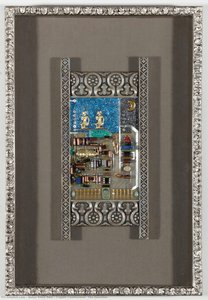
Cryptic Confessions, The Question

"Cryptic Confessions, The Question": O sculptură impresionantă ce explorează identitatea afrodescendentă și reflecțiile spirituale prin obiecte comune și simboluri culturale puternice. Opera lui Betye Saar este un apel la rezistență și memorie colectivă.

Betye Saar (1926-) is a renowned American assemblage artist exploring Black identity, spirituality & racism through found objects & mixed media. Her powerful critiques challenge stereotypes and celebrate African Americ

Reproducere manuală în ulei

Pictură în ulei pe pânză, pictată manual, la dimensiunea și ramele dorite de dumneavoastră, realizată la comandă de artiștii noștri.

P118B $10
P118H $10
P118W $10
P438Z $10
P508JH $12
P508YH $12
P805H $10
P805Z $10
P919BZ $10
P919G $10
P919XJ $10
P959ZH $10
P968JZ $12
W106C $8
W218G $10
W218JH $8
W218Y $10
W307PJ $10
W316G $10
W316PJ $8
W316Y $10
W398PJ $8
W4111J $10
W500HY $15
W500JH $15
W692G $12
W849H $8
W940BG $15
W953PJ $8

Standard
custom
CM
INCH

Alegeți dintre dimensiunile noastre prestabilite, care respectă proporțiile originale ale operei de artă.

lățime
înălțime

Puteți introduce propriile dimensiuni pentru a se potrivi unui anumit cadru sau spațiu. Dacă dimensiunea selectată nu corespunde proporțiilor imaginii originale, vom decupa opera de artă sau vom extinde pictura cu elemente suplimentare pictate manual. O simulare digitală vă va fi trimisă pentru aprobare înainte de începerea producției.
Vă rugăm să rețineți că previzualizarea de pe ecran nu reflectă decuparea sau extinderea reală. Doar macheta va arăta cu exactitate compoziția finală.
Deși sunt disponibile dimensiuni personalizate, vă recomandăm să selectați o dimensiune din lista predefinită pentru a păstra proporțiile originale.

Exemple de elemente ce pot fi modificate: Înlocuiți fața cu fotografia clientului; Adăugați un animal de companie (de exemplu, înlocuiți pisica cu un câine); Includeți un mesaj ascuns în fundal; Schimbați peisajul sau elementele din fundal.
După plasarea comenzii, echipa OriginalUniqueArt.com va trimite clientului instrucțiuni prin e-mail și îi va furniza o previzualizare a machetei

Livrare în întreaga lume () în 3/4 săptămâni, în loc de cele 5 săptămâni standard. (21 Iulie). Fără compromisuri în ceea ce privește calitatea.

why_choose_icon
Livrare expres gratuită la nivel mondial
why_choose_icon
Pânză de in de înaltă calitate
why_choose_icon
Asigurare completă pentru transport
why_choose_icon
Garanție de rambursare a taxelor vamale
why_choose_icon
Garanția fidelității culorilor
why_choose_icon
Politica de retur de 60 de zile (doar pentru defecte)
why_choose_icon
Garanție 100% de rambursare
why_choose_icon
Reducere la comenzi multiple

Preț total

-

reproduction

Cryptic Confessions, The Question

Tehnică de reproducere

Dimensiune reproducere

-

Preț total calculat

-

Informații rapide

  • Movement: Assemblage
  • Artistic style: Mystical; Symbolic
  • Medium: Painting
  • Influences: African Heritage"; "Native American Heritage
  • Subject or theme: Race; Spirituality; Memory
  • Year: 1988
  • Artist: Betye Irene Saar

Test de cunoștințe despre artă

Fiecare întrebare are un singur răspuns corect.

Întrebare 1:
What is Betye Saar primarily known for?
Întrebare 2:
The description mentions Saar’s heritage includes which cultures and religions?
Întrebare 3:
According to Saar's statement about her artistic process, what does she aim to achieve by combining found objects with technology?
Întrebare 4:
What is the dominant color in the image description of the artwork?
Întrebare 5:
The image highlights a blend of functional and decorative elements. Which of these best describes this combination?

Descriere operă de artă

A Meditation on Memory and Resistance: Exploring Betye Saar’s “Cryptic Confessions, The Question”

Betye Irene Saar's "Cryptic Confessions, The Question," created in 1988, stands as a testament to the enduring power of assemblage art—a medium she pioneered—and its capacity to convey profound emotional and intellectual resonance. More than just an arrangement of objects, this sculpture is a deliberate provocation, reflecting Saar’s lifelong preoccupation with confronting societal prejudices against Black women while simultaneously delving into personal recollections and spiritual contemplation. The artwork's striking blue backdrop serves as a canvas for a carefully curated collection of materials—bottles, clocks, and a bowl—each imbued with symbolic significance that speaks to themes of time, containment, and the fragmented nature of experience.
  • Style: Saar’s approach aligns squarely within the assemblage tradition established by Marcel Duchamp and Kurt Schwitters, prioritizing conceptual exploration over purely aesthetic considerations. However, unlike many contemporaries, Saar eschews formal experimentation in favor of a deeply rooted connection to vernacular materials—objects sourced from everyday life—transforming them into vehicles for social commentary. This stylistic choice underscores her commitment to challenging conventional artistic norms and elevating the status of commonplace items as instruments of creative expression.
  • Technique: The sculpture’s construction involves gluing or tacking together disparate items onto a wooden surface, creating a textured and layered composition that invites viewers to engage actively with its visual and intellectual dimensions. Saar meticulously considers the placement of each element, aiming not merely for balance but also for conveying specific narratives and emotional states. Her painstaking attention to detail—the careful selection of materials and their precise positioning—demonstrates her mastery of assemblage technique and elevates the piece beyond mere decoration into a powerful statement about artistic process and intention.
The sculpture’s historical context is inextricably linked to the burgeoning feminist art movement of the 1980s, which sought to reclaim artistic agency and challenge patriarchal assumptions about creativity and representation. Saar herself actively resisted dominant cultural narratives surrounding Black identity, utilizing her art as a tool for confronting stereotypes and asserting the importance of Black women's voices—a stance that continues to inspire artists today. Her own heritage – blending African, Native American, Irish, and Creole influences – informs her artistic vision, mirroring the complexities inherent in navigating multiple identities within a historically fraught landscape. This engagement with social issues distinguishes Saar’s work from much of her time period and cements its significance as a contribution to ongoing dialogues about gender equality and cultural understanding. Symbolism: The prominent clock represents not just time passing but also the relentless march of history—a reminder that past traumas continue to shape present realities. Similarly, the bottles symbolize containment and repression, hinting at the silencing of Black women’s experiences throughout history. Yet, amidst these symbols of constraint, Saar introduces elements of vibrancy – notably the bowl – suggesting resilience and the possibility of transformation. The deliberate juxtaposition of seemingly disparate objects underscores Saar's belief that beauty can emerge from unexpected combinations and that art possesses the capacity to disrupt conventional understandings. Each element contributes to a larger narrative about overcoming adversity and celebrating cultural diversity—a message powerfully conveyed through Saar’s masterful use of symbolic imagery. Emotional Impact: “Cryptic Confessions, The Question” resonates deeply with viewers through its evocative imagery and subtle layering of meaning. It compels contemplation on themes of memory, identity, and resistance—inviting us to confront uncomfortable truths about societal biases while acknowledging the enduring strength of personal experience. Saar’s masterful manipulation of materials and her unwavering commitment to artistic integrity solidify this sculpture's place as a landmark achievement in assemblage art and a poignant reflection of the artist’s profound engagement with social justice issues. The artwork’s contemplative mood encourages viewers to consider their own relationship to history, culture, and personal narrative—leaving them with a lasting impression of Saar’s visionary artistry.

Biografie artist

A Life Forged in Assemblage: The World of Betye Saar

Betye Irene Saar, born in Los Angeles in 1926, is more than just an artist; she’s a visual storyteller, a cultural archaeologist, and a powerful voice challenging the narratives surrounding race, gender, and spirituality. Her journey began amidst personal shifts – the loss of her father when she was six, followed by a formative upbringing with her maternal great-aunt Hattie Parson Keys in Pasadena. This early experience deeply imprinted upon her an understanding of Black womanhood, resilience, and the power of inherited memory, themes that would become central to her artistic explorations. Saar’s academic path included a B.A. in Design from UCLA in 1949, followed by graduate studies at several California institutions, but it was a period of diverse creative pursuits – social work, jewelry making, costume design – that ultimately paved the way for her unique artistic voice. These early endeavors honed her sensitivity to materials and narrative, skills she would later deploy with profound effect in her assemblages.

Finding Her Voice: From Printmaking to Three Dimensions

While initially drawn to printmaking, a pivotal moment arrived in 1967 with an exhibition of work by Joseph Cornell. The intricate, poetic boxes of Cornell sparked something within Saar, igniting a fascination with assemblage – the art of constructing three-dimensional works from found objects. This discovery proved transformative. It wasn’t merely about creating art *from* things; it was about imbuing those things with new meaning, reclaiming their histories, and challenging the stories they silently carried. Saar's artistic development was also profoundly influenced by her surroundings. The monumental Watts Towers, a testament to individual vision and resourceful construction, inspired her use of everyday materials and exploration of personal mythology. A visit to the Field Museum in Chicago exposed her to the rich visual languages of African, Oceanic, and Egyptian art, broadening her aesthetic horizons and deepening her connection to ancestral roots. These influences coalesced into a distinctive style characterized by its layered symbolism, evocative imagery, and powerful emotional resonance.

Deconstructing Stereotypes: Themes and Artistic Style

Betye Saar’s work is fundamentally a critique of racism and the harmful stereotypes that have historically plagued representations of African Americans. She doesn't shy away from confronting these painful legacies; instead, she actively engages with them, transforming objects laden with racist imagery – “mammy” figures, antique advertisements, derogatory caricatures – into statements of empowerment and resistance. Her art is a process of deconstruction and reclamation, stripping away the layers of prejudice to reveal the humanity beneath. But Saar’s vision extends beyond racial injustice. She delves deeply into themes of spirituality, drawing from African religions, folklore, and mystical traditions to create works that explore the unseen forces shaping our lives. Her pieces often incorporate talismans, charms, and symbolic objects, inviting viewers to contemplate the power of belief and the search for meaning. Furthermore, Saar consistently addresses the experiences of Black women, reclaiming narratives often marginalized in mainstream art history and celebrating their strength, resilience, and inner worlds.

Legacy and Recognition: A Pioneer’s Impact

Throughout her illustrious career, Betye Saar has received widespread acclaim for her groundbreaking work. She emerged as a key figure within the Black Arts Movement of the 1970s, a period of intense artistic and political activism that sought to redefine African American identity and challenge systemic oppression. Her artwork is now featured in prominent museum collections worldwide, including the Museum of Modern Art (MoMA) and the Whitney Museum of American Art, solidifying her place within the canon of contemporary art. Beyond these accolades, Saar has received honorary doctorate degrees from numerous institutions, recognizing not only her artistic achievements but also her contributions to art education and cultural discourse. Her historical significance lies in her pioneering exploration of complex social issues through innovative artistic practices. She paved the way for future generations of artists to address race, gender, and spirituality with honesty, courage, and a commitment to challenging the status quo. Her legacy extends far beyond individual artworks; she has inspired countless creators to reclaim their narratives, question conventions, and create art that is both visually compelling and politically engaged – a testament to the enduring power of her vision. Betye Saar’s work continues to resonate today, reminding us of the importance of confronting our past, celebrating our diversity, and striving for a more just and equitable future.
Betye Irene Saar

Betye Irene Saar

1926 - , United States of America

Detalii rapide

  • Artistic Movement Or Style: Assemblage, Black Arts Movement
  • Artists Or Movements Influenced By This Artist: Future generations of artists
  • Artists Who Influenced This Artist:
    • Joseph Cornell
    • Simon Rodia
  • Date Of Birth: July 30, 1926
  • Full Name: Betye Irene Saar
  • Nationality: American
  • Notable Artworks:
    • Cryptic Confessions, The Question
    • Lost Dimensions of Time
    • Bridge to Infinity
  • Place Of Birth: Los Angeles, USA
Explorați opere de artă organizate pe teme, stiluri și caracteristici.