

 Vezi în context
 Trimite
 Distribuie
 Detalii
 Ghidul

 Descarcă
 Produse similare
 Radiografie
 Diaporama
 Statistici
Fruit, Flowers, and Shells
 Oil On Canvas
- WallArt
- Baroque Still Life
 1629
1629- Renaissance
 55.0 x 89.0 cm
 Muzeul de Artă din Toledo
 Citește mai mult
Giclée / Imprimare artistică
Printuri giclée sau pe canvas de calitate muzeală, cu proces de producție rapid și opțiuni flexibile de finisare. ( Comandă pictură realizată manual Treci la imagine digitală)




P118B lei10

P118H lei10

P118W lei10

P438Z lei10

P508JH lei12

P508YH lei12

P805H lei10

P805Z lei10

P919BZ lei10

P919G lei10

P919XJ lei10

P959ZH lei10

P968JZ lei12

W106C lei8

W218G lei10

W218JH lei8

W218Y lei10

W307PJ lei10

W316G lei10

W316PJ lei8

W316Y lei10

W398PJ lei8

W4111J lei10

W500HY lei15

W500JH lei15

W692G lei12

W849H lei8

W940BG lei15

W953PJ lei8




Alegeți dintre dimensiunile noastre prestabilite, care respectă proporțiile originale ale operei de artă.

Introduceți lățimea și înălțimea de care aveți nevoie, pentru a se potrivi ramei sau peretelui dumneavoastră. O printare poate fi doar tăiată, niciodată extinsă dincolo de dimensiunea imaginii originale, astfel încât o dimensiune cu o formă diferită va pierde o parte din imagine. Vă trimitem o simulare digitală pentru aprobare înainte de a imprima orice. Imaginea afișată pe această pagină nu prezintă tăierea reală — doar simularea arată acest lucru.
Livrare în întreaga lume () în 2 săptămâni, în loc de cele 4/5 săptămâni standard. (22 Octombrie)

Livrare expres gratuită la nivel mondial

Pânză de in premium

Asigurare completă pentru transport

Garanție de rambursare a taxelor vamale

Garanția fidelității culorilor

Politica de retur în 100 de zile (doar pentru defecte)

Garanție de rambursare 100%

Reducere pentru comenzi multiple
 Opțiunea cu sticlă este disponibilă doar pentru dimensiuni de sub 110 cm

Fruit, Flowers, and Shells
Giclée / Imprimare artistică
Dimensiune reproducere
-


Preț total
lei 370
A Symphony of Natural Wonders: Balthasar van der Ast’s *Fruit, Flowers, and Shells*
Balthasar van der Ast's 1629 masterpiece, *Fruit, Flowers, and Shells*, is more than a still life; it’s a meticulously crafted window into the burgeoning world of Dutch Golden Age artistry and intellectual curiosity. This painting, measuring 55 x 89 cm, immediately captivates with its astonishing detail – a profusion of exquisitely rendered fruit, flowers, and shells that seem poised to leap from the canvas. Van der Ast’s skill isn't merely in depicting these objects; it lies in his ability to imbue them with a sense of scientific observation and humanist contemplation, reflecting the profound shifts occurring across Europe during the 16th and 17th centuries.
The Art of Shell Painting and Scientific Observation
Van der Ast’s reputation rests largely on his pioneering work in shell painting, a technique demanding an almost obsessive attention to detail. He elevates the humble shell – sourced from exotic locales like the South Pacific and Indian Ocean – into objects of profound beauty and scientific interest. The inclusion of these shells, alongside rare tulips (introduced to Europe from Turkey around 1550), parrots, lizards, and crickets, speaks to the era’s fascination with natural history and the collecting of curiosities. This wasn't simply about aesthetic pleasure; it mirrored the burgeoning scientific revolution, where artists like Van der Ast were engaged in a rigorous study of form, texture, and color – mirroring the advancements being made in astronomy, physics, and medicine.
A Dutch Masterpiece: Technique and Composition
The painting’s composition is masterful. Each element—the apples, grapes, pears, plums, peaches, cherries, oranges, rose, and carnation – occupies a distinct space, inviting the viewer to examine each object with careful attention. The inclusion of the Chinese Wan-li porcelain vase, enhanced with a gilded base crafted by a European goldsmith, further underscores the cross-cultural influences shaping Dutch art at the time. Van der Ast’s use of light and shadow is particularly noteworthy, creating a sense of depth and volume that brings the still life to vibrant life. His meticulous layering of glazes – a hallmark of Flemish painting – ensures an incredible richness of color and texture, allowing for subtle variations in tone that contribute significantly to the work's realism.
Symbolism and Emotional Resonance
*Fruit, Flowers, and Shells* transcends mere representation; it’s laden with symbolic meaning. The abundance of fruit represents fertility, prosperity, and the bounty of nature – themes frequently explored in Dutch art. The flowers, particularly the rose and carnation, carry their own traditional associations, adding layers of interpretation. Beyond this, the painting evokes a sense of quiet contemplation and appreciation for the beauty of the natural world. It’s a testament to Van der Ast's ability to capture not just what he saw, but also the emotions and ideas associated with his subject matter – a skill that continues to resonate with viewers today.
Întrebări și răspunsuri
La ce artist este atribuită opera „Fruit, Flowers, and Shells”?
„Fruit, Flowers, and Shells” este atribuit lui Balthasar Van Der Ast.
Cât de populară este opera „Fruit, Flowers, and Shells” în cadrul mișcării Baroque Still Life?
În cadrul mișcării Baroque Still Life, „Fruit, Flowers, and Shells” are un nivel de popularitate Recognized.
În ce an a fost creată "Fruit, Flowers, and Shells" de Balthasar Van Der Ast?
„Fruit, Flowers, and Shells” datează din 1629. Această dată plasează lucrarea în cadrul carierei lui Balthasar Van Der Ast și în contextul epocii sale.
Biografie artist
Maestrul universului în miniatură: Balthasar van der Ast
În lumina aurie a Nederlandului secolului al XVII-lea, o perioadă definită de o prosperitate fără precedent și de o curiozitate științifică vibrante, Balthasar van der Ast a apărut ca un virtuoz al capodoperelor la scară mică. Născut în Middelburg în jurul anului 1593, van der Ast nu picta pur și simplu obiecte; el orchestra drame silențioase pe pânză. Viața sa a fost profund împletită cu cultura mercantilă în plină expansiune din Zeeland, fiind fiul unui prosper negustor de lână, Hans van derরত্ব van der Ast. Acest context i-a oferit mai mult decât stabilitate socială; i-a oferit o intimitate timpurie cu bunurile exotice și specimenele prețioase care vor deveni, ulterior, protagoniștii celebrilor sale naturi moarte.
Traiectoria sufletului său artistic a fost modelată irevocabil de legătura sa cu dinastia Bosschaert. Prin intermediul unei legături familiale, van der Ast a devenit protejatul legendarului Ambrosius Bosschaert cel Mai Întâi, tatăl său vitreg. Sub această îndrumare, el a stăpânit precizia meticuloasă necesară pentru „compoziția florală”, un gen care cerea un nivel de observație aproape microscopic. Această moștenire a excelenței i-a permis să rafineze o tehnică caracterizată prin gradații tonale subtile și un respect profund pentru textura fizică a naturii. Nu a fost singur în această căutare a perfecțiunii; alături de ceniții săi, a ajutat la cultivarea unei mișcări stilistice care prioritiza jocul delicat dintre lumină și umbră, transformând simplele studii botanice în meditații profunde asupra existenței.
O simfonie de scoici și florile naturii
În timp ce mulți dintre contemporanii săi se concentrau exclusiv pe frumusețea efemeră a florilor, van der Ast a atins nemurirea istorică prin explorările sale pionierice în conchiologie. El a devenit un pionier al picturii cu scoici, tratând resturile calcificate ale creaturilor marine cu aceeași venerație ca pe cea pentru cea mai moale petală. În lucrări precum „Natură moartă cu prune, cireșe și scoici”, putem fi martori la căsătoria uluitoare a diferitelor texturi: pielea suculentă și translucidă a fructelor contrastând cu suprafețele dure și perlacee ale scoicilor exotice. Această fascinație nu era doar estetică; ea reflecta interesul științific în creștere al epocii pentru istoria naturală și expansiunea globală a comerțului maritim olandez.
Compozițiile sale funcționau adesea ca mult mai mult decât simple demonstrații de bogăție sau acuratețe botanică. A privi atent o pictură a lui van der Ast înseamnă a interacționa cu o rețea complexă de simbolism înrădăcinat în filosofia umanistă. În aranjamentele sale, putem regăsi:
- Natura efemeră a vieții: reprezentată prin petale ofilite sau insecte care consumă însăși frumusețea în care trăiesc.
- Observația științifică: o înregistrare meticuloasă a speciilor, reflectând Epoca Descoperirilor și setea de cunoaștere a vremii.
- Teme Vanitas: memento mori subtile, unde descompunerea fructelor servește ca un memento al mortalității.
Moștenire și semnificație artistică
Influența lui Balthasar van der Ast s-a extins mult dincolo de propriul său atelier din Utrecht. Primind artiști precum Roelandt Savery în gilda locală, el a ajutat la cultivarea unui mediu în care tonalitatea și realismul puteau înflori. Capacitatea sa de a insufla obiectelor inanimatate un simț al vieții — o calitate vizibilă în reprezentările sale ale șopârlelor și insectelor care se târăsc printre fructe — a stabilit un nou standard pentru Epoca de Aur olandeză. El a îndepărtat genul naturului mort de la aranjamentele statice către o realitate mai dinamică, vie.
Astăzi, lucrările sale rămân piloni ai colecțiilor muzeale din întreaga lume, de la British Museum până în marile galerii ale Europei. Moștenirea sa se regăsește în fiecare pensulată care surprinde picătura de rouă pe o frunză sau strălucirea irizantă a unei scoici. Balthasar van der Ast rămâne un titan al Stilleven, un artist care a învățat lumea să găsească infinitul în infinitesimal și care a transformat obiectele umile ale lumii naturale în icoane eterne ale frumuseții.

Balthasar Van Der Ast
1593 - 1657 , Țările de Jos
Informații rapide
- Artistic Movement Or Style: Pictura Epocii de Aur
- Artists Or Movements Influenced By This Artist: Baroc Olandez
- Artists Who Influenced This Artist: Ambrosius Bosschaert
- Date Of Birth: 1593
- Date Of Death: 1657
- Full Name: Balthasar van der Ast
- Nationality: Olandez
- Notable Artworks:
- Fructe și scoici pe o margine
- Lalele
- L lizard și scoică
- Place Of Birth: Middelburg, Țările de Jos
Articole conexe
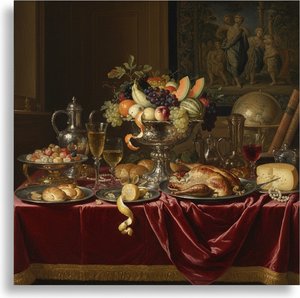
Abraham Hendricksz van Beyeren: Pioneering Dutch Still Life & the Banquet Tradition
Explore the captivating world of Dutch Golden Age still life with Abraham van Beyeren. Discover his innovative techniques, symbolic banquet scenes & lasting influence on art history. Learn about collecting these masterpieces.

Rembrandt van Rijn: Cele Mai Frumoase 25 de Capodopere – Artă, Istorie și Decorațiuni Interioare
Descoperă cele mai frumoase 25 de picturi ale lui Rembrandt van Rijn! Explorează capodopere baroce, portrete emoționante și peisaje iconice. Reproduceri de artă de calitate muzeală pentru un design interior rafinat. Descoperă toate operele pe OriginalUniqueArt.com!

Golden Light & Dutch Skies: The Timeless Magic of Dutch Golden Age Landscapes
Discover the breathtaking beauty of Dutch Golden Age landscapes. Explore the mastery of light, chiaroscuro, and 17th-century realism through an expert art history lens, celebrating the enduring legacy of the Dutch Masters for discerning collectors and art lovers.

Golden Age Reflections: Dutch Baroque Painting & Cultural Innovation
Explore the Dutch Golden Age of painting! Discover key artists like Vermeer & ter Borch, their innovative techniques, and the rich cultural context behind these Baroque masterpieces. Learn about collecting & appreciating this iconic art period.

Epoca de Aur Olandeză: 10 Capodopere Care Au Definit Arta și Decorațiunea Interioară
Descoperiți Epoca de Aur Olandeză prin 10 capodopere Rembrandt, Vermeer și alți pictori olandezi. Aflați poveștile din spatele acestor tablouri baroce iconice și inspirați-vă pentru decorațiuni interioare unice. Explorează colecția completă pe OriginalUniqueArt.com!