 Previzualizare
 Trimite prin felicitare
 Distribuie
 Detalii despre lucrare
 Ghid
Ghid

 Descarcă imaginea
 Produse similare
 Radiografie
 Galerie foto
 Q&A
Q&A Statistici
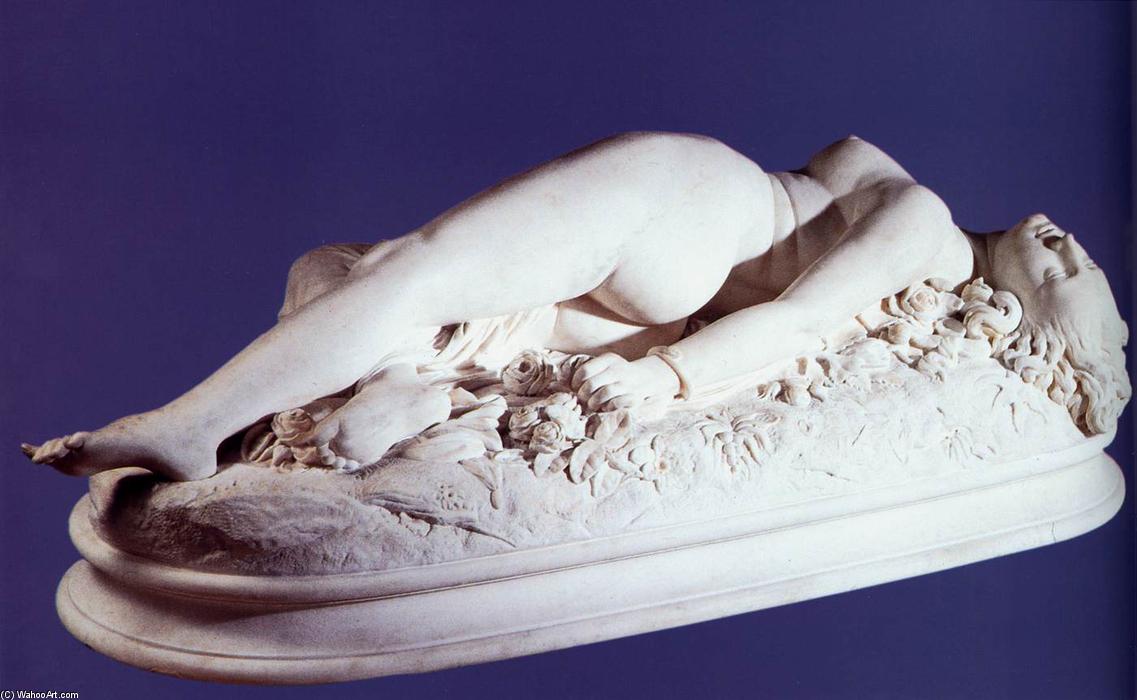
Woman Bitten by a Snake

- 56.0 x 180.0 cm


 Vezi mai mult
Obțineți un fișier gata de imprimare care depășește cu mult calitatea previzualizării web. Fiecare imagine digitală pe care o vindem provine dintr-un master de înaltă rezoluție din baza noastră de date — având, de regulă, o lățime între 5.000 și 15.000 de pixeli — astfel încât să puteți printa în format mare, să decupați strâns sau să reproduceți detalii fine cu încredere.
Niciun fișier nu părăsește studioul nostru fără să fie tratat. Un expert digital verifică nuanțele de culoare în raport cu pictura originală și le corectează acolo unde este necesar, apoi îmbunătățește claritatea și detaliile folosind instrumente profesionale de retușare — rămânând întotdeauna fidel gestului pictural și stilului artistului. Rezultatul este o imagine care seamănă cu tabloul propriu-zis, nu cu o scanare filtrată.
Aprobați înainte de finalizare: expertul nostru vă va trimite imaginea prin e-mail în termen de 72 de ore pentru revizuire. Nu sunteți mulțumit? Solicitați îmbunătățiri sau corecturi, ori cereți o restituire a plății dacă calitatea nu este pe măsura așteptărilor.
Aceasta este calitatea pe care se bazează editorii, studiourile de design, galeriile și tipăriturile.
Imagine Digitală
Descărcați un fișier la rezoluție înaltă pentru afișare personală, imprimare și proiecte creative. ( Comută pe versiunea Print Comandă pictură realizată manual)
Inclus în fiecare comandă de imagini digitale
Livrare digitală de expertiză, garantată
Când alegeți OriginalUniqueArt.com, nu primiți doar o simplă imagine – primiți o operă de artă digitală îmbunătățită profesional, creată cu precizie și susținută de o garanție de satisfacție. Iată tot ceea ce primești odată cu comanda ta, în mod automat:

Livrare rapidă prin e-mail
Fișierul imaginii digitale la rezoluție înaltă vă va fi trimis prin e-mail în termen de 72 de ore de la finalizarea comenzii – gata pentru utilizare imediată.

Fișier digital optimizat prin IA
Opera ta de artă este optimizată profesional prin intermediul unor instrumente AI avansate și al editării manuale, asigurând un nivel maxim de detalii, claritate și acuratețe a culorilor.

Retransmitere gratuită pe viață
Ai șters sau ai pierdut din greșeală fișierul? Nu îți face griji – ți-l vom retrimite oricând, gratuit.

Fără taxe de import – Întotdeauna
Bucură-te instant de noua ta operă de artă, fără taxe vamale, taxe de import sau costuri de livrare – descărcările digitale sunt întotdeauna fără taxe.

Garanția acurateții culorilor
Asigurăm o reflectare cât mai fidelă a culorilor originale în imaginea ta digitală, prin utilizarea unor instrumente profesionale și a proceselor de gestionare a culorii.

Garanție de satisfacție de 100 de zile
Dacă nu sunteți mulțumit de imaginea digitală achiziționată, o vom revizui sau vă vom returna 100% în termen de 100 de zile – fără nicio întrebare.

Garanție de returnare 100% a banilor
Nu ești mulțumit? Primești rambursarea integrală în termen de 100 de zile de la primirea fișierului digital – fără nicio întrebare.

Reduceri pentru comenzi în volum
Cumpără 3 imagini, economisește 10% - Cumpără 5, economisește 15% - Cumpără 10+, economisește 20%. Ideal pentru proiecte creative, galerii și agenții.
A Serpent’s Embrace: Auguste Clésinger's *Woman Bitten by a Snake*
Auguste Clésinger’s 1847 marble sculpture, *Woman Bitten by a Snake*, is far more than a depiction of a dramatic, even unsettling, scene. It’s a potent distillation of Neoclassical ideals colliding with the burgeoning currents of Realism and Romanticism, a work that ignited controversy upon its debut at the Paris Salon and continues to hold an undeniable allure. The sculpture captures a moment of exquisite torment – a reclining nude female figure, her left arm entwined around a small serpent poised to deliver its venomous bite. The pose itself is crucial; it’s not one of passive suffering but of intense, almost ecstatic, vulnerability. Her body curves with a languid grace, yet every muscle seems taut with the sudden shock and pain of the attack. The drapery, meticulously carved to mimic the folds of luxurious fabric, cascades around her like a storm cloud, intensifying the drama and obscuring details while simultaneously emphasizing the contours of her form.
Neoclassical Roots, Romantic Intensity
Clésinger’s style firmly anchors *Woman Bitten by a Snake* within the Neoclassical tradition. The idealized beauty of the figure—a deliberate echo of classical sculpture—is evident in her balanced proportions and serene expression (despite the obvious distress). However, beneath this surface lies a distinctly Romantic sensibility. The heightened emotion, the dramatic lighting that casts deep shadows across her face and body, and the unsettling subject matter – a venomous bite – all point to an exploration of intense feeling and psychological depth, qualities often associated with the Romantic movement. The sculpture wasn’t simply about depicting a beautiful woman; it was about conveying a powerful emotional experience.
The Scandal and the Secret: A Life-Cast Revelation
The initial reception of *Woman Bitten by a Snake* at the 1847 Salon was explosive, not for its artistic merit alone, but due to a scandalous revelation. Theophile Gautier, a prominent literary critic and staunch defender of artistic integrity, exposed a secret behind Clésinger’s creation: the sculpture was based on a life-cast taken from Apollonie Sabatier, a celebrated *demi-mondaine* (a fashionable courtesan) who was also the muse of Charles Baudelaire. This practice of using actual models—particularly those with imperfections like cellulite – was considered highly unorthodox and even vulgar at the time. The revelation fueled public outrage, accusing Clésinger of exploiting his model’s physical flaws for artistic gain. The controversy surrounding the life-cast underscored a broader debate about the role of realism in art and the ethical considerations of representing the human body.
Symbolism and Interpretation: Venom, Beauty, and Desire
Beyond the scandal, *Woman Bitten by a Snake* is rich with symbolic meaning. The serpent itself is an ancient symbol of temptation, danger, and transformation – often associated with both death and rebirth. The bite represents not just physical pain but also a profound psychological wound, a loss of innocence or a confrontation with forbidden desires. The reclining pose suggests vulnerability and surrender, while the figure’s expression hints at a complex mixture of fear, pleasure, and resignation. Some scholars interpret the sculpture as an allegory for the perils of beauty and the seductive power of desire, suggesting that even in its idealized form, the female body remains susceptible to harm and corruption. The choice of marble, known for its durability and timelessness, further elevates the image, imbuing it with a sense of permanence and enduring fascination.
This reproduction captures the essence of Clésinger’s masterpiece, offering a stunning addition to any art collection or interior space. Its dramatic composition and evocative symbolism will undoubtedly spark conversation and admiration for years to come.
Întrebări și răspunsuri
În ce muzeu se află originalul "Woman Bitten by a Snake"?
Originalul "Woman Bitten by a Snake" de Auguste Clésinger este păstrat la Muzeul d'Orsay, Paris, France. O reproducere permite expunerea operei în propria locuință.
De unde provin vizitatorii "Woman Bitten by a Snake" de Auguste Clésinger?
Există o pagină de Statistici pentru "Woman Bitten by a Snake". Aceasta prezintă graficul vizitelor lunare pentru această operă și pentru celelalte lucrări ale artistului, cu detalii pe țări și limbi vorbite.
Care este utilizarea recomandată pentru o printă a lucrării "Woman Bitten by a Snake"?
O reproducere a operei "Woman Bitten by a Snake" de Auguste Clésinger este recomandată pentru Statement. Această sugestie derivă din subiectul, atmosfera și culorile lucrării.
Biografie artist
Auguste Clésinger: Life and Legacy
Early Life and Training
- Born: October 22, 1814, in Besançon, France.
- Auguste Clésinger came from an artistic family; his father, Georges-Philippe Clésinger, was a sculptor who provided Auguste with his initial training.
- This early exposure instilled in him a foundational understanding of sculptural techniques and aesthetics.
Artistic Development and Style
- Clésinger’s artistic style evolved through the 19th century, initially embracing Neoclassical principles but gradually incorporating elements of Realism and Romanticism.
- He skillfully blended technical precision with emotional intensity in his works.
- His sculptures often depict dramatic narratives and sensuous figures, showcasing a mastery of anatomy and form.
Major Works and Achievements
- Woman Bitten by a Serpent (1847): This sculpture caused a sensation at the Paris Salon due to its dramatic realism and erotic undertones. It was modeled from life casts of Apollonie Sabatier.
- Madame Sabatier (1847): A marble portrait of his model, Apollonie Sabatier, further establishing Clésinger’s reputation for capturing beauty and sensuality.
- Chopin's Funerary Monument (1850): Commissioned after the composer Frédéric Chopin’s death, this white marble monument at Père Lachaise Cemetery is a poignant tribute to the musician.
- Angel of Grief: A deeply moving sculpture embodying Baroque drama and pathos.
- He also created busts of prominent figures like Rachel Félix and Théophile Gautier, and a statue of Louise of Savoy.
Influences and Relationships
- Influenced by: His father, Georges-Philippe Clésinger, provided his initial artistic foundation.
- Clésinger’s association with Apollonie Sabatier, a salonnière and mistress of several prominent artists including Charles Baudelaire, exposed him to intellectual and artistic circles.
- His marriage in 1847 to Solange Dudevant, daughter of George Sand, further connected him to literary society.
Historical Significance and Legacy
- Clésinger’s work reflects the artistic currents of 19th-century France, bridging Neoclassicism with emerging Realist tendencies.
- Recognition: He received the Knight's Cross of the Légion d'honneur in 1849 and was promoted to Officer in 1864.
- His sculptures continue to be admired for their technical skill, emotional depth, and dramatic impact. His works are displayed at prominent museums such as the Musée d’Orsay.
- Death: He died on January 5, 1883, in Paris, and is buried in Père Lachaise Cemetery.

Auguste Clésinger
1814 - 1883 , France
Detalii rapide
- Birth Date: 1814-10-22
- Death Date: 1883-01-05
- Influenced: None, 'influenced by': 'Georges-Philippe Clésinger (father)', 'movement': ['Realism', 'Romanticism'], 'name': 'Auguste Clésinger', 'nationality': 'French', 'notable works': ['Woman Bitten by a Serpent', 'Angel of Grief', 'Madame Sabatier',
- Birth Place: Besançon, France
- Date Of Birth: 1814
- Date Of Death: 1883
- Place Of Birth: Besançon, France