
 Vezi în context
 Trimite
 Distribuie
 Detalii
 Ghidul

 Descarcă
 Produse similare
 Radiografie
 Diaporama
 Statistici
Без заглавие


 Citește mai mult
Lucrarea de artă afișată pe această pagină este protejată de legile privind drepturile de autor, ceea ce înseamnă că nu putem crea sau vinde în mod legal o reproducere identică. Această protecție este garantată prin acorduri internaționale, precum Convenția de la Berna și de legile naționale, inclusiv cele prevăzute de Legea dreptului de autor din S.U.A. – Titlul 17. Toate drepturile rezervate. Orice reproducere neautorizată este interzisă.
Această metodă respectă pe deplin reglementările privind drepturile de autor, deoarece nu implică copierea sau duplicarea operei protejate. În schimb, este o reinterpretare creativă – o pictură nouă, influențată de original, dar care nu este identică cu acesta.
Giclée / Imprimare artistică
Printuri giclée sau pe canvas de calitate muzeală, cu proces de producție rapid și opțiuni flexibile de finisare. ( Comandă pictură realizată manual Treci la imagine digitală)




P118B lei10

P118H lei10

P118W lei10

P438Z lei10

P508JH lei12

P508YH lei12

P805H lei10

P805Z lei10

P919BZ lei10

P919G lei10

P919XJ lei10

P959ZH lei10

P968JZ lei12

W106C lei8

W218G lei10

W218JH lei8

W218Y lei10

W307PJ lei10

W316G lei10

W316PJ lei8

W316Y lei10

W398PJ lei8

W4111J lei10

W500HY lei15

W500JH lei15

W692G lei12

W849H lei8

W940BG lei15

W953PJ lei8




Alegeți dintre dimensiunile noastre prestabilite, care respectă proporțiile originale ale operei de artă.

Introduceți lățimea și înălțimea de care aveți nevoie, pentru a se potrivi ramei sau peretelui dumneavoastră. O printare poate fi doar tăiată, niciodată extinsă dincolo de dimensiunea imaginii originale, astfel încât o dimensiune cu o formă diferită va pierde o parte din imagine. Vă trimitem o simulare digitală pentru aprobare înainte de a imprima orice. Imaginea afișată pe această pagină nu prezintă tăierea reală — doar simularea arată acest lucru.
Livrare în întreaga lume () în 2 săptămâni, în loc de cele 4/5 săptămâni standard. (25 Octombrie)

Livrare expres gratuită la nivel mondial

Pânză de in premium

Asigurare completă pentru transport

Garanție de rambursare a taxelor vamale

Garanția fidelității culorilor

Politica de retur în 100 de zile (doar pentru defecte)

Garanție de rambursare 100%

Reducere pentru comenzi multiple
 Opțiunea cu sticlă este disponibilă doar pentru dimensiuni de sub 110 cm

Без заглавие
Giclée / Imprimare artistică
Dimensiune reproducere
-


Preț total
lei 370
George Orwell: A Life Forged in Defiance
George Orwell, born Eric Arthur Blair on June 25, 1903, in Motihari, British India, remains one of the most profoundly influential writers and thinkers of the 20th century. His life was a testament to restless energy, unwavering commitment to social justice, and a deeply skeptical view of power – qualities that found their most potent expression in his seminal works, *Animal Farm* and, above all, *Nineteen Eighty-Four*. Orwell’s early years were shaped by a privileged but emotionally distant upbringing. His father, George Halliday Blair, was an Indian Civil Service officer, and his mother, Agnes Conway, was a devout Anglican. He spent much of his childhood in Burma, serving as a police constable – an experience that profoundly impacted his worldview, exposing him to the realities of colonial rule and its inherent inequalities. This early exposure instilled within him a critical eye towards authority and a deep empathy for those marginalized byThe Genesis of Orwell’s Vision
Orwell's formative years in Burma served as crucial catalyst for his intellectual development. Witnessing firsthand the oppressive nature of British colonialism ignited a fervent desire to challenge established hierarchies and champion the rights of vulnerable populations. This conviction permeated his subsequent literary endeavors, informing his meticulous observation of social dynamics and his unflinching portrayal of totalitarian regimes. The disillusionment stemming from colonial service fueled his belief that language itself could be manipulated as a tool of control—a concept central to *Nineteen Eighty-Four*, where Winston Smith’s struggle against the Party underscores the importance of independent thought and resistance.Animal Farm: Allegory and Satire
*Animal Farm*, Orwell's masterpiece, transcends mere storytelling; it operates as a masterful allegory critiquing Stalinist Russia and broader societal injustices. Through anthropomorphic animals inhabiting Manor Farm—representing the Russian peasantry—Orwell skillfully dismantles myths of utopian ideals while exposing the insidious corruption of power. The narrative’s deceptively simple prose belies its profound commentary on propaganda, manipulation, and the erosion of individual liberty. Orwell's use of symbolism—particularly Napoleon’s ascent to leadership mirroring Stalin’s consolidation of control—solidifies *Animal Farm*'s enduring relevance as a cautionary tale about political ambition and the dangers of unquestioning obedience.Nineteen Eighty-Four: A Dystopian Nightmare
*Nineteen Eighty-Four*, Orwell's chilling dystopian novel, cemented his reputation as a visionary chronicler of human suffering under oppressive regimes. Set in Oceania—a totalitarian state ruled by the Party—the story depicts Winston Smith’s desperate attempt to reclaim autonomy amidst pervasive surveillance and psychological manipulation. Orwell meticulously constructs a world devoid of privacy, where thoughtcrime is punishable and history is rewritten to serve the Party's agenda. The novel’s exploration of themes like fear, propaganda, and social conditioning continues to resonate powerfully today, prompting reflection on the fragility of freedom and the importance of safeguarding intellectual integrity.Style and Technique: Orwell’s Distinctive Voice
Orwell’s writing style is characterized by clarity, precision, and understated emotional intensity. He eschews ornate prose in favor of directness—a deliberate choice designed to convey his ideas with unwavering conviction. His meticulous attention to detail—particularly in depicting the psychological torment experienced by Winston Smith—demonstrates a profound understanding of human behavior under duress. Orwell’s use of journalistic observation blended seamlessly with literary imagination distinguishes him from many contemporaries, establishing a unique voice that remains instantly recognizable and profoundly impactful.Legacy and Enduring Influence
George Orwell's legacy extends far beyond his literary achievements; he became an icon of intellectual resistance and moral courage. His unwavering commitment to truthfulness—embodied in his autobiographical works like *Down and Out in Paris and London*—served as inspiration for generations of writers and activists. Orwell’s enduring influence is evident in countless films, plays, and artistic interpretations that grapple with themes of totalitarianism, surveillance, and the importance of safeguarding human dignity. He remains a timeless reminder that vigilance against oppression requires critical thinking and an unwavering belief in the power of individual conscience—a message as pertinent today as it was during his lifetime.Întrebări și răspunsuri
Ce fel de culori folosește "Без заглавие"?
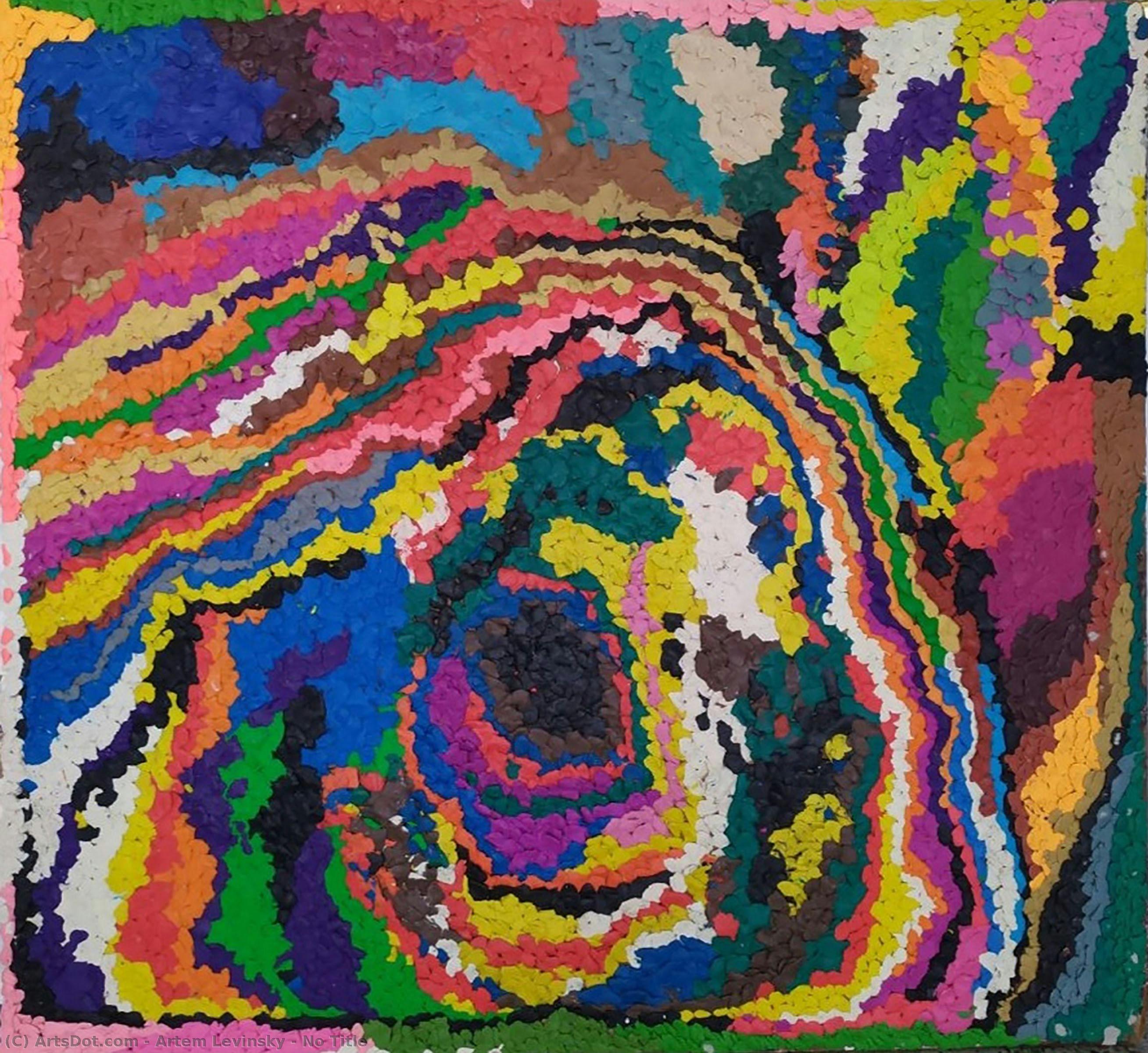
Culorile din "Без заглавие" formează o paletă Nuanțe închise. Această clasificare descrie familiile de culori dominante.
Ce nivel de saturație a culorilor are "Без заглавие" de Artem Levinsky?
Paleta lucrării "Без заглавие" are o saturație de Prezență clară a culorii.
Ce tip de operă de artă este "Без заглавие" de Artem Levinsky?
În catalog, "Без заглавие" de Artem Levinsky este clasificat ca Artă de perete. Această categorie ajută la găsirea unor lucrări similare.
Articole conexe

The Enduring Form: Sculpture Across History, Technique & Emotional Resonance
Explore the rich history of sculpture with OriginalUniqueArt. Discover key techniques, influential artists & investment potential for discerning collectors. Expert insights into valuing and collecting timeless masterpieces.
Moștenirea Durabilă a Sculpturii în Bronz: Istorie, Tehnici și Interpretări Contemporane
Descoperiți istoria fascinantă și tehnicile complexe ale sculpturii în bronz. Ghid complet pentru colecționari, investitori și pasionați de artă. Aflați despre artiști renumiți și tendințele contemporane.

Top 10 Capodopere din Bronz care au Revoluționat Arta – Inspirație pentru Decor
Descoperă Top 10 sculpturi din bronz care au schimbat istoria artei! Explorează operele lui Rodin, Michelangelo și alți maeștri, tehnicile lor unice și inspirația pentru decorul casei tale. Replici de calitate muzeală pe OriginalUniqueArt.com.

Top 10 Capodopere din Bronz care au Revoluționat Arta | OriginalUniqueArt.ro
Descoperiți Top 10 capodopere din bronz care au revoluționat arta! Rodin, Michelangelo și alții. Aflați istoria sculpturilor clasice și inspirație pentru decorul casei dvs. Reproduceri de artă de calitate muzeală pe OriginalUniqueArt.com

The Enduring Form: Exploring Themes & Techniques in Sculpture Across Historical Periods
Explore the rich history of sculpture from ancient masterpieces to contemporary innovations. Discover key techniques, influential artists & investment potential for discerning art collectors.
