

 Previzualizare
 Trimite prin felicitare
 Distribuie
 Detalii despre lucrare
 Ghid
Ghid

 Descarcă imaginea
 Produse similare
 Radiografie
 Galerie foto
 Statistici
Crosshatch

 Vezi mai mult
Lucrarea de artă afișată pe această pagină este protejată de legile privind drepturile de autor, ceea ce înseamnă că nu putem crea sau vinde în mod legal o reproducere identică. Această protecție este garantată prin acorduri internaționale, precum Convenția de la Berna și de legile naționale, inclusiv cele prevăzute de Legea dreptului de autor din S.U.A. – Titlul 17. Toate drepturile rezervate. Orice reproducere neautorizată este interzisă.
Această metodă respectă pe deplin reglementările privind drepturile de autor, deoarece nu implică copierea sau duplicarea operei protejate. În schimb, este o reinterpretare creativă – o pictură nouă, influențată de original, dar care nu este identică cu acesta.
Giclée / Imprimare artistică
Printuri giclée sau pe canvas de calitate muzeală, cu proces de producție rapid și opțiuni flexibile de finisare. ( Comandă pictură realizată manual Comută pe Imagine Digitală)




































Alegeți dintre dimensiunile noastre prestabilite, care respectă proporțiile originale ale operei de artă.

Introduceți lățimea și înălțimea necesare pentru a se potrivi ramei sau peretelui dumneavoastră. O printare poate fi doar tăiată, niciodată extinsă dincolo de dimensiunea imaginii originale, astfel încât o dimensiune cu o formă diferită va pierde o parte din imagine. Vă trimitem o simulare digitală pentru aprobare înainte de a imprima orice. Imaginea afișată pe această pagină nu prezintă tăierea reală — doar simularea arată acest lucru.
Livrare în întreaga lume () în 2 săptămâni, în loc de cele 4/5 săptămâni standard. (28 Octombrie)

Livrare expres gratuită la nivel mondial

Pânză de in de înaltă calitate

Asigurare completă pentru transport

Garanție de rambursare a taxelor vamale

Garanția fidelității culorilor

Politica de retur în 100 de zile (doar pentru defecte de fabricație)

Garanție de rambursare 100%

Ofertă pentru comenzi multiple
 Opțiunea cu sticlă este disponibilă doar pentru dimensiuni de sub 110 cm

Crosshatch
Giclée / Imprimare artistică
Dimensiune reproducere
-


Preț total calculat
lei 371
A Striking Encounter: "Crosshatch" by Alexander Milne Calder
This captivating painting, currently residing within the esteemed Smithsonian American Art Museum, presents a unique and visually arresting depiction of two birds perched atop one another. Rendered in a striking palette of red, yellow, and black, these aren't your typical feathered creatures; they possess an almost industrial aesthetic, appearing to be constructed from wire or metal. This unconventional material choice immediately elevates the work beyond simple representation, hinting at a deeper exploration of form, texture, and artistic interpretation. The birds’ beaks gently touching creates a sense of intimacy and connection despite their seemingly rigid construction.Style & Technique: Bridging Realism and Abstraction
Alexander Milne Calder's style in "Crosshatch" demonstrates a fascinating bridge between realism and abstraction. While the subject matter – birds – is readily identifiable, the execution deviates significantly from traditional naturalistic painting. The use of bold colors and the implied materiality (wire or metal) suggest an influence of early modernism, particularly movements exploring industrial aesthetics and geometric forms. The technique itself remains somewhat enigmatic without further documentation; however, the sharp contrasts in color and the defined lines likely contribute to the overall sense of structure and deliberate design. It’s a testament to Calder's ability to transform familiar subjects into compelling artistic statements.Historical Context & The Calder Legacy
Born in Aberdeen, Scotland in 1898, Alexander Milne Calder established himself as a significant sculptor, particularly known for his architectural contributions to Philadelphia City Hall. "Crosshatch," though seemingly simple, reflects the burgeoning artistic experimentation of the early 20th century. Importantly, it places this work within a remarkable family legacy: both his son, Alexander Stirling Calder, and grandson, Alexander "Sandy" Calder, achieved international acclaim as sculptors, notably for their kinetic sculptures. Understanding this familial context highlights the enduring influence of artistic exploration passed down through generations, demonstrating a shared commitment to innovative form and challenging conventional representation. The painting’s presence in the Smithsonian American Art Museum further underscores its historical and cultural importance within the landscape of American art.Symbolism & Emotional Impact
The symbolism inherent in "Crosshatch" is open to interpretation, adding layers of intrigue for the viewer. The birds themselves often represent freedom, communication, or even spiritual connection. Their metallic appearance could symbolize the intersection of nature and industry, reflecting the rapid technological advancements of Calder’s time. The act of perching atop one another, beaks touching, suggests interdependence, harmony, or perhaps a quiet moment of shared existence. Emotionally, the painting evokes a sense of both strength and fragility – the birds are robust in their construction yet possess an undeniable vulnerability. It's a work that invites contemplation on themes of connection, resilience, and the beauty found within unexpected forms.Întrebări și răspunsuri
Pot vedea "Crosshatch" de Alexandru Milne Calder sub diferite lumini?
Vizualizarea X-Ray a operei "Crosshatch" de Alexandru Milne Calder este disponibilă pe pagina Raze X a lucrării: o examinare interactivă a imaginii prin unsprezece straturi optice.
Cum se îmbină stilul și epoca în "Crosshatch" de Alexandru Milne Calder?
„Crosshatch” aparține mișcării Abstract Expressionism, iar creatorul său a activat în epoca Era modernă.
Unde pot găsi statistici despre "Crosshatch" de Alexandru Milne Calder?
Există o pagină de Statistici pentru "Crosshatch". Aceasta prezintă graficul vizitelor lunare pentru această operă și pentru celelalte lucrări ale artistului, cu detalii pe țări și limbi vorbite.
Biografie artist
Introduction to Alexander Milne Calder
Alexander Milne Calder (MILL-nee) was a Scottish American sculptor born in Aberdeen, Scotland, on August 23, 1846. He is best known for his architectural sculpture of Philadelphia City Hall and both his son, Alexander Stirling Calder, and grandson, Alexander ‘Sandy’ Calder, became significant sculptors in the 20th century. His artistic journey began with a formative influence from his father, John Rhind, a sculptor who instilled in him an early appreciation for stone carving during his childhood years. Calder attended the Royal Academy in Edinburgh where he honed his skills and studied alongside fellow artists, shaping his understanding of classical sculpture traditions. He subsequently moved to London and collaborated on monumental projects like the Albert Memorial, demonstrating his versatility and ambition as a craftsman.- Early Life and Education: Calder’s upbringing in Aberdeen exposed him to the craft of stone carving from a young age, profoundly impacting his artistic sensibilities.
- Royal Academy Training: His studies at the Royal Academy provided foundational knowledge in sculpture techniques and broadened his artistic horizons.
- London Collaborations: Calder’s involvement with the Albert Memorial showcased his ability to execute large-scale architectural sculptures, cementing his reputation as a skilled artist.
Career Highlights
Calder's professional life unfolded in stages marked by pivotal commissions and collaborations. He secured a prominent role on the construction of Philadelphia City Hall, undertaking an ambitious project that demanded meticulous attention to detail and involved crafting over 250 pieces—primarily marble and bronze—spanning two decades. This monumental endeavor solidified his position as one of Scotland’s foremost sculptors. Furthermore, he was entrusted with creating William Penn, a colossal statue honoring Pennsylvania's founder atop City Hall’s tower, showcasing his mastery of sculptural form and symbolism. Calder’s artistic vision extended beyond architectural projects; he produced striking sculptures like *Indian Figure*, reflecting his engagement with indigenous cultures and artistic experimentation.- Philadelphia City Hall Commission: Calder’s dedication to this project resulted in a masterpiece of architectural sculpture, demonstrating his commitment to ambitious artistic endeavors.
- William Penn Statue: The creation of William Penn exemplifies Calder's ability to convey historical significance through monumental sculptural representations.
- *Indian Figure*: This sculpture embodies Calder’s exploration of cultural influences and innovative artistic techniques.
Notable Sculptures
Calder’s oeuvre encompasses a diverse range of artworks characterized by both static and kinetic forms. Among his most celebrated creations are the illuminated portals of Philadelphia City Hall, adorned with colored lights—a testament to Calder's meticulous craftsmanship and artistic flair. He also produced *Spirale*, a towering sculpture commissioned for UNESCO headquarters in Paris, reflecting his engagement with contemporary art trends and architectural innovation. His final masterpiece, *Flamingo*, stands proudly at Chicago’s Federal Center Plaza, symbolizing Calder’s enduring legacy as one of America's most influential sculptors.- Philadelphia City Hall Portals: Calder’s incorporation of colored lights into these portals exemplifies his artistic attention to detail and visual impact.
- *Spirale*: This monumental sculpture commissioned for UNESCO headquarters demonstrates Calder’s ability to create impactful artworks that resonate with global audiences.
- *Flamingo*: Calder's final sculpture at Chicago’s Federal Center Plaza represents his enduring contribution to American art history.
Legacy and Influence
Alexander Milne Calder’s impact on the artistic landscape extends beyond his own creations. His son, Alexander Stirling Calder, and grandson, Alexander ‘Sandy’ Calder, followed in his footsteps as sculptors, perpetuating a lineage of artistic excellence. Calder's pioneering approach to sculpture—particularly his exploration of kinetic art and chance—inspired generations of artists and continues to influence contemporary sculptural practices. He remains revered for his unwavering dedication to artistic innovation and his profound contribution to the visual arts. “Theories may be all very well for the artist himself, but they shouldn't be broadcast to other people.”
Alexandru Milne Calder
1898 - 1976 , Regatul Unit
Detalii rapide
- Artistic Movement Or Style: Architectural sculpture
- Artists Who Influenced This Artist: ['John Rhind']
- Date Of Birth: August 23, 1846
- Date Of Death: June 14, 1923
- Full Name: Alexander Milne Calder
- Nationality: Scottish-American
- Notable Artworks:
- Philadelphia City Hall
- William Penn statue
- Place Of Birth: Aberdeen, United Kingdom
Articole similare

The Enduring Form: Sculpture Across History, Technique & Emotional Resonance
Explore the rich history of sculpture with OriginalUniqueArt. Discover key techniques, influential artists & investment potential for discerning collectors. Expert insights into valuing and collecting timeless masterpieces.

The Enduring Form: Exploring Themes & Techniques in Sculpture Across Historical Periods
Explore the rich history of sculpture from ancient masterpieces to contemporary innovations. Discover key techniques, influential artists & investment potential for discerning art collectors.
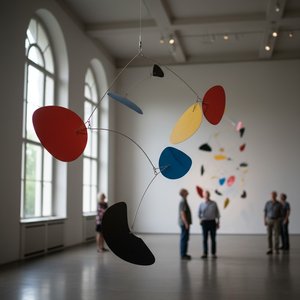
Alexander Calder: Kinetic Sculpture, Mobile Art & the Poetics of Chance
Explore the revolutionary world of Alexander Calder's kinetic sculptures & mobiles. Discover insights for collectors, acquisition advice, and the enduring legacy of this modern master. Expert analysis & art valuation.

Top 10 Capodopere din Bronz care au Revoluționat Arta | OriginalUniqueArt.ro
Descoperiți Top 10 capodopere din bronz care au revoluționat arta! Rodin, Michelangelo și alții. Aflați istoria sculpturilor clasice și inspirație pentru decorul casei dvs. Reproduceri de artă de calitate muzeală pe OriginalUniqueArt.com

Top 10 Capodopere din Bronz care au Revoluționat Arta – Inspirație pentru Decor
Descoperă Top 10 sculpturi din bronz care au schimbat istoria artei! Explorează operele lui Rodin, Michelangelo și alți maeștri, tehnicile lor unice și inspirația pentru decorul casei tale. Replici de calitate muzeală pe OriginalUniqueArt.com.
