

 Vezi în context
 Trimite
 Distribuie
 Detalii
 Ghidul

 Descarcă
 Produse similare
 Radiografie
 Diaporama
 Statistici
Calder's Circus


 Citește mai mult
Lucrarea de artă afișată pe această pagină este protejată de legile privind drepturile de autor, ceea ce înseamnă că nu putem crea sau vinde în mod legal o reproducere identică. Această protecție este garantată prin acorduri internaționale, precum Convenția de la Berna și de legile naționale, inclusiv cele prevăzute de Legea dreptului de autor din S.U.A. – Titlul 17. Toate drepturile rezervate. Orice reproducere neautorizată este interzisă.
Această metodă respectă pe deplin reglementările privind drepturile de autor, deoarece nu implică copierea sau duplicarea operei protejate. În schimb, este o reinterpretare creativă – o pictură nouă, influențată de original, dar care nu este identică cu acesta.
Giclée / Imprimare artistică
Printuri giclée sau pe canvas de calitate muzeală, cu proces de producție rapid și opțiuni flexibile de finisare. ( Comandă pictură realizată manual Treci la imagine digitală)




P118B lei10

P118H lei10

P118W lei10

P438Z lei10

P508JH lei12

P508YH lei12

P805H lei10

P805Z lei10

P919BZ lei10

P919G lei10

P919XJ lei10

P959ZH lei10

P968JZ lei12

W106C lei8

W218G lei10

W218JH lei8

W218Y lei10

W307PJ lei10

W316G lei10

W316PJ lei8

W316Y lei10

W398PJ lei8

W4111J lei10

W500HY lei15

W500JH lei15

W692G lei12

W849H lei8

W940BG lei15

W953PJ lei8




Alegeți dintre dimensiunile noastre prestabilite, care respectă proporțiile originale ale operei de artă.

Type the width and the height you need, to fit your frame or your wall. A print can only be cut, never made bigger than the picture, so a size with a different shape loses a part of the image. We send you a digital mockup to approve before we print anything. The picture shown on this page does not show the real cut — only the mockup does.
Livrare în întreaga lume () în 2 săptămâni, în loc de cele 4/5 săptămâni standard. (14 Octombrie)

Livrare expres gratuită la nivel mondial

Pânză de in premium

Asigurare completă pentru transport

Garanție de rambursare a taxelor vamale

Garanția fidelității culorilor

Politica de retur în 100 de zile (doar pentru defecte)

Garanție de rambursare 100%

Reducere pentru comenzi multiple
 Opțiunea cu sticlă este disponibilă doar pentru dimensiuni de sub 110 cm

Calder's Circus
Giclée / Imprimare artistică
Dimensiune reproducere
-


Preț total
lei 365
Alexander Milne Calder's Miniature Circus: A Testament to Precision and Play
Alexander Milne Calder’s “Calder’s Circus,” created in 1931, is more than just a charming miniature scene; it’s a meticulously crafted meditation on movement, spectacle, and the enduring allure of childhood dreams. Born in Aberdeen, Scotland, in 1898, Calder’s journey from architectural sculpture to the creation of these intricate tabletop worlds reveals a lifelong fascination with balance, form, and the expressive potential of space. This particular piece, a testament to his burgeoning skill and artistic vision, captures the vibrant energy of a circus performance within a remarkably compact scale.
The photograph itself presents a world meticulously rendered in miniature. The central circus ring, a three-tiered stage for fantastical acts, immediately draws the eye. Each performer – acrobats poised on ropes, a figure balancing with breathtaking poise, and perhaps even a clown amidst the organized chaos – is imbued with a sense of dynamic action frozen in time. Calder’s genius lies not just in depicting these figures but in conveying their movement through subtle shifts in posture and the carefully considered placement of each element. The dark background serves to amplify the richness of the colors employed, creating a dramatic contrast that enhances the visual impact.
Technique and Materials: A Masterclass in Miniature
Calder’s technique is characterized by an almost obsessive attention to detail. The craftsmanship displayed here is extraordinary, utilizing a variety of materials and textures to achieve remarkable depth within the miniature world. Notice the varied patterns and colors of the performers' costumes – each suggesting a distinct character or act, inviting the viewer to imagine the unfolding spectacle. The flooring, rendered in a realistic wooden texture, contrasts beautifully with the smooth finish of the ropes and banners, further emphasizing the tactile quality of the piece. This careful manipulation of materials speaks to Calder’s dedication to realism within his abstract forms.
The use of bold lettering – “CIRCUS” emblazoned across the flags – adds a layer of theatricality, reinforcing the theme of performance and spectacle. The placement of these banners, along with the surrounding poles, contributes to the overall sense of organized chaos that defines a circus environment. It’s clear Calder wasn't simply replicating a scene; he was constructing an illusion, a carefully orchestrated representation of a beloved tradition.
Symbolism and Historical Context
"Calder’s Circus" reflects the broader artistic trends of the early 20th century, particularly the rise of Surrealism and Dadaism. While Calder wouldn't be formally associated with these movements, his work shares their emphasis on playful distortion, dreamlike imagery, and a rejection of traditional representational norms. The circus itself has long been a potent symbol – representing escape, illusion, and the triumph of imagination over reality. Created in 1931, during the Great Depression, this piece may also be interpreted as a nostalgic yearning for simpler times and a celebration of human ingenuity and entertainment.
This miniature circus is a captivating example of Alexander Milne Calder’s artistic talent and his ability to transform everyday subjects into extraordinary works of art. A hand-painted reproduction offers an unparalleled opportunity to bring this intricate scene into your home, adding a touch of whimsy, elegance, and historical significance to any interior space.
Întrebări și răspunsuri
Ce loc ocupă "Calder's Circus" de Alexandru Milne Calder în istoria artei?
Clasificarea istorică a operei "Calder's Circus" de Alexandru Milne Calder este Kinetic Sculpture, din perioada 19th Century.
Ce emoție transmite "Calder's Circus" atunci când este oferită ca cadou?
Tonul Joyful al operei "Calder's Circus" de Alexandru Milne Calder se potrivește cu ocazia de cadou recomandată: Birthday.
Care sunt autorul și data creației pentru "Calder's Circus"?
Autorul operei „Calder's Circus” este Alexandru Milne Calder, iar lucrarea datează din 1931.
Biografie artist
Introduction to Alexander Milne Calder
Alexander Milne Calder (MILL-nee) was a Scottish American sculptor born in Aberdeen, Scotland, on August 23, 1846. He is best known for his architectural sculpture of Philadelphia City Hall and both his son, Alexander Stirling Calder, and grandson, Alexander ‘Sandy’ Calder, became significant sculptors in the 20th century. His artistic journey began with a formative influence from his father, John Rhind, a sculptor who instilled in him an early appreciation for stone carving during his childhood years. Calder attended the Royal Academy in Edinburgh where he honed his skills and studied alongside fellow artists, shaping his understanding of classical sculpture traditions. He subsequently moved to London and collaborated on monumental projects like the Albert Memorial, demonstrating his versatility and ambition as a craftsman.- Early Life and Education: Calder’s upbringing in Aberdeen exposed him to the craft of stone carving from a young age, profoundly impacting his artistic sensibilities.
- Royal Academy Training: His studies at the Royal Academy provided foundational knowledge in sculpture techniques and broadened his artistic horizons.
- London Collaborations: Calder’s involvement with the Albert Memorial showcased his ability to execute large-scale architectural sculptures, cementing his reputation as a skilled artist.
Career Highlights
Calder's professional life unfolded in stages marked by pivotal commissions and collaborations. He secured a prominent role on the construction of Philadelphia City Hall, undertaking an ambitious project that demanded meticulous attention to detail and involved crafting over 250 pieces—primarily marble and bronze—spanning two decades. This monumental endeavor solidified his position as one of Scotland’s foremost sculptors. Furthermore, he was entrusted with creating William Penn, a colossal statue honoring Pennsylvania's founder atop City Hall’s tower, showcasing his mastery of sculptural form and symbolism. Calder’s artistic vision extended beyond architectural projects; he produced striking sculptures like *Indian Figure*, reflecting his engagement with indigenous cultures and artistic experimentation.- Philadelphia City Hall Commission: Calder’s dedication to this project resulted in a masterpiece of architectural sculpture, demonstrating his commitment to ambitious artistic endeavors.
- William Penn Statue: The creation of William Penn exemplifies Calder's ability to convey historical significance through monumental sculptural representations.
- *Indian Figure*: This sculpture embodies Calder’s exploration of cultural influences and innovative artistic techniques.
Notable Sculptures
Calder’s oeuvre encompasses a diverse range of artworks characterized by both static and kinetic forms. Among his most celebrated creations are the illuminated portals of Philadelphia City Hall, adorned with colored lights—a testament to Calder's meticulous craftsmanship and artistic flair. He also produced *Spirale*, a towering sculpture commissioned for UNESCO headquarters in Paris, reflecting his engagement with contemporary art trends and architectural innovation. His final masterpiece, *Flamingo*, stands proudly at Chicago’s Federal Center Plaza, symbolizing Calder’s enduring legacy as one of America's most influential sculptors.- Philadelphia City Hall Portals: Calder’s incorporation of colored lights into these portals exemplifies his artistic attention to detail and visual impact.
- *Spirale*: This monumental sculpture commissioned for UNESCO headquarters demonstrates Calder’s ability to create impactful artworks that resonate with global audiences.
- *Flamingo*: Calder's final sculpture at Chicago’s Federal Center Plaza represents his enduring contribution to American art history.
Legacy and Influence
Alexander Milne Calder’s impact on the artistic landscape extends beyond his own creations. His son, Alexander Stirling Calder, and grandson, Alexander ‘Sandy’ Calder, followed in his footsteps as sculptors, perpetuating a lineage of artistic excellence. Calder's pioneering approach to sculpture—particularly his exploration of kinetic art and chance—inspired generations of artists and continues to influence contemporary sculptural practices. He remains revered for his unwavering dedication to artistic innovation and his profound contribution to the visual arts. “Theories may be all very well for the artist himself, but they shouldn't be broadcast to other people.”
Alexandru Milne Calder
1898 - 1976 , Regatul Unit
Informații rapide
- Artistic Movement Or Style: Architectural sculpture
- Artists Who Influenced This Artist: ['John Rhind']
- Date Of Birth: August 23, 1846
- Date Of Death: June 14, 1923
- Full Name: Alexander Milne Calder
- Nationality: Scottish-American
- Notable Artworks:
- Philadelphia City Hall
- William Penn statue
- Place Of Birth: Aberdeen, United Kingdom
Articole conexe

Top 10 Capodopere din Bronz care au Revoluționat Arta – Inspirație pentru Decor
Descoperă Top 10 sculpturi din bronz care au schimbat istoria artei! Explorează operele lui Rodin, Michelangelo și alți maeștri, tehnicile lor unice și inspirația pentru decorul casei tale. Replici de calitate muzeală pe OriginalUniqueArt.com.
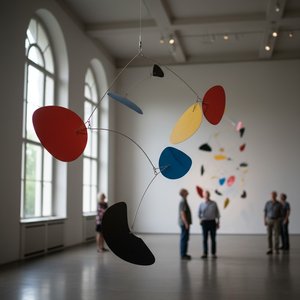
Alexander Calder: Kinetic Sculpture, Mobile Art & the Poetics of Chance
Explore the revolutionary world of Alexander Calder's kinetic sculptures & mobiles. Discover insights for collectors, acquisition advice, and the enduring legacy of this modern master. Expert analysis & art valuation.

The Enduring Form: Sculpture Across History, Technique & Emotional Resonance
Explore the rich history of sculpture with OriginalUniqueArt. Discover key techniques, influential artists & investment potential for discerning collectors. Expert insights into valuing and collecting timeless masterpieces.

The Enduring Form: Exploring Themes & Techniques in Sculpture Across Historical Periods
Explore the rich history of sculpture from ancient masterpieces to contemporary innovations. Discover key techniques, influential artists & investment potential for discerning art collectors.

Top 10 Capodopere din Bronz care au Revoluționat Arta | OriginalUniqueArt.ro
Descoperiți Top 10 capodopere din bronz care au revoluționat arta! Rodin, Michelangelo și alții. Aflați istoria sculpturilor clasice și inspirație pentru decorul casei dvs. Reproduceri de artă de calitate muzeală pe OriginalUniqueArt.com
