
Beethoven’s Dawn: A Pilgrimage to Bonn
Bonn, a city cradled by the Rhine, holds within its heart not just a rich history but also the genesis of one of music's most enduring legacies – Ludwig van Beethoven. The Beethoven-Haus, nestled in the very birthplace of this titan of sound, isn’t merely a museum; it’s an immersive experience, a journey back to the formative years that shaped a revolutionary composer. Stepping through its doors is akin to entering a living testament to artistic passion and relentless dedication, a space where the echoes of childhood dreams intertwine with the monumental achievements of a musical giant.
The building itself, a sandstone structure dating back to the mid-18th century, whispers tales of a bygone era. Originally conceived as a modest townhouse for Johann Baptist Cramer, Bonn’s court organist, it evolved into Beethoven's home, absorbing the rhythms and textures of his early life. The architecture isn’t grand or imposing; rather, its understated elegance – the carefully preserved details, the intimate proportions – provides a grounding counterpoint to the revolutionary spirit contained within. It’s a space that invites contemplation, fostering a sense of connection with both the composer and the city he called home. The careful restoration efforts have painstakingly recreated the domestic atmosphere of Beethoven's childhood, allowing visitors to almost hear the murmur of conversation, the scent of baking bread, and feel the warmth of family life – elements often overlooked in conventional historical accounts.
Treasures of a Boyhood: Unveiling Beethoven’s Legacy
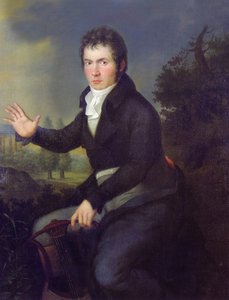
The heart of the Beethoven-Haus lies within its collection, a remarkably intimate assemblage of artifacts that offer an unparalleled glimpse into the boy who would become one of history's most celebrated composers. Dominating the space are original manuscripts – drafts of symphonies like No. 5 (“Fate”) and No. 9 (“Ode to Joy”), sketches for piano sonatas, and handwritten letters brimming with youthful ambition and burgeoning genius. These aren’t simply historical documents; they represent tangible fragments of Beethoven's creative process, revealing the painstaking dedication required to transform abstract musical ideas into enduring masterpieces. Alongside these manuscripts are reproductions of portraits depicting Beethoven at various stages – a young man radiating potential, a celebrated composer commanding respect, and an aging artist grappling with deafness—each image capturing a facet of his complex personality.
A particularly poignant element is the collection of educational materials used by Beethoven during his early years. These weren’t elaborate textbooks; rather, they were simple exercises, musical scores, and instructional pamphlets that reveal the rigorous training he endured under his father's strict tutelage. They paint a vivid picture of a young boy driven by an insatiable thirst for knowledge and a profound love for music – a foundation upon which his extraordinary talent would ultimately flourish. Furthermore, the museum showcases works by Nikolaus Lauer, a portrait painter who masterfully captured the essence of Bonn’s aristocratic society, offering invaluable insights into Beethoven's family life and upbringing through his evocative depictions.
The Chamber Music Hall: A Sonic Time Machine
What truly elevates the Beethoven-Haus beyond a conventional museum is its commitment to bringing Beethoven’s music to life within the very space where it originated. The chamber music hall, a beautifully restored room furnished with instruments reminiscent of those Beethoven would have known, serves as a powerful testament to his musical environment. Here, regular concerts are held featuring historic keyboards, meticulously recreating the sonic landscape of Beethoven's Bonn – a truly immersive experience that transcends mere listening and allows visitors to connect with the composer’s music on a visceral level.
Imagine hearing Schubert’s Piano Trio No. 8 in E-flat Major or Schumann’s Piano Quartet No. 1 in C minor performed on instruments crafted during Beethoven's lifetime – a remarkable opportunity to appreciate the nuances of his compositions as they were originally intended to be heard, within the intimate setting of his birthplace. The hall isn’t simply a performance space; it’s a portal, transporting visitors back in time and allowing them to witness the birth of musical innovation firsthand.
Beyond the Walls: Research and Digital Engagement
The Beethoven Archive, housed adjacent to the museum, stands as a cornerstone of Beethoven scholarship worldwide. Researchers meticulously analyze manuscripts, decipher musical notations, and reconstruct Beethoven’s life story through biographical accounts and correspondence – a collaborative effort ensuring that his legacy continues to inspire generations of music lovers. Recognizing the importance of accessibility in preserving cultural heritage, the Beethoven-Haus Bonn actively engages in digital archiving and research, making its vast collection available online and fostering dialogue between scholars and enthusiasts across geographical boundaries. The museum’s website offers a wealth of resources, including high-resolution images of manuscripts, scholarly articles, and interactive exhibits that bring Beethoven's world to life for a global audience.
The dedication to preserving and sharing this extraordinary collection underscores the Beethoven-Haus’s role as more than just a museum; it is a vibrant center for research, education, and artistic appreciation – a place where the spirit of Ludwig van Beethoven continues to resonate powerfully into the 21st century.