
 Visualizar em escala
 Enviar
 Compartilhar
 Ver detalhes

 Baixar
 Semelhantes
 Raio X
 Apresentação de slides
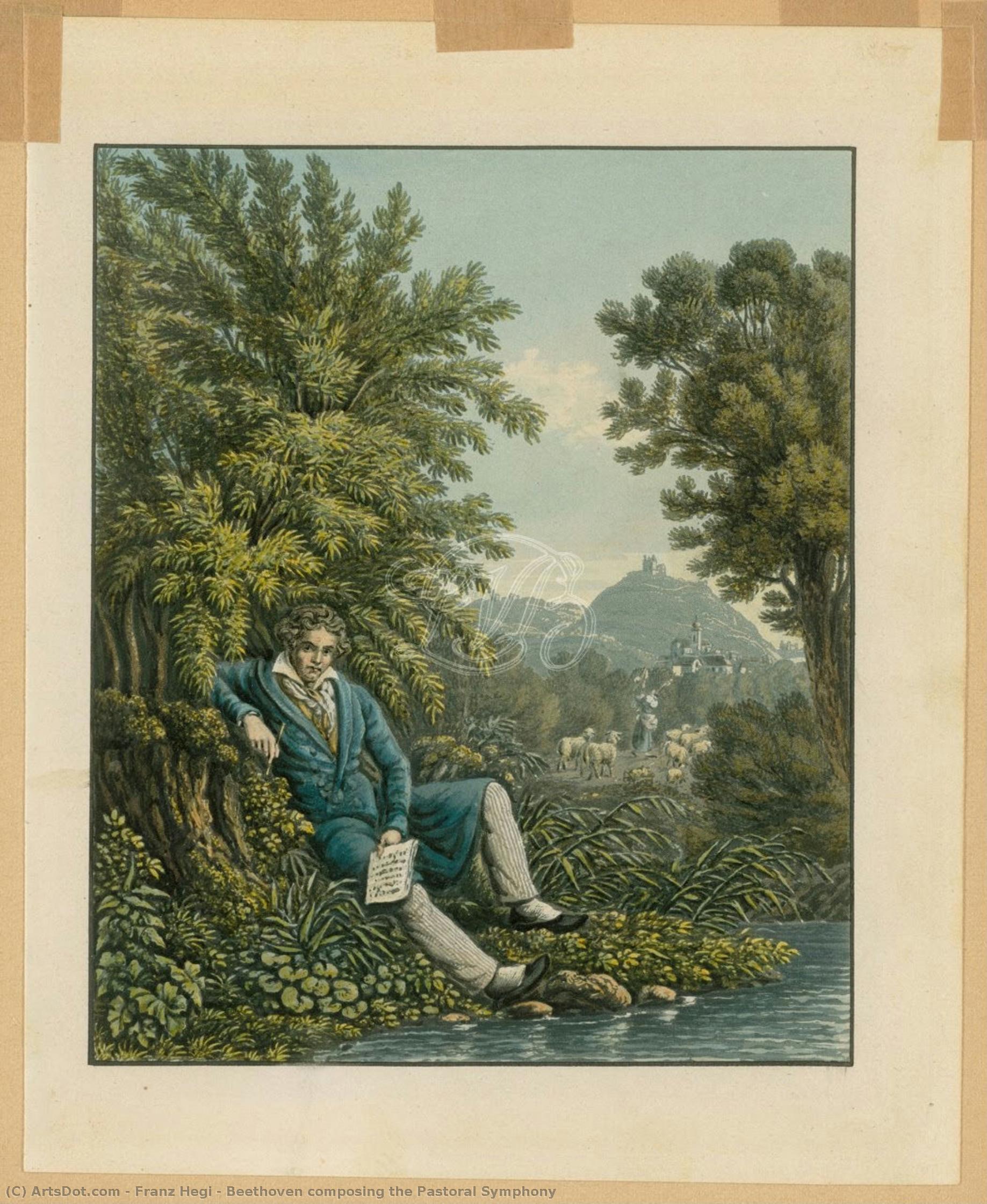
Beethoven compõe o Pastoral


 Ver mais
Reprodução em Óleo Feita à Mão
Óleo sobre tela pintado à mão no seu tamanho e moldura, feito sob encomenda pelos nossos artistas. ( Encomendar impressão Comprar imagem em alta resolução)




P118B $10

P118H $10

P118W $10

P438Z $10

P508JH $12

P508YH $12

P805H $10

P805Z $10

P919BZ $10

P919G $10

P919XJ $10

P959ZH $10

P968JZ $12

W106C $8

W218G $10

W218JH $8

W218Y $10

W307PJ $10

W316G $10

W316PJ $8

W316Y $10

W398PJ $8

W4111J $10

W500HY $15

W500JH $15

W692G $12

W849H $8

W940BG $15

W953PJ $8




Escolha entre os nossos tamanhos pré-definidos que respeitam as proporções originais da obra de arte.

Pode inserir as suas próprias dimensões para se adequar a uma moldura ou espaço específico. Se o tamanho selecionado não corresponder às proporções da imagem original, iremos cortar a obra de arte ou estender a pintura com elementos adicionais pintados à mão. Um esboço digital será enviado para sua aprovação antes do início da produção.
Tenha em atenção que a pré-visualização no ecrã não reflete o corte ou extensão real. Apenas o esboço mostrará com precisão a composição final.
Embora tamanhos personalizados estejam disponíveis, recomendamos selecionar uma dimensão da lista predefinida para preservar as proporções originais.
Após o pedido, a equipa OriginalUniqueArt.com enviará um e-mail ao cliente para solicitar instruções e fornecer uma prévia do esboço.
Entrega mundial () em 3 a 4 semanas, em vez das 5 semanas padrão. (20 Agosto). Sem comprometer a qualidade.

Envio Expresso Gratuito para todo o Mundo

Tela de Linho Premium

Seguro de transporte total

Garantia de Reembolso de Impostos Alfandegários

Garantia de Fidelidade de Cor

Política de Devolução de 60 Dias (Apenas para Defeitos)

Garantia de reembolso de 100%

Desconto para múltiplas unidades
 A opção de vidro está disponível apenas para tamanhos inferiores a 110 cm

Beethoven compõe o Pastoral
Técnica de Reprodução
Dimensões da Reprodução
-


Preço Total
$ 300
Descrição da Obra
Beethoven composing the Pastoral Symphony
Caspar David Friedrich: The Soul of the German Landscape Caspar David Friedrich, born in 1774 in the windswept Baltic town of Greifswald, wasn’t merely a painter; he was a translator of experience. His life, marked by profound personal loss and an intense connection to nature, became inextricably woven into the fabric of his art – a body of work that continues to resonate with viewers today as a poignant exploration of spirituality, solitude, and the sublime. Often considered the most important German artist of his generation, Friedrich’s landscapes aren't simply depictions of scenery; they are carefully constructed invitations to contemplate the mysteries of existence, rendered in a style both intensely personal and profoundly influential. Early Life and Influences: A World Shaped by Loss Friedrich’s childhood was shadowed by tragedy. The early deaths of his mother and brother instilled within him a deep sense of melancholy and an acute awareness of mortality – themes that would repeatedly surface in his art. This personal sorrow, coupled with the strict religious upbringing he received within a devout Lutheran family, profoundly shaped his worldview. He initially pursued studies at the University of Greifswald, focusing on architecture before ultimately dedicating himself to painting. Crucially, during this period, he encountered and was deeply moved by the works of Dutch masters like Jacob van Ruisdael and Jan Vermeer – artists who had mastered the subtle nuances of light and atmosphere, capturing a sense of quiet contemplation within their landscapes. These early influences instilled in him a meticulous attention to detail and a desire to evoke a specific mood or feeling through his art. Friedrich’s artistic journey truly began after he moved to Copenhagen, where he studied at the Royal Danish Academy. However, it was in Dresden, the capital of Saxony, that he established himself as an artist and developed his unique style – a cornerstone of the burgeoning German Romantic movement. Unlike the Neoclassical emphasis on reason and order, Friedrich sought to capture the emotional power of nature, prioritizing subjective experience over objective representation. His paintings are characterized by a dramatic use of light and shadow, often employing a muted palette dominated by blues, greys, and browns, creating an atmosphere of mystery and introspection. He frequently incorporated solitary figures – often dwarfed by the vastness of the landscape – into his compositions, suggesting humanity’s place within the grand scheme of nature. These figures aren't heroic or triumphant; they are vulnerable, contemplative, and deeply connected to their surroundings. Several paintings stand as particularly potent examples of Friedrich’s artistic vision. “Wanderer above the Sea of Fog” (1818), perhaps his most iconic work, depicts a solitary figure gazing out over a misty landscape, embodying both human ambition and the humbling power of nature. “The Abbey in the Oak Forest” (1809) explores themes of spirituality and decay, juxtaposing the grandeur of the ruined abbey with the dense, brooding forest. “Chalk Cliffs on Rügen” (1826), showcases his mastery of atmospheric perspective and the evocative use of light to create a sense of depth and distance. Beyond their visual beauty, these works are laden with symbolic meaning. Friedrich deliberately blurred the boundaries between reality and imagination, inviting viewers to engage in a dialogue with the artwork and project their own emotions and experiences onto it. He aimed not merely to depict what he saw but to convey a profound spiritual truth—a feeling of awe and reverence for the sublime beauty of the natural world. The Drawing's Significance: Hegi’s Interpretation Franz Hegi’s depiction of Beethoven composing the Pastoral Symphony captures this essence beautifully. The artist skillfully employs aquatinta, a printing technique known for its tonal richness and ability to reproduce subtle gradations of color—a method favored by Friedrich himself. This meticulous attention to detail reflects his unwavering commitment to capturing the emotional impact of his subjects. The composition itself is deliberately understated, emphasizing the quiet contemplation of Beethoven as he seeks inspiration from the surrounding landscape. The misty mountains and trees serve as a backdrop for this moment of artistic introspection, symbolizing the vastness of nature and its capacity to inspire profound thought. Hegi’s work isn't simply a visual representation; it's an invitation to contemplate the relationship between humanity and the natural world—a connection that Friedrich believed was fundamental to spiritual understanding. Further Exploration: Contextualizing Friedrich’s Vision The painting emerged from the broader context of German Romanticism, a movement characterized by its rejection of Enlightenment rationalism and its embrace of emotion, imagination, and individualism. Artists like Friedrich sought to express their inner feelings through landscapes—creating images that resonated with viewers on a visceral level. The Pastoral Symphony itself was Beethoven’s attempt to capture the beauty and tranquility of rural life—a deliberate contrast to the turbulent political climate of his time. Hegi's artwork serves as a visual embodiment of this Romantic ideal, prompting us to consider how art can communicate profound spiritual truths. A Legacy Enduring Through Time: Friedrich's Influence Caspar David Friedrich’s influence extends far beyond his own lifetime. His paintings continue to inspire artists and viewers alike—serving as a reminder of the power of nature to evoke emotion and contemplation. The enduring appeal of “Wanderer above the Sea of Fog” and other iconic works testifies to Friedrich’s ability to capture something essential about the human condition—a yearning for transcendence and a recognition of our place within the universe. His artistic vision remains remarkably relevant today, encouraging us to reconnect with the natural world and to embrace the beauty of solitude as a pathway to spiritual insight.Biografia do Artista
Caspar David Friedrich: The Soul of the German Landscape
Caspar David Friedrich, born in 1774 in the windswept Baltic town of Greifswald, wasn’t merely a painter; he was a translator of experience. His life, marked by profound personal loss and an intense connection to nature, became inextricably woven into the fabric of his art – a body of work that continues to resonate with viewers today as a poignant exploration of spirituality, solitude, and the sublime. Often considered the most important German artist of his generation, Friedrich’s landscapes aren't simply depictions of scenery; they are carefully constructed invitations to contemplate the mysteries of existence, rendered in a style both intensely personal and profoundly influential.
Early Life and Influences: A World Shaped by Loss
Friedrich’s childhood was shadowed by tragedy. The early deaths of his mother and brother instilled within him a deep sense of melancholy and an acute awareness of mortality – themes that would repeatedly surface in his art. This personal sorrow, coupled with the strict religious upbringing he received within a devout Lutheran family, profoundly shaped his worldview. He initially pursued studies at the University of Greifswald, focusing on architecture before ultimately dedicating himself to painting. Crucially, during this period, he encountered and was deeply moved by the works of Dutch masters like Jacob van Ruisdael and Jan Vermeer – artists who had mastered the subtle nuances of light and atmosphere, capturing a sense of quiet contemplation within their landscapes. These early influences instilled in him a meticulous attention to detail and a desire to evoke a specific mood or feeling through his art.
The Development of a Distinctive Style: Romanticism Takes Root
Friedrich’s artistic journey truly began after he moved to Copenhagen, where he studied at the Royal Danish Academy. However, it was in Dresden, the capital of Saxony, that he established himself as an artist and developed his unique style – a cornerstone of the burgeoning German Romantic movement. Unlike the Neoclassical emphasis on reason and order, Friedrich sought to capture the emotional power of nature, prioritizing subjective experience over objective representation. His paintings are characterized by a dramatic use of light and shadow, often employing a muted palette dominated by blues, greys, and browns, creating an atmosphere of mystery and introspection. He frequently incorporated solitary figures – often dwarfed by the vastness of the landscape – into his compositions, suggesting humanity’s place within the grand scheme of nature. These figures aren't heroic or triumphant; they are vulnerable, contemplative, and deeply connected to their surroundings.
Key Works and Symbolic Language
Several paintings stand as particularly potent examples of Friedrich’s artistic vision. “Wanderer above the Sea of Fog” (1818), perhaps his most iconic work, depicts a solitary figure gazing out over a misty landscape, embodying both human ambition and the humbling power of nature. "The Abbey in the Oak Forest" (1809) explores themes of spirituality and decay, juxtaposing the grandeur of the ruined abbey with the dense, brooding forest. “Chalk Cliffs on Rügen” (1826), showcases his mastery of atmospheric perspective and the evocative use of light to create a sense of depth and distance. Beyond their visual beauty, these works are laden with symbolic meaning. Friedrich frequently employed motifs such as ruins, mountains, forests, and bodies of water – each carrying layers of historical, religious, and philosophical significance. He deliberately blurred the boundaries between reality and imagination, inviting viewers to engage in a dialogue with the artwork and project their own emotions and experiences onto it.
Legacy and Historical Significance
Despite enjoying early success and patronage, Friedrich’s fortunes declined significantly during his later years. The waning of Romanticism and the rise of industrialization contributed to a shift in artistic tastes, leaving him largely forgotten until the late 19th century when Symbolist artists rediscovered his work and recognized its profound emotional depth. Today, Caspar David Friedrich is celebrated as one of the most important figures in German art history – a pioneer of Romantic landscape painting who profoundly influenced generations of artists. His paintings continue to captivate viewers with their evocative atmosphere, symbolic richness, and enduring exploration of the human condition’s relationship with nature. His work remains a powerful reminder of the importance of introspection, solitude, and the sublime beauty that can be found in the natural world.

franz hegi
1774 - 1850 , Switzerland
Informações Rápidas
- Artistic Movement Or Style: Romanticism
- Artists Or Movements Influenced By This Artist:
- Expressionism
- Symbolism
- Artists Who Influenced This Artist:
- J.M.W. Turner
- Joshua Reynolds
- Date Of Birth: September 5, 1774
- Date Of Death: May 7, 1840
- Full Name: Caspar David Friedrich
- Nationality: German
- Notable Artworks:
- Wanderer above the Sea of Fog
- Monk by the Sea
- The Abbey in the Oak Forest
- Place Of Birth: Greifswald, Germany
Artigos Relacionados

Os 10 Mestres da Paisagem Romântica: Arte para Inspirar a Sua Casa
Descubra os 10 quadros mais emblemáticos da Paisagem Romântica! Explore a história de Turner, Friedrich e outros mestres. Encontre reproduções de arte exclusivas para inspirar sua decoração em OriginalUniqueArt.com.
Os 10 Melhores Quadros de Paisagem: Arte, História e Decoração Inspiradora
Descubra os 10 quadros de paisagem mais icônicos da história da arte! Explore Monet, Van Gogh e outros mestres, suas técnicas e inspirações. Encontre reproduções de alta qualidade para decorar sua casa com beleza e elegância em OriginalUniqueArt.com.

Evocations of Place: A Historical Journey Through Landscape Art
Explore the rich history of landscape art with OriginalUniqueArt. Discover renowned artists, movements like Impressionism & Romanticism, and expert guidance for collecting timeless pieces. Find your perfect serene escape today!

The Sublime and the Picturesque: Exploring Emotion & Nature in Romantic Landscape Painting
Explore the emotional power of Romantic landscape painting! Discover the sublime & picturesque traditions, key artists like Friedrich & Cole, and find your perfect artwork at OriginalUniqueArt.

John Constable: As 25 Obras-Primas que Definem o Mestre da Paisagem Inglesa | OriginalUniqueArt
Descubra as 25 obras-primas de John Constable, o mestre da paisagem inglesa! Explore a arte romântica, cores vibrantes e histórias fascinantes por trás de 'Hay Wain' e outras pinturas icônicas. Encontre reproduções de alta qualidade para decorar sua casa com OriginalUniqueArt.com.


