Famous Documentary Photography Artistas: 59 Original Voices
Gordon Parks (1912–2006) is the most famous Documentary Photography artista, whose singular vision gave us Emerging Man e Harlem Gang Wars. Next stand Walker Evans, Mohamed Amin, Eadweard J. Muybridge e Dorothea Lange. These 59 artistas, from Timothy O'Sullivan Alexander Gardner (born 1821) to Mao Ishikawa (born 1953), came from 22 countries.
OSelected by OriginalUniqueArt.com
Our selection. Artists whose works our catalogue attaches to Documentary Photography, in the order of our fame ranking. Artists born after 1955 with no Wikidata identifier stay out until verified. The Wikipedia figure counts our 32 languages with an article on the artist.
Nascido em Fort Scott, Kansas, em 1912, Gordon Roger Alexander Buchanan Parks emergiu como uma das vozes mais poderosas e influentes do século XX. A ascensão meteórica de Parks ao reconhecimento nacional começou com seu trabalho para a Farm Security Administration (FSA) durante a década de 1940.
AmericanoBorn in São LourençoFotografia documental
He admired the meticulous documentation of Eugène Atget, whose images of Parisian streets felt both timeless and immediate, and August Sander, whose portraits aimed for an objective cataloging of German society. This approach found its most powerful expression during his tenure with the Farm Security Administration (FSA) beginning in 1935. Louis in 1903, emerged as a pivotal figure in American photography, his name inextricably linked with the visual record of the Great Depression.
BritânicoBorn in Kingston upon ThamesCronofotografia
eadweard j. muybridge, fotógrafo britânico, nasceu em 9 de abril de 1830, em Kingston upon Thames, Surrey, Inglaterra. Seu nome original era Edward James Muggeridge, que mais tarde alterou para eadweard j. muybridge. A infância de Muybridge foi marcada pelo negócio de sua família como mercadores de grãos e carvão; após a morte de seu pai em 1843, sua mãe assumiu a continuidade do empreendimento.
FrancêsBorn in Chanteloup-en-BrieFotografia de rua
Sua co-fundação da Magnum Photos revolucionou o jornalismo fotográfico, capacitando os fotógrafos a manterem o controle criativo sobre seu trabalho e a relatar independentemente.
MexicanaBorn in Cidade do MéxicoFotografia documental
Inicialmente atraída pelo cinema no Centro Universitario de Estudios Cinematográficos da Universidad Nacional Autónoma de México, ela logo descobriu que a fotografia estática oferecia um canal mais direto para sua visão emergente. Uma mentoria crucial com Manuel Álvarez Bravo, entre 1970 e 1971, provou ser transformadora.
Lewis Wickes Hine was far more than a mere observer behind a camera; he was a sociologist and a muckraker photographer whose work served as a vital pulse for the American conscience. Hine did not simply capture images; he acted as a witness to the grit, the struggle, and the profound triumphs that often remained unseen by the casual observer during the Progressive Era and the Great Depression.
British/GermanBorn in HamburgSocial realism, Surrealism, Landscapes
Moving to London in 1933, Brandt began a period of intense social documentation. His work for influential magazines such as Lilliput and Picture Post allowed him to capture the raw emotion of the era, documenting everything from the heavy atmosphere of the 1930s depression to the ghostly, blackout-shrouded streets of London during the Second World War.
Thomas Annan, born in 1829 in the small village of Dairsie, Fife, emerged from humble origins as the son of a flax spinner to become one of the most profound witnesses to the human condition.
Nascido como Jean-Eugène-Auguste Atget em 1857, na pacata cidade de Libourne, na França, o fotógrafo que se tornaria sinônimo da “Velha Paris” iniciou sua jornada sob a sombra da perda. Uma mudança fundamental ocorreu por volta de 1897, marcando o verdadeiro início da obra singular de Atget.
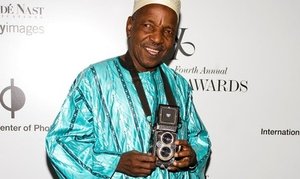
He possessed an innate ability to connect with his subjects, fostering a relaxed atmosphere that allowed their personalities to shine through – a key element in the success of his work. A recurring theme throughout his work is the celebration of post-colonial joy and the burgeoning youth culture of Mali during the 1960s and 70s. Born in 1936 in Sologo, his early life was deeply rooted in traditional Malian existence – tending animals, working the land, far removed from the bustling urban center of Bamako.
Na vasta paisagem da fotografia do século XX, poucas figuras se impõem com tanta magnitude ou compaixão quanto William Eugene Smith. Nascido em Wichita, Kansas, em 1918, Smith não apenas observava o mundo através de uma lente; ele buscava traduzir a própria pulsação da luta e da resiliência humana em uma linguagem visual.
AmericanBorn in Cedar RapidsHarlem Renaissance, Modernism
His marriage to Fania Marinoff, an actress with progressive social views, was a long and enduring partnership—yet it coexisted alongside connections with men, notably Mark Lutz.
What distinguishes Chambi’s oeuvre from the mere ethnographic documentation of his era is his profound empathy and his refusal to view his subjects through a lens of "otherness." While many contemporary photographers approached indigenous populations as curiosities, Chambi photographed them as representatives of a living, breathing culture. Born in 1891 near the shores of Lake Titicaca, Chambi’s journey from the humble Coaza district to becoming a global icon of documentary photography is a narrative of vision and resilience.
Leonet Matiz Espinoza era muito mais do que um mero observador atrás de uma lente; ele era um profundo contador de histórias, cuja vida se desenrolou como uma vibrante tapeçaria da história latino-americana.
AmericanoBorn in Oak ParkFotografia documental social
Bruce Landon Davidson nasceu em Oak Park, Illinois, em 1933, embarcando numa jornada fotográfica que marcaria profundamente o panorama da fotografia documental americana. A influência de mestres como Robert Frank, Eugene Smith e Henri Cartier-Bresson começou a moldar sua visão de forma suave, inculcando nele o desejo de capturar emoções cruas e realidades sociais com honestidade implacável.
Born in San Jose, her roots were deeply embedded in the foundational history of the region, being the grandniece of T.S. This connection to the evolving landscape of the Santa Clara Valley provided her with a unique perspective on growth and transformation, an influence that would later manifest in her meticulous documentation of a changing America. Shirlie Alice Montgomery (1918 – 2012) was far more than a mere observer of her era; she was a profound visual chronicler whose camera lens captured the very heartbeat of mid-century California.
Scottish-AmericanBorn in PaisleyCivil War Photography
Gardner’s formative years were marked by exposure to radical intellectual currents—particularly Owenism, which advocated for communal living and economic equality—and the burgeoning movement for cooperative societies. Brady’s studio, renowned for its ambitious projects documenting American landscapes and cultural life, became Gardner’s crucible—a place where he honed his skills in large-format printing and developed a meticulous attention to detail—qualities that would characterize his subsequent work.
Nascido na histórica cidade de Troyes, na França, em 1926, Marot emergiu de uma linhagem de excelência intelectual e artística francesa. Sua jornada foi marcada por um profundo rigor acadêmico e exploração global, começando com sua formação formativa na École Supérieure d'Arts et Industrie Graphiques (ESAIG). Sua subsequente admissão na prestigiada Beaux-Arts de Paris, em 1945, marcou o verdadeiro início de uma carreira destinada a remodelar a paisagem francesa.
Garry Winogrand, nascido na cidade de Nova York em 1928, não era apenas um fotógrafo; ele era um etnógrafo visual da experiência americana durante meados do século XX. Embora tenha brevemente se dedicado à pintura na City College of New York e na Columbia University, foi uma aula de fotojornalismo com Alexey Brodovitch na The New School que acendeu sua verdadeira paixão.
O Instituto Moreira Salles adquiriu sua coleção completa em 1999 — um testemunho de sua importância cultural — compreendendo cerca de 25.000 imagens que abrangem uma vasta gama de temas.
Carleton Emmons Watkins was not a painter, but a master photographer whose lens captured the raw, untamed majesty of the nineteenth-century American West. Arriving in San Francisco around 1851, Watkins initially sought fortune in the mining boom, yet he found his true calling not in the pursuit of gold, but in the pursuit of light and landscape.
George Grey Barnard, nascido em Bellefonte, Pensilvânia, em 1863, foi um escultor americano cuja carreira se desenrolou contra o pano de fundo de correntes artísticas mutáveis e uma identidade nacional emergente. Essa faísca inicial o impulsionou em direção a Paris em 1883, onde se imergiu no treinamento rigoroso da École Nationale Supérieure des Beaux-Arts, trabalhando sob o atelier de Pierre-Jules Cavelier.
His work has been exhibited internationally, notably with a solo show at the Museum of Modern Art in New York in 1998 and inclusion in Documenta 11 and 12.
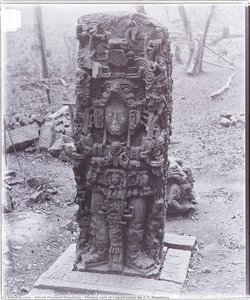
alfred percival maudslay, administrador colonial britânico e arqueólogo, nasceu em 18 de março de 1850, em Londres, no seio de uma família abastada. Dedicou seus primeiros anos acadêmicos ao estudo das ciências naturais no trinity hall, cambridge, onde obteve seu bacharelado em 1872.
Born in Adana, Turkey, in 1899, her early life was shaped by the rich cultural tapestries of the era, providing her with a unique perspective that bridged the gap between Eastern sensibilities and Western artistic traditions. As we look back on her life, which concluded in Athens in 1998, we see an artist who successfully bridged the gap between the ancient and the modern.
Nascido em Viena, em 1862, a vida de Gustav Klimt foi uma tapeçaria tecida com fios de ambição artística, tragédia pessoal e, por fim, um estilo revolucionário. Ele demonstrou um talento excepcional desde cedo, deixando o tradicional Gymnasium aos quatorze anos para buscar treinamento formal na Escola de Artes e Ofícios de Viena – uma conquista significativa considerando as restrições financeiras de sua família.
It wasn’t until 2014 that a selection of his photographs were exhibited at the Schwules Museum in Berlin, followed by a major retrospective at the Leslie-Lohman Museum of Art in New York City.
Nascida em 1953 na aldeia de Ogimi, Okinawa, no Japão, a vida e a visão artística de Mao Ishikawa estão intrinsecamente ligadas à história complexa e à cultura vibrante de sua ilha natal. Inicialmente estudando com Shomei Tomatsu na Workshop School of Photography em Tóquio, Ishikawa rapidamente traçou seu próprio caminho, retornando a Okinawa determinada a documentar as vidas que se desenrolavam ao seu redor.
It was during this period that she adopted the French spelling of her first name, “Berenice,” a deliberate choice that signaled her embrace of Parisian culture and artistic circles. The move to New York wasn’t merely a geographical change; it represented a conscious decision to forge her own path, free from the constraints of traditional expectations. A defining chapter in Berenice Abbott’s career unfolded in 1927 when she encountered the work of Eugène Atget, a largely unrecognized French photographer who had documented the streets of Paris with remarkable sensitivity and insight.
Beau’s artistic sensibilities extended beyond mere technical proficiency; he possessed a keen eye for composition and lighting—elements that elevated his photographs from simple documentation to evocative representations of human experience. Motor Racing Events: Similarly, his depictions of motor racing events captured the thrill of competition and the spectacle of technological advancement.
AmericanBorn in PittsburghPrecisionism, Photojournalism
(https://AllPaintingsStore.com/@@/d35pt8-andy-warhol-magazine-and-history). lista de pessoas de pittsburgh, apresentando indivíduos notáveis que fizeram contribuições significativas em vários campos.
BrasileiroBorn in Rio de JaneiroFotografia de Moda
Os anos formativos de Stupakoff foram imersos nas tradições artísticas brasileiras, absorvendo as nuances estilísticas do Surrealismo e do Expressionismo por meio de sua exposição aos movimentos de vanguarda europeus. Ao documentar designers como Clodovil Hernan e trabalhar ao lado de modelos internacionais, ele ajudou a integrar a moda brasileira na consciência global.
Roy Stryker was a major influence on Rothstein's early career, shaping his approach to documentary photography and emphasizing its potential for social impact. The artistic style of the FSA photographers generally leaned towards social realism, aiming to depict subjects truthfully and without embellishment. After leaving the OWI, Rothstein pursued various photographic projects, including commercial assignments and educational work.
The city is a site of constant friction. His lens tracks the movement of people through infrastructure, capturing the intersection of human life and the built environment.
Where to see His photographic records exist within major institutional archives.
After beginning his artistic education at Maryland University, he enrolled in the graduate program at the San Francisco Art Institute, where he mastered the use of a four-by-five large format camera. A singular figure in American photography, Humble did not seek the spectacular or the sensational; instead, he dedicated his lens to the meticulous documentation of the urban landscape's soul.
Born in 1953 in New Haven, Connecticut, Goldberg has spent his career transcending the traditional boundaries of documentary photography, moving beyond mere documentation toward a deeply collaborative form of social storytelling. By weaving together visual imagery with the raw, handwritten testimonies of his subjects, Goldberg creates a multidimensional narrative that captures the very essence of human vulnerability, resilience, and identity. Open See (2009): Part of his "New Europeans" project, this work examines the immigrant experience in Europe, capturing the tension between leaving a war-torn homeland and attempting to forge a new identity in an unfamiliar landscape.
Italiana-AmericanaBorn in UdineSocial Realismo, Modernista
Assunta Adelaide Luigia Modotti Mondini, mundialmente conhecida como Tina Modotti, foi uma figura cuja vida espelhava as turbulentas correntes do século XX. Nascida em Udine, Itália, em 1896, seus primeiros anos foram marcados pelas realidades do trabalho migrante, pois sua família se mudava entre a Itália e a Áustria em busca de sustento.
Her studies at the New School further refined this aesthetic sensibility, yet it was her encounter with the work of Viennese photographer Trude Fleischmann that truly ignited her technical passion. Through her involvement with the New York Photo League alongside luminaries like Paul Strand and Ralph Steiner, she helped shape the movement of social realism in American photography.
Pais: Asahel "Johnson" Curtis (Reverendo, fazendeiro, veterano da Guerra Civil) e Ellen Sheriff. Mudou-se para Seattle, Washington, em 1887 e estabeleceu estúdios fotográficos, inicialmente em parceria com Rasmus Rothi e, mais tarde, com Thomas Guptill. Gênese: Inspirado por seus primeiros retratos de nativos americanos, como a Princesa Angeline (Kickisomlo), Curtis embarcou em um projeto monumental para documentar as culturas e tradições dos povos indígenas no Oeste Americano.
Nascida Claudine Haas em 1931, em Neuchâtel, na Suíça, seus primeiros anos foram marcados pelas turbulentas correntes da Europa pré-guerra. Após estudar humanidades no Hunter College, em Nova York, onde conheceu seu futuro marido, Julio Andujar, ela chegou ao Brasil em 1956, um momento crucial que definiu sua extraordinária carreira.
Penny Diane Wolin was born June 5, 1953, in Cheyenne, Wyoming—a landscape profoundly shaped by the American West’s history of mining booms and westward expansion. Her upbringing within a Conservadox Jewish family instilled in her a deep appreciation for cultural heritage and storytelling. Currently, Penny Wolin continues her artistic exploration through “American Photographers of Jewish Ancestry”—a project that delves into the profound influence of Jewish photographers on the history of American visual culture.
Jay Jaffee,” was held at the Brooklyn Museum in 1981, followed by another significant exhibition in 1999 at the Heckscher Museum of Art, Long Island, shortly after his death.
Born in Milwaukee, Wisconsin, in 1949, Martin Stupich has carved a singular niche within the realm of American realism. While his early years were shaped by the rugged landscapes and natural textures of Wisconsin and Illinois, these formative experiences provided a foundational appreciation for terrain and light that would later inform his more complex explorations of man-made environments. The historical significance of Martin Stupich lies in his ability to elevate the industrial landscape to the status of fine art.
His work invites viewers to consider the relationship between humanity and nature, exploring themes of isolation, resilience, and the enduring beauty of the American West.
BritishBorn in Cheetham HillSocial documentary photography
Sir Joseph John Thomson, a name synonymous with the electron and groundbreaking advancements in physics, was also a keen observer of Victorian society, wielding his camera with an eye for detail and a commitment to documenting the lives unfolding around him.
AmericanBorn in YonkersBlack-and-white photography
He spent significant time in New York City, where he often visited the Stieglitz gallery, fostering relationships with artists like Georgia O'Keeffe. This ability to capture the weight of emotion and the nuance of personality remains his most enduring legacy, preserved in collections such as the Smithsonian American Art Museum and the George Daniell Museum in Miami Beach.
In the wake of the war, Papaioannou’s work underwent a further refinement, shifting her focus toward the intimate and the individual. Her 1950 photograph, Island of Santorini, remains a cornerstone of her oeuvre, immortalizing the Cycladic landscape with a masterful use of black and white tones. Emerging from the cultural heart of Lamia, Greece, Voúla Papaioannou (1898–1990) was far more than a mere chronicler of her era; she was a visual poet who captured the very soul of a nation in transition.
David Plowden, nascido em Boston em 1932 e ainda em plena atividade criativa, é muito mais do que um simples fotógrafo; ele é um cronista de uma América em processo de desaparecimento. Crescendo principalmente na cidade de Nova York, ele encontrou consolo e fascínio no mundo exterior – especificamente, na vasta extensão da América rural.
Britânico/ItalianoBorn in LondresFotografia documental
O nome Roberto Rive ressoa nos anais da fotografia do século XIX, mas a sua história é uma trama sutilmente entrelaçada com a transformação e a dedicação em capturar um mundo à beira da mudança.
Brasileira de origem inglesaBorn in LondresFotografia Documental
Nascida em Londres, Inglaterra, em 1931, a jornada artística de Sheila Maureen Bisilliat começou longe de seu local de nascimento, levando-a, por fim, a tornar-se uma das cronistas fotográficas mais duradouras e perspicazes do Brasil.
O Museo del Ferrocarril de Madrid, aninhado na magnífica estação Las Delicias – um testemunho da grandeza arquitetônica de Madri no final do século XIX –, transcende a mera função de depósito de locomotivas e vagões; ele incorpora o espírito da revolução industrial espanhola.
AmericanBorn in SchenectadyPre-RaphaeliteWikipedia in 1/32 languages
Raised within the strict confines of a Seventh-day Baptist upbringing, Stillman's early exposure to religious thought instilled in him a profound sense of moral purpose that would permeate his later endeavors. His literary output was prolific, encompassing books on the Cretan insurrection, photography, Ulysses’ journey, and Italian history—including biographies of figures like Francesco Crispi.
As a politician, historian, and political scientist, he navigated the complexities of governance, serving as a minister and a member of both the Portuguese and European parliaments. Yet, beneath the formal mantle of his political achievements lay the soul of a documentarian, an artist whose lens sought to capture the very essence of a nation in flux. The significance of Ferreira’s work lies in its role as a historical bridge.
Which techniques define Documentary Photography art?
“Sua história é um relato de privilégio temperado pela ambição, de expectativas sociais desafiadas pelo ímpeto artístico e de um olhar aguçado para documentar uma nação em profunda transformação.” — from our biography of Frances Benjamin Johnston (#9).
Who was the first Documentary Photography artista?