
 Visualizar na parede
 Compartilhar
 Compartilhar
 Detalhes
 Guia
Guia

 Baixar imagem
 Semelhantes
 Raio X
 Ver diaporama
 Estatísticas
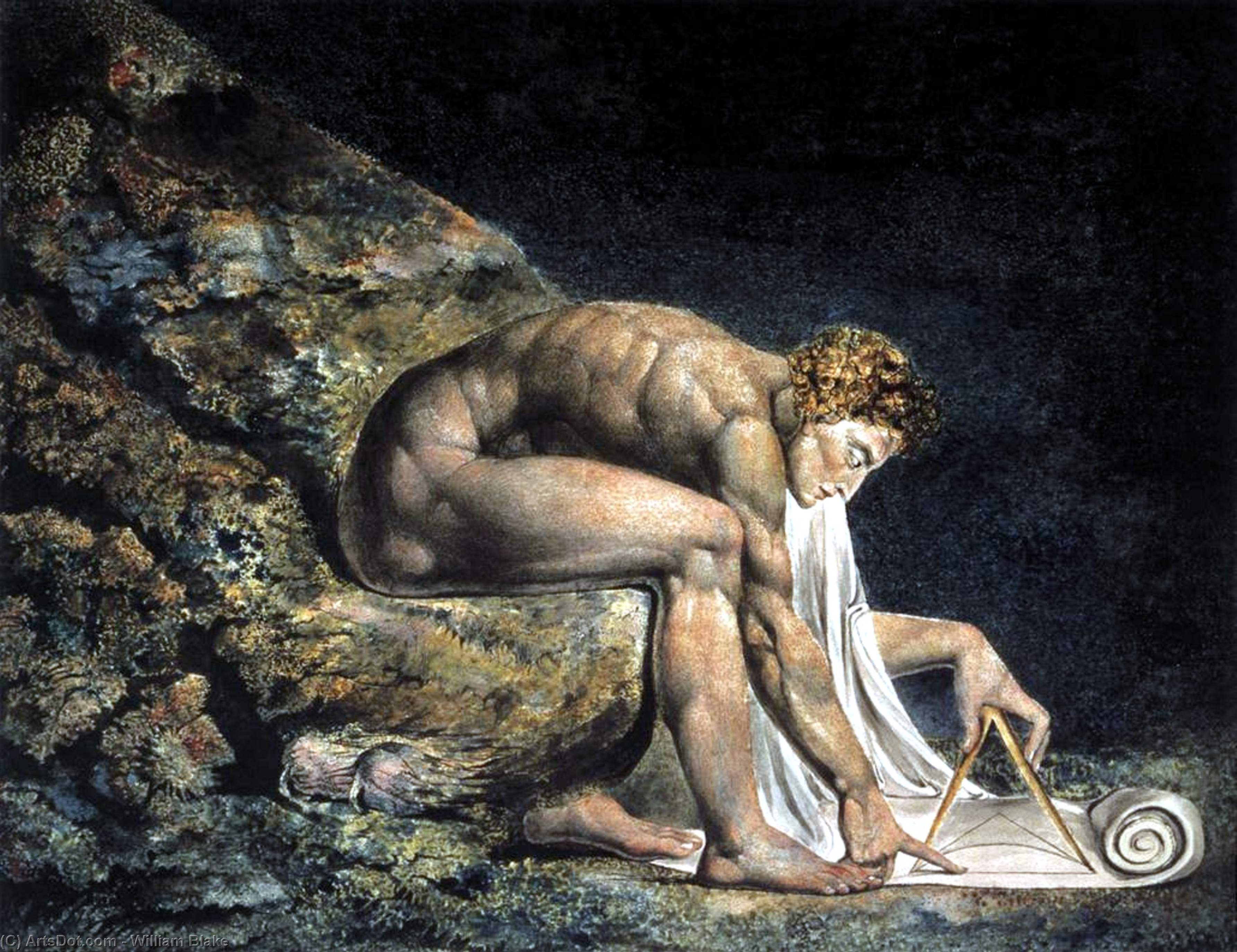
Isaac Newton
 Acrílico sobre tela
- Arte de Parede
- Romanticism
 1795
1795- Renascimento
 460.0 x 600.0 cm
 Tate Gallery
 Ler mais
Adquira uma imagem digital de alta resolução e aprimorada, muito superior à prévia online.
Cada arquivo é meticulosamente preparado por nossos especialistas internos, utilizando ferramentas avançadas e retoques manuais de alta precisão. Garantimos que cada imagem apresente clareza excepcional, fidelidade de cores e detalhes minuciosos.
O arquivo final é entregue por e-mail em até 72 horas, otimizado para uso imediato em ambientes profissionais, editoriais e de impressão. Esta é a mesma qualidade utilizada por estúdios de design de alto nível, editoras e galerias.
Imagem Digital
Baixe um arquivo de alta resolução para exibição pessoal, impressão e projetos criativos. ( Alternar para Impressão Comprar pintura feita à mão)
Incluído em cada compra de imagem digital
Entrega Digital Especializada e Garantida
Ao escolher o OriginalUniqueArt.com, você não está apenas adquirindo uma imagem — você está recebendo uma obra de arte digital profissionalmente aprimorada, elaborada com precisão e com garantia de satisfação. Aqui está tudo o que acompanha seu pedido, automaticamente:

Entrega rápida por e-mail
O seu arquivo de imagem digital em alta resolução será enviado por e-mail em até 72 horas após o pedido — pronto para uso imediato.

Arquivo Digital com IA Otimizado
Sua obra de arte é otimizada profissionalmente por meio de ferramentas avançadas de IA e edição manual, garantindo o máximo de detalhes, clareza e precisão de cores.

Reenvio gratuito vitalício
Apagou ou perdeu o seu ficheiro acidentalmente? Não se preocupe – nós reenviamos para si a qualquer momento, gratuitamente.

Sem Taxas de Importação - Sempre
Desfrute da sua obra de arte instantaneamente, sem taxas alfandegárias, impostos ou custos de entrega — downloads digitais são sempre isentos de taxas.

Garantia de Fidelidade de Cores
Garantimos que sua imagem digital reflita as cores originais com a maior fidelidade possível, utilizando ferramentas profissionais e gerenciamento de cores.

Garantia de satisfação de 100 dias
Se não estiver satisfeito com a sua imagem digital, nós a revisaremos ou reembolsaremos 100% dentro de 100 dias — sem perguntas.

Garantia de Reembolso 100%
Não está satisfeito? Receba o reembolso total em até 100 dias após o recebimento do seu arquivo digital — sem perguntas.

Descontos para pedidos em lote
Compre 3 imagens, economize 10% - Compre 5, economize 15% - Compre 10+, economize 20%. Ideal para projetos criativos, galerias e agências.
Isaac Newton
William Blake's Isaac Newton, created in 1795, is a captivating and thought-provoking engraving that showcases the artist's unique blend of mysticism and critique of scientific rationalism. This piece is part of the esteemed collection at the Tate Gallery in London, United Kingdom.Blake’s depiction of Newton is not a traditional portrait but rather an allegorical representation. The figure of Newton is shown sitting on a rock, his back turned to the viewer, engrossed in his work. He is surrounded by elements that symbolize his scientific endeavors, such as a compass and a piece of cloth. The bird perched atop the rock adds a touch of mysticism, suggesting a connection between the natural world and human knowledge.
Blake's use of symbolism in Isaac Newton is multifaceted. The rock upon which he sits can be seen as a symbol of solidity and permanence, contrasting with the fluid, ever-changing nature of human understanding. Blake's work often explores the tension between reason and imagination, and Isaac Newton is no exception. By depicting Newton in this manner, Blake questions the dominance of scientific thought over other forms of knowledge and experience.
The engraving technique used by Blake adds a layer of depth and texture to the piece. The intricate details and the play of light and shadow create a sense of dimensionality, drawing the viewer into the world of the painting. This style is characteristic of Romanticism, emphasizing emotion, imagination, and individualism.
Blake's work was influenced by various artistic movements, including Romanticism and Neoclassicism. His unique blend of mysticism and critique of scientific rationalism places him at the forefront of innovative artists who challenged conventional norms. For those interested in exploring more of Blake’s works, William Blake:Isaac Newton and William Blake:Newton are available on OriginalUniqueArt. Additionally, the museum where this piece is housed, Tate Gallery, is discussed in detail at Discovering the Masterpieces of Tate Britain, United Kingdom.
This engraving captures a profound dichotomy—Newton’s unwavering focus on scientific observation juxtaposed against the ethereal presence of the bird and the rock. Blake deliberately avoids portraying Newton as merely a man of intellect; instead, he presents him as an embodiment of humanity's struggle to reconcile reason with intuition. The artist’s masterful use of chiaroscuro enhances this dramatic effect, highlighting Newton’s solitary posture and emphasizing the symbolic significance of his surroundings.
Considered alongside Blake’s broader philosophical concerns regarding the role of imagination in shaping human understanding, Isaac Newton stands as a powerful emblem of Romantic artistic vision. Its enduring appeal lies in its ability to provoke contemplation on the fundamental questions concerning human consciousness and our relationship with the natural world.
OriginalUniqueArt offers exceptional reproductions of William Blake’s Isaac Newton, meticulously crafted to preserve the artist's original aesthetic and technical brilliance. Explore high-quality prints that bring this iconic artwork into your home or office.
Perguntas e Respostas
Posso ver "Isaac Newton", de William Blake na minha própria parede antes de comprar?
"Isaac Newton" possui uma prévia em realidade aumentada: a página de Prévia em RA da obra permite visualizá-la no seu próprio espaço através de um dispositivo compatível.
Como faço para baixar a imagem de "Isaac Newton", de William Blake?
Um download está disponível para "Isaac Newton": a página de Download da obra oferece download de imagem digital em alta resolução.
Por quais outros nomes ou pseudônimos William Blake é conhecido?
William Blake também é conhecido pelos nomes Guilherme Blake.
Biografia do Artista
A Visionary’s Journey: The Life and Art of William Blake
William Blake, born in London on November 28, 1757, was a figure perpetually out of step with his time, yet destined to become one of the most celebrated artists and poets of the Romantic Age. His life unfolded against the backdrop of a rapidly changing England—a world grappling with industrialization, political upheaval, and shifting spiritual beliefs. From humble beginnings as the son of a hosier, Blake’s early years were marked by an intensely vivid imagination and a propensity for visionary experiences that would profoundly shape his artistic trajectory. Though largely self-taught in formal academics, he received drawing instruction at a young age, quickly revealing a talent that hinted at the extraordinary path ahead. His apprenticeship with engraver James Basire proved pivotal, providing him not only with technical mastery but also an understanding of printmaking techniques he would later revolutionize. These early influences—the Gothic grandeur of Westminster Abbey, the classical forms of Raphael and Michelangelo—served as foundational elements in his developing aesthetic, though Blake was never one to remain bound by convention.The Illuminated World: Technique and Innovation
Blake’s artistic innovation wasn't merely about subject matter; it resided fundamentally in *how* he created. Dissatisfied with conventional engraving methods, he developed a unique process known as “illuminated printing.” This involved etching both text and illustrations onto copper plates, then hand-coloring the resulting prints—a laborious but deeply personal approach that allowed for complete artistic control. This wasn’t simply illustration accompanying poetry; it was an integrated art form where image and verse were inextricably linked, each enhancing the meaning of the other. His relief etching technique, born from a claimed visionary experience following his brother's death, further distinguished his work, granting it a distinctive textural quality and allowing for greater artistic freedom than traditional methods. Beyond printmaking, Blake also worked with watercolors and tempera paints, often depicting biblical scenes or fantastical subjects imbued with symbolic weight. A key characteristic of his style was a deliberate rejection of linear perspective in favor of a more emotive, symbolic representation—a flattening of space that drew the viewer into the heart of his visionary world. He sought to capture not just what he saw but what he *felt*, channeling spiritual insight into every brushstroke and line of text.Themes of Innocence, Experience, and Rebellion
The core of Blake’s artistic output lies in its exploration of profound themes: the duality of innocence and experience, the constraints of reason versus the liberating power of imagination, and a fierce critique of societal norms.- Songs of Innocence and of Experience (1794), perhaps his most accessible work, presents a contrasting vision of childhood—one idyllic and untainted, the other marked by hardship and corruption.
- The Marriage of Heaven & Hell (1793) is a provocative prose poem that challenges conventional morality, celebrating energy, desire, and rebellion against restrictive doctrines.
- His illustrations for Dante’s *Divine Comedy* showcase his dramatic vision and ability to translate complex narratives into powerful visual imagery.
A Legacy Rediscovered: Blake's Enduring Influence
During his lifetime, William Blake remained largely marginalized, misunderstood by many of his contemporaries. His work was often dismissed as eccentric or even mad. He struggled financially throughout much of his life, relying on commissions and the support of a small circle of patrons like Thomas Butts. However, in the decades following his death on August 12, 1827, Blake’s reputation began to grow steadily. The Pre-Raphaelites, captivated by his visionary style and symbolic imagery, embraced him as a kindred spirit. Later movements—Symbolism and Modernism—found resonance in his emphasis on imagination, subjective experience, and spiritual themes. Today, William Blake is recognized as a pivotal figure in the Romantic movement, an artist whose work continues to inspire poets, painters, and thinkers across disciplines. His exploration of complex philosophical and religious ideas through art remains profoundly relevant, challenging us to question conventional wisdom and embrace the power of individual vision. Blake’s legacy isn't simply about his artistic achievements; it is about his unwavering commitment to creative freedom—a testament to the enduring power of imagination in a world often dominated by reason and constraint.
William Blake
1757 - 1827 , Reino Unido
Breve Biografia
- Artistic Movement Or Style: Romantismo
- Artists Who Influenced This Artist:
- Rafael
- Michelangelo
- Date Of Birth: 1757
- Date Of Death: 1827
- Full Name: William Blake
- Nationality: Britânico
- Notable Artworks:
- Canções da Innocência e da Experiência
- O Casamento do Céu e do Inferno
- O Tigre
- Jerusalém
- Place Of Birth: Londres, Reino Unido