

 Visualizar na parede
 Compartilhar
 Compartilhar
 Detalhes
 Guia
Guia

 Baixar imagem
 Semelhantes
 Raio X
 Ver diaporama
 Estatísticas
Akasaka, No. 37


 Ler mais
Reprodução em Óleo Feita à Mão
Óleo sobre tela pintado à mão no tamanho e moldura de sua escolha, feito sob encomenda pelos nossos artistas. ( Alternar para Impressão Alternar para Imagem Digital)




P118B €10

P118H €10

P118W €10

P438Z €10

P508JH €12

P508YH €12

P805H €10

P805Z €10

P919BZ €10

P919G €10

P919XJ €10

P959ZH €10

P968JZ €12

W106C €8

W218G €10

W218JH €8

W218Y €10

W307PJ €10

W316G €10

W316PJ €8

W316Y €10

W398PJ €8

W4111J €10

W500HY €15

W500JH €15

W692G €12

W849H €8

W940BG €15

W953PJ €8




Escolha entre os nossos tamanhos pré-definidos que respeitam as proporções originais da obra de arte.

Insira a largura e a altura desejadas para se ajustarem à sua moldura ou parede. Como esta obra é pintada à mão, para um tamanho com proporções diferentes, o artista poderá pintar um pouco mais ao redor da imagem ou reduzir ligeiramente a composição — você escolhe. Enviamos uma maquete digital para sua aprovação antes de iniciar a pintura. A imagem exibida nesta página não representa o resultado real — apenas a maquete mostra o resultado final.
Após o pedido, a equipa OriginalUniqueArt.com enviará um e-mail ao cliente para solicitar instruções e fornecer uma prévia do esboço.
Entrega mundial () em 3 a 4 semanas, em vez das 5 semanas padrão. (25 Outubro). Sem comprometer a qualidade.

Envio expresso gratuito para todo o mundo

Tela de Linho de Alta Qualidade

Seguro de transporte completo

Garantia de Reembolso de Impostos Alfandegários

Garantia de Fidelidade Cromática

Política de Devolução em 100 Dias (Apenas para Defeitos)

Garantia de reembolso de 100%

Oferta de desconto por quantidade
 A opção de vidro está disponível apenas para tamanhos inferiores a 110 cm

Akasaka, No. 37
Técnica de Reprodução
Tamanho da Reprodução
-


Preço Total
€ 263
Uma Visão Poética do Edo Japonês: Hiroshige e Akasaka, No. 37
Hiroshige é uma figura essencial na história da arte japonesa, um artista que transcendeu a mera reprodução técnica para capturar a alma de sua época – o período Edo (1603-1868), marcado por uma relativa estabilidade política e econômica sob o shogunato Tokugawa. Sua obra permanece fascinante até hoje, não apenas pela beleza estética dos seus paisagens meticulosamente detalhadas, mas também pela profunda compreensão da vida cotidiana e pelas nuances culturais que ele conseguiu transmitir através do meio tradicional do *ukiyo-e*, ou “imagens do mundo flutuante”. Este estilo artístico, caracterizado por uma abordagem inovadora para a composição e o uso da luz e sombra, influenciou artistas ocidentais como Claude Monet e Vincent van Gogh, consolidando seu lugar na história da arte mundial.- O Pintor: Utagawa Hiroshige (1797-1858) iniciou sua carreira como aprendiz sob Toyohiro Utagawa, um renomado mestre de *ukiyo-e*, estabelecendo uma sólida base em técnicas tradicionais de impressão em madeira. Sua vida foi marcada por uma trajetória inesperada: apesar das expectativas familiares para uma vida tradicional samurai, Hiroshige encontrou seu verdadeiro chamado na arte, dedicando-se apaixonadamente à criação de obras que celebram a beleza da natureza e capturam momentos fugazes da vida urbana.
- A Obra: “Akasaka, No. 37”, parte da famosa série “Fifty-three Stations of the Tokaido (Tokaido gojusan tsugi),” é uma obra emblemática do estilo de Hiroshige. Esta pintura apresenta uma cena cotidiana em Akasaka, um bairro residencial próximo à capital japonesa Edo, onde uma família está reunida em torno de uma mesa para o jantar.
- Histórico Contexto: A série Tokaido Gojusan Tsugi foi uma iniciativa ambiciosa para promover o turismo e a cultura japonesa durante o período Edo, refletindo os valores estéticos da época e celebrando a beleza das paisagens ao longo da rota comercial entre Tóquio e Quioto.
- Simbolismo: A cena representada em “Akasaka, No. 37” transmite uma mensagem de conforto familiar e harmonia social, elementos importantes na cultura japonesa tradicional. O uso cuidadoso da luz e sombra contribui para criar uma atmosfera contemplativa e evoca sentimentos de paz e tranquilidade.
Perguntas e Respostas
Posso ver uma imagem de raio-X de "Akasaka, No. 37", de Hiroshige?
A visualização em Raio-X de "Akasaka, No. 37", de Hiroshige está disponível na página Raio X da obra: um exame interativo da imagem através de onze camadas ópticas.
"Akasaka, No. 37" é típico do que Hiroshige costumava criar?
"Akasaka, No. 37" retrata edo period, japanese art, landscape print, tokai road, interior scene, furniture arrangement, social gathering, enquanto os temas recorrentes de Hiroshige são romantic landscape vision, tokai series influence, social life reflection, hiroshige’s signature style, japanese aesthetic tradition. A comparação entre ambos revela como a obra se relaciona com os temas habituais do artista.
Quem criou "Akasaka, No. 37" e em qual estilo se encontra?
Hiroshige criou "Akasaka, No. 37" dentro do movimento Japanese Landscape Painting.
Biografia do Artista
A Poetic Vision of Edo Japan: The Life and Art of Utagawa Hiroshige
Utagawa Hiroshige, born Andō Tokutarō in 1797 in the bustling city of Edo (modern Tokyo), stands as a pivotal figure in the world of *ukiyo-e*, or “pictures of the floating world.” Though deeply rooted in the traditions of Japanese woodblock printing, Hiroshige transcended mere replication, imbuing his landscapes with a poetic sensibility that resonated profoundly both within Japan and, later, across the Western art world. His life unfolded during a period of relative peace and prosperity under the Tokugawa shogunate, yet also one marked by increasing social change and eventual westernization – forces that would ultimately contribute to the decline of *ukiyo-e* even as they amplified Hiroshige’s enduring legacy. Initially destined for a more conventional path within a samurai family—his father served as a fire warden—Hiroshige's artistic inclinations led him to apprenticeship under Utagawa Toyohiro, a master of the Utagawa school. This proved a crucial turning point, steering him away from the popular depictions of courtesans and actors favored by many *ukiyo-e* artists toward a focus on landscape, a genre he would ultimately redefine.From Genre Scenes to Evocative Landscapes
Hiroshige’s early work adhered to the conventions of his school, featuring portraits and scenes from daily life. However, it was his embrace of landscape that truly distinguished him. Influenced by earlier masters like Hokusai—whose *Thirty-six Views of Mount Fuji* had already captivated audiences—Hiroshige developed a unique style characterized by atmospheric perspective, subtle color palettes, and a profound sensitivity to the changing seasons. He didn’t merely depict places; he evoked their mood, capturing the essence of a particular moment in time. The series *The Fifty-three Stations of the Tōkaidō* (1833–1834), perhaps his most celebrated achievement, exemplifies this approach. This monumental work documented the journey along the Tōkaidō road, the main route connecting Edo and Kyoto, not as a straightforward travelogue but as a series of evocative vignettes—a sudden rain shower at Shono, a distant view of Mount Fuji from Kanaya, the bustling activity at Odawara. Each print is imbued with a sense of transience and quiet beauty, inviting viewers to experience the journey alongside the travelers. He masterfully employed *bokashi*, a technique involving multiple impressions to create subtle gradations of color, adding depth and atmosphere to his compositions. The use of layered blocks allowed him to build up complex textures and tonal variations, creating an illusion of three-dimensionality that was remarkably effective in capturing the nuances of light and shadow.A Master of Atmosphere and Technique
Hiroshige’s technical skill was as remarkable as his artistic vision. He wasn't simply interested in accurate representation; he sought to capture the *feeling* of a place. His use of color, though often restrained compared to some of his contemporaries, was crucial in achieving this effect. He frequently employed multiple blocks for a single color, allowing him to create nuanced shades and atmospheric effects that were incredibly difficult to replicate. The delicate washes of blue in his depictions of rain or mist, the warm hues of autumn foliage—these weren’t accidental; they were carefully considered elements designed to evoke specific emotions and sensations. Beyond *bokashi*, Hiroshige was adept at utilizing blank space – *ma* – a concept central to Japanese aesthetics, allowing areas of the print to “breathe” and enhancing the overall sense of tranquility. His series *One Hundred Famous Views of Edo* (1856–1858) further showcased his mastery, offering intimate glimpses into the life and landscapes of his beloved city. These prints weren’t simply depictions of buildings and streets; they were carefully constructed compositions that captured the energy and dynamism of Edo’s urban sprawl.Influence and Legacy
Hiroshige's work profoundly impacted both Japanese and Western art. His innovative use of color, atmospheric perspective, and his focus on capturing fleeting moments resonated with artists like Hokusai, whose *Thirty-Six Views of Mount Fuji* shared a similar aesthetic sensibility. The popularity of Hiroshige’s landscapes contributed to the rise of *Japonisme* in Europe during the late 19th century, inspiring Impressionist painters such as Monet and Degas to explore new ways of representing light, color, and atmosphere. Vincent van Gogh was particularly captivated by Hiroshige's prints, creating numerous copies that demonstrated his deep admiration for the Japanese master’s ability to convey emotion through landscape. Hiroshige’s legacy extends beyond individual artists; he helped establish landscape printmaking as a respected genre within *ukiyo-e*, paving the way for future generations of artists to explore this medium. His work continues to be celebrated today for its beauty, elegance, and profound sense of atmosphere.Notable Works
- The Fifty-three Stations of the Tōkaidō: Hiroshige’s most famous series, depicting the journey along the main road between Edo and Kyoto.
- One Hundred Famous Views of Edo: A captivating portrayal of life and landscapes in his beloved city.
- Influence on Vincent van Gogh's Japonaiserie Series: Including “Flowering Plum Tree after Hiroshige,” demonstrating Van Gogh’s deep admiration for the Japanese master.

Hiroshige
1797 - 1858 , Japão
Dados Rápidos
- Artistic Movement Or Style: *Ukiyo-e*
- Artists Or Movements Influenced By This Artist:
- Manet
- Monet
- Van Gogh
- Artists Who Influenced This Artist: ['Hokusai']
- Date Of Birth: 1797
- Date Of Death: 1858
- Full Name: Utagawa Hiroshige
- Nationality: Japonesa
- Notable Artworks:
- Cinquenta e três Estações do Tōkaidō
- Cem Vistas Famosas de Edo
- Place Of Birth: Tokyo, Japão
Artigos Relacionados

Katsushika Hokusai: As 25 Obras-Primas que Definem um Mestre da Arte Japonesa
Descubra as 25 obras-primas de Katsushika Hokusai, o mestre do ukiyo-e! Explore a história por trás de 'A Grande Onda' e outras gravuras japonesas icônicas. Encontre reproduções de arte exclusivas para decorar sua casa com elegância em OriginalUniqueArt.com.
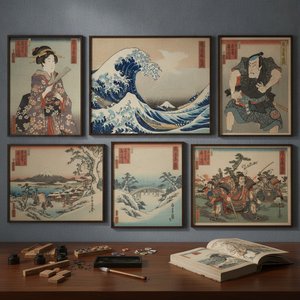
Ukiyo-e: The Art of the Floating World and the Legacy of Japanese Woodblock Masters
Explore the profound history of Ukiyo-e, from Hokusai's iconic waves to the vibrant culture of Edo Japan. Discover the intricate craft of woodblock printing and the enduring legacy of these Japanese masterpieces through our expert art history guide.
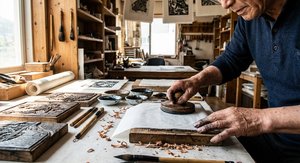
The Enduring Legacy of Woodblock Printmaking: Technique, History & Artistic Expression
Explore the rich history of woodblock printmaking – from ancient techniques to Ukiyo-e masterpieces. Discover expert insights on collecting, preserving & appreciating this enduring art form.
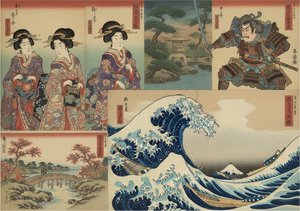
Ukiyo-e: Exploring Japan's Floating World & Enduring Artistic Legacy
Explore the captivating world of Ukiyo-e – Japan's iconic woodblock prints! Discover masters like Hokusai & Hiroshige, learn about Edo period culture, and find expert art collecting guidance at OriginalUniqueArt.
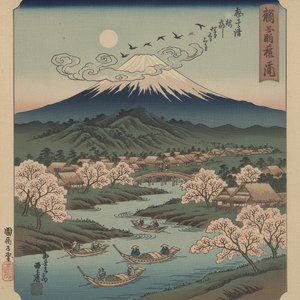
Ukiyo-e's Poetic Visionary: Hiroshige Ando & the Transformation of Landscape in 19th-Century Japan
Explore the life & art of Ando Hiroshige, Japan's last great ukiyo-e master. Discover his iconic landscapes, poetic style, and profound influence on Western Impressionism. Learn about The Fifty-Three Stations & more!


