

 Visualizar em escala
 Enviar
 Compartilhar
 Ver detalhes
 Guia de Obras do Aluno

 Baixar imagem
 Semelhantes
 Raio X
 Apresentação de slides
 Estatísticas
Ardrossan
 Oil On Canvas
- WallArt
- Neo-Romantic Landscape
 1944
1944 51.0 x 61.0 cm
 Walker Art Gallery
 Ver mais
A obra de arte exibida nesta página é protegida por leis de direitos autorais, o que significa que não podemos criar ou vender legalmente uma reprodução idêntica. Esta proteção é aplicada por meio de acordos internacionais, tais como a Convenção de Berna e pelas leis nacionais, incluindo as estabelecidas por Lei de Direitos Autorais dos EUA - Título 17.
Este método cumpre plenamente as regulamentações de direitos autorais, pois não envolve a cópia ou duplicação da obra protegida. Em vez disso, trata-se de uma reinterpretação criativa — uma nova pintura que é influenciada pela original, mas não idêntica a ela.
Giclée / Impressão de Arte
Impressão giclée ou em tela de qualidade de museu, com produção rápida e opções flexíveis de acabamento. ( Encomendar reprodução pintada à mão Ver Imagem Digital)




P118B €10

P118H €10

P118W €10

P438Z €10

P508JH €12

P508YH €12

P805H €10

P805Z €10

P919BZ €10

P919G €10

P919XJ €10

P959ZH €10

P968JZ €12

W106C €8

W218G €10

W218JH €8

W218Y €10

W307PJ €10

W316G €10

W316PJ €8

W316Y €10

W398PJ €8

W4111J €10

W500HY €15

W500JH €15

W692G €12

W849H €8

W940BG €15

W953PJ €8




Escolha entre os nossos tamanhos pré-definidos que respeitam as proporções originais da obra de arte.

Digite a largura e a altura de que necessita, para se ajustar à sua moldura ou à sua parede. Uma impressão só pode ser cortada, nunca ampliada além da imagem original, pelo que um tamanho com uma proporção diferente perderá parte da imagem. Enviamos-lhe uma maquete digital para aprovação antes de imprimirmos qualquer coisa. A imagem apresentada nesta página não mostra o corte real — apenas a maquete o faz.
Entrega mundial () em 2 semanas, em vez das 4/5 semanas padrão. (18 Outubro)

Envio expresso gratuito para todo o mundo

Tela de Linho Premium

Seguro de transporte total

Garantia de Reembolso de Impostos Alfandegários

Garantia de Fidelidade de Cor

Política de Devolução em 100 Dias (Apenas para Defeitos)

Garantia de reembolso de 100%

Desconto para múltiplas unidades
 A opção de vidro está disponível apenas para tamanhos inferiores a 110 cm

Ardrossan
Giclée / Impressão de Arte
Dimensões da Reprodução
-


Preço Total
€ 70
A Moment Frozen in Time: The Essence of Ardrossan
Stephen Bone’s Ardrossan isn't merely a depiction of a coastal town; it’s a carefully constructed evocation of memory, atmosphere, and the quiet dignity of a bygone era. Painted in 1944, during the tumultuous years of World War II, the canvas captures a specific moment – a fleeting glimpse of a bustling harbor scene rendered with a deliberate restraint that speaks volumes about the artist's sensibility. The painting immediately draws the viewer into its monochrome world, a carefully calibrated palette of grays and blacks that feels both familiar and profoundly melancholic. It’s a visual poem to the resilience of place and the enduring power of observation.
- Historical Context: Bone's work during this period is deeply intertwined with his role as an Admiralty war artist, documenting naval activities and coastal defenses. This experience undoubtedly informed his approach to capturing the essence of Ardrossan – a town vital to maritime trade and strategically positioned along the Firth of Clyde.
- The Artist’s Vision: Bone was known for his ability to distill complex landscapes into their most essential elements, prioritizing mood and atmosphere over photographic realism. He sought not just to represent Ardrossan, but to convey a feeling – a sense of timelessness and quiet contemplation.
The Language of Line and Tone
Bone’s masterful use of line is immediately striking. Strong, confident strokes delineate the buildings lining the waterfront, creating a sense of solidity and permanence despite the cloudy sky above. These lines aren't rigid or geometric; they possess a subtle fluidity, suggesting movement and life within the town. The boats in the harbor are rendered with varying degrees of detail, their forms subtly suggested through carefully placed lines, contributing to the overall depth and spatial awareness of the composition. Crucially, the artist employs a sophisticated understanding of tonal variation – light and shadow are used not just for visual interest but also to create a palpable sense of atmosphere. The darker tones in the foreground anchor the scene, while the lighter shades receding into the distance evoke a feeling of atmospheric perspective, drawing the eye deeper into the image.
The painting’s monochromatic palette is particularly effective in conveying a mood of nostalgia and understated drama. It's reminiscent of vintage photographs, lending the work an almost documentary quality while simultaneously elevating it to the realm of art.Symbolism and Emotional Resonance
Beyond its technical merits, Ardrossan is rich in symbolic resonance. The cloudy sky, a dominant feature of the composition, can be interpreted as a metaphor for uncertainty and hardship – reflecting the anxieties of wartime Britain. The harbor itself, with its bustling activity, represents both connection and isolation, highlighting the town’s role as a vital link between land and sea. The presence of the boats suggests trade, industry, and perhaps even a longing for distant horizons. There's an underlying sense of quiet dignity in the scene, a suggestion that life continues despite the challenges of the time.
The painting’s emotional impact is profoundly subtle yet undeniably powerful – it invites contemplation and evokes a feeling of wistful remembrance.A Window into the Past: Technical Details
Painted in oil on canvas, Ardrossan demonstrates Bone's mastery of layering and blending techniques. The visible brushstrokes add texture and depth to the scene, creating a sense of immediacy and authenticity. The careful attention to detail – from the reflections shimmering on the water to the subtle variations in tone – speaks to the artist’s meticulous approach. The dimensions of 51 x 61 cm suggest a scale that is intimate yet expansive, allowing for both detailed observation and a broader appreciation of the scene.
Perguntas e Respostas
Qual é a luminosidade de "Ardrossan" de Stephen Bone?
"Ardrossan" de Stephen Bone possui uma luminância Soft Shadow. A luminância descreve quanta luz as cores parecem refletir.
Que técnica e estilo caracterizam "Ardrossan" de Stephen Bone?
"Ardrossan" é feita em Oil On Canvas, no estilo Neo-Romantic Landscape.
"Ardrossan" é uma obra famosa do Neo-Romantic Landscape?
Dentro do movimento Neo-Romantic Landscape, "Ardrossan" possui um nível de popularidade Recognized.
Biografia do Artista
Stephen Bone: Vida e Arte
Primeiros Anos e Formação
- Nascimento: Chiswick, Reino Unido (1904)
- Falecimento: 1958
- Stephen Bone era filho do renomado artista Sir Muirhead Bone e da escritora Gertrude Helena Dodd. Essa herança artística familiar influenciou profundamente o seu desenvolvimento inicial.
- Ele recebeu sua educação na Bedales School antes de ingressar na Slade School of Fine Art em 1922.
- No entanto, ele se desiludiu com a abordagem acadêmica da Slade e partiu em 1924 para seguir a carreira de ilustrador de livros.
Início de Carreira e Desenvolvimento Artístico
- Bone alcançou sucesso inicial como ilustrador de xilogravura, criando obras para sua mãe e outros escritores. Em 1925, conquistou a medalha de ouro para gravura em madeira na Exposição Internacional em Paris.
- Em 1926, exibiu seu trabalho juntamente com Rodney Joseph Burn e Robin Guthrie na Goupil Gallery, marcando um passo significativo em seu reconhecimento artístico.
- Ele pintou um mural para a estação de metrô Piccadilly Circus em 1928, demonstrando sua versatilidade e expandindo seu escopo artístico.
- O casamento com a artista Mary Adshead, em 1929, levou a extensas viagens pela Grã-Bretanha e Europa. Essas jornadas foram cruciais para o desenvolvimento de seu estilo característico de pintura de paisagem vibrante, capturando cenas en plein air, independentemente das condições climáticas.
A Década de 1930: Pintura de Paisagem e Exposições
- Durante a década de 1930, Bone expôs amplamente em galerias prestigiadas, incluindo a Fine Art Society, Lefevre Gallery e Redfern Gallery.
- Em 1936, apresentou uma série de 41 pinturas retratando condados britânicos na Ryman Gallery, em Oxford, exibindo sua dedicação em capturar a essência da paisagem britânica.
- Ele também realizou exposições em Estocolmo durante 1936 e 1937, expandindo sua projeção internacional.
Artista de Guerra e Contribuições na Segunda Guerra Mundial
- Com o início da Segunda Guerra Mundial, Bone alistou-se como oficial no Estabelecimento de Camuflagem da Defesa Civil.
- Em 1943, foi nomeado artista remunerado em tempo integral pelo War Artists' Advisory Committee, especializando-se em temas da Marinha (Admiralty). Este papel havia sido ocupado anteriormente por seu pai, Muirhead Bone, mas foi assumido por Stephen após a morte de seu filho, Gavin.
- Obras Significativas da Segunda Guerra Mundial: Ele produziu inúmeras pinturas retratando instalações costeiras e embarcações navais, incluindo cenas pintadas a bordo de submarinos.
- Bone testemunhou e documentou o desembarque na Normandia em 1944, pintando cenas em Caen e Courseulles. Ele também registrou o assalto à Ilha de Walcheren, na Holanda.
- Viajou para a Noruega no final de 1944, documentando o naufrágio do Tirpitz e registrando bases navais capturadas, bem como valas comuns de prisioneiros de guerra.
Carreira Pós-Guerra e Legado
- Após a guerra, Bone sentiu que seu estilo estava um tanto fora de moda. Apesar de continuar pintando, enfrentou dificuldades para exibir seu trabalho.
- Ele transitou para a crítica de arte, escrevendo para o Manchester Guardian, e contribuiu com textos humorísticos para o Glasgow Herald.
- Bone também trabalhou na televisão e no rádio para a BBC e colaborou com sua esposa em livros infantis. Juntos, organizaram um curso de pintura mural em Dartington.
- Em 1957, foi nomeado Diretor do Hornsey College of Art.
- Falecimento: Stephen Bone faleceu de câncer em 15 de setembro de 1958, no St Bartholomew's Hospital, em Londres.
- A obra de Stephen Bone oferece um valioso registro visual da Grã-Bretanha de meados do século XX, abrangendo tanto a tranquilidade de suas paisagens quanto as duras realidades do período de guerra.

Stephen Bone
1904 - 1958 , Reino Unido
Informações Rápidas
- Artistic Movement Or Style: Paisagem
- Artists Or Movements Influenced By This Artist: ['NEAC']
- Artists Who Influenced This Artist: ['Muirhead Bone']
- Date Of Birth: 13 Novembro 1904
- Date Of Death: 15 Setembro 1958
- Full Name: Stephen Bone
- Nationality: Inglês
- Notable Artworks: ['Hayricks, tarde de verão']
- Place Of Birth: Londres, Inglaterra
Artigos Relacionados

John Constable: As 25 Obras-Primas que Definem o Mestre da Paisagem Inglesa | OriginalUniqueArt
Descubra as 25 obras-primas de John Constable, o mestre da paisagem inglesa! Explore a arte romântica, cores vibrantes e histórias fascinantes por trás de 'Hay Wain' e outras pinturas icônicas. Encontre reproduções de alta qualidade para decorar sua casa com OriginalUniqueArt.com.

Evocations of Place: A Historical Journey Through Landscape Art
Explore the rich history of landscape art with OriginalUniqueArt. Discover renowned artists, movements like Impressionism & Romanticism, and expert guidance for collecting timeless pieces. Find your perfect serene escape today!

Evocations of Place: A Historical Journey Through Landscape Art
Explore the rich history of landscape art with OriginalUniqueArt. Discover renowned artists, movements like Impressionism & tonalism, and expert guidance for collecting timeless pieces. Find your perfect serene escape today!
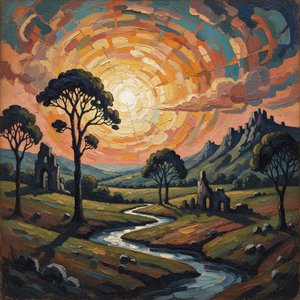
Stephen Bone: A Reassessment of Colour, Form & the British Neo-Romantic Landscape Tradition
Explore the vibrant world of Stephen Bone (1904-1958), a key figure in British Neo-Romanticism. Discover his captivating landscapes, impactful war art & unique artistic style. Learn about his life, influences & legacy.

Os 10 Mestres da Paisagem Romântica: Arte para Inspirar a Sua Casa
Descubra os 10 quadros mais emblemáticos da Paisagem Romântica! Explore a história de Turner, Friedrich e outros mestres. Encontre reproduções de arte exclusivas para inspirar sua decoração em OriginalUniqueArt.com.

