Visualizar em escala
 Enviar
 Compartilhar
 Ver detalhes
 Guia de Obras do Aluno

 Baixar imagem
 Semelhantes
 Raio X
 Apresentação de slides
 Estatísticas
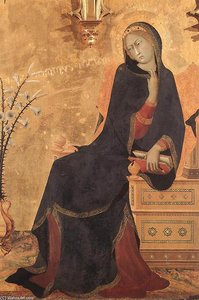
St John the Evangelist
 Acrílico sobre tela
- Arte de Parede
- International Gothic
 1330
1330 34.0 x 24.0 cm
 Barber Institute of Fine Arts
 Ver mais
Giclée / Impressão de Arte
Impressão giclée ou em tela de qualidade de museu, com produção rápida e opções flexíveis de acabamento. ( Encomendar reprodução pintada à mão Ver Imagem Digital)




P118B €10

P118H €10

P118W €10

P438Z €10

P508JH €12

P508YH €12

P805H €10

P805Z €10

P919BZ €10

P919G €10

P919XJ €10

P959ZH €10

P968JZ €12

W106C €8

W218G €10

W218JH €8

W218Y €10

W307PJ €10

W316G €10

W316PJ €8

W316Y €10

W398PJ €8

W4111J €10

W500HY €15

W500JH €15

W692G €12

W849H €8

W940BG €15

W953PJ €8




Escolha entre os nossos tamanhos pré-definidos que respeitam as proporções originais da obra de arte.

Digite a largura e a altura de que necessita, para se ajustar à sua moldura ou à sua parede. Uma impressão só pode ser cortada, nunca ampliada além da imagem original, pelo que um tamanho com uma proporção diferente perderá parte da imagem. Enviamos-lhe uma maquete digital para aprovação antes de imprimirmos qualquer coisa. A imagem apresentada nesta página não mostra o corte real — apenas a maquete o faz.
Entrega mundial () em 2 semanas, em vez das 4/5 semanas padrão. (21 Outubro)

Envio expresso gratuito para todo o mundo

Tela de Linho Premium

Seguro de transporte total

Garantia de Reembolso de Impostos Alfandegários

Garantia de Fidelidade de Cor

Política de Devolução em 100 Dias (Apenas para Defeitos)

Garantia de reembolso de 100%

Desconto para múltiplas unidades
 A opção de vidro está disponível apenas para tamanhos inferiores a 110 cm

St John the Evangelist
Giclée / Impressão de Arte
Dimensões da Reprodução
-


Preço Total
€ 70
The Soulful Stare: Simone Martini’s ‘St John the Evangelist’
Simone Martini's “St John the Evangelist,” painted around 1330, is not merely a depiction of a biblical figure; it’s an exquisite distillation of Sienese courtly elegance and profound spiritual contemplation. This intimate panel, measuring just 34 x 24 cm, radiates a quiet intensity—a testament to Martini's mastery of line, color, and the subtle language of gesture. It represents a pivotal moment in Italian art history, bridging the expressive fervor of Giotto with the refined sensibilities of the International Gothic style, a style that prioritized beauty, detail, and a sense of courtly grace.
The painting immediately draws the eye to St John himself – a young man, rendered with an almost startling youthfulness for a figure associated with suffering. He’s clad in a rich crimson robe, a color historically linked to martyrdom and sacrifice, yet here it speaks not of violent death but of fervent devotion. His hands are clasped together in prayer, a gesture both humble and resolute, conveying a deep sense of inner turmoil and unwavering faith. Martini's meticulous attention to detail is evident in the folds of his drapery, each line meticulously rendered to create a dynamic, almost fluid effect—a technique borrowed from manuscript illumination, reflecting the artistic influences prevalent in Siena at the time.
A Window into Sienese Culture
To understand “St John,” one must appreciate the cultural context within which it was created. Siena, during the 14th century, was a thriving center of commerce and art – a city deeply rooted in religious tradition yet also embracing worldly sophistication. Martini’s work reflects this duality; it's both profoundly spiritual and exquisitely beautiful, embodying the Sienese ideal of “grazia” – a captivating blend of grace, charm, and elegance. The painting likely served as a devotional image for private contemplation, perhaps within a wealthy household or a religious confraternity.
The choice of St John himself is significant. He was traditionally considered the "beloved disciple," known for his intimate relationship with Jesus and his role in recording the Gospels. His association with suffering – he is often depicted alongside the Virgin Mary mourning Christ’s body – adds another layer of emotional resonance to the painting. Martini doesn't simply portray a saint; he captures the very essence of faith, grief, and devotion.
Technique and Materials
“St John” was executed in tempera on wood panel—a technique favored by Sienese artists for its luminosity and rich colors. Martini’s use of color is particularly noteworthy: the deep reds and blues are contrasted with delicate greens and pinks, creating a harmonious yet dynamic composition. The gold leaf framing the painting – though not original to the piece itself – further enhances its visual impact, adding an aura of sacredness and prestige. The artist's mastery of line is equally impressive; each stroke is precise and deliberate, contributing to the overall sense of elegance and refinement.
Symbolism and Legacy
Beyond its aesthetic beauty, “St John” is rich in symbolism. The parapet behind the saint—a pale marble structure—represents the earthly realm, a stage upon which divine grace unfolds. The youthful appearance of St John suggests his purity and innocence, while his outstretched hands symbolize prayer and supplication. Martini’s work stands as a cornerstone of Sienese painting, influencing generations of artists who followed in his footsteps. It's a poignant reminder of the power of art to evoke profound emotions and connect us to the spiritual realm – a timeless masterpiece that continues to captivate viewers centuries after its creation.
Perguntas e Respostas
De que material é feita a obra "St John the Evangelist"?
Simone Martini utilizou a técnica de Acrílico sobre tela para "St John the Evangelist". A técnica define a natureza material da obra original.
Onde "St John the Evangelist" de Simone Martini está em exibição hoje?
A obra original "St John the Evangelist" de Simone Martini encontra-se no Barber Institute of Fine Arts, Birmingham, United Kingdom. Uma reprodução permite que a obra seja exibida em sua casa.
De que forma o estilo de "St John the Evangelist" se relaciona com a época de seu criador?
Em "St John the Evangelist" de Simone Martini, o movimento International Gothic encontra a era Baixa Idade Média.
Biografia do Artista
A Sienese Master of Elegance and Grace
Simone Martini, born around 1284 in the heart of Siena, Italy, stands as a pivotal figure in the transition from medieval to Renaissance art. He wasn’t merely a painter; he was an architect of elegance, a master of line and color who infused his works with a courtly refinement that distinguished him from contemporaries like Giotto. While historical accounts vary regarding his early training—some suggest apprenticeship under Duccio di Buoninsegna, the leading Sienese artist of the time, while others point to Florence and the influence of Giotto—Martini undeniably forged a unique artistic path. His brother-in-law, Lippo Memmi, was also an artist with whom he frequently collaborated, further enriching the vibrant artistic landscape of Siena. The city itself played a crucial role in shaping Martini’s aesthetic; Siena, a thriving center of commerce and culture, fostered an environment where art flourished, blending religious devotion with worldly sophistication.
The Flourishing of International Gothic
Martini's style is immediately recognizable for its departure from the more monumental forms favored in Florence. He embraced a delicate sensibility, characterized by flowing lines, soft decorative details, and an overall sense of grace. This aesthetic wasn’t born in isolation; it was profoundly influenced by external forces. The Via Francigena, a major pilgrimage route traversing Europe, brought with it artistic currents from France—particularly the refined elegance of French manuscript illumination and ivory carving. These influences are readily apparent in Martini's work, manifesting as intricate patterns, elongated figures, and a heightened attention to surface ornamentation. He didn’t simply copy these styles; he synthesized them with existing Sienese traditions, creating something entirely new. His paintings weren’t merely representations of religious scenes but rather elegant narratives imbued with emotional depth and visual poetry.
From Siena to Avignon: A Courtly Appointment
Martini's reputation extended beyond the borders of Italy, leading to a significant turning point in his career. In 1336, he accepted a commission from Pope Benedict XII to create frescoes for the Papal Palace in Avignon, France—a move that placed him at the heart of European power and patronage. This appointment wasn’t merely about artistic skill; it was a testament to Martini's ability to cater to the tastes of a sophisticated courtly audience. While in Avignon, he entered into a remarkable intellectual circle, befriending Francesco Petrarca—better known as Petrarch, the renowned humanist poet. The connection with Petrarch is particularly poignant, as Vasari and other sources suggest that Martini painted a portrait of Laura de Noves, Petrarch’s lifelong muse. Though the portrait itself is lost to time, its very existence speaks volumes about Martini's status as a celebrated artist capable of capturing not only physical likeness but also the essence of beauty and inspiration. The Annunciation with St. Margaret and St. Ansanus, created during his time in Florence before moving to Avignon, is a testament to this period, showcasing delicate beauty and refined aesthetic.
Major Works and Artistic Techniques
Martini’s most celebrated works exemplify the culmination of his artistic development. The *Maestà*, painted between 1312 and 1315 for the Palazzo Pubblico in Siena, remains a cornerstone of his legacy. This monumental fresco depicts the Virgin Mary enthroned with angels and saints, showcasing Martini's mastery of perspective, color, and composition. It’s a prime example of the International Gothic style—characterized by its elegance, refined details, and graceful figures. His *Saint Louis of Toulouse Crowning His Brother Robert of Anjou*, painted in 1317 during his time in Naples, demonstrates his ability to depict complex scenes with clarity and grace, while simultaneously imbuing them with a sense of courtly splendor. The *Annunciation* triptych, created for the Siena Cathedral (now housed in the Uffizi Gallery), is another significant work—a testament to Martini’s skill in creating emotionally resonant religious narratives. His equestrian portrait representing Guidoriccio da Fogliano, general of the Sienese republic, painted around 1328, stands as a pioneering example of this genre in Italy.
Legacy and Enduring Influence
Simone Martini’s impact on the development of European art cannot be overstated. He played a crucial role in disseminating the International Gothic style—a movement characterized by its elegance, refinement, and emphasis on decorative detail—across the continent. His influence extended to generations of artists who followed, shaping the course of late medieval and early Renaissance painting. Martini’s work wasn’t simply about technical skill; it was about creating a visual language that resonated with the sensibilities of his time—a language of beauty, grace, and spiritual devotion. Even today, his paintings continue to captivate viewers with their exquisite detail, harmonious compositions, and enduring sense of elegance. His frescoes in San Francesco d’Assisi demonstrate his mastery of large-scale decorative painting, while works like the Saint Catherine of Alexandria Polyptych showcase his unparalleled command of color and form. Simone Martini died in Avignon in 1344, leaving behind a legacy that continues to inspire awe and admiration centuries later—a testament to the enduring power of art to transcend time and touch the human spirit.

Simone Martini
1284 - 1344 , Itália
Informações Rápidas
- Artistic Movement Or Style: Gótico Internacional
- Artists Or Movements Influenced By This Artist: ['Escola Sienesa']
- Artists Who Influenced This Artist:
- Duccio di Buoninsegna
- Giotto
- Date Of Birth: c. 1284
- Date Of Death: 1344
- Full Name: Simone Martini
- Nationality: Italiano
- Notable Artworks:
- Maestà
- Anunciação
- Saint Louis
- Place Of Birth: Siena, Itália
Artigos Relacionados
High Medieval Art: 10 Masterpieces That Shaped an Era | OriginalUniqueArt
Journey through High Medieval Art! Explore 10 iconic masterpieces – from Giotto's frescoes to stunning Gothic cathedrals. Discover the stories behind these timeless paintings, sculptures & illuminated manuscripts. Find museum-quality art reproductions at OriginalUniqueArt.com.

Simone Martini: Innovation, Spirituality & Courtly Refinement in Sienese Painting
Explore the captivating world of Simone Martini, a pivotal figure in Sienese painting & the International Gothic style. Discover his innovative techniques, spiritual depth, and lasting influence on early Renaissance art.

John Constable: As 25 Obras-Primas que Definem o Mestre da Paisagem Inglesa | OriginalUniqueArt
Descubra as 25 obras-primas de John Constable, o mestre da paisagem inglesa! Explore a arte romântica, cores vibrantes e histórias fascinantes por trás de 'Hay Wain' e outras pinturas icônicas. Encontre reproduções de alta qualidade para decorar sua casa com OriginalUniqueArt.com.

John Singer Sargent: As 25 Obras-Primas que Definem um Ícone da Arte
Descubra as 25 obras-primas de John Singer Sargent, o mestre do retrato e do impressionismo americano. Explore a história, técnica e beleza atemporal de seus quadros mais famosos. Encontre reproduções de arte exclusivas para decorar sua casa com elegância em OriginalUniqueArt.com.

Beyond Borders: The Spiritual & Stylistic Innovations of International Gothic Art
Explore the exquisite beauty & spiritual depth of International Gothic art. Discover key artists like Simone Martini & Pol de Limbourg, its origins, symbolism, and lasting influence on European painting. Expert insights at OriginalUniqueArt.