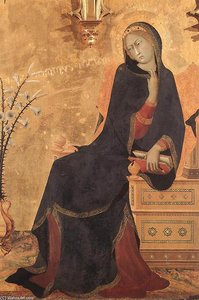
Visualizar na parede
 Compartilhar
 Compartilhar
 Detalhes
 Guia
Guia

 Baixar imagem
 Semelhantes
 Raio X
 Ver diaporama
 Q&A
Q&A Estatísticas
Crucifixion

- 24.0 x 15.0 cm


 Ler mais
Giclée / Impressão de Arte
Impressão giclée ou em tela de qualidade de museu, com produção rápida e opções flexíveis de acabamento. ( Comprar pintura feita à mão Alternar para Imagem Digital)




P118B €10

P118H €10

P118W €10

P438Z €10

P508JH €12

P508YH €12

P805H €10

P805Z €10

P919BZ €10

P919G €10

P919XJ €10

P959ZH €10

P968JZ €12

W106C €8

W218G €10

W218JH €8

W218Y €10

W307PJ €10

W316G €10

W316PJ €8

W316Y €10

W398PJ €8

W4111J €10

W500HY €15

W500JH €15

W692G €12

W849H €8

W940BG €15

W953PJ €8




Escolha entre os nossos tamanhos pré-definidos que respeitam as proporções originais da obra de arte.

Insira a largura e a altura desejadas para se ajustarem à sua moldura ou parede. Uma impressão pode ser apenas cortada, nunca ampliada além da imagem original; portanto, um tamanho com proporções diferentes resultará na perda de parte da imagem. Enviamos uma maquete digital para sua aprovação antes de realizarmos a impressão. A imagem exibida nesta página não mostra o corte real — apenas a maquete o faz.
Entrega mundial () em 2 semanas, em vez das 4/5 semanas padrão. (1 Novembro)

Envio expresso gratuito para todo o mundo

Tela de Linho de Alta Qualidade

Seguro de transporte completo

Garantia de Reembolso de Impostos Alfandegários

Garantia de Fidelidade Cromática

Política de Devolução em 100 Dias (Apenas para Defeitos)

Garantia de reembolso de 100%

Oferta de desconto por quantidade
 A opção de vidro está disponível apenas para tamanhos inferiores a 110 cm

Crucifixion
Giclée / Impressão de Arte
Tamanho da Reprodução
-


Preço Total
€ 71
A Divine Drama in Miniature: The Elegance of Simone Martini
In the quiet intimacy of a small panel, measuring a mere 24 by 15 centimeters, Simone Martini captures an event of cosmic significance with unparalleled grace. His Crucifixion, painted around 1333, is far more than a historical record of Christian passion; it is a masterclass in the Sienese Gothic aesthetic, where spiritual agony meets courtly refinement. To gaze upon this work is to enter a realm where the heavy weight of suffering is balanced by an ethereal, almost weightless beauty. The scene unfolds with a breathtaking precision that belies its diminutive scale, inviting the viewer into a profound moment of contemplation that feels both deeply personal and universally monumental.
The technical mastery displayed in this piece reflects the pinnacle of 14th-century Italian innovation. Utilizing tempera on panel, Martini employs a technique that allows for a luminous, jewel-like quality, particularly evident in the way light interacts with the delicate surfaces. Unlike the more grounded, earthy realism found in the Florentine works of his contemporary Giotto, Martini’s hand is characterized by an aristocratic elegance. He utilizes subtle hatching and scumbling to create soft gradations of tone, lending a palpable sense of atmosphere to the air surrounding the cross. The figures are rendered with elongated, lyrical lines and drapery that flows with a rhythmic, musical quality, transforming a scene of execution into a dance of divine sorrow.
Siena’s Golden Age and the Language of Faith
To understand the soul of this painting, one must look to the vibrant streets of 14th-century Siena. During this period, Siena was a flourishing center of commerce and culture, a city defined by its intense religious devotion and sophisticated patronage. Martini, a pivotal figure in the transition from the medieval to the Renaissance, worked within an environment shaped by the Dominican Order and a wealthy merchant class that craun for art reflecting both piety and prestige. This Crucifixion serves as a testament to that era's spiritual fervor, embodying the Sienese school's unique ability to blend Byzantine-influenced iconography with a new, more emotive humanism.
The symbolism embedded within the composition invites layers of interpretation for the discerning collector. The positioning of Christ, suspended between heaven and earth, acts as a bridge for the faithful. Surrounding him, the figures of mourners and angels are not merely spectators but participants in a shared emotional experience. The vibrant colors and intricate details—from the subtle glint of gold to the poignant expressions of grief—work in harmony to convey the central tenets of the Christian faith: sacrifice, redemption, and eternal hope. For those looking to integrate such a piece into a curated collection or a sophisticated interior, it offers a profound focal point that commands attention through its quiet, dignified intensity.
Whether viewed as a historical masterpiece or an exquisite decorative element, Martini’s Crucifixion remains an enduring icon of beauty. It possesses the rare ability to anchor a room with its historical gravity while elevating the surrounding space with its delicate, luminous spirit. For the art lover and the interior designer alike, this work represents a timeless intersection of technical brilliance and emotional depth, making it a truly incomparable treasure for any high-quality reproduction collection.
Perguntas e Respostas
Qual é a luminância de "Crucifixion", de Simone Martini?
As cores de "Crucifixion" apresentam uma luminância Gentle Luminance.
Qual artista e qual estilo estão por trás de "Crucifixion"?
Por trás de "Crucifixion" estão Simone Martini e o movimento Late Gothic.
Em que fase da carreira de Simone Martini se situa "Crucifixion", considerando a sua data?
Dada a sua data de 1333, "Crucifixion" insere-se no período Mature de Simone Martini.
Biografia do Artista
A Sienese Master of Elegance and Grace
Simone Martini, born around 1284 in the heart of Siena, Italy, stands as a pivotal figure in the transition from medieval to Renaissance art. He wasn’t merely a painter; he was an architect of elegance, a master of line and color who infused his works with a courtly refinement that distinguished him from contemporaries like Giotto. While historical accounts vary regarding his early training—some suggest apprenticeship under Duccio di Buoninsegna, the leading Sienese artist of the time, while others point to Florence and the influence of Giotto—Martini undeniably forged a unique artistic path. His brother-in-law, Lippo Memmi, was also an artist with whom he frequently collaborated, further enriching the vibrant artistic landscape of Siena. The city itself played a crucial role in shaping Martini’s aesthetic; Siena, a thriving center of commerce and culture, fostered an environment where art flourished, blending religious devotion with worldly sophistication.
The Flourishing of International Gothic
Martini's style is immediately recognizable for its departure from the more monumental forms favored in Florence. He embraced a delicate sensibility, characterized by flowing lines, soft decorative details, and an overall sense of grace. This aesthetic wasn’t born in isolation; it was profoundly influenced by external forces. The Via Francigena, a major pilgrimage route traversing Europe, brought with it artistic currents from France—particularly the refined elegance of French manuscript illumination and ivory carving. These influences are readily apparent in Martini's work, manifesting as intricate patterns, elongated figures, and a heightened attention to surface ornamentation. He didn’t simply copy these styles; he synthesized them with existing Sienese traditions, creating something entirely new. His paintings weren’t merely representations of religious scenes but rather elegant narratives imbued with emotional depth and visual poetry.
From Siena to Avignon: A Courtly Appointment
Martini's reputation extended beyond the borders of Italy, leading to a significant turning point in his career. In 1336, he accepted a commission from Pope Benedict XII to create frescoes for the Papal Palace in Avignon, France—a move that placed him at the heart of European power and patronage. This appointment wasn’t merely about artistic skill; it was a testament to Martini's ability to cater to the tastes of a sophisticated courtly audience. While in Avignon, he entered into a remarkable intellectual circle, befriending Francesco Petrarca—better known as Petrarch, the renowned humanist poet. The connection with Petrarch is particularly poignant, as Vasari and other sources suggest that Martini painted a portrait of Laura de Noves, Petrarch’s lifelong muse. Though the portrait itself is lost to time, its very existence speaks volumes about Martini's status as a celebrated artist capable of capturing not only physical likeness but also the essence of beauty and inspiration. The Annunciation with St. Margaret and St. Ansanus, created during his time in Florence before moving to Avignon, is a testament to this period, showcasing delicate beauty and refined aesthetic.
Major Works and Artistic Techniques
Martini’s most celebrated works exemplify the culmination of his artistic development. The *Maestà*, painted between 1312 and 1315 for the Palazzo Pubblico in Siena, remains a cornerstone of his legacy. This monumental fresco depicts the Virgin Mary enthroned with angels and saints, showcasing Martini's mastery of perspective, color, and composition. It’s a prime example of the International Gothic style—characterized by its elegance, refined details, and graceful figures. His *Saint Louis of Toulouse Crowning His Brother Robert of Anjou*, painted in 1317 during his time in Naples, demonstrates his ability to depict complex scenes with clarity and grace, while simultaneously imbuing them with a sense of courtly splendor. The *Annunciation* triptych, created for the Siena Cathedral (now housed in the Uffizi Gallery), is another significant work—a testament to Martini’s skill in creating emotionally resonant religious narratives. His equestrian portrait representing Guidoriccio da Fogliano, general of the Sienese republic, painted around 1328, stands as a pioneering example of this genre in Italy.
Legacy and Enduring Influence
Simone Martini’s impact on the development of European art cannot be overstated. He played a crucial role in disseminating the International Gothic style—a movement characterized by its elegance, refinement, and emphasis on decorative detail—across the continent. His influence extended to generations of artists who followed, shaping the course of late medieval and early Renaissance painting. Martini’s work wasn’t simply about technical skill; it was about creating a visual language that resonated with the sensibilities of his time—a language of beauty, grace, and spiritual devotion. Even today, his paintings continue to captivate viewers with their exquisite detail, harmonious compositions, and enduring sense of elegance. His frescoes in San Francesco d’Assisi demonstrate his mastery of large-scale decorative painting, while works like the Saint Catherine of Alexandria Polyptych showcase his unparalleled command of color and form. Simone Martini died in Avignon in 1344, leaving behind a legacy that continues to inspire awe and admiration centuries later—a testament to the enduring power of art to transcend time and touch the human spirit.

Simone Martini
1284 - 1344 , Itália
Dados Rápidos
- Artistic Movement Or Style: Gótico Internacional
- Artists Or Movements Influenced By This Artist: ['Escola Sienesa']
- Artists Who Influenced This Artist:
- Duccio di Buoninsegna
- Giotto
- Date Of Birth: c. 1284
- Date Of Death: 1344
- Full Name: Simone Martini
- Nationality: Italiano
- Notable Artworks:
- Maestà
- Anunciação
- Saint Louis
- Place Of Birth: Siena, Itália
Artigos Relacionados

Gothic Vibes: From Dark Shadows to Bold Modern Edge | The Ultimate Trend Forecast
Explore the evolution of Gothic vibes, from historical shadows to bold modern edge. Discover how dark aesthetics, noir interiors, and contemporary subcultures are redefining modern design through a high-impact, trend-focused lens.
Obras-Primas em Têmpera sobre Painel: 10 Mestres que Revolucionaram a Arte | OriginalUniqueArt
Descubra 10 obras-primas em têmpera sobre painel que revolucionaram a arte! Explore a história de Giotto, Botticelli e outros mestres do Renascimento. Encontre reproduções de museu e inspire sua decoração com OriginalUniqueArt.com.

Illuminating Surfaces: A Comprehensive Exploration of Tempera on Panel Painting Techniques & Historical Significance
Explore the rich history & techniques of tempera painting! Discover Renaissance masters like Botticelli & Fra Angelico, conservation insights, and the enduring legacy of this captivating art form. Learn more now!
Shadows & Splendor: A Journey Through the Soul of Gothic Art and Architectural Grandeur
Embark on a profound journey through the spiritual intensity of Gothic art. Explore the architectural marvels, luminous stained glass, and sacred sculptures that define this era of grandeur and human devotion.

Tempera on Panel: A Procurement Guide to Durable, High-Quality Art for Large-Scale Hospitality Projects
A professional procurement guide for hotel designers on the durability and prestige of tempera on panel. Discover how these high-quality, large-scale artworks offer unmatched longevity and architectural impact for premium hospitality projects and commercial interiors.