Visualizar na parede
 Compartilhar
 Compartilhar
 Detalhes
 Guia
Guia

 Baixar imagem
 Semelhantes
 Raio X
 Ver diaporama
 Perguntas e Respostas
 Estatísticas
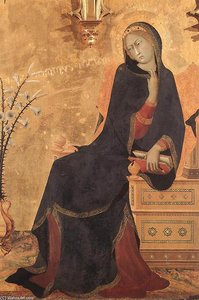
Blessed Agostino Novello Altarpiece


 Ler mais
Giclée / Impressão de Arte
Impressão giclée ou em tela de qualidade de museu, com produção rápida e opções flexíveis de acabamento. ( Comprar pintura feita à mão Alternar para Imagem Digital)




P118B €10

P118H €10

P118W €10

P438Z €10

P508JH €12

P508YH €12

P805H €10

P805Z €10

P919BZ €10

P919G €10

P919XJ €10

P959ZH €10

P968JZ €12

W106C €8

W218G €10

W218JH €8

W218Y €10

W307PJ €10

W316G €10

W316PJ €8

W316Y €10

W398PJ €8

W4111J €10

W500HY €15

W500JH €15

W692G €12

W849H €8

W940BG €15

W953PJ €8




Escolha entre os nossos tamanhos pré-definidos que respeitam as proporções originais da obra de arte.

Insira a largura e a altura desejadas para se ajustarem à sua moldura ou parede. Uma impressão pode ser apenas cortada, nunca ampliada além da imagem original; portanto, um tamanho com proporções diferentes resultará na perda de parte da imagem. Enviamos uma maquete digital para sua aprovação antes de realizarmos a impressão. A imagem exibida nesta página não mostra o corte real — apenas a maquete o faz.
Entrega mundial () em 2 semanas, em vez das 4/5 semanas padrão. (8 Novembro)

Envio expresso gratuito para todo o mundo

Tela de Linho de Alta Qualidade

Seguro de transporte completo

Garantia de Reembolso de Impostos Alfandegários

Garantia de Fidelidade Cromática

Política de Devolução em 100 Dias (Apenas para Defeitos)

Garantia de reembolso de 100%

Oferta de desconto por quantidade
 A opção de vidro está disponível apenas para tamanhos inferiores a 110 cm

Blessed Agostino Novello Altarpiece
Giclée / Impressão de Arte
Tamanho da Reprodução
-


Preço Total
€ 72
Uma Visão de Santidade e Vida Cívica: O Altarpiece do Bem Aventurado Agostino Novello
Simone Martini, nascido por volta de 1284 na cidade sisenha italiana, permanece como uma figura fundamental na transição da arte medieval para a renascença artística. Ele não era apenas um pintor; ele era arquiteto da elegância, mestre em linha e cor que infusão seus trabalhos com uma sofisticação cortesã que o distinguia de contemporâneos como Giotto. Embora os relatos históricos variem sobre seu treinamento inicial—alguns sugerem aprendizagem sob Duccio di Buoninsegna, o artista liderado sisenha da época, enquanto outros apontam para Florença e a influência de Giotto—Martini certamente forjou um caminho artístico único. Seu irmão-in-law, Lippo Memmi, também era artista com quem frequentemente colaborava, enriquecendo ainda mais o vibrante cenário artístico de Siena. A cidade em si desempenhou um papel crucial na formação estética de Martini; Siena, um centro próspero de comércio e cultura, fomentou um ambiente onde a arte floresceu, combinando devoção religiosa com interesses mundanos – características que definiram o estilo internacional gótico que Martini ajudou a estabelecer.Decifrando o Narrativa: Milagres e Identidade Cívica
O painel central imediatamente chama o olhar pela representação do Bem Aventurado Agostino Novello em si. Ele é retratado não como uma figura sobrenatural, mas como um homem de inteligência e autoridade, segurando um livro – provavelmente os Constituições da Ordem Augustiniana –, sugerindo tanto interesses acadêmicos quanto responsabilidades administrativas. Esta não é apenas uma pintura de um santo; é uma apresentação deliberada de um herói local, alguém cuja vida ressoava com os valores da sociedade sienesa. Flanqueando esta figura central estão cenas ilustrando milagres atribuídos a Agostino, cada composição cuidadosamente elaborada para mostrar sua intervenção na vida das pessoas comuns. Estes não são eventos grandiosos ou dramáticos, mas momentos íntimos de resgate – crianças salvas de quedas, proteção contra animais selvagens – refletindo uma conexão profunda entre o santo e a comunidade que ele serviu. Essas intervenções miraculosas acontecem contra fundos meticulosamente renderizados representando a cidade de Siena em si, ancorando o divino no ambiente familiar da vida cívica. Esta integração do sagrado e secular é crucial para compreender a função original do altarpiece: não era apenas um objeto devocional, mas uma declaração sobre a identidade sienesa e sua relação com a fé.A Técnica Martini: Linhas Elegantes e Luz Luminosa
Simone Martini era renomado por seu estilo distinto, uma ruptura com as formas monumentais favorecidas por artistas florentinos como Giotto. Sua abordagem é caracterizada pela ênfase em linhas elegantes, draperia sofisticada e uso delicado da cor. No Altarpiece do Bem Aventurado Agostino Novello, isso se manifesta nas roupas fluídas das figuras, nos detalhes intrincados dos ambientes arquitetônicos e nas sutis gradações de luz e sombra que dão à cena uma sensação de profundidade e realismo. O domínio Martini da têmpera – uma técnica envolvendo pigmentos misturados com ovo amarelo – permitiu que ele alcançasse uma qualidade luminosa em suas pinturas, criando superfícies que parecem brilhar por dentro. Os detalhes dourados estrategicamente colocados ao longo da composição reforçam ainda mais essa eficácia, adicionando um toque de opulência e reforçando a natureza sagrada do assunto. O efeito geral é um de beleza refinada e serenidade espiritual, convidando à contemplação e reverência.Um Legado de Elegância: A Influência Martini na Arte Italiana
O Altarpiece do Bem Aventurado Agostino Novello permanece como testemunho da genialidade artística Martini e seu papel fundamental no desenvolvimento da pintura italiana. Sua influência se estendeu além de Siena, impactando artistas por toda a Itália e até mesmo influenciando o curso da arte norteuropeia. Martini enfatizou elegância, detalhe refinado e expressão emocional – características que pavimentaram o caminho para o estilo internacional gótico, um movimento que floresceu na Europa no final do século XIV e início do século XV. Hoje, reproduções deste magnífico trabalho oferecem amantes da arte e designers interiores uma oportunidade de trazer um toque de graça sienesa e profundidade espiritual às suas casas ou coleções. O altarpiece não é apenas um artefato histórico; ele é uma expressão atemporal de fé, beleza e o poder duradouro da arte para nos conectar ao passado.Perguntas e Respostas
As cores de "Blessed Agostino Novello Altarpiece" parecem intensas ou suaves?
As cores em "Blessed Agostino Novello Altarpiece", de Simone Martini possuem uma intensidade Vívido.
Qual é o tamanho de impressão recomendado para "Blessed Agostino Novello Altarpiece"?
Sugere-se uma reprodução de Grande formato para "Blessed Agostino Novello Altarpiece", de Simone Martini. O tamanho pode ser ajustado mantendo as proporções.
Posso examinar "Blessed Agostino Novello Altarpiece" com mais detalhes?
A visualização em Raio-X de "Blessed Agostino Novello Altarpiece", de Simone Martini está disponível na página Raio X da obra: um exame interativo da imagem através de onze camadas ópticas.
Biografia do Artista
A Sienese Master of Elegance and Grace
Simone Martini, born around 1284 in the heart of Siena, Italy, stands as a pivotal figure in the transition from medieval to Renaissance art. He wasn’t merely a painter; he was an architect of elegance, a master of line and color who infused his works with a courtly refinement that distinguished him from contemporaries like Giotto. While historical accounts vary regarding his early training—some suggest apprenticeship under Duccio di Buoninsegna, the leading Sienese artist of the time, while others point to Florence and the influence of Giotto—Martini undeniably forged a unique artistic path. His brother-in-law, Lippo Memmi, was also an artist with whom he frequently collaborated, further enriching the vibrant artistic landscape of Siena. The city itself played a crucial role in shaping Martini’s aesthetic; Siena, a thriving center of commerce and culture, fostered an environment where art flourished, blending religious devotion with worldly sophistication.
The Flourishing of International Gothic
Martini's style is immediately recognizable for its departure from the more monumental forms favored in Florence. He embraced a delicate sensibility, characterized by flowing lines, soft decorative details, and an overall sense of grace. This aesthetic wasn’t born in isolation; it was profoundly influenced by external forces. The Via Francigena, a major pilgrimage route traversing Europe, brought with it artistic currents from France—particularly the refined elegance of French manuscript illumination and ivory carving. These influences are readily apparent in Martini's work, manifesting as intricate patterns, elongated figures, and a heightened attention to surface ornamentation. He didn’t simply copy these styles; he synthesized them with existing Sienese traditions, creating something entirely new. His paintings weren’t merely representations of religious scenes but rather elegant narratives imbued with emotional depth and visual poetry.
From Siena to Avignon: A Courtly Appointment
Martini's reputation extended beyond the borders of Italy, leading to a significant turning point in his career. In 1336, he accepted a commission from Pope Benedict XII to create frescoes for the Papal Palace in Avignon, France—a move that placed him at the heart of European power and patronage. This appointment wasn’t merely about artistic skill; it was a testament to Martini's ability to cater to the tastes of a sophisticated courtly audience. While in Avignon, he entered into a remarkable intellectual circle, befriending Francesco Petrarca—better known as Petrarch, the renowned humanist poet. The connection with Petrarch is particularly poignant, as Vasari and other sources suggest that Martini painted a portrait of Laura de Noves, Petrarch’s lifelong muse. Though the portrait itself is lost to time, its very existence speaks volumes about Martini's status as a celebrated artist capable of capturing not only physical likeness but also the essence of beauty and inspiration. The Annunciation with St. Margaret and St. Ansanus, created during his time in Florence before moving to Avignon, is a testament to this period, showcasing delicate beauty and refined aesthetic.
Major Works and Artistic Techniques
Martini’s most celebrated works exemplify the culmination of his artistic development. The *Maestà*, painted between 1312 and 1315 for the Palazzo Pubblico in Siena, remains a cornerstone of his legacy. This monumental fresco depicts the Virgin Mary enthroned with angels and saints, showcasing Martini's mastery of perspective, color, and composition. It’s a prime example of the International Gothic style—characterized by its elegance, refined details, and graceful figures. His *Saint Louis of Toulouse Crowning His Brother Robert of Anjou*, painted in 1317 during his time in Naples, demonstrates his ability to depict complex scenes with clarity and grace, while simultaneously imbuing them with a sense of courtly splendor. The *Annunciation* triptych, created for the Siena Cathedral (now housed in the Uffizi Gallery), is another significant work—a testament to Martini’s skill in creating emotionally resonant religious narratives. His equestrian portrait representing Guidoriccio da Fogliano, general of the Sienese republic, painted around 1328, stands as a pioneering example of this genre in Italy.
Legacy and Enduring Influence
Simone Martini’s impact on the development of European art cannot be overstated. He played a crucial role in disseminating the International Gothic style—a movement characterized by its elegance, refinement, and emphasis on decorative detail—across the continent. His influence extended to generations of artists who followed, shaping the course of late medieval and early Renaissance painting. Martini’s work wasn’t simply about technical skill; it was about creating a visual language that resonated with the sensibilities of his time—a language of beauty, grace, and spiritual devotion. Even today, his paintings continue to captivate viewers with their exquisite detail, harmonious compositions, and enduring sense of elegance. His frescoes in San Francesco d’Assisi demonstrate his mastery of large-scale decorative painting, while works like the Saint Catherine of Alexandria Polyptych showcase his unparalleled command of color and form. Simone Martini died in Avignon in 1344, leaving behind a legacy that continues to inspire awe and admiration centuries later—a testament to the enduring power of art to transcend time and touch the human spirit.

Simone Martini
1284 - 1344 , Itália
Dados Rápidos
- Artistic Movement Or Style: Gótico Internacional
- Artists Or Movements Influenced By This Artist: ['Escola Sienesa']
- Artists Who Influenced This Artist:
- Duccio di Buoninsegna
- Giotto
- Date Of Birth: c. 1284
- Date Of Death: 1344
- Full Name: Simone Martini
- Nationality: Italiano
- Notable Artworks:
- Maestà
- Anunciação
- Saint Louis
- Place Of Birth: Siena, Itália
Artigos Relacionados

Beyond Borders: The Spiritual & Stylistic Innovations of International Gothic Art
Explore the exquisite beauty & spiritual depth of International Gothic art. Discover key artists like Simone Martini & Pol de Limbourg, its origins, symbolism, and lasting influence on European painting. Expert insights at OriginalUniqueArt.

Simone Martini: Innovation, Spirituality & Courtly Refinement in Sienese Painting
Explore the captivating world of Simone Martini, a pivotal figure in Sienese painting & the International Gothic style. Discover his innovative techniques, spiritual depth, and lasting influence on early Renaissance art.

The Radiant Dusk of Medieval Vision: Exploring Late Gothic Art's Synthesis of Faith, Form & Emotionality (c. 1300-1500)
Explore the exquisite beauty & spiritual depth of Late Gothic art (c. 1300-1500). Discover key artists, symbolism, and its lasting influence on the Renaissance. Expert insights at OriginalUniqueArt.
Shadows & Splendor: A Journey Through the Soul of Gothic Art and Architectural Grandeur
Embark on a profound journey through the spiritual intensity of Gothic art. Explore the architectural marvels, luminous stained glass, and sacred sculptures that define this era of grandeur and human devotion.

Gothic Vibes: From Dark Shadows to Bold Modern Edge | The Ultimate Trend Forecast
Explore the evolution of Gothic vibes, from historical shadows to bold modern edge. Discover how dark aesthetics, noir interiors, and contemporary subcultures are redefining modern design through a high-impact, trend-focused lens.