Visualizar em escala
 Enviar
 Compartilhar
 Ver detalhes
 Guia de Obras do Aluno

 Baixar imagem
 Semelhantes
 Raio X
 Apresentação de slides
 Estatísticas
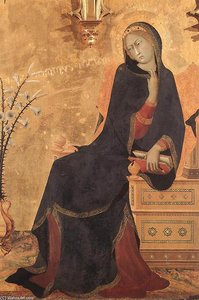
A Anunciação com Santa Margarida e Santa Ansanus
 Têmpera sobre painel de madeira
- Arte de Parede
- International Gothic
 1333
1333- Baixa Idade Média
 Galleria degli Uffizi
 Ver mais
Giclée / Impressão de Arte
Impressão giclée ou em tela de qualidade de museu, com produção rápida e opções flexíveis de acabamento. ( Encomendar reprodução pintada à mão Ver Imagem Digital)




P118B $10

P118H $10

P118W $10

P438Z $10

P508JH $12

P508YH $12

P805H $10

P805Z $10

P919BZ $10

P919G $10

P919XJ $10

P959ZH $10

P968JZ $12

W106C $8

W218G $10

W218JH $8

W218Y $10

W307PJ $10

W316G $10

W316PJ $8

W316Y $10

W398PJ $8

W4111J $10

W500HY $15

W500JH $15

W692G $12

W849H $8

W940BG $15

W953PJ $8




Escolha entre os nossos tamanhos pré-definidos que respeitam as proporções originais da obra de arte.

Você pode inserir suas próprias dimensões para se ajustar a uma moldura ou espaço específico. Se o tamanho selecionado não corresponder às proporções da imagem original, iremos recortar a obra de arte ou estender a imagem com uma borda espelhada ou preenchimento sólido. Um mockup digital será enviado para sua aprovação antes do início da produção.
Por favor, observe que a visualização na tela não reflete o recorte ou a extensão real. Apenas o mockup mostrará com precisão a composição final.
Embora tamanhos personalizados estejam disponíveis, recomendamos selecionar uma dimensão da lista predefinida para preservar as proporções originais.
Entrega mundial () em 2 semanas, em vez das 4/5 semanas padrão. (25 Setembro)

Envio expresso gratuito para todo o mundo

Tela de Linho Premium

Seguro de transporte total

Garantia de Reembolso de Impostos Alfandegários

Garantia de Fidelidade de Cor

Política de Devolução em 100 Dias (Apenas para Defeitos)

Garantia de reembolso de 100%

Desconto para múltiplas unidades
 A opção de vidro está disponível apenas para tamanhos inferiores a 110 cm

A Anunciação com Santa Margarida e Santa Ansanus
Giclée / Impressão de Arte
Dimensões da Reprodução
-


Preço Total
$ 80
A Sinfonia da Fé e da Elegância: A Annunciation com Santa Margarida e Santa Ansanus de Simone Martini
Em 1333, no coração vibrante de Siena, Simone Martini, um dos maiores expoentes do início da Renascença Italiana, teceu uma obra-prima que transcende o tempo e continua a inspirar admiração: a Annunciation com Santa Margarida e Santa Ansanus. Mais do que uma simples representação de um evento bíblico, esta triptique é um portal para um mundo de simbolismo refinado, beleza delicada e uma profunda reverência espiritual – um testemunho da maestria artística e da visão singular de Martini.
A pintura, agora graciosamente abrigada na Galeria Uffizi em Florença, não se limita a narrar a cena do anúncio do anjo Gabriel à Virgem Maria. Ela é uma complexa tapeçaria de significados, onde cada elemento – desde as cores vibrantes até a meticulosa modelagem dos rostos – carrega consigo uma mensagem profunda. A composição hierárquica, com Gabriel e Maria no centro, enfatiza a importância da revelação divina, enquanto os santos margarida e ansanus oferecem um contraponto humano, ancorando o evento celestial em um contexto familiar e de proteção.
A Elegância Gótica Renascentista: Estilo e Técnica
Martini, um mestre na arte de equilibrar as tradições bizantinas com os novos ideais renascentistas, emprega uma paleta de cores rica e luminosa, dominada por tons dourados que evocam a luz divina. A técnica de *tempera sobre painel*, meticulosamente aplicada em camadas finas, confere à obra uma textura suave e um brilho etéreo. O uso extensivo de folhas de ouro não é meramente decorativo; ele simboliza a presença do divino, iluminando a cena com uma aura de santidade.
Observe a delicadeza dos detalhes: o drapeado das vestes, a modelagem suave dos rostos, os intrincados padrões geométricos que adornam o fundo. Martini demonstra um domínio excepcional da perspectiva e da anatomia, mas sem sacrificar a elegância característica do estilo internacional gótico. A influência de manuscritos iluminados franceses é evidente na composição geral, mas a obra de Martini incorpora uma nova sensação de naturalismo e expressividade, prenunciando as mudanças que viriam com o Renascimento pleno.
Um Código Simbólico: Decifrando os Significados
A Annunciation não é apenas um belo objeto visual; ela é um livro aberto de simbolismos. A pomba descendo do céu representa o Espírito Santo, enquanto os lírios no vaso simbolizam a pureza e a virgindade da Virgem Maria. O jardim fechado, uma referência à *hortus conclusus*, evoca a concepção divina de Maria. Até mesmo as vestes dos personagens carregam significados: tecidos ricos e cores vibrantes indicam o status divino e a santidade.
Os tondos (quadros redondos) acima da cena, com profetas, conectam o anúncio à história do Antigo Testamento, preparando o caminho para a vinda de Cristo. A atenção aos detalhes – a expressão de espanto em Maria, a postura confiante de Gabriel – revela um profundo conhecimento da narrativa bíblica e uma habilidade notável em transmitir emoções através da imagem.
Um Legado de Fé e Arte: Contexto Histórico e Impacto Emocional
Criada durante um período de grande florescimento artístico em Siena, a Annunciation reflete o orgulho e a prosperidade da cidade. A encomenda original para a Catedral de Siena demonstrava o poder e a influência da comunidade local. Martini, conhecido por sua amizade com Petrarca e por suas viagens para Avignon, onde pintou para o papado, era um artista altamente requisitado em toda a Europa.
A Annunciation com Santa Margarida e Santa Ansanus continua a tocar os corações dos espectadores séculos depois. Sua beleza serena, sua riqueza de detalhes e sua profunda mensagem espiritual a tornam uma obra-prima atemporal – um testemunho da capacidade da arte de evocar a fé, a esperança e o amor divino. Uma peça ideal para colecionadores que apreciam a elegância do Gótico Renascentista e a beleza transcendental da arte sacra.
Biografia do Artista
A Sienese Master of Elegance and Grace
Simone Martini, born around 1284 in the heart of Siena, Italy, stands as a pivotal figure in the transition from medieval to Renaissance art. He wasn’t merely a painter; he was an architect of elegance, a master of line and color who infused his works with a courtly refinement that distinguished him from contemporaries like Giotto. While historical accounts vary regarding his early training—some suggest apprenticeship under Duccio di Buoninsegna, the leading Sienese artist of the time, while others point to Florence and the influence of Giotto—Martini undeniably forged a unique artistic path. His brother-in-law, Lippo Memmi, was also an artist with whom he frequently collaborated, further enriching the vibrant artistic landscape of Siena. The city itself played a crucial role in shaping Martini’s aesthetic; Siena, a thriving center of commerce and culture, fostered an environment where art flourished, blending religious devotion with worldly sophistication.
The Flourishing of International Gothic
Martini's style is immediately recognizable for its departure from the more monumental forms favored in Florence. He embraced a delicate sensibility, characterized by flowing lines, soft decorative details, and an overall sense of grace. This aesthetic wasn’t born in isolation; it was profoundly influenced by external forces. The Via Francigena, a major pilgrimage route traversing Europe, brought with it artistic currents from France—particularly the refined elegance of French manuscript illumination and ivory carving. These influences are readily apparent in Martini's work, manifesting as intricate patterns, elongated figures, and a heightened attention to surface ornamentation. He didn’t simply copy these styles; he synthesized them with existing Sienese traditions, creating something entirely new. His paintings weren’t merely representations of religious scenes but rather elegant narratives imbued with emotional depth and visual poetry.
From Siena to Avignon: A Courtly Appointment
Martini's reputation extended beyond the borders of Italy, leading to a significant turning point in his career. In 1336, he accepted a commission from Pope Benedict XII to create frescoes for the Papal Palace in Avignon, France—a move that placed him at the heart of European power and patronage. This appointment wasn’t merely about artistic skill; it was a testament to Martini's ability to cater to the tastes of a sophisticated courtly audience. While in Avignon, he entered into a remarkable intellectual circle, befriending Francesco Petrarca—better known as Petrarch, the renowned humanist poet. The connection with Petrarch is particularly poignant, as Vasari and other sources suggest that Martini painted a portrait of Laura de Noves, Petrarch’s lifelong muse. Though the portrait itself is lost to time, its very existence speaks volumes about Martini's status as a celebrated artist capable of capturing not only physical likeness but also the essence of beauty and inspiration. The Annunciation with St. Margaret and St. Ansanus, created during his time in Florence before moving to Avignon, is a testament to this period, showcasing delicate beauty and refined aesthetic.
Major Works and Artistic Techniques
Martini’s most celebrated works exemplify the culmination of his artistic development. The *Maestà*, painted between 1312 and 1315 for the Palazzo Pubblico in Siena, remains a cornerstone of his legacy. This monumental fresco depicts the Virgin Mary enthroned with angels and saints, showcasing Martini's mastery of perspective, color, and composition. It’s a prime example of the International Gothic style—characterized by its elegance, refined details, and graceful figures. His *Saint Louis of Toulouse Crowning His Brother Robert of Anjou*, painted in 1317 during his time in Naples, demonstrates his ability to depict complex scenes with clarity and grace, while simultaneously imbuing them with a sense of courtly splendor. The *Annunciation* triptych, created for the Siena Cathedral (now housed in the Uffizi Gallery), is another significant work—a testament to Martini’s skill in creating emotionally resonant religious narratives. His equestrian portrait representing Guidoriccio da Fogliano, general of the Sienese republic, painted around 1328, stands as a pioneering example of this genre in Italy.
Legacy and Enduring Influence
Simone Martini’s impact on the development of European art cannot be overstated. He played a crucial role in disseminating the International Gothic style—a movement characterized by its elegance, refinement, and emphasis on decorative detail—across the continent. His influence extended to generations of artists who followed, shaping the course of late medieval and early Renaissance painting. Martini’s work wasn’t simply about technical skill; it was about creating a visual language that resonated with the sensibilities of his time—a language of beauty, grace, and spiritual devotion. Even today, his paintings continue to captivate viewers with their exquisite detail, harmonious compositions, and enduring sense of elegance. His frescoes in San Francesco d’Assisi demonstrate his mastery of large-scale decorative painting, while works like the Saint Catherine of Alexandria Polyptych showcase his unparalleled command of color and form. Simone Martini died in Avignon in 1344, leaving behind a legacy that continues to inspire awe and admiration centuries later—a testament to the enduring power of art to transcend time and touch the human spirit.

Simone Martini
1284 - 1344 , Itália
Informações Rápidas
- Artistic Movement Or Style: Gótico Internacional
- Artists Or Movements Influenced By This Artist: ['Escola Sienesa']
- Artists Who Influenced This Artist:
- Duccio di Buoninsegna
- Giotto
- Date Of Birth: c. 1284
- Date Of Death: 1344
- Full Name: Simone Martini
- Nationality: Italiano
- Notable Artworks:
- Maestà
- Anunciação
- Saint Louis
- Place Of Birth: Siena, Itália
Artigos Relacionados

Simone Martini: Innovation, Spirituality & Courtly Refinement in Sienese Painting
Explore the captivating world of Simone Martini, a pivotal figure in Sienese painting & the International Gothic style. Discover his innovative techniques, spiritual depth, and lasting influence on early Renaissance art.

International Gothic Style: The Elegant Dawn of European Art History and the Transition to Renaissance Naturalism
Explore the elegance of International Gothic art. Discover how masters like Simone Martini bridged medieval symbolism and Renaissance naturalism through courtly grace, luminous gold, and intricate detail in this expert guide to European art history.
The Radiant Dusk of Medieval Vision: Exploring Late Gothic Art's Synthesis of Faith, Form & Emotionality (c. 1300-1500)
Explore the exquisite beauty & spiritual depth of Late Gothic art (c. 1300-1500). Discover key artists, symbolism, and its lasting influence on the Renaissance. Expert insights at OriginalUniqueArt.

Gothic Vibes: From Dark Shadows to Bold Modern Edge | The Ultimate Trend Forecast
Explore the evolution of Gothic vibes, from historical shadows to bold modern edge. Discover how dark aesthetics, noir interiors, and contemporary subcultures are redefining modern design through a high-impact, trend-focused lens.

Beyond Borders: The Spiritual & Stylistic Innovations of International Gothic Art
Explore the exquisite beauty & spiritual depth of International Gothic art. Discover key artists like Simone Martini & Pol de Limbourg, its origins, symbolism, and lasting influence on European painting. Expert insights at OriginalUniqueArt.