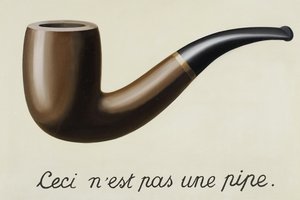
Visualizar na parede
 Compartilhar
 Compartilhar
 Detalhes
 Guia
Guia

 Baixar imagem
 Semelhantes
 Raio X
 Ver diaporama
 Q&A
Q&A Estatísticas
Attempting the Impossible

- 105.0 x 81.0 cm


 Ler mais
A obra de arte exibida nesta página é protegida por leis de direitos autorais, o que significa que não podemos criar ou vender legalmente uma reprodução idêntica. Esta proteção é aplicada por meio de acordos internacionais, tais como a Convenção de Berna e pelas leis nacionais, incluindo as estabelecidas por Lei de Direitos Autorais dos EUA - Título 17.
Este método cumpre plenamente as regulamentações de direitos autorais, pois não envolve a cópia ou duplicação da obra protegida. Em vez disso, trata-se de uma reinterpretação criativa — uma nova pintura que é influenciada pela original, mas não idêntica a ela.
Giclée / Impressão de Arte
Impressão giclée ou em tela de qualidade de museu, com produção rápida e opções flexíveis de acabamento. ( Comprar pintura feita à mão Alternar para Imagem Digital)




P118B €10

P118H €10

P118W €10

P438Z €10

P508JH €12

P508YH €12

P805H €10

P805Z €10

P919BZ €10

P919G €10

P919XJ €10

P959ZH €10

P968JZ €12

W106C €8

W218G €10

W218JH €8

W218Y €10

W307PJ €10

W316G €10

W316PJ €8

W316Y €10

W398PJ €8

W4111J €10

W500HY €15

W500JH €15

W692G €12

W849H €8

W940BG €15

W953PJ €8




Escolha entre os nossos tamanhos pré-definidos que respeitam as proporções originais da obra de arte.

Insira a largura e a altura desejadas para se ajustarem à sua moldura ou parede. Uma impressão pode ser apenas cortada, nunca ampliada além da imagem original; portanto, um tamanho com proporções diferentes resultará na perda de parte da imagem. Enviamos uma maquete digital para sua aprovação antes de realizarmos a impressão. A imagem exibida nesta página não mostra o corte real — apenas a maquete o faz.
Entrega mundial () em 2 semanas, em vez das 4/5 semanas padrão. (3 Novembro)

Envio expresso gratuito para todo o mundo

Tela de Linho de Alta Qualidade

Seguro de transporte completo

Garantia de Reembolso de Impostos Alfandegários

Garantia de Fidelidade Cromática

Política de Devolução em 100 Dias (Apenas para Defeitos)

Garantia de reembolso de 100%

Oferta de desconto por quantidade
 A opção de vidro está disponível apenas para tamanhos inferiores a 110 cm

Attempting the Impossible
Giclée / Impressão de Arte
Tamanho da Reprodução
-


Preço Total
€ 71
Exploring the Paradox of Creation: René Magritte’s “Attempting the Impossible”
René Magritte's "Attempting the Impossible," painted in 1928, isn’t merely a depiction of an artist and his muse; it’s a masterful distillation of Surrealist principles—a deliberate provocation designed to unsettle viewers and invite contemplation about the nature of representation itself. The painting captures a moment frozen in time: a man dressed impeccably in a suit and tie stands beside a nude woman, holding a paintbrush poised before her face as if attempting to capture her essence on canvas. This seemingly straightforward tableau belies a complex web of symbolism and artistic innovation that speaks volumes about Magritte’s intellectual engagement with the anxieties of his era.A Surrealist Dialogue Between Reality and Illusion
Magritte firmly established himself within the burgeoning Surrealist movement spearheaded by André Breton, rejecting rational thought in favor of exploring the subconscious mind. “Attempting the Impossible” exemplifies this ethos through its unsettling juxtaposition of familiar elements—a man, a woman, a paintbrush, bowls—arranged in an illogical configuration that defies conventional visual logic. The nude woman’s obscured face is particularly significant; it represents not just physical vulnerability but also the elusive nature of identity and perception. Magritte deliberately obscures what we *should* see, forcing us to confront the limitations of our gaze and questioning whether art can ever truly grasp or convey the complexities of human experience. Breton championed the idea that art should liberate the imagination from the constraints of reason, and Magritte brilliantly embodies this ambition.Technique and Composition: Mastering Illusion
Magritte’s meticulous technique contributes powerfully to the painting's overall effect. Executed in oil on canvas, he employed a smooth blending style—characteristic of École de Paris—that lends an air of understated elegance to the scene. However, it is his masterful use of color and perspective that elevates “Attempting the Impossible” beyond mere visual representation. The muted palette – predominantly browns and creams – reinforces the painting’s sense of stillness and contemplation. Furthermore, Magritte utilizes a slightly flattened perspective, subtly manipulating spatial depth to heighten the feeling of unease and disorientation. This deliberate distortion underscores the Surrealist preoccupation with destabilizing accepted notions of reality.Historical Context: The Aftermath of Dada and Nietzsche
The painting emerged from the intellectual ferment following World War I, influenced by thinkers like Friedrich Nietzsche who questioned traditional morality and championed the idea that truth is subjective. Dada’s rejection of logic and reason fueled a desire to dismantle established artistic conventions—a rebellion against bourgeois values that Magritte wholeheartedly embraced. Surrealism sought to tap into the primal forces of emotion and instinct, rejecting academic art's focus on idealized beauty in favor of confronting disturbing images and unsettling ideas. “Attempting the Impossible” reflects this spirit of defiance, presenting a visual paradox that challenges viewers to reconsider their assumptions about what constitutes genuine artistic expression.Emotional Resonance: A Meditation on Representation
Ultimately, "Attempting the Impossible" resonates deeply with its viewer through its exploration of fundamental questions concerning perception and representation. Magritte’s deliberate obfuscation invites us to consider how art shapes our understanding of the world—and conversely, how our perceptions constrain artistic endeavors. The painting lingers in the mind long after viewing, prompting reflection on themes of vulnerability, desire, and the impossibility of capturing the intangible essence of human experience. It serves as a poignant reminder that true artistry lies not merely in replicating reality but in transforming it into something profoundly evocative and intellectually stimulating—a testament to Magritte’s enduring legacy as one of Surrealism's most astute innovators.Perguntas e Respostas
A obra "Attempting the Impossible" está disponível para download em alta resolução?
"Attempting the Impossible" está disponível como download de imagem digital em alta resolução, podendo ser adquirido diretamente em sua página de Imagem Digital de Alta Resolução.
De onde vêm os visitantes de "Attempting the Impossible", de René Magritte?
As estatísticas sobre "Attempting the Impossible", de René Magritte encontram-se na página de Estatísticas da obra: visitas mensais da obra, visitas às obras do artista e o detalhamento por país e idioma dos visitantes recentes.
A que fase da carreira de René Magritte corresponde a data de 1928 de "Attempting the Impossible"?
Dada a sua data de 1928, "Attempting the Impossible" insere-se no período Mature Period de René Magritte.
Biografia do Artista
Early Life and the Seeds of Surrealism
René Magritte, nascido René François Ghislain Magritte em 21 de novembro de 1898, em Lessines, Bélgica, emergiu em um mundo que moldaria profundamente sua visão artística enigmática. Seus primeiros anos foram marcados por um evento perturbador – o suicídio de sua mãe quando ele tinha apenas treze anos. A imagem do corpo dela sendo recuperado do Rio Sambre, com seu vestido obscurecendo o rosto, tornou-se um motivo assombrador que permeiairia sutilmente suas obras posteriores, manifestando-se em figuras disfarçadas e uma exploração persistente de realidades ocultas. Esse trauma precoce instilou nele uma fascinação por mistério, perda e o poder inquietante do que permanece invisível. Embora os detalhes de sua infância permaneçam um tanto elusivos, fica claro que essa experiência formativa lançou as bases para sua investigação contínua da percepção e representação. Ele começou a estudar desenho aos dez anos, revelando uma inclinação natural para a expressão visual, mas inicialmente explorou o Impressionismo antes de trilhar um caminho que o levaria a se tornar uma das figuras mais significativas do Surrealismo.
Artistic Development and Influences
A jornada artística de Magritte não foi imediata nem direta. Ele estudou na Academia Royale des Beaux-Arts em Bruxelas, mas encontrou seus métodos tradicionais sufocantes. Seu trabalho inicial experimentou com Futurismo e Cubismo, absorvendo elementos desses movimentos vanguardistas, mas acabou rejeitando suas preocupações puramente formais. Não foi até encontrar a pintura *The Song of Love* (1914) de Giorgio de Chirico em 1922 que Magritte descobriu uma ressonância que alteraria irreversivelmente seu curso artístico. A paisagem onírica de De Chirico e suas justaposições perturbadoras desbloquearam para Magritte uma nova maneira de ver – um mundo onde o familiar poderia ser representado de forma estranha, e o ordinário imbuído de mistério profundo. Esse encontro desencadeou seu compromisso com o Surrealismo, embora ele frequentemente mantivesse uma distância única de suas abordagens mais psicológicas ou automáticas. Ele preferiu uma precisão meticulosa, quase clínica, em sua pintura, usando técnicas realistas para representar cenários ilógicos.
The Heart of Surrealism: Challenging Reality
Em 1926, Magritte havia abraçado plenamente os princípios do Surrealismo, produzindo *Le Jockey Perdu (The Lost Jockey)*, amplamente considerado sua primeira obra surrealista genuína. No entanto, seu tipo de Surrealismo era distinto. Ele não estava interessado em explorar o inconsciente por meio da livre associação ou imagens de sonho como alguns de seus contemporâneos. Em vez disso, Magritte procurou desafiar a percepção dos espectadores sobre a realidade ao apresentar objetos cotidianos em contextos inesperados, forçando-os a questionar suas suposições sobre o mundo ao seu redor. Obras icônicas como *The Treachery of Images (This is not a pipe)* (1929) desconstroem brilhantemente a relação entre imagem e objeto, lembrando-nos que uma representação nunca é a coisa em si. *Les Amants (The Lovers)* (1927-1928), com suas figuras envoltas, ecoam o trauma da morte de sua mãe enquanto exploram simultaneamente temas de ocultamento e intimidade. *Time Transfixed* (1938) apresenta um trem atravessando uma parede de tijolos, interrompendo nossa sensação de espaço e tempo. E *The Human Condition* (1933), uma tela dentro de uma tela, borra os limites entre representação e realidade, nos convidando a considerar como percebemos e interpretamos o mundo.
Later Life, Recognition, and Enduring Legacy
Apesar das dificuldades iniciais para receber reconhecimento, o trabalho de Magritte ganhou gradualmente destaque, particularmente nos Estados Unidos com exposições em 1936 e posteriormente exposições retrospectivas no Museu de Arte Moderna (1965) e no Metropolitan Museum of Art (1992). Ele permaneceu politicamente engajado ao longo de sua vida, defendendo a autonomia artística. Ele continuou a refinar seu estilo característico, explorando temas de repetição, ilusão e o poder da linguagem em pinturas que são tanto intelectualmente estimulantes quanto visualmente impressionantes. Magritte morreu em 15 de agosto de 1967, deixando para trás um corpo de trabalho que continua a cativar e desafiar os públicos mundialmente. Sua influência se estende muito além do reino da pintura, impactando o Pop Art, o Minimalismo e o Conceitualismo, e até mesmo a publicidade e o cinema. Hoje, suas pinturas são mantidas em importantes coleções de museus ao redor do mundo, incluindo os Musées royaux des beaux-arts de Belgique em Bruxelas, que abrigam o Magritte Museum – dedicado inteiramente à sua obra e possuindo a maior coleção de suas criações.
- Coleções de Museus: Musées royaux des beaux-arts de Belgique, Bruxelas; Magritte Museum.
Magritte's enduring legacy lies in his ability to make us see the familiar anew, to question our assumptions about reality, and to appreciate the power of art to provoke thought and inspire wonder. He wasn’t simply painting images; he was crafting visual paradoxes that continue to resonate with viewers decades after their creation, solidifying his position as a true master of Surrealism and a pivotal figure in 20th-century art.

René Magritte
1898 - 1967 , Bélgica
Dados Rápidos
- Artistic Movement Or Style: Surrealismo
- Artists Or Movements Influenced By This Artist:
- Pop Art
- Minimalismo
- Artists Who Influenced This Artist: ['Giorgio de Chirico']
- Date Of Birth: 21 de novembro de 1898
- Date Of Death: 15 de agosto de 1967
- Full Name: René François Ghislain Magritte
- Nationality: Belga
- Notable Artworks:
- Les Amants
- A Queda
- O Jogador Perdido
- Place Of Birth: Lessines, Bélgica
Artigos Relacionados

The Treachery of Images: Decoding René Magritte’s Surrealist Vision and the Paradox of Representation
Delve into the profound mysteries of René Magritte’s Surrealism. Explore an expert analysis of 'The Treachery of Images,' decoding the philosophical paradoxes and visual subversions that redefined modern art history for collectors and connoisseurs alike.
Dreamscapes & Disrupted Realities: Exploring Surrealism's Enduring Influence
Explore the fascinating world of Surrealism! Discover its origins, key artists like Dalí & Magritte, and enduring influence on art & culture. Expert insights & high-quality reproductions at OriginalUniqueArt.

Surrealismo: 10 Obras-Primas que Definiram um Movimento Artístico Inovador | OriginalUniqueArt.com
Mergulhe no universo onírico do Surrealismo! Explore 10 obras-primas de Dalí, Magritte e outros artistas icônicos. Descubra a história, técnica e emoção por trás dessas pinturas revolucionárias. Encontre reproduções de arte exclusivas em OriginalUniqueArt.com.
Surrealist Expression: Unlocking the Power of Dreams and the Subconscious through Art History
Explore the profound depths of Surrealism. From Dalí’s dreamscapes to Magritte’s enigmas, master the history of the subconscious mind through our expert art guide and discover museum-quality oil reproductions of the world's most iconic surrealist masterpieces.
Surrealismo: 10 Obras-Primas que Moldaram um Movimento Artístico Inesquecível
Descubra as 10 obras-primas que revolucionaram o Surrealismo! Explore a história de Dalí, Magritte e Miró. Encontre reproduções de arte exclusivas para decorar sua casa com estilo em OriginalUniqueArt.com.